news
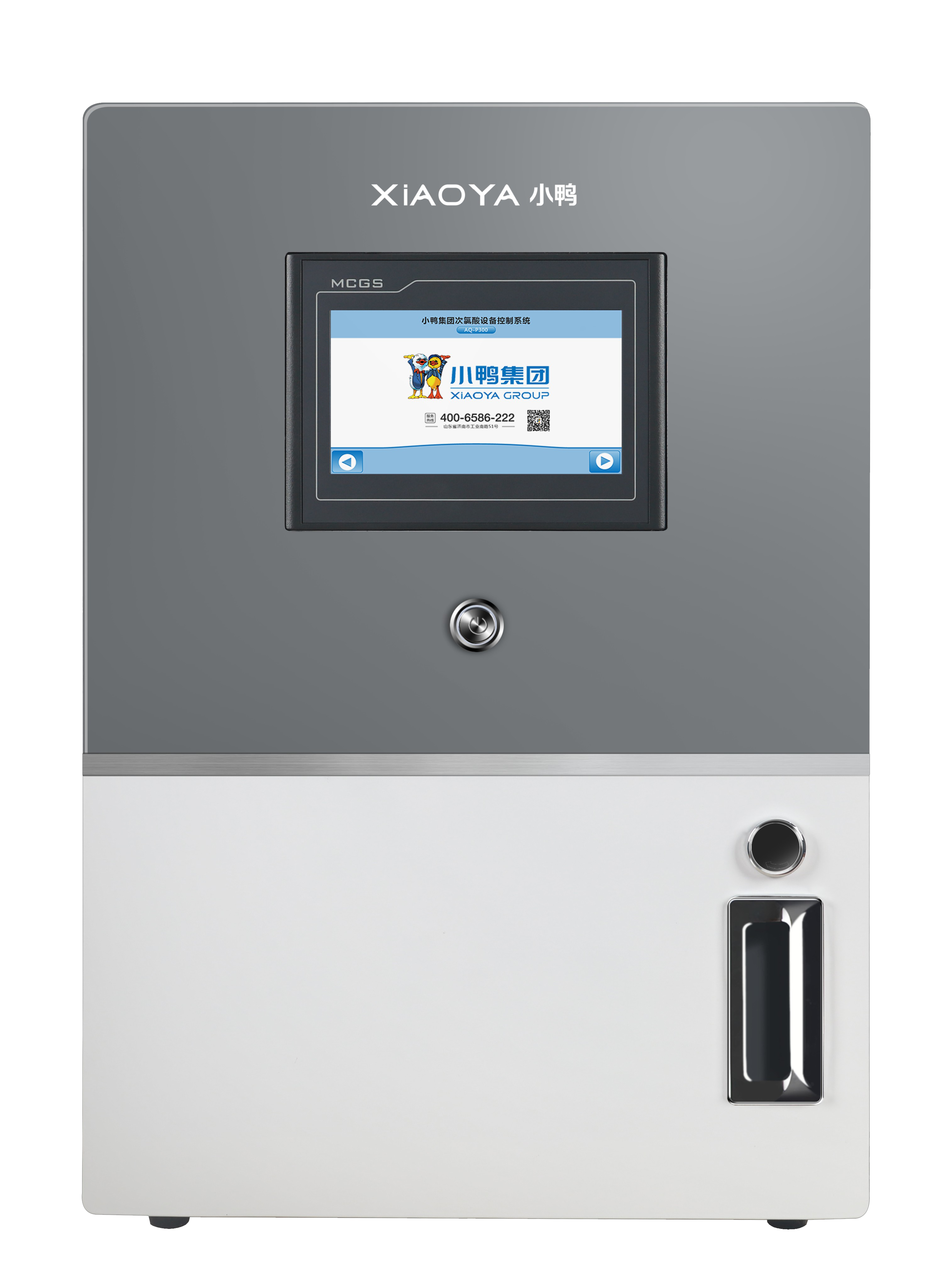
Keeping a hypochlorous acid generator in peak condition is essential for stable performance, safety, and long-term operating efficiency. In this maintenance and troubleshooting guide, you will learn how to inspect key components, prevent common faults, and solve performance issues quickly. Whether used in disinfection appliances or automated equipment systems, proper care helps reduce downtime and extend service life.
Why maintenance matters in automated hypochlorous acid generator systems
In the automation equipment industry, a hypochlorous acid generator is rarely a standalone device. It is usually integrated into disinfection appliances, water treatment modules, health care systems, or process control lines where output stability directly affects product quality and operating safety.
For manufacturers serving kitchen and bathroom appliances, health care and disinfection appliances, clean energy equipment, and small household appliances, maintenance is not only a service task. It is part of production continuity, compliance control, and cost management.
Neglected maintenance often causes three business problems: inconsistent disinfectant concentration, unplanned shutdowns, and accelerated wear of electrolysis components. In automated applications, these issues can quickly spread upstream and downstream, affecting sensors, dosing accuracy, pump cycles, and final product reliability.
- Stable maintenance supports repeatable HOCl generation, which is critical for appliances requiring controlled disinfection performance.
- Routine inspection reduces emergency repair costs and lowers the risk of production interruption.
- Well-documented service procedures help engineering teams evaluate replacement timing, spare parts planning, and future equipment upgrades.
What should be inspected first during routine maintenance?
Core components that affect generator performance
A practical hypochlorous acid generator maintenance plan should begin with the parts most likely to influence conductivity, electrolysis efficiency, and fluid control. Routine checks should focus on electrodes, membranes or diaphragms, salt solution feed, water quality, pumps, tubing, power supply, and control boards.
If your system uses membrane-based electrolysis architecture, separation efficiency between the anode and cathode becomes especially important. In more demanding industrial or semi-industrial applications, some manufacturers evaluate a modular electrolysis unit such as Diaphragm Electrolyzer when process control, chamber separation, or recirculating electrolysis is part of the design requirement.
- Check electrodes for scaling, discoloration, corrosion spots, or uneven deposits.
- Inspect tubing and joints for leaks, air ingress, kinks, or salt crystallization.
- Verify that pumps maintain steady flow without abnormal noise or pulsation.
- Review water source consistency, because hardness and impurities shorten cell life.
- Confirm that sensor readings, alarms, and control logic match actual operating conditions.
The table below helps maintenance teams prioritize inspection points in a hypochlorous acid generator according to failure impact and service frequency.
This inspection logic is useful for both compact disinfection appliances and larger automated systems. It supports faster fault isolation and helps buyers define after-sales service needs before procurement.
How to build a preventive maintenance schedule
Recommended service rhythm for daily operation
A preventive maintenance schedule should match operating hours, water quality, salt purity, and process load. A unit used in a medical disinfection appliance may require different inspection intervals from one integrated into a household cleaning product line or a clean energy support system.
- Daily: verify startup status, output consistency, flow stability, and alarm records.
- Weekly: inspect tubing, pumps, filters, wiring terminals, and visible scale formation.
- Monthly: clean the electrolysis chamber according to operating instructions, confirm calibration, and review power supply performance.
- Quarterly or by operating hours: assess wear parts, replace vulnerable seals, and compare actual output with commissioning benchmarks.
Companies with integrated R&D, production, and operation capability are often better positioned to convert field maintenance feedback into product improvements. That matters when customers need shorter troubleshooting time, more reliable spare parts planning, or customized service for complex appliance platforms.
Common hypochlorous acid generator faults and quick troubleshooting steps
When a hypochlorous acid generator underperforms, the fastest path is to diagnose by symptom rather than disassemble everything at once. This reduces downtime and helps maintenance teams separate process problems from component failures.
The table below summarizes common troubleshooting scenarios, likely causes, and practical actions for automated equipment users.
This approach is especially valuable in production lines with strict delivery schedules. Instead of replacing parts blindly, teams can use symptom-based troubleshooting to control repair cost and protect output consistency.
When should parts be repaired or replaced?
Repair makes sense when fouling, loose wiring, minor leakage, or calibration drift is the root cause. Replacement becomes more reasonable when electrode coating has visibly deteriorated, a membrane no longer maintains separation efficiency, or a pump repeatedly fails under normal load.
For systems requiring customized electrolysis architecture, modularity can simplify service decisions. A design based on separated chambers and flexible membrane selection may reduce total maintenance burden in specific industrial applications.
What procurement teams should evaluate before buying or upgrading
Many maintenance problems begin during the selection stage. Buyers often focus on initial price but overlook water quality tolerance, spare parts access, controller compatibility, and service response requirements. In automation equipment, these factors directly affect lifecycle cost.
The table below can support procurement teams comparing a new hypochlorous acid generator or an upgraded electrolysis solution for appliance and disinfection system integration.
For example, if an application requires chamber separation, modular design, or flexible membrane matching for different media, an engineering team may review Diaphragm Electrolyzer options as part of a broader upgrade path. This is relevant in chlor-alkali related processes, water treatment, industrial hydrogen support systems, and sodium chloride electrolysis used to produce chlorine-based disinfectants.
Compliance, safety, and operating risks often overlooked
Key points for stable and safe operation
A hypochlorous acid generator should be maintained with attention to electrical safety, chemical compatibility, ventilation, and operator handling. Different markets may also require alignment with general electrical safety, water-contact material, or appliance compliance expectations.
- Avoid mixing incompatible cleaning chemicals during servicing, especially in systems connected to disinfectant storage.
- Lock out power before opening the electrolysis section or replacing electrical components.
- Keep maintenance records including output deviation, cleaning interval, and replaced parts for trend analysis.
- Confirm that material selection matches the operating medium to reduce corrosion and leakage risk.
These points are especially important for companies producing household and health-related appliances, where stable disinfection performance and product reliability influence both user experience and warranty exposure.
FAQ: practical questions buyers and maintenance teams ask
How often should a hypochlorous acid generator be cleaned?
There is no single interval for every system. Cleaning frequency depends on water hardness, salt purity, runtime, and electrolysis load. In many automated applications, a weekly visual check and a monthly deeper inspection is a practical starting point, then adjusted using actual scaling behavior and output trend data.
Why does output concentration drop even when the machine still runs?
This usually points to fouling, feed inconsistency, membrane degradation, sensor drift, or power instability rather than a total equipment failure. If concentration falls gradually, check the cell condition first. If it drops suddenly, verify flow, salt dosing, and controller signals.
What is the most common procurement mistake?
The most common mistake is buying only by initial price without matching the generator to the real application. A unit intended for light intermittent use may struggle in continuous automated equipment. Buyers should review water quality, expected output, maintenance access, and integration requirements before final selection.
Can a modular electrolysis structure reduce lifecycle cost?
In many cases, yes. Modular systems can simplify maintenance, reduce replacement complexity, and allow more targeted upgrades. This is particularly helpful when applications vary across disinfection appliances, water treatment systems, and other automation equipment platforms with different operating profiles.
Why choose us for equipment support and customization
For customers developing kitchen and bathroom appliances, health care and disinfection appliances, clean energy systems, and small household appliances, maintenance guidance should be tied to real product engineering and production capability. An enterprise integrating R&D, production, and operation can better connect design logic, process control, spare parts coordination, and delivery planning.
If you are evaluating a hypochlorous acid generator, upgrading an electrolysis module, or solving recurring field failures, you can contact us for specific support on parameter confirmation, product selection, delivery cycle planning, customized solution design, certification-related considerations, sample support, and quotation discussion.
A clear maintenance strategy starts before purchase and continues through integration, operation, and service. The right technical partner helps you reduce downtime, improve consistency, and choose a solution that fits both your automation process and your market requirements.
NEWS
 Public Facility HOCl Storage: Managing Heat, Light, and Shelf Life
 On-Site HOCl vs. Purchased Disinfectant for Municipal Buildings
- Sizing a Public Facility HOCl Generator for Peak Cleaning Demand
- What Can a Hypochlorous Acid Generator Do for Public Facility Cleaning?
 WS/T 10053-2026 Includes the Compound Method for the First Time: Standard Signals and Market Opportunities for Mass Agricultural Production of Hypochlorous Acid Generators

Leave us a message

Xiaoya Group was founded in 1979,expert in the electrolyzed water industry.
Get in Touch
*We respect your confidentiality and all information are protected.