




news
HClO disinfection is becoming a practical hygiene solution for spaces where both surfaces and air matter.
It is increasingly used in homes, healthcare environments, and automated appliances that need reliable sanitation without overly complex chemical handling.
For businesses linked to kitchen and bathroom appliances, disinfection devices, clean energy systems, and small household products, this topic is no longer niche.
It sits at the intersection of hygiene performance, equipment design, and scalable production.
Understanding what HClO disinfection actually means
HClO refers to hypochlorous acid, a weak acid that can inactivate many bacteria, viruses, and fungi.
In simple terms, hclo disinfection uses this active substance to reduce microbial contamination on hard surfaces, in water systems, and in some air treatment processes.
It is often compared with traditional chlorine disinfectants, but the difference lies in how it is delivered and controlled.
When properly produced, hypochlorous acid offers strong oxidation ability while remaining suitable for a wide range of hygiene applications.
Why it performs well
The key advantage is its ability to attack microbial cell walls and disrupt essential functions quickly.
That makes hclo disinfection useful when fast contact action is important, especially in frequently touched areas or enclosed spaces.
Its effectiveness still depends on concentration, pH, contact time, and cleanliness of the target surface.
Why surface and air hygiene are driving attention
Sanitation expectations have changed.
People now look beyond visible cleaning and focus on microbial control in kitchens, bathrooms, clinics, care spaces, and appliance interiors.
This is where hclo disinfection has gained momentum.
It can support wipe-down routines, misting systems, water-based cleaning cycles, and integrated sanitation modules inside smart equipment.
Air hygiene also matters because contamination does not stay on one surface.
Particles move through ventilation paths, humid environments, and shared indoor zones.
Used correctly, hclo disinfection can complement filtration and ventilation by addressing microbial load in surrounding air handling applications.
Where it fits in automation-related equipment
The value of HClO rises when hygiene has to be repeatable, controlled, and easy to integrate into equipment.
That is especially relevant in automated systems built for daily consumer or light industrial use.
For integrated R&D, production, and operation businesses, this matters because sanitation is no longer a separate accessory.
It is becoming a built-in function of the equipment itself.
How HClO is produced in equipment systems
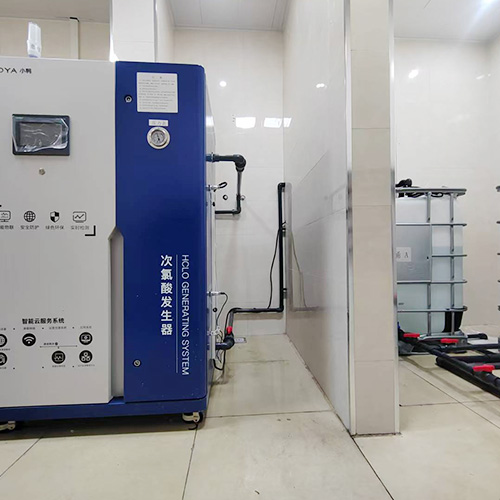
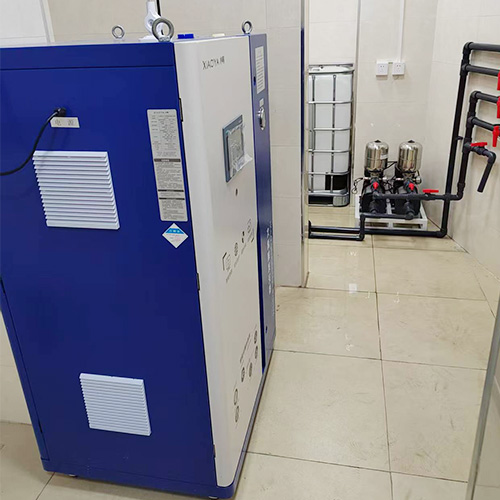
A major reason hclo disinfection fits automation is that it can be generated through electrolysis-based systems.
This allows controlled production from salt solutions in applications that require consistent disinfectant supply.
In larger or more specialized setups, membrane and chamber design directly affect output quality and efficiency.
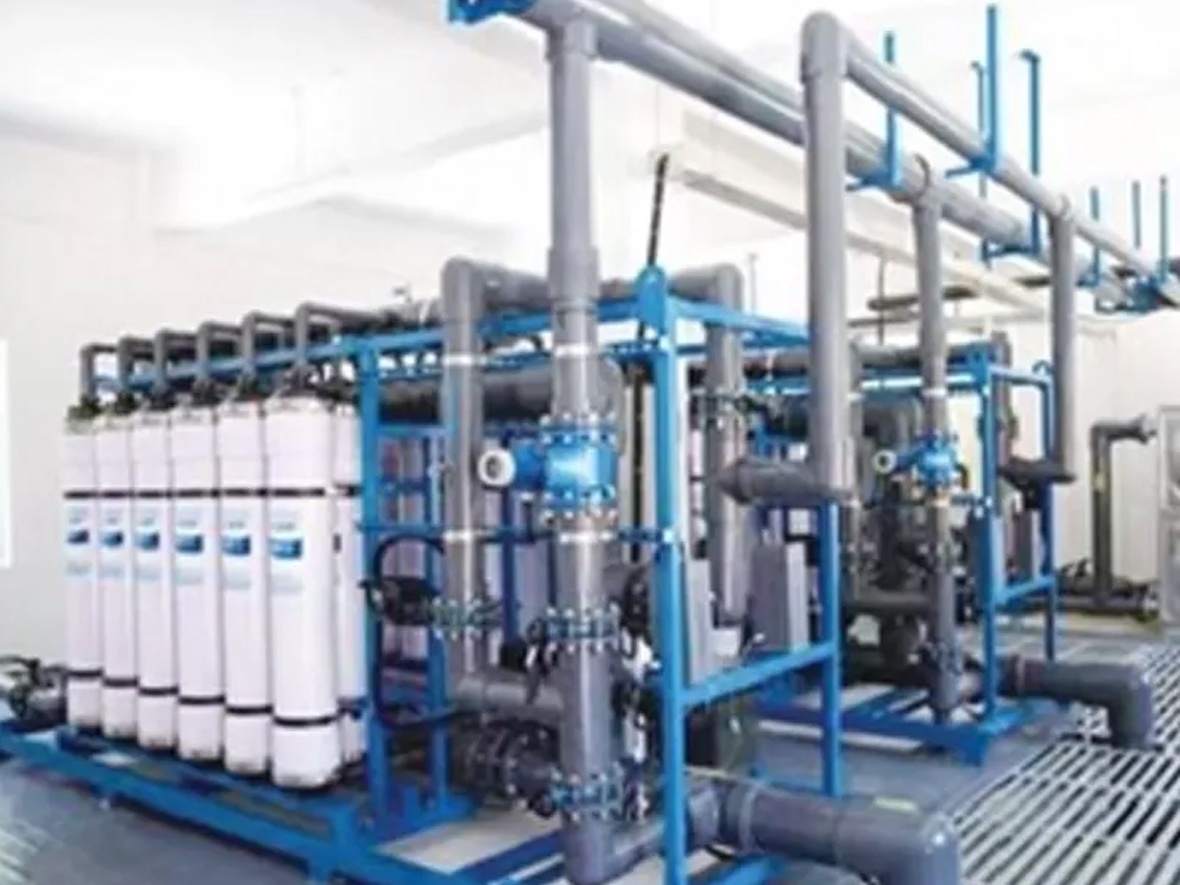
For example, Diaphragm Electrolyzer systems are used in water treatment and chlorine-based disinfectant production.
By incorporating an ion-exchange membrane between anode and cathode chambers, they help separate reactions and improve process control.
Modular and recirculating designs can also reduce operating cost while supporting flexible configuration for different electrolysis needs.
That production logic is important when evaluating whether hclo disinfection is suitable for a single appliance or a broader sanitation platform.
What to evaluate before using it in practice
Not every use case benefits from the same HClO setup.
A good decision usually depends on matching the disinfectant system to the real hygiene task.
- Check the target: food-contact surface, bathroom fixture, air treatment zone, or device interior.
- Verify production stability, especially if the system generates solution on site.
- Review concentration control, storage time, and material compatibility.
- Consider whether manual application or automated dosing is more practical.
- Assess maintenance requirements for membranes, chambers, and circulation parts.
It is also worth separating marketing language from measurable hygiene performance.
Reliable hclo disinfection should be supported by clear operating parameters, not just broad safety or freshness claims.
Why the topic will remain relevant
Surface and air hygiene are now part of product design, not only cleaning practice.
That is especially true for appliance categories that combine convenience, health, and automation.
Hclo disinfection stands out because it connects chemistry, equipment engineering, and user-friendly sanitation in a single solution path.
The next useful step is to compare specific application conditions.
Look at target microbes, output method, electrolysis design, maintenance burden, and regulatory fit before choosing a system direction.
That approach makes it easier to judge whether hclo disinfection is simply a feature, or a durable part of a broader hygiene strategy.
NEWS
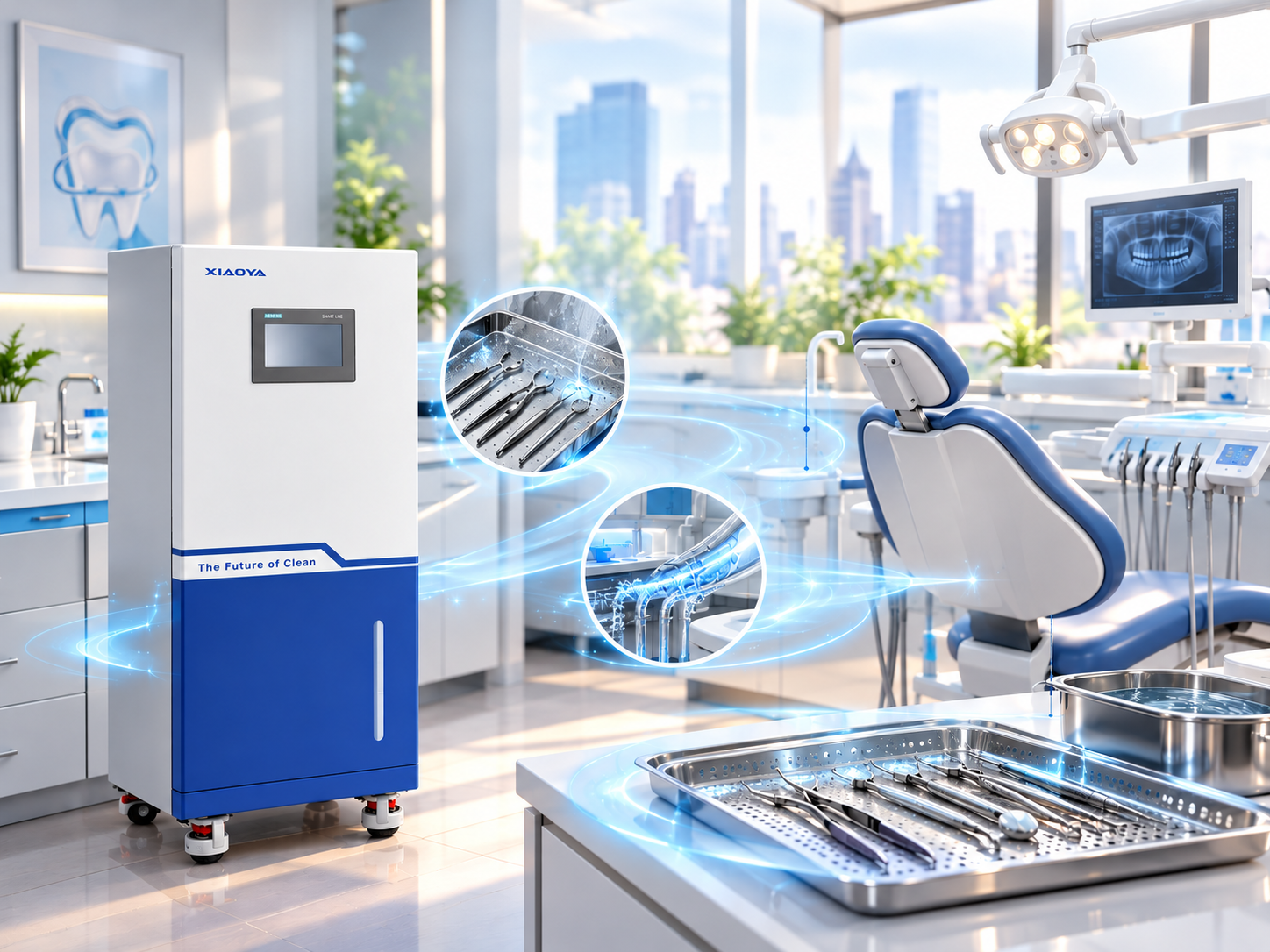
 Disinfection Empowers Orthodontic Safety: Hypochlorous Acid Generators Build a Sterile Defense Line for Dental Instruments
- Accumulating Strength and Reaching New Heights: A Record of the Production Breakthrough of Xiaoya Small Home Appliances' Hypochlorous Acid Generators
 How Do HOCl Generators Turn Salt and Water into Cleaning Solutions?
 Medical HOCl Generator Procurement: Service, Training, and Traceability
- Integrating a Medical HOCl Generator into Hospital Cleaning Stations
Leave us a message

Xiaoya Group was founded in 1979,expert in the electrolyzed water industry.
Get in Touch
*We respect your confidentiality and all information are protected.