news
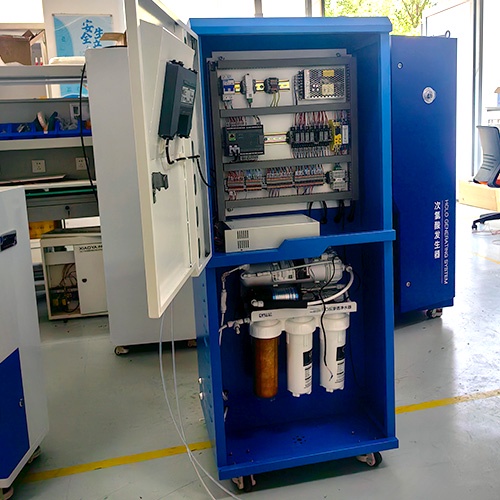
Looking for the best home & portable hypochlorous acid generators for everyday use? As demand grows for safe, efficient, and convenient disinfection, these smart appliances are becoming essential in modern homes, travel kits, and health-focused lifestyles. Backed by strong R&D and manufacturing expertise in disinfection and small household appliances, this guide explores practical solutions that combine portability, performance, and ease of use for daily cleaning needs.
For most buyers, the best hypochlorous acid generator is not the one with the biggest output. It is the one that matches daily routines, safety expectations, and maintenance tolerance.
If you want a practical answer, choose a generator that delivers stable concentration, simple operation, and portable design. Those three factors matter more than flashy claims or oversized specifications.
What People Really Want From a Home or Portable Hypochlorous Acid Generator
Most users searching for the best home and portable hypochlorous acid generators are trying to solve a simple problem. They want reliable disinfection without harsh chemicals, complicated storage, or unpleasant residue.
That search intent usually comes from everyday concerns. Families want safer surface cleaning, travelers want lightweight sanitation tools, and health-conscious users want a gentler alternative to stronger disinfectants.
What matters most is confidence in actual use. People want to know whether the machine is safe around children, practical for kitchens and bathrooms, and easy to use consistently.
They also want to avoid two common mistakes. One is buying a cheap device with unstable output. The other is paying for industrial features that bring little value in home settings.
Why Hypochlorous Acid Fits Everyday Cleaning Better Than Many Traditional Options
Hypochlorous acid has gained attention because it combines cleaning support with a user-friendly profile. When produced and applied correctly, it can help disinfect surfaces while remaining less irritating than many conventional chemicals.
For daily use, that matters a lot. People do not want strong lingering odors on counters, residue on food-contact surfaces, or aggressive products that require heavy protective handling.
Another advantage is flexibility. A well-designed generator can support multiple household routines, including kitchen wiping, bathroom cleaning, deodorization, and freshening frequently touched items.
This is especially useful in homes where cleanliness is part of everyday life rather than an occasional deep-cleaning project. Convenience drives consistency, and consistency is what makes sanitation habits effective.
How to Judge Whether a Generator Is Actually Good
The most useful buying standard is performance consistency. A generator should produce hypochlorous acid within a dependable concentration range, because unstable concentration reduces both effectiveness and user trust.
Pay attention to available chlorine concentration and pH control. These determine whether the solution stays within a practical disinfection range instead of becoming too weak or unnecessarily harsh.
Ease of operation is another deciding factor. For home users, one-key start functions, clear indicators, and uncomplicated refilling are far more valuable than technical complexity.
Portability should also be judged realistically. A travel-friendly unit must be compact enough to carry and strong enough to support repeated use, not merely small in appearance.
Finally, look at component lifespan and power consumption. A machine that works well for a few months is not a good value, even if the purchase price looks attractive.
Best Use Cases at Home: Where These Generators Add Real Value
In the kitchen, a hypochlorous acid generator can support routine sanitation for countertops, sinks, cutting board areas, and handles. Many users also value odor reduction and produce-related cleaning support.
In bathrooms, the main value is fast and regular surface disinfection. High-touch areas such as faucets, toilet surroundings, and door handles benefit from repeatable daily cleaning without heavy chemical smell.
For families with children, convenience becomes even more important. Parents often prefer a solution that can be prepared on demand instead of storing multiple harsh cleaning products in reach of children.
Portable use extends the value further. Small generators or compact units can support sanitation needs in cars, hotels, office desks, and shared personal items during travel.
The broader point is simple. The best generator is one that becomes part of ordinary life, not one that sits unused because setup or maintenance feels like a burden.
What Makes a Portable Model Worth Carrying
Portability is often marketed loosely, so buyers should be strict. A genuinely portable hypochlorous acid generator should be lightweight, quick to operate, and easy to clean after use.
Battery efficiency or low-power operation can matter depending on design. If the device depends on frequent charging or awkward accessories, it becomes less useful outside the home.
Tank size also matters. A very small tank may look compact, but if it cannot support practical cleaning volume, the user experience becomes frustrating during real-world use.
Leak resistance and structural durability deserve attention too. A portable appliance needs stronger design discipline because it will be moved, packed, and handled more often than a countertop unit.
How to Match Output and Capacity to the Right Scenario
Many buyers assume higher output always means better performance. In reality, the right output depends on whether you are serving one bathroom, a full household routine, or a larger shared environment.
For personal and family use, moderate output is often enough when the machine is easy to run regularly. Stable day-to-day usability matters more than oversized production capacity.
For larger environments, however, stronger output and more precise concentration adjustment become important. Shared spaces require efficiency, repeatability, and simpler staff operation to maintain hygiene standards.
That is why some users look beyond household models when evaluating broader daily-use scenarios. In educational settings, for example, higher throughput and flexible concentration control can be more practical than small portable devices.
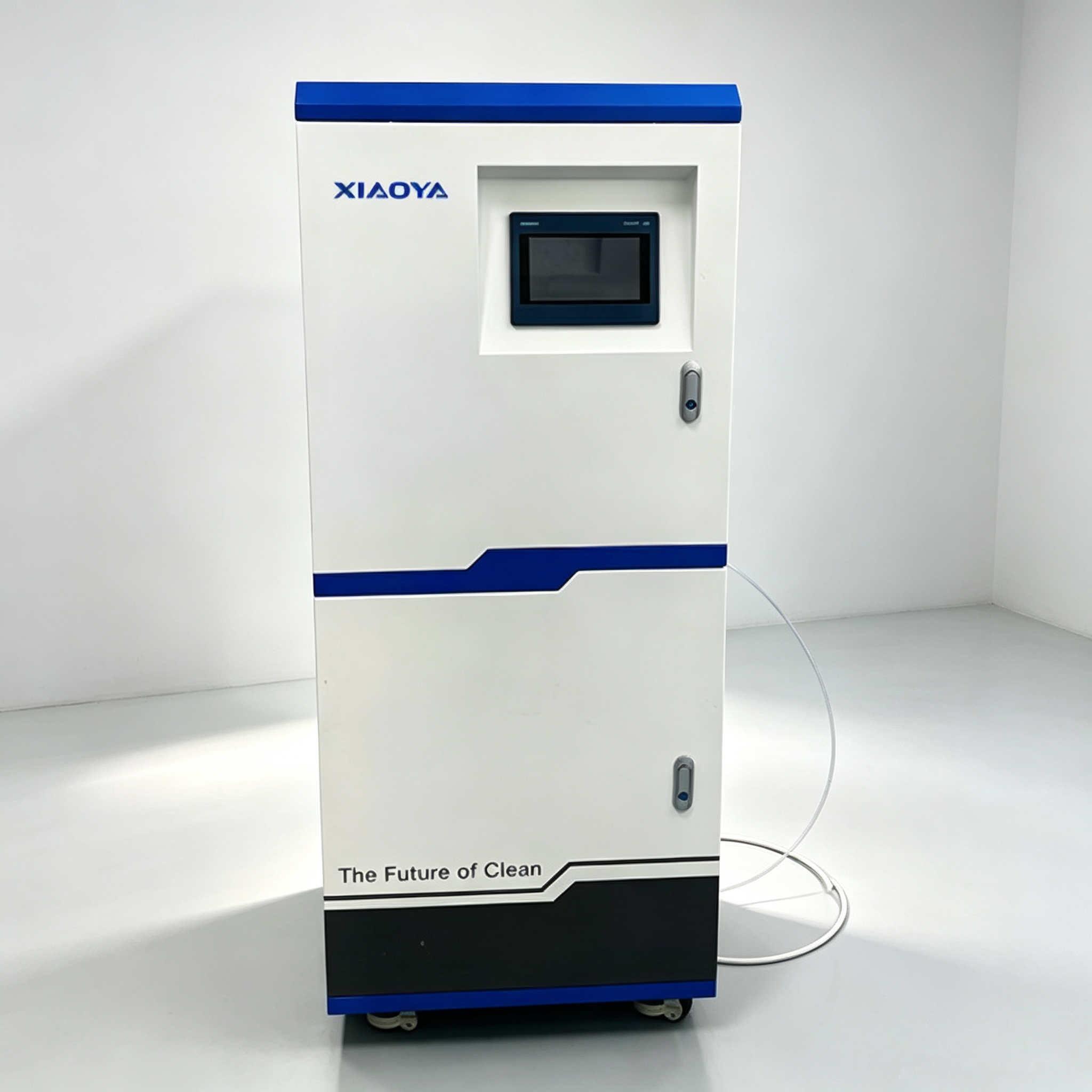
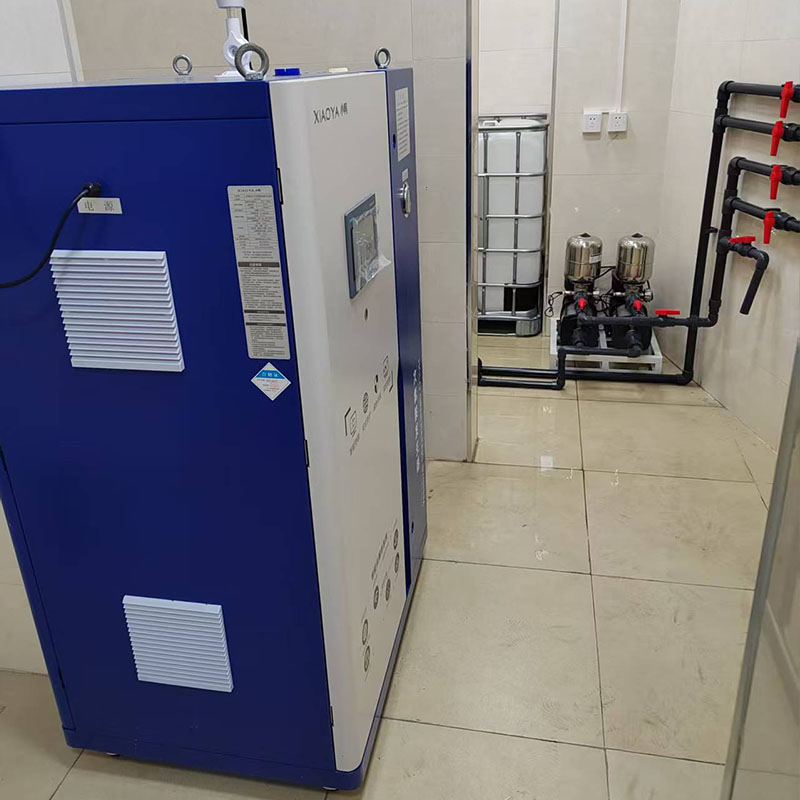
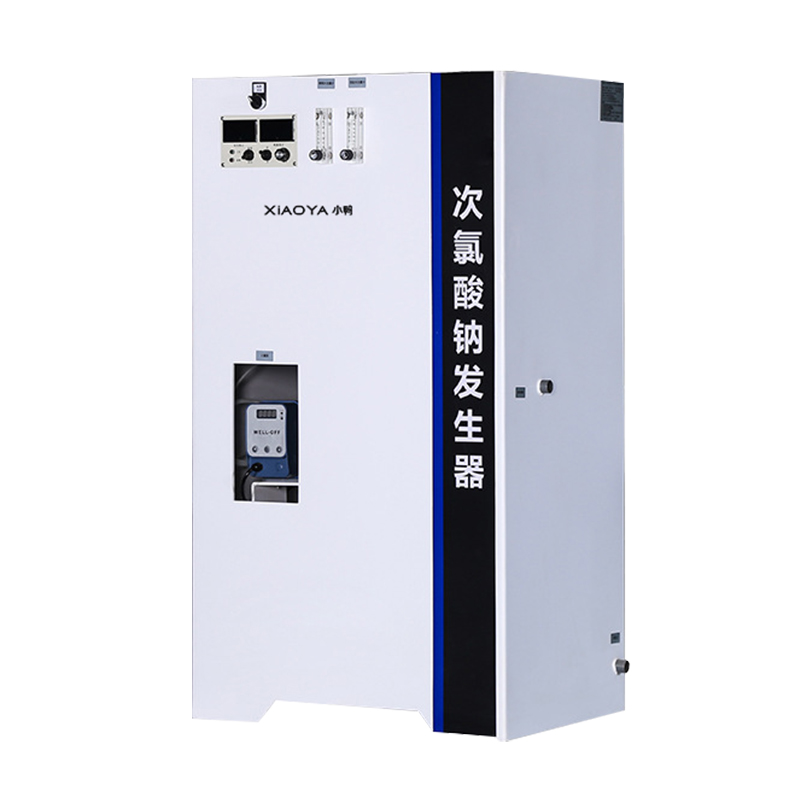
A useful example is Hypochlorous Acid Generator for Educational Institutions (AQ-P100-4G), designed for campuses, childcare centers, and community schools that need efficient, adjustable disinfection in occupied environments.
Its output range of 60-120L/h, adjustable 10-80ppm concentration, and one-key operation show how product design changes when the use case expands from personal convenience to multi-area sanitation management.
Common Concerns Buyers Should Resolve Before Choosing
One common concern is safety. Buyers want to know whether hypochlorous acid can be used around people during routine cleaning. That depends on correct generation quality, concentration control, and intended application.
Another concern is maintenance. Users often underestimate how much poor design affects ownership experience. Devices that are difficult to refill, clean, or monitor usually end up being used less often.
Cost is also misunderstood. The lowest-priced unit may create higher long-term cost if it wastes materials, fails early, or produces unreliable solution quality that limits real usefulness.
Certification and manufacturing credibility should not be ignored either. In disinfection appliances, engineering discipline matters because performance claims must hold up in regular use, not just in marketing copy.
What Buyers Should Look for From a Manufacturer
Because hypochlorous acid generators sit at the intersection of appliance design, sanitation performance, and daily usability, manufacturer capability matters more than in many other small household products.
A strong manufacturer should have experience in R&D, production, and operation across relevant appliance categories. That usually leads to better product consistency, better safety design, and more practical user-centered engineering.
It also improves the chance that features are built around actual use scenarios. Good manufacturers understand that people buy these products for convenience, not for laboratory-style complexity.
When evaluating options, look for signs of mature product thinking: stable output, straightforward controls, efficient energy use, durable core components, and application-specific product development.
For example, models developed for structured hygiene environments often emphasize safe, non-irritating use, residue-free operation, deodorization, and easy handling by non-technical staff. Those are meaningful signals of thoughtful engineering.
How to Make the Right Choice for Everyday Use
If your priority is home convenience, choose a model that is compact, easy to refill, and reliable for kitchen and bathroom cleaning. Stable concentration and simple operation should lead your decision.
If your priority is mobility, focus on carry-friendly size, practical tank capacity, leak resistance, and quick setup. A portable generator should support routine travel use without adding friction.
If your needs include larger shared spaces, consider whether a higher-capacity solution makes more sense than a small personal device. Matching the machine to the environment prevents both overspending and underperformance.
The strongest buying decision comes from aligning features with habits. Think less about abstract specifications and more about where, how often, and by whom the generator will actually be used.
Conclusion
The best home and portable hypochlorous acid generators for everyday use are the ones that make disinfection easier, safer, and more consistent in real life. Performance, ease of use, and scenario fit matter most.
For households, that usually means compact design, dependable output, and low-maintenance operation. For broader shared environments, it may mean stepping up to a more capable system with adjustable concentration and higher output.
Either way, the value of a hypochlorous acid generator is clear when it supports daily hygiene without creating extra burden. A good product should simplify clean living, not complicate it.
NEWS
 Public Facility HOCl Storage: Managing Heat, Light, and Shelf Life
 On-Site HOCl vs. Purchased Disinfectant for Municipal Buildings
- Sizing a Public Facility HOCl Generator for Peak Cleaning Demand
- What Can a Hypochlorous Acid Generator Do for Public Facility Cleaning?
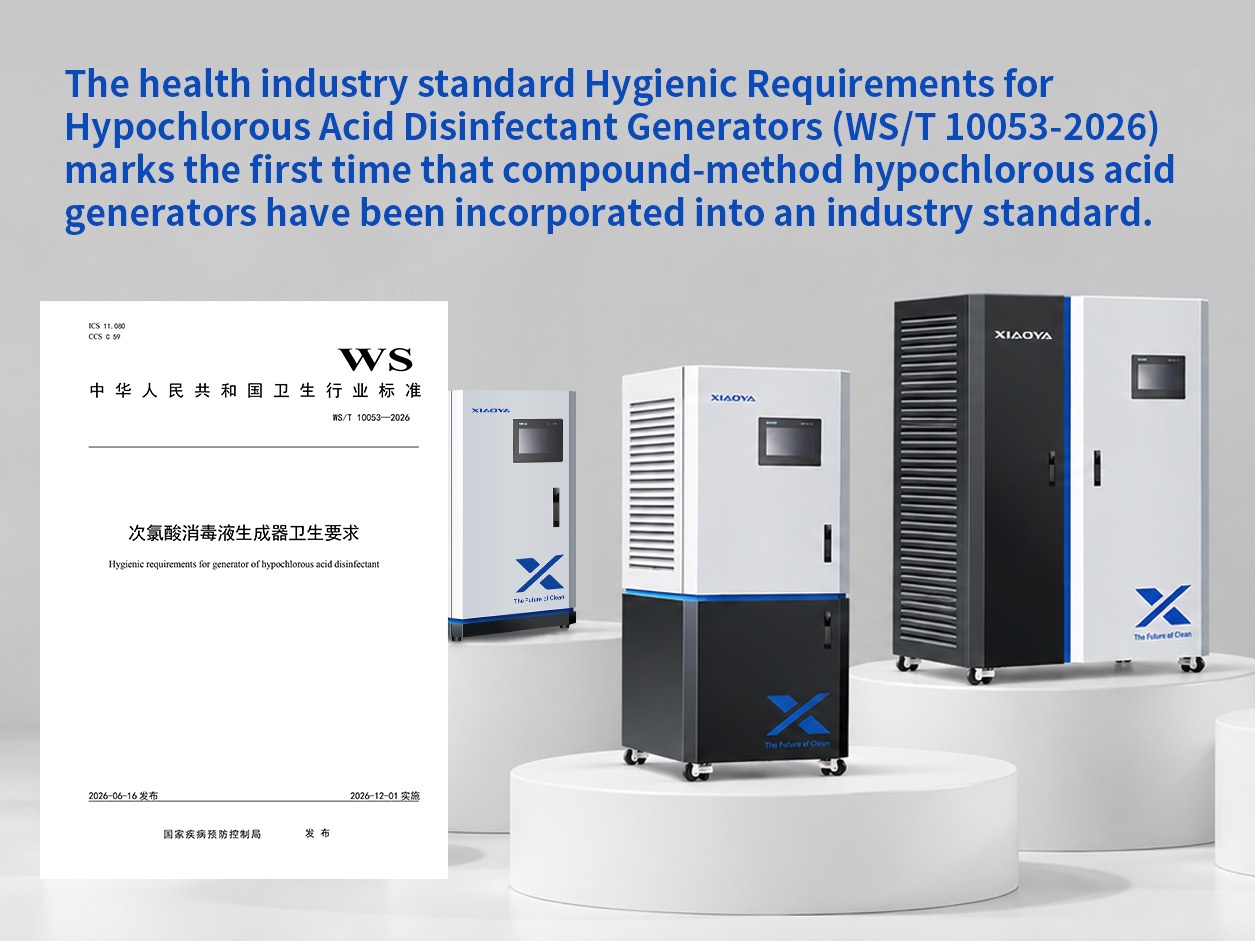
 WS/T 10053-2026 Includes the Compound Method for the First Time: Standard Signals and Market Opportunities for Mass Agricultural Production of Hypochlorous Acid Generators

Leave us a message

Xiaoya Group was founded in 1979,expert in the electrolyzed water industry.
Get in Touch
*We respect your confidentiality and all information are protected.