news
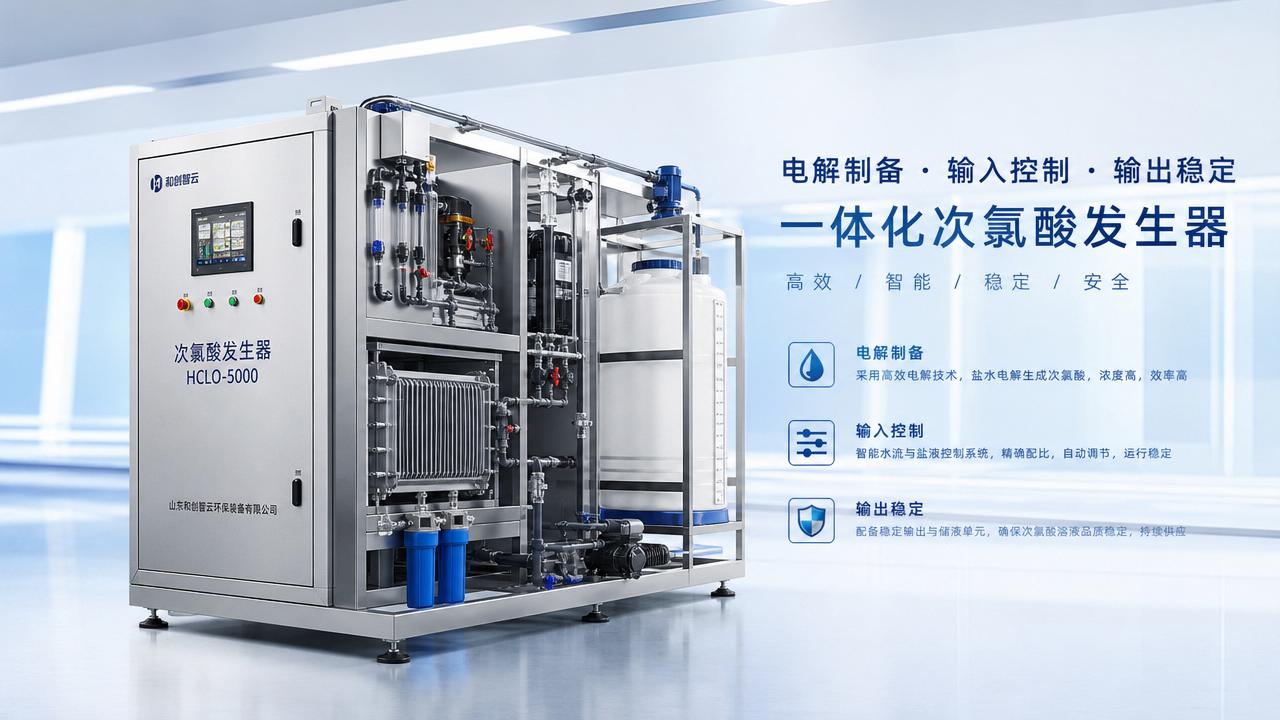
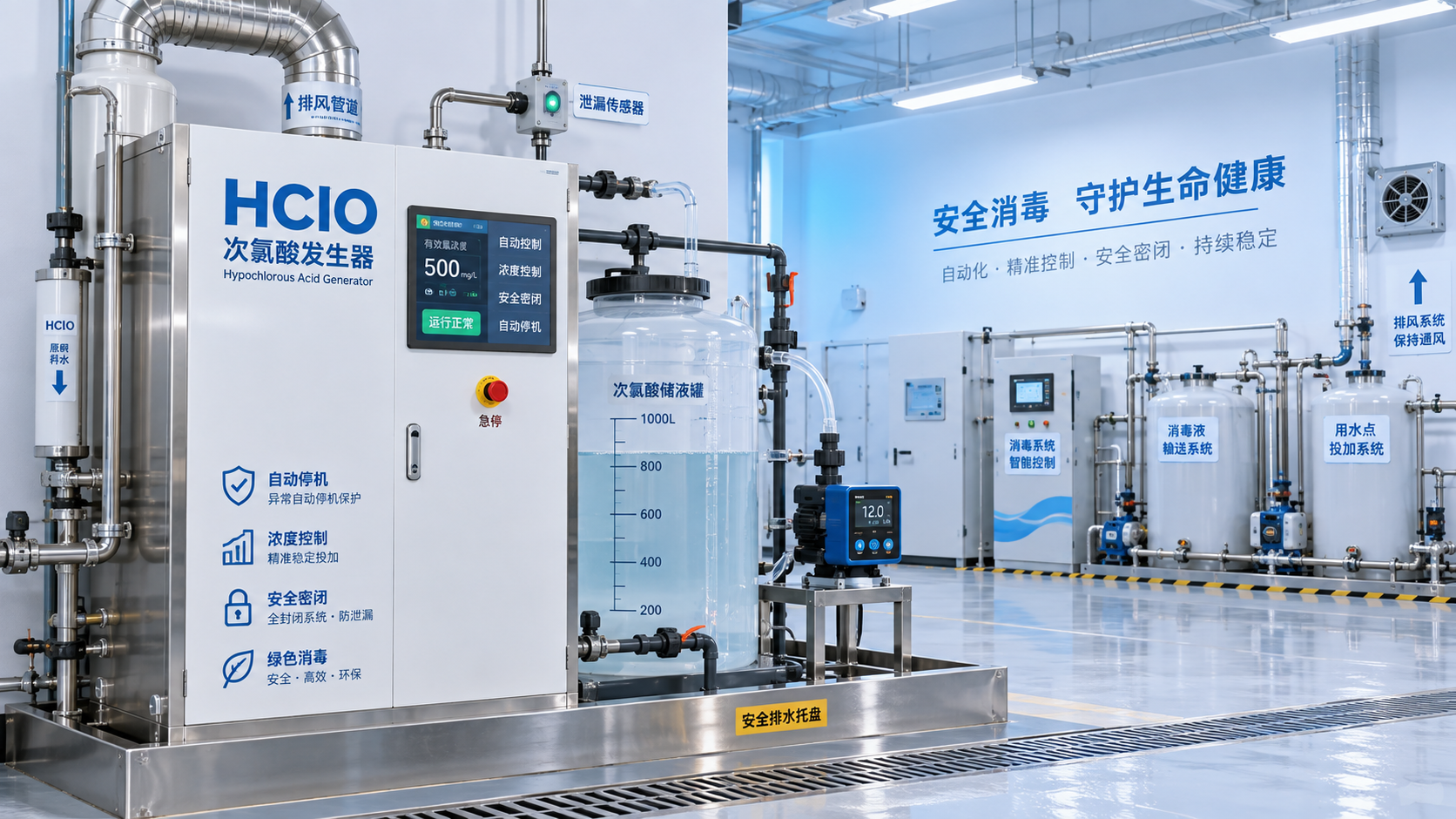
A hypochlorous acid generator turns salt, water, and electrical energy into a disinfecting solution that is widely used for hygiene control. In automated equipment and appliance manufacturing, this matters because disinfection is no longer limited to hospitals or industrial plants.
It now connects with kitchen and bathroom appliances, healthcare and sanitation devices, clean energy systems, and compact household products. For research and comparison work, the key is not only what the solution does, but how the generator works, what it needs, and how stable its output can be.
Why the technology is getting more attention
The rise of automated cleaning, touchpoint sanitation, and decentralized water treatment has made the hypochlorous acid generator more relevant. Equipment designers are looking for systems that can produce disinfectant on site instead of shipping and storing finished chemicals.
That shift supports safer handling, lower transport burden, and better integration into smart devices. It also fits companies that combine R&D, production, and operation across multiple appliance sectors, where one electrochemical platform may support several product lines.
What a hypochlorous acid generator actually does
In simple terms, a hypochlorous acid generator uses electrolysis. A salt solution passes through an electrolytic cell, and direct current drives chemical reactions at the electrodes.
Under controlled conditions, the reaction produces hypochlorous acid or related chlorine-based oxidants. The resulting solution can be used for surface disinfection, water sanitation, odor control, and process hygiene.
The quality of that solution depends on more than basic chemistry. Cell design, membrane choice, flow rate, current density, and feedwater quality all influence concentration, pH, oxidation-reduction potential, and long-term consistency.
Core working principle
Most systems begin with three inputs: water, sodium chloride, and electricity. The electrochemical cell then separates and converts ions to create an oxidizing solution with disinfecting capacity.
Some designs use a membrane or diaphragm to separate the anode and cathode chambers. This improves reaction control and helps manage by-products, especially when the target is a stable chlorine-based disinfectant rather than a mixed, less predictable output.
The main inputs that shape performance
Input quality has a direct effect on any hypochlorous acid generator. A low-cost unit can still underperform if the feed conditions are unstable.
In practice, a well-designed system treats these inputs as a control problem, not just a material list. That is especially important in automated equipment, where the generator must respond predictably during repeated cycles.
Understanding output range in real use
Output range does not refer only to how much liquid a system can produce per hour. It also includes concentration range, pH window, oxidation strength, and whether those values remain stable over time.
For example, a hypochlorous acid generator used in a compact household appliance may need lower-volume, tightly controlled output. A sanitation module for healthcare or water treatment may require higher throughput and longer duty cycles.
This is where electrolysis architecture matters. Systems built with chamber separation, recirculating electrolysis, and modular configuration often provide better process flexibility. In related chlorine-based disinfection applications, Diaphragm Electrolyzer designs are often considered because an ion-exchange barrier helps isolate reactions and improve efficiency.
What should be measured
- Available chlorine concentration across different operating loads
- pH stability during startup and continuous running
- Energy consumption per unit of useful output
- Response to feedwater or salt variation
- Maintenance interval, scaling tendency, and electrode durability
Where it fits in automated equipment
The hypochlorous acid generator is increasingly relevant where hygiene needs to be built into the machine itself. That includes bathroom sanitation modules, appliance self-cleaning systems, medical support devices, and water-related equipment.
In kitchen and small household appliances, the value often comes from compact integration and reliable dosing. In healthcare and disinfection equipment, the focus shifts toward validated output and operational traceability.
Clean energy and industrial crossover applications create another layer of interest. Electrolysis platforms share design logic across water treatment, chlor-alkali processes, hydrogen production, and chlorine-based disinfectant generation. That is why modular, highly integrated electrolyzer platforms can be strategically useful beyond a single end product.
How to judge a solution beyond headline claims
A useful comparison starts with process fit. Not every hypochlorous acid generator is designed for the same duty cycle, sanitation standard, or automation level.
- Check whether the output specification matches the actual disinfection target.
- Review how the cell handles continuous versus intermittent operation.
- Look for configuration flexibility if multiple appliances or industries are involved.
- Assess membrane or diaphragm selection based on chemistry and maintenance needs.
- Compare total operating cost, not only initial equipment price.
In scenarios that demand stronger separation control, a tubular or chambered electrolysis approach may offer practical advantages. A platform such as Diaphragm Electrolyzer can be relevant when the application extends from disinfectant generation into water treatment or acid-base recovery.
A practical next step for evaluation
The most useful next move is to map the required output to the real operating environment. That means defining concentration targets, runtime pattern, water conditions, automation level, and maintenance limits before comparing equipment.
From there, the hypochlorous acid generator becomes easier to assess as a process unit rather than a generic appliance component. A clear input-output framework usually reveals which design is suitable, which is oversized, and which may struggle in long-term service.
For any further review, focus on measurable performance, integration logic, and adaptability across application scenarios. Those factors usually matter more than broad marketing claims when selecting electrolysis-based disinfection technology.
NEWS
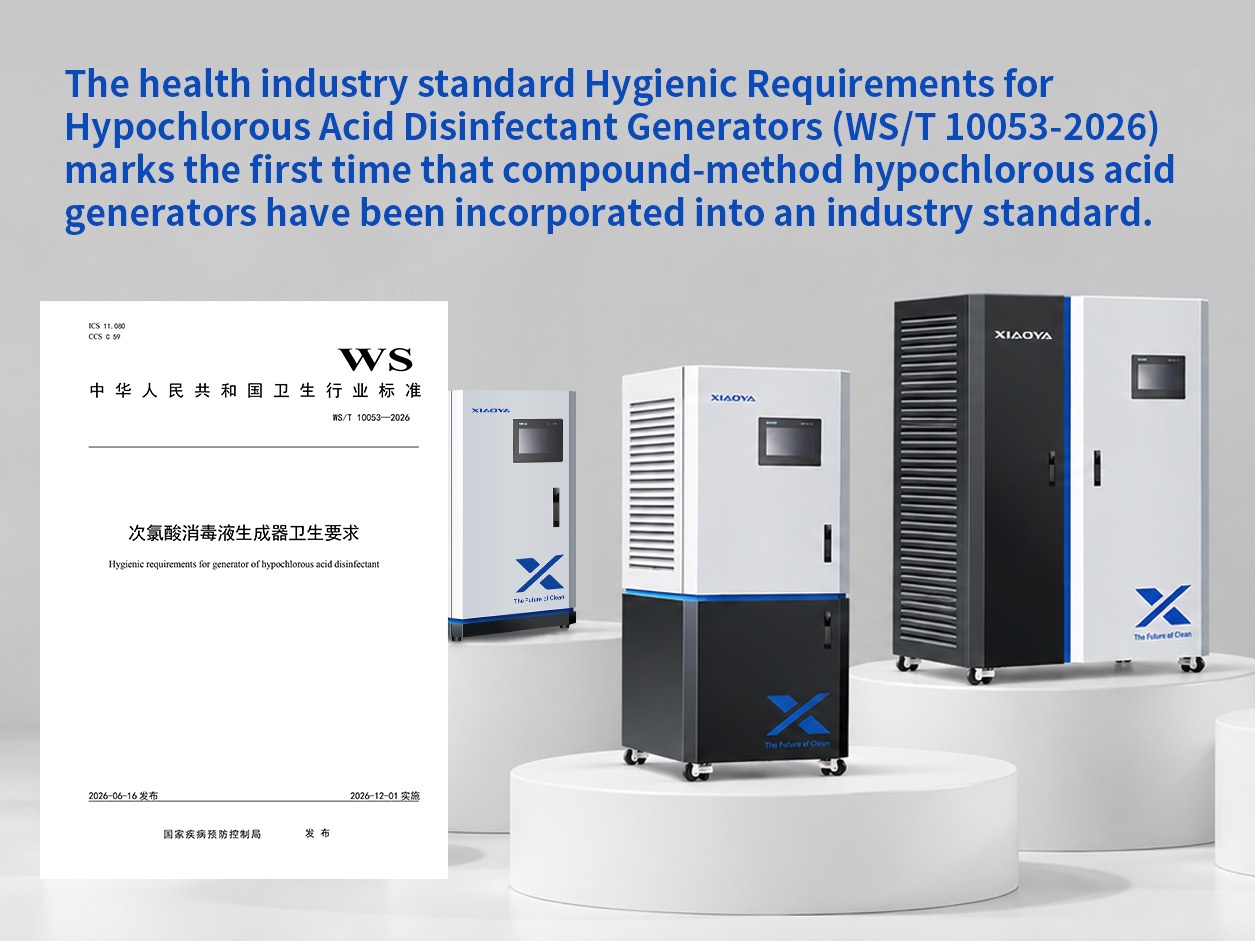
 WS/T 10053-2026 Includes the Compound Method for the First Time: Standard Signals and Market Opportunities for Mass Agricultural Production of Hypochlorous Acid Generators
 Evaluating HClO Generator Lifecycle Costs Beyond the Initial Equipment Price
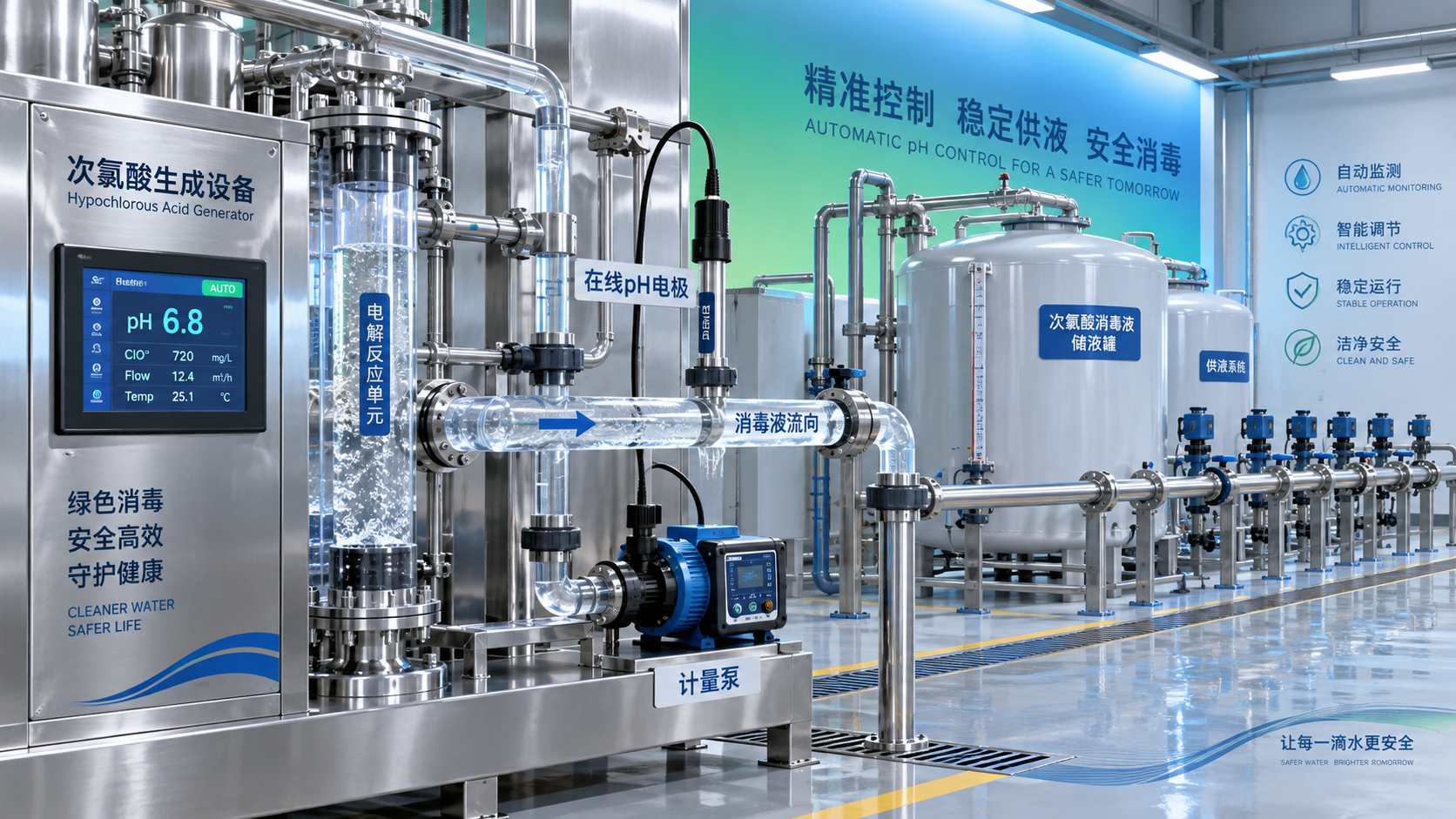
 HClO Generator pH Control: Why It Determines Disinfection Performance
- Which Safety Features Matter Most When Buying an HClO Generator?
 Troubleshooting Low ORP Readings on a Hypochlorous Acid Machine
Leave us a message

Xiaoya Group was founded in 1979,expert in the electrolyzed water industry.
Get in Touch
*We respect your confidentiality and all information are protected.