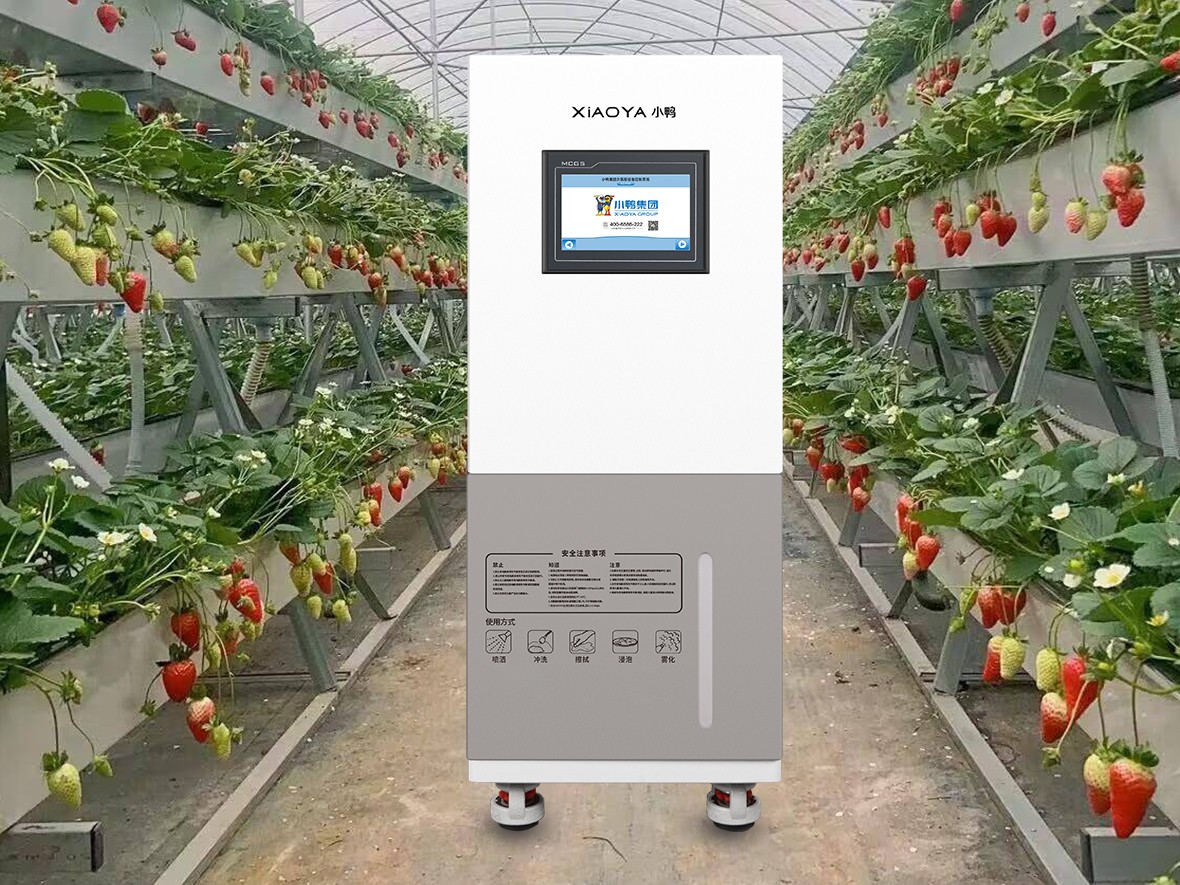
Residue-free disease control, solving continuous cropping challenges, and advancing green agricultural upgrades
As a high-value cash crop, strawberries grown in protected cultivation are highly susceptible to powdery mildew, gray mold, and root rot, with serious continuous cropping obstacles. Traditional chemical pesticides leave residues and easily induce resistance, constraining the green development of the industry. In recent years, weakly acidic hypochlorous acid water has been applied at scale in strawberry cultivation due to its broad-spectrum sterilization, safety, residue-free nature, and environmental friendliness. It has become a core technology for addressing industry pain points and improving quality and efficiency. Data from multiple demonstration bases show that this technology can reduce pesticide use by 30%–70%, increase survival rates by over 10%, and extend post-harvest shelf life by more than 30%.
Precise Disease Control, Building a Safe Growth Barrier
The high-humidity, enclosed environment during strawberry growth favors fungal and bacterial diseases. Hypochlorous acid water, with its strong oxidizing action, inactivates 99.9% of pathogens within 5–10 minutes without causing resistance.
l Seedling protection: Soaking seeds in 20–30 ppm hypochlorous acid water, or atomizing seedling beds and trays with 50 ppm solution, effectively prevents the spread of anthracnose, Verticillium wilt, and damping-off. Practice by cooperatives in Qingpu, Fengxian, Shanghai, shows that seedling survival rates have risen from below 70% to over 80%.
l Growth-stage disease control: From flowering to fruit expansion, spraying 30–50 ppm weakly acidic hypochlorous acid water (pH 5.5–6.5) significantly controls powdery mildew and gray mold, keeping spore germination rates below 10%. Drip irrigation with 10–20 ppm solution controls root rot and bacterial wilt, reducing plant mortality.
l Post-harvest preservation: Washing fruits with 50–100 ppm hypochlorous acid water inhibits surface microbial growth, extends shelf life, and allows for immediate consumption with no residues.
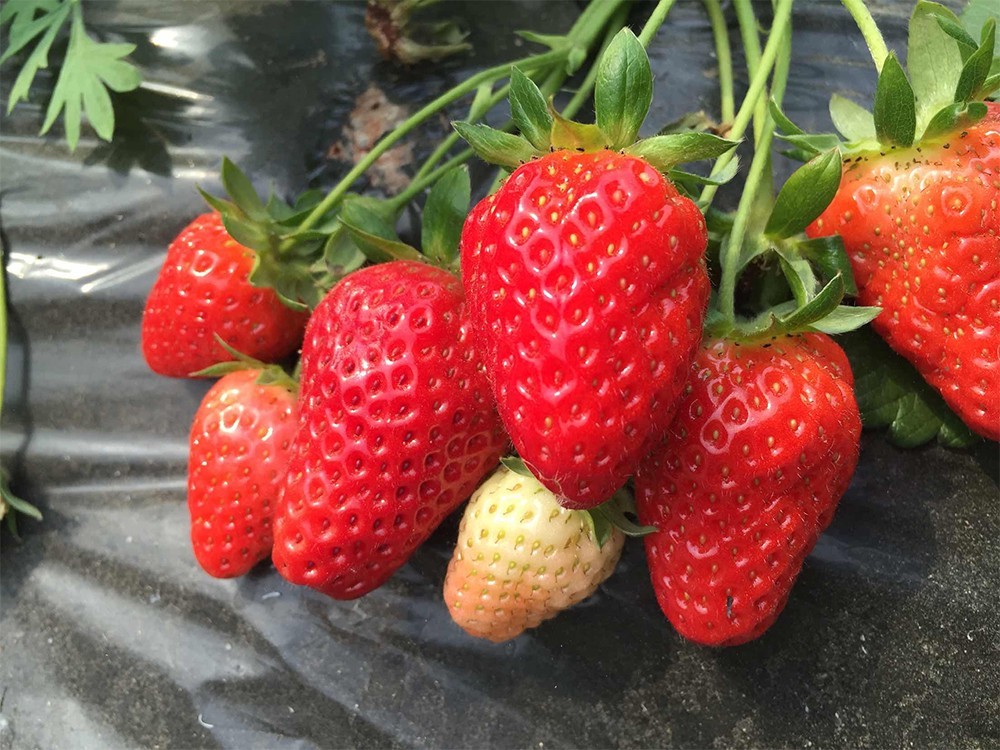
Soil Improvement, Solving Continuous Cropping Challenges
Continuous strawberry cropping leads to accumulation of soilborne pathogens, deterioration of soil physicochemical properties, and reduction of beneficial microorganisms, severely affecting yield and quality. Hypochlorous acid water offers clear advantages in soil disinfection and microecological restoration:
l Disinfection and pathogen reduction: Drenching or injecting 50–100 ppm hypochlorous acid water into the soil kills Fusarium spp., Botrytis cinerea, and root-knot nematodes, reducing the inoculum of soilborne diseases.
l Microecological optimization: Adjusts soil pH, increases the activity of acid phosphatase and cellobiohydrolase, promotes soil aggregate formation, suppresses harmful microbe proliferation, and supports root development.
l Safety and environmental protection: Breaks down into water, oxygen, and trace salts—no chemical residues, no damage to soil fertility, aligning with green and organic farming standards.
Cost Reduction, Efficiency Gain, Quality Improvement, Boosting Green Industry Upgrade
The full-chain application of hypochlorous acid technology in strawberry cultivation delivers both ecological and economic benefits:
l Quality upgrade: Reduced pesticide use results in uniform fruit shape, intact bloom, and enhanced sweetness. The marketable fruit rate exceeds 95%, meeting high-end market and export standards.
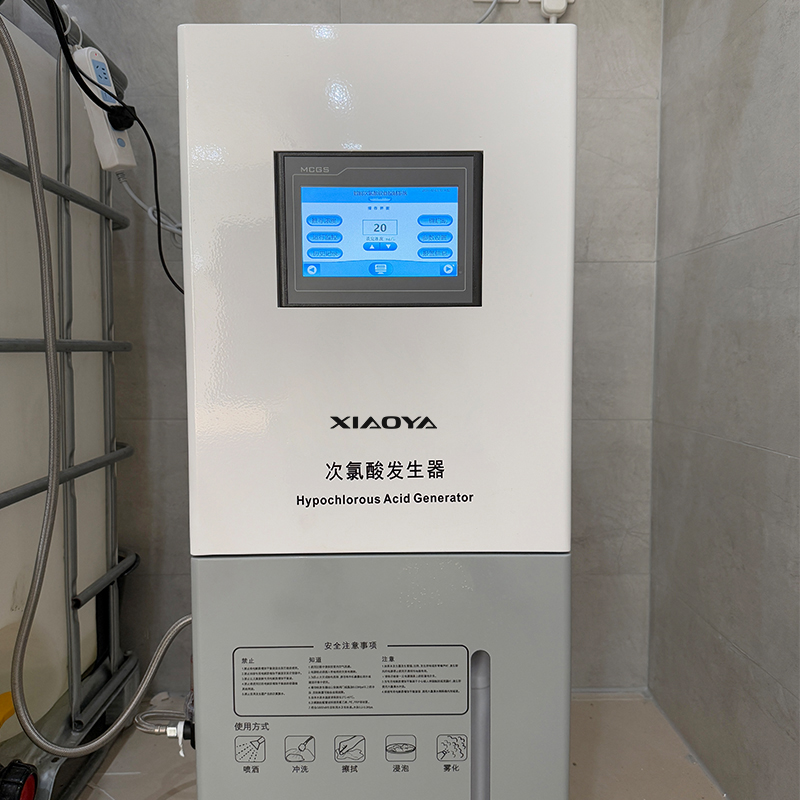
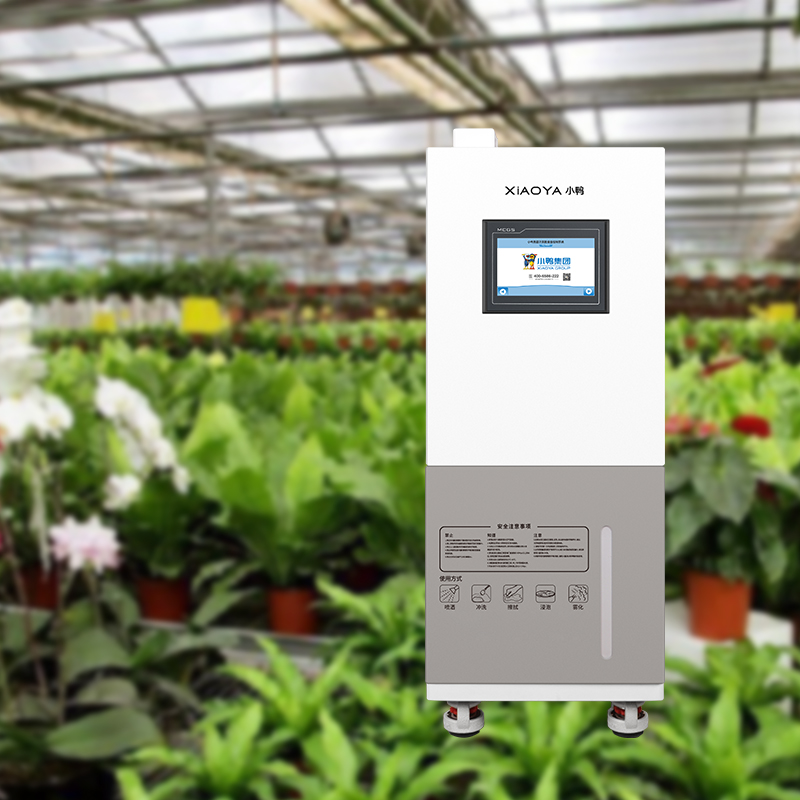
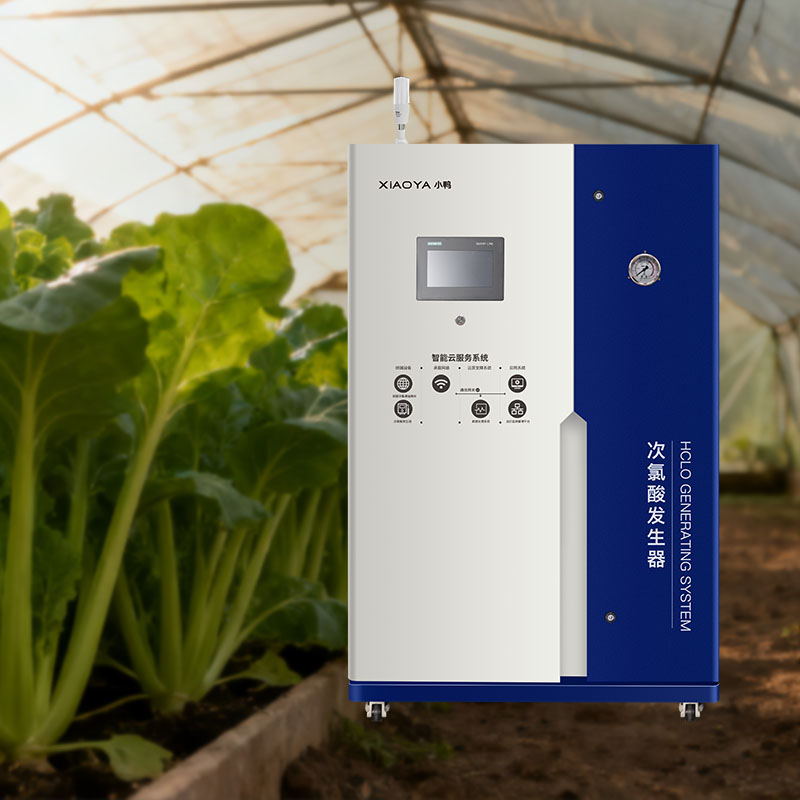
l Cost optimization: On-site generation of hypochlorous acid water costs as low as RMB 0.3 per ton. Overall costs are reduced by 50%–70% compared with traditional pesticides. For medium-sized farms, equipment payback period is only 1.2 growing seasons.
l Policy alignment: Responds to the Ministry of Agriculture and Rural Affairs’ call for “reducing chemical fertilizers and pesticides,” facilitating the transition of strawberry cultivation toward green, standardized, and sustainable practices, and promoting high-quality industry development.
Key Technical Application Points
To ensure effectiveness, key parameters must be strictly controlled: Concentration – 20–50 ppm for foliar spray, 50–100 ppm for root drench, 50–100 ppm for post-harvest washing; pH – maintain 5.5–6.5 (weakly acidic) for maximum germicidal activity; Application timing – use before disease onset or at early stages, avoid midday heat, safe to apply during flowering and young fruit stages.
As the green development of agriculture accelerates, hypochlorous acid water will be increasingly adopted in other cash crops, injecting new momentum into the sustainable development of modern agriculture.
NEWS
 Upgrade in Healthy Living: Hypochlorous Acid Generators Become the New Standard for Luxury Villas
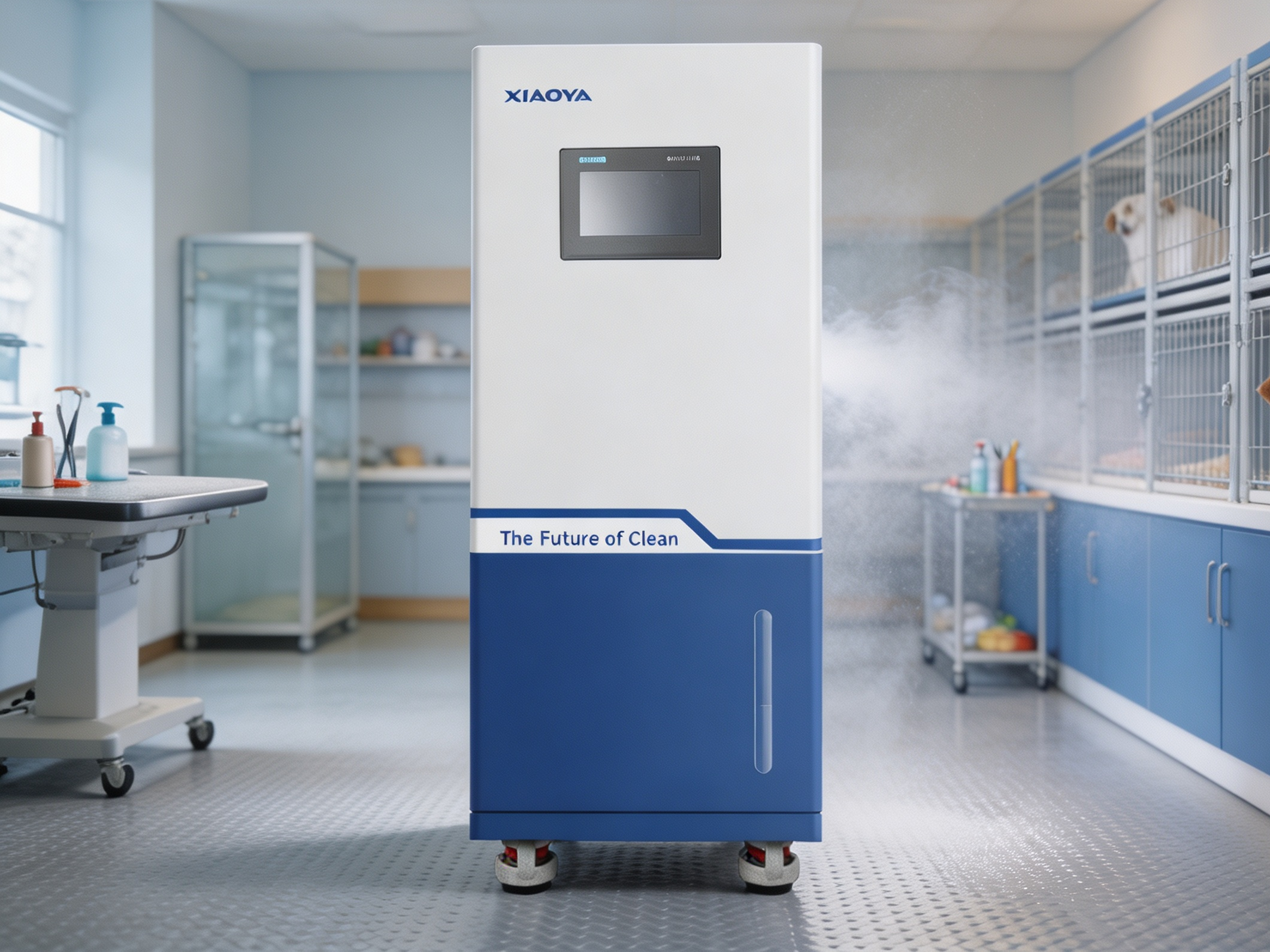
- The Ultimate Solution to Pet Shop Disinfection Challenges! XIAOYA Hypochlorous Acid Generator: Safe Pet Protection with Peace of Mind
 Hypochlorous Acid Generator vs Sodium Hypochlorite Generator
- Hypochlorous Acid Generator Supplier
- Hypochlorous Acid Generator Manufacturer
Leave us a message

Xiaoya Group was founded in 1979,expert in the electrolyzed water industry.
Get in Touch
*We respect your confidentiality and all information are protected.