news
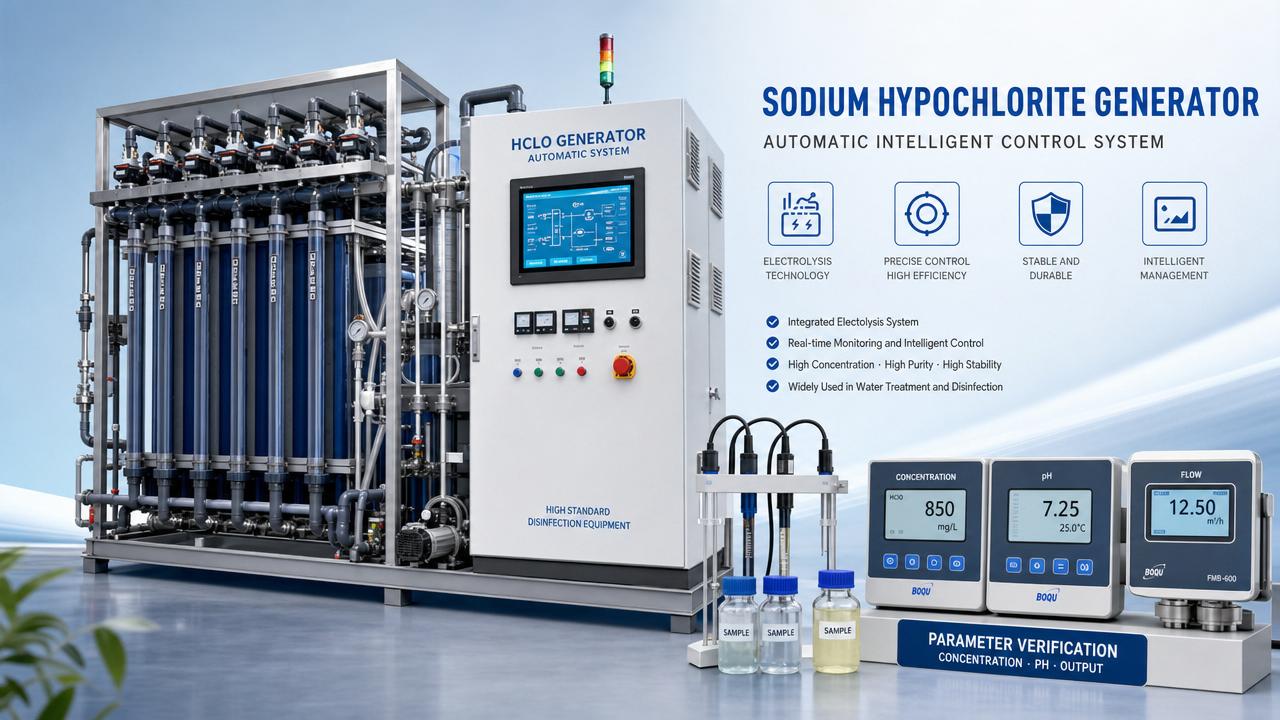
How to Read Hypochlorous Acid Machine Specs Before Comparing Suppliers
Before comparing suppliers, buyers need to understand what hypochlorous acid machine specifications really mean.
A spec sheet is not just technical paperwork.
It shows performance limits, operating costs, safety level, and long-term maintenance risk.
In automation equipment sourcing, small misunderstandings often become expensive mistakes after installation.
This guide explains how to read a hypochlorous acid machine spec sheet with more confidence and better judgment.
Start With the Output, Not the Sales Pitch
The first thing to check is output concentration.
For any hypochlorous acid machine, available chlorine concentration directly affects disinfection strength and use flexibility.
Some suppliers highlight only a high maximum number.
That sounds impressive, but the real question is whether the machine can keep concentration stable during continuous operation.
Also check the adjustment range.
A broader range gives more room for different cleaning, sanitation, and medical disinfection tasks.
- Ask for the working concentration range, not only the peak value.
- Confirm whether the test result is measured under real load.
- Check if concentration remains stable over time.
- Match the output to your actual disinfection standard.
Production Capacity Affects Workflow More Than Expected
The second key parameter is production capacity, usually shown in liters per hour.
This tells you how much disinfectant solution the hypochlorous acid machine can generate within a fixed period.
Capacity should fit peak demand, not average demand.
In real operations, demand usually rises during shift changes, cleaning cycles, or outbreak control periods.
If capacity is too low, staff may store extra solution in advance.
That can reduce freshness and weaken the operational value of on-site generation.
For example, Hypochlorous acid generator for medical disinfection offers a generation capacity of 1000 L/h, with customization available.
That matters when a facility needs both stable output and room for future demand growth.
Read pH and Active Ingredient Together
Many buyers look at chlorine concentration, then stop there.
That is only part of the picture.
A hypochlorous acid machine should also be judged by pH value and the main bactericidal factor.
These two indicators affect efficiency, safety, and material compatibility.
When the main bactericidal factor is true hypochlorous acid and pH stays in a suitable range, disinfection tends to be more effective.
It may also be less irritating in sensitive environments such as clinics or rehabilitation centers.
- Verify the pH value on the official spec sheet.
- Confirm the primary active component is hypochlorous acid.
- Ask whether by-products are generated during operation.
- Request testing records if the application is medically sensitive.
Power, Water, and Pressure Tell You the Real Installation Cost
A hypochlorous acid machine may look competitive on unit price but expensive in installation.
This is where utility requirements become important.
Check rated voltage, frequency, rated power, inlet water pressure, and electrolyte tank capacity.
These numbers help estimate whether your site is ready or needs upgrades.
For multi-site procurement, compatibility with standard utilities reduces rollout friction.
In practice, this can matter more than a small difference in quoted machine price.
An equipment manufacturer with strengths across kitchen and bathroom appliances, health care and disinfection appliances, clean energy, and small household appliances often brings broader engineering experience to these integration details.
Materials and Component Life Protect Total Cost of Ownership
Do not ignore material compatibility.
A hypochlorous acid machine works in a chemically active environment.
If pipes, fittings, seals, or tanks are poorly selected, maintenance frequency increases fast.
That is why corrosion resistance and acid-alkali resistance are not minor details.
Also pay close attention to the service life of the electrolyzer and other core parts.
A lower-priced system may become costly if replacement cycles are short.
- Ask what materials contact the solution directly.
- Request the expected life of the electrolyzer.
- Check spare part supply and lead time.
- Compare maintenance intervals, not just machine price.
Control Systems Now Matter in Supplier Comparison
Modern procurement decisions increasingly include digital control capability.
This is especially true in automation equipment projects.
A hypochlorous acid machine with PLC control, sensor feedback, and remote monitoring is easier to manage at scale.
It also helps reduce operator error and improve traceability.
More suppliers now mention smart features, but the depth of integration differs a lot.
The better question is not whether a feature exists, but how it improves daily operation.
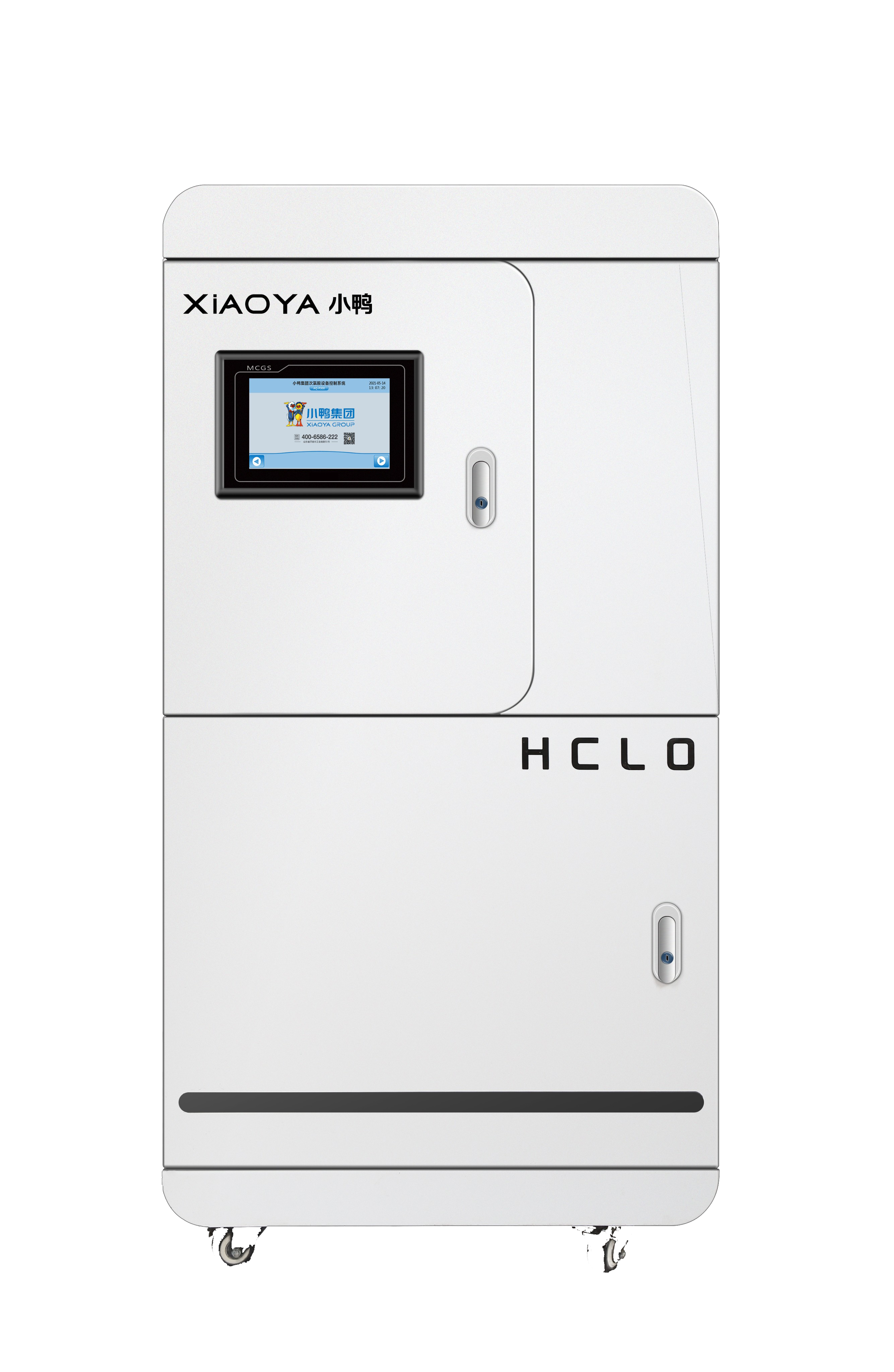
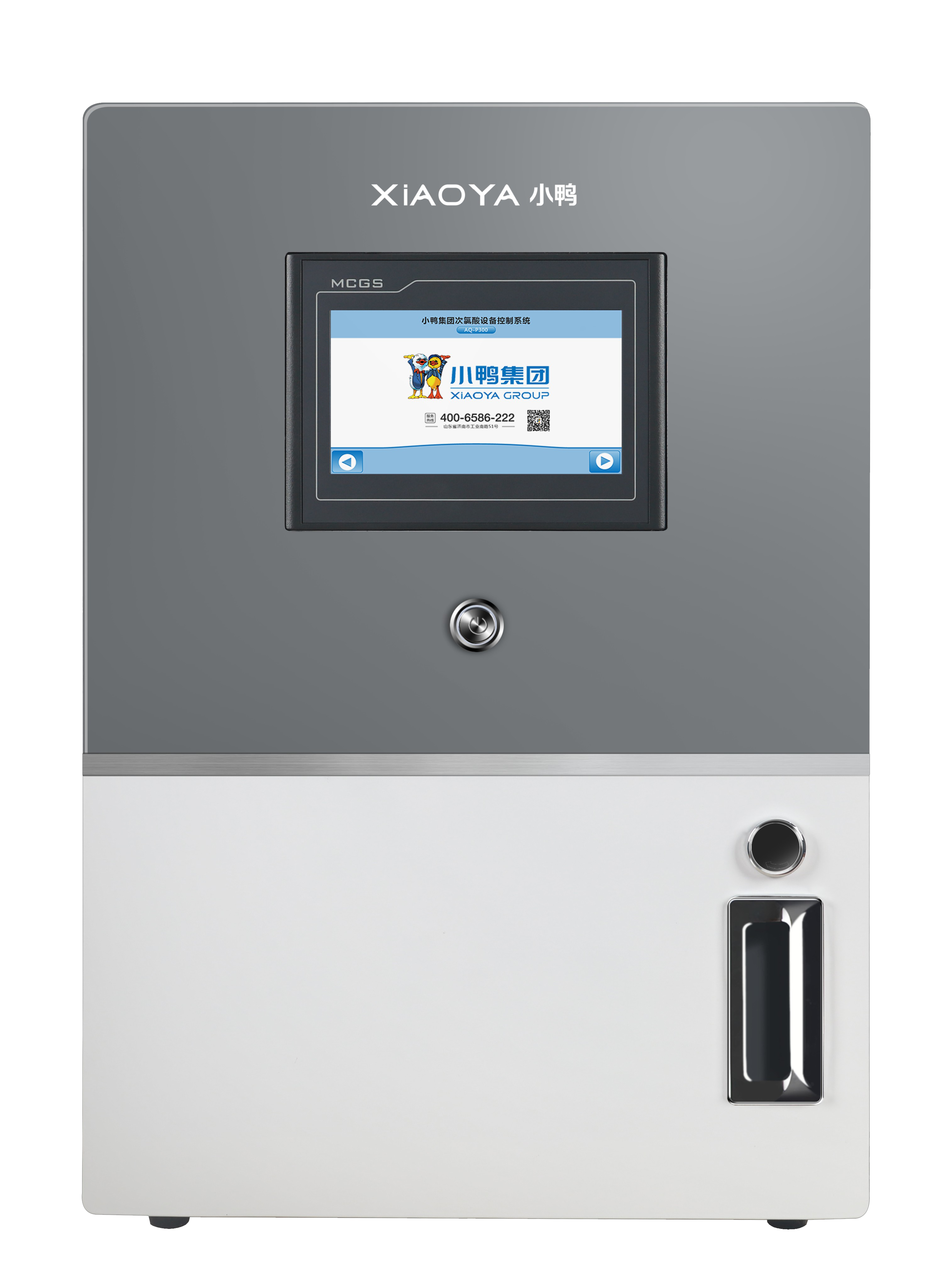
One example is the AQ-P1000, which uses a Siemens PLC control system, touch screen operation, and can support 4G and IoT modules.
That combination is useful when remote supervision and sensor-based control are part of the sourcing criteria.
Certifications and Safety Claims Need Proof
Safety language in brochures is often vague.
Terms like non-toxic, residue-free, or medical-grade sound good, but they need evidence.
For a hypochlorous acid machine, ask for disinfection qualification, test reports, and any application-specific certification.
This becomes even more important in hospitals, clinics, and physical examination centers.
Risk control is stronger when technical claims match formal documentation.
A Simple Checklist Before You Compare Suppliers
Before requesting final quotes, use one comparison framework for every hypochlorous acid machine candidate.
- Confirm concentration range and output stability.
- Match liters per hour to peak site demand.
- Review pH, active ingredient, and by-product profile.
- Check power, water pressure, and installation conditions.
- Verify material durability and core component life.
- Assess PLC, sensors, remote access, and data visibility.
- Request certifications and after-sales support details.
A strong supplier comparison starts with reading the spec sheet correctly.
That approach reduces confusion, improves negotiation, and protects total project value.
If a hypochlorous acid machine looks attractive, test every claim against operating reality.
That is usually where the best sourcing decision becomes clear.
NEWS
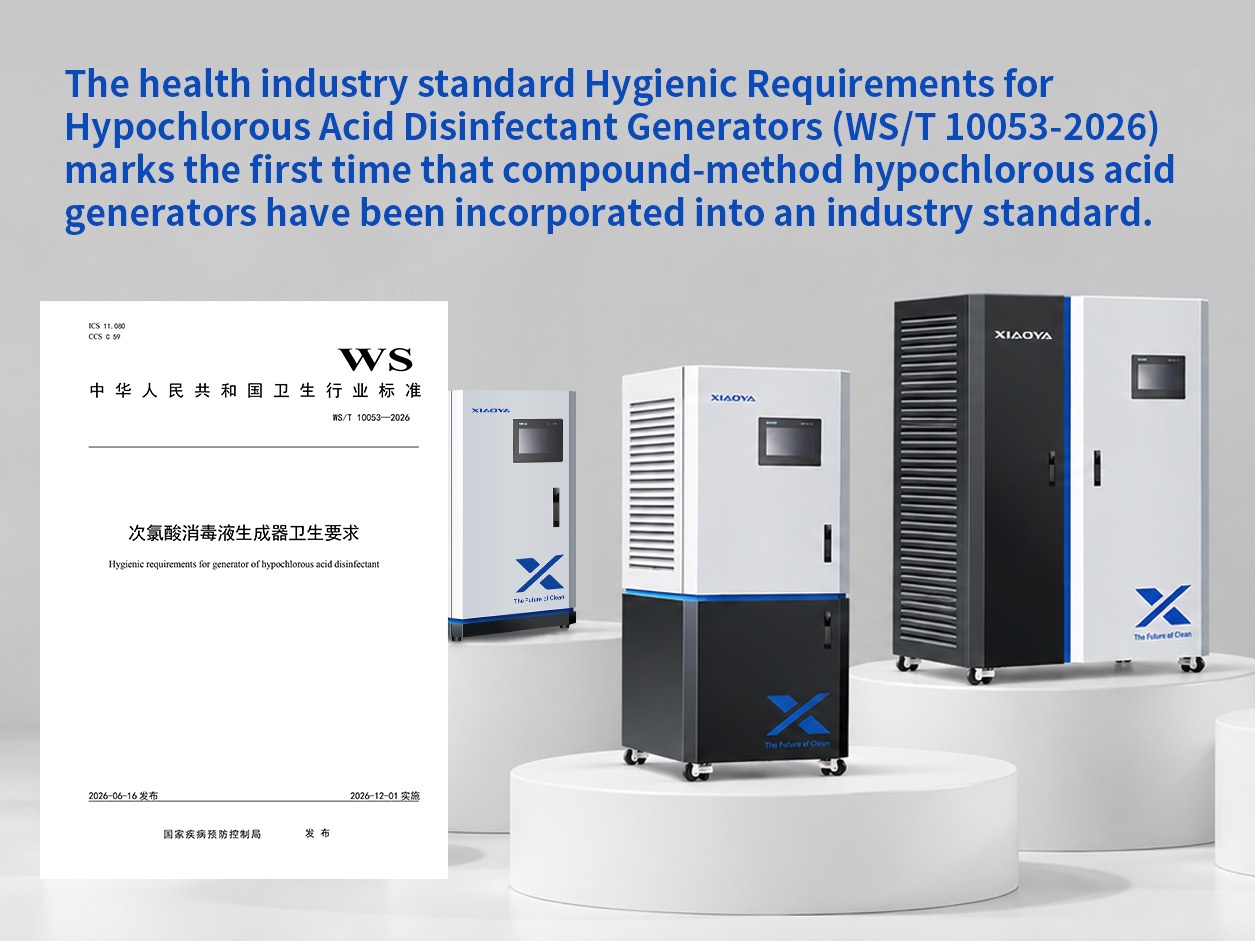
 WS/T 10053-2026 Includes the Compound Method for the First Time: Standard Signals and Market Opportunities for Mass Agricultural Production of Hypochlorous Acid Generators
 Evaluating HClO Generator Lifecycle Costs Beyond the Initial Equipment Price
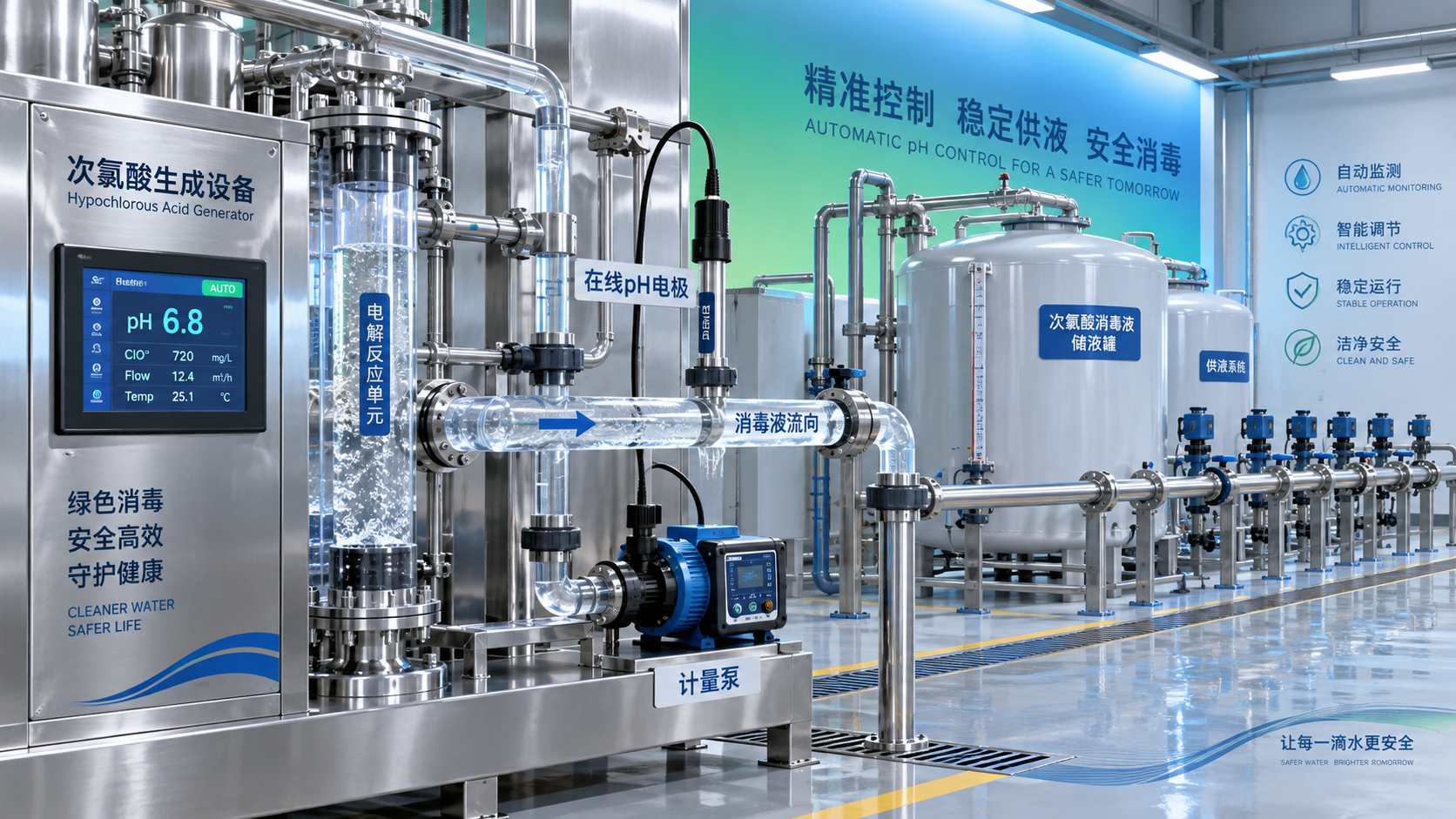
 HClO Generator pH Control: Why It Determines Disinfection Performance
- Which Safety Features Matter Most When Buying an HClO Generator?
 Troubleshooting Low ORP Readings on a Hypochlorous Acid Machine
Leave us a message

Xiaoya Group was founded in 1979,expert in the electrolyzed water industry.
Get in Touch
*We respect your confidentiality and all information are protected.