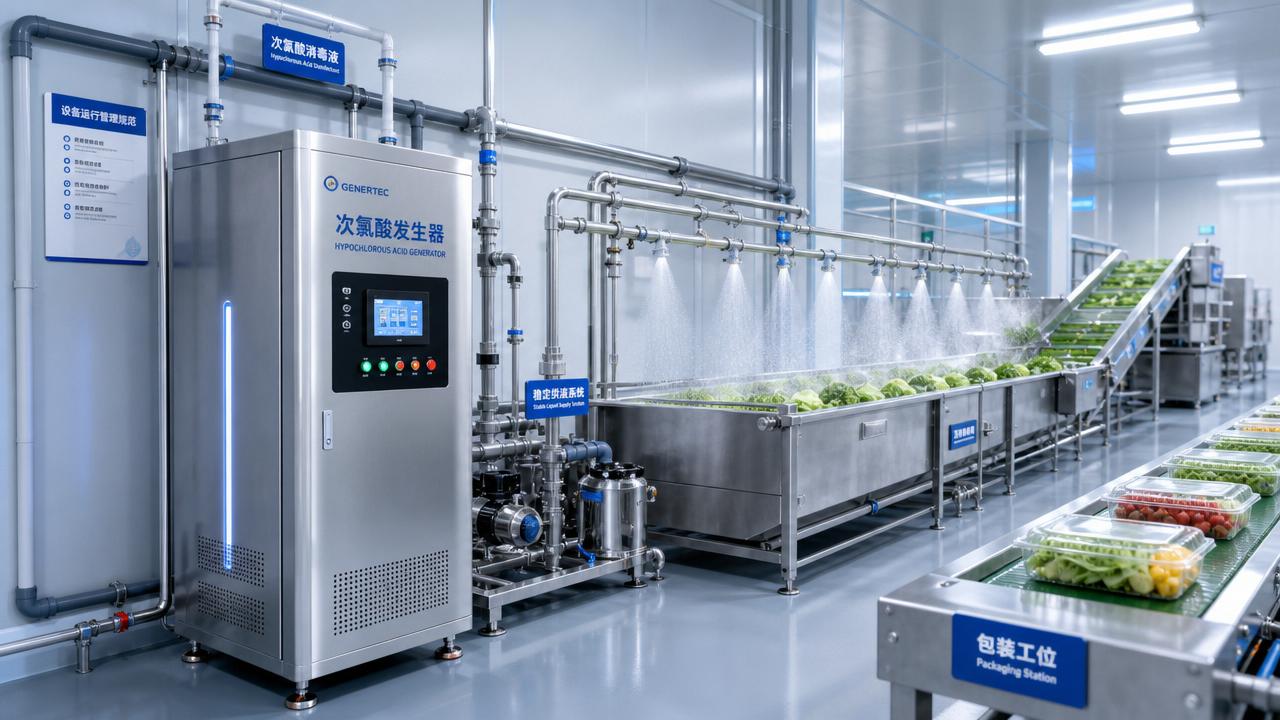
In modern food processing, safety, efficiency, and hygiene are no longer optional—they are essential for long-term competitiveness. Installing Hypochlorous Acid (HClO) Generators in food processing plants offers a smart, automated solution for stronger sanitation control, lower chemical reliance, and improved operational consistency. As automation equipment continues to reshape industrial standards, understanding the top 10 benefits of this technology can help manufacturers enhance product quality, regulatory compliance, and production reliability.
Why are more food processing plants installing HClO generators?
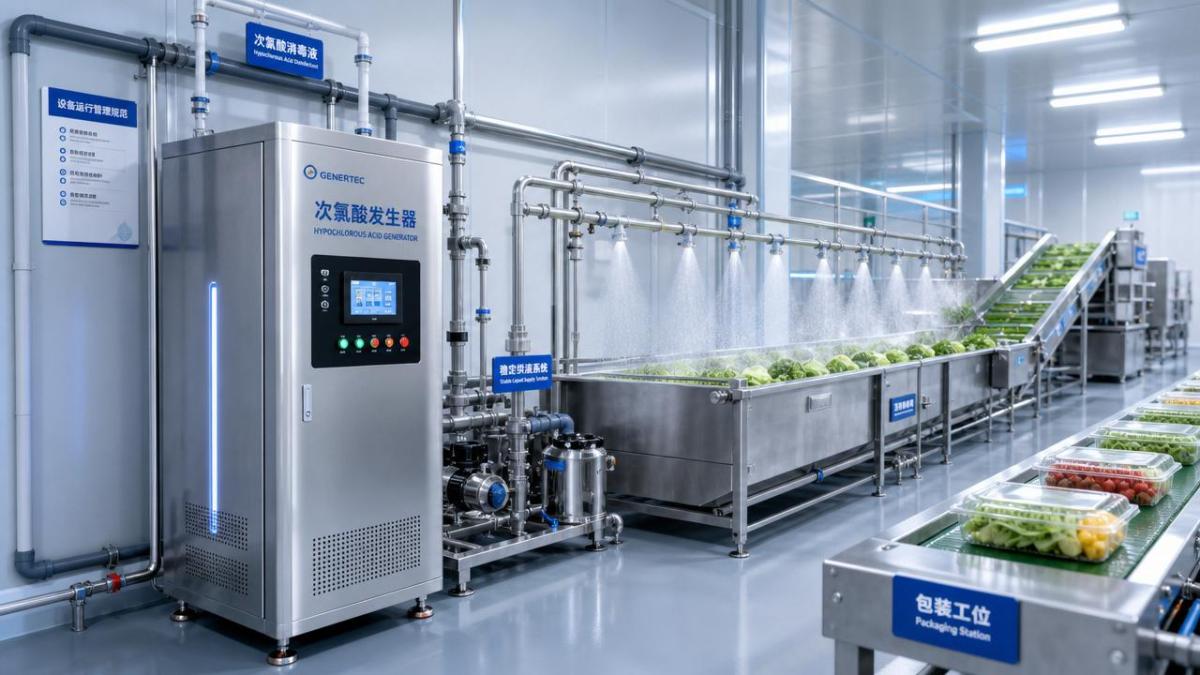
Food processors are under pressure from stricter hygiene audits, labor shortages, rising chemical costs, and higher expectations for traceable sanitation. An automated hypochlorous acid generation system addresses these issues at the source by producing a food-contact disinfection solution on site.
For manufacturers working across kitchen and bathroom appliances, health care and disinfection appliances, clean energy, and small household appliances, integrated R&D, production, and operation capabilities matter. That background supports better system design, stable equipment manufacturing, and faster adaptation to industrial sanitation needs.
- On-site generation reduces dependence on transported chemicals and lowers storage risk.
- Automated dosing improves sanitation consistency across shifts and production lines.
- Mildly acidic HClO is widely recognized as effective against many surface microorganisms while remaining suitable for food-contact applications when properly managed.
Top 10 benefits of installing Hypochlorous Acid (HClO) Generators
1. Stronger sanitation control
HClO supports routine cleaning and disinfection of conveyors, sorting areas, wash tanks, preparation tables, and packaging zones. It helps plants standardize sanitation performance instead of relying only on manual mixing accuracy.
2. Lower chemical handling risk
Traditional disinfectants often create handling, storage, and transport concerns. Generating solution on demand reduces bulk inventory and simplifies plant-side chemical management.
3. Better automation compatibility
HClO generators can be integrated with spray, fogging, soaking, circulation, or CIP-related sanitation workflows. This fits modern automation equipment strategies focused on repeatability and lower labor dependence.
4. More stable product quality
Cleaner process environments help reduce contamination variability. That consistency matters in fresh produce, ready-to-pack lines, and export-oriented operations where rejection costs are high.
5. Reduced residue concerns
When selected and applied correctly, hypochlorous acid systems are valued for food-grade sanitation scenarios that demand effective microbial control without heavy chemical residue burdens.
6. Improved compliance readiness
Food processing plants must document sanitation procedures clearly. Automated generation makes concentration management, operating parameters, and workflow standardization easier to verify during internal reviews or customer audits.
7. Lower operating waste
Because the solution is generated according to demand, over-preparation and expired chemical waste can be reduced. This is especially useful for plants with variable seasonal throughput.
8. Broader application flexibility
A single platform can support raw material washing, equipment surface disinfection, crate sanitation, cold storage hygiene, and certain fresh-keeping processes, depending on plant design and process validation.
9. Support for fresh produce shelf-life management
In fruit and vegetable processing, HClO is not only used for microbial reduction. It can also support post-harvest handling workflows intended to lower decay pressure and improve storage consistency.
10. Scalable return for growing plants
As food businesses expand, modular automation equipment is easier to scale than fully manual sanitation routines. A properly sized generator can grow with line extensions, storage additions, and new application points.
Where does an HClO generator create the most value?
The right installation point depends on product type, contamination risk, line speed, and sanitation frequency. The table below shows how food processing plants typically map HClO generator value by application scenario.
These scenarios are particularly relevant for fruit and vegetable planting bases, processing workshops, cold storage centers, wholesale channels, and export processing zones that need one sanitation technology across multiple nodes.
What should buyers compare before selecting a system?
Many procurement teams focus only on purchase price. In reality, output range, pH stability, concentration control, electrical compatibility, service life, and application fit have a bigger effect on long-term value.
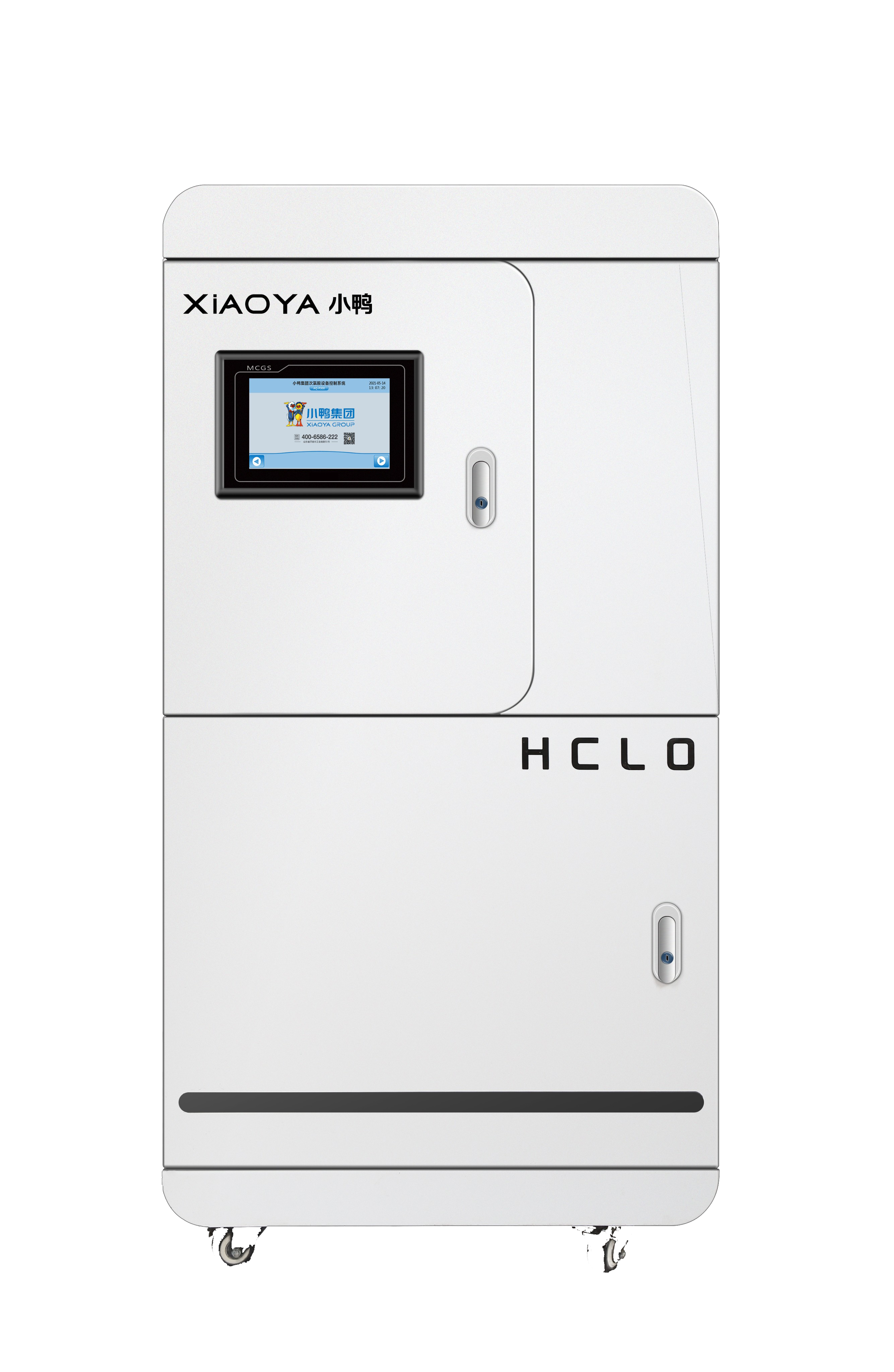
For produce-oriented operations, Hypochlorous Acid Generator for Fruit Fresh-keeping is one example of a system designed for industrial use. It uses electrolysis to generate slightly acidic hypochlorous acid water for sterilization and fresh-keeping across soaking, spraying, and atomization workflows.
How do technical parameters affect real plant performance?
Technical data should never be read in isolation. Buyers need to connect specifications to shift patterns, water conditions, process layout, and sanitation targets.
- A generation capacity of 120–300 L/h can suit medium-duty sanitation or fresh produce treatment points, depending on dosing mode and cycle time.
- A pH range of 5.0–6.5 is aligned with slightly acidic hypochlorous acid production, often preferred for food-contact sanitation tasks.
- An effective chlorine concentration range of 10–200 mg/L allows process matching for different fruit, vegetable, and equipment sanitation requirements.
- Rated voltage 220/50 and power 420 W are practical figures to verify during utility planning, especially for retrofit projects.
The AQ-P300-A model is also relevant for sites that need compact installation with industrial durability, including fruit processing workshops, cold chain links, wholesale markets, and export zones.
Common procurement mistakes and how to avoid them
Mistake 1: Buying by price only
A cheaper unit may fail to meet daily demand, forcing manual supplementation and creating sanitation gaps. Always compare cost against throughput, service life, and maintenance frequency.
Mistake 2: Ignoring water and workflow conditions
Inlet water pressure, electrolyte management, drainage design, and application method all influence real output quality. Site assessment should come before final model confirmation.
Mistake 3: Overlooking multi-scenario use
Many plants need one HClO generator for both sanitation and produce handling. Choosing a system with customized concentration and flexible delivery methods protects future expansion.
FAQ: what do food processors ask before installation?
How do I know whether an HClO generator fits my plant?
Start with usage mapping: daily treated volume, number of sanitation points, process type, and required concentration range. Then confirm utility conditions such as power supply, water pressure, and installation space.
Which food processing scenarios benefit most?
Fresh produce lines, wash-and-pack facilities, cold storage centers, and food-contact surface sanitation zones are strong candidates. Plants with export requirements or frequent hygiene audits also benefit from better parameter control.
What should I confirm with the supplier?
Ask about concentration customization, maintenance intervals, electrolyzer replacement expectations, operator training, spare parts support, and whether the system can match your spray, soaking, or atomization method.
Is one system enough for both sterilization and fresh-keeping?
In many fruit and vegetable applications, yes—if the equipment supports adjustable output and the process is validated. This is where a specialized Hypochlorous Acid Generator for Fruit Fresh-keeping can be useful for integrated sanitation and post-harvest handling.
Why choose us for automated HClO generation solutions?
Food processing plants need more than a single machine. They need a supplier that understands automation equipment, industrial production realities, and sanitation application details. With strengths in R&D, production, and operation across appliance and disinfection-related industries, we can support practical solution planning instead of generic recommendations.
- Parameter confirmation based on your actual line capacity, sanitation points, and target concentration range.
- Model selection advice for fruit and vegetable processing, cold storage, logistics, and export-oriented handling scenarios.
- Delivery cycle discussion for standard and customized configurations.
- Support for customized output, application method matching, and utility planning.
- Quotation communication, sample discussion, and technical data review for procurement teams.
If you are comparing Hypochlorous Acid (HClO) Generators for a food processing plant, contact us with your application scenario, required capacity, and process flow. We can help you assess suitable parameters, evaluate installation feasibility, and build a more reliable sanitation solution for long-term production performance.
NEWS
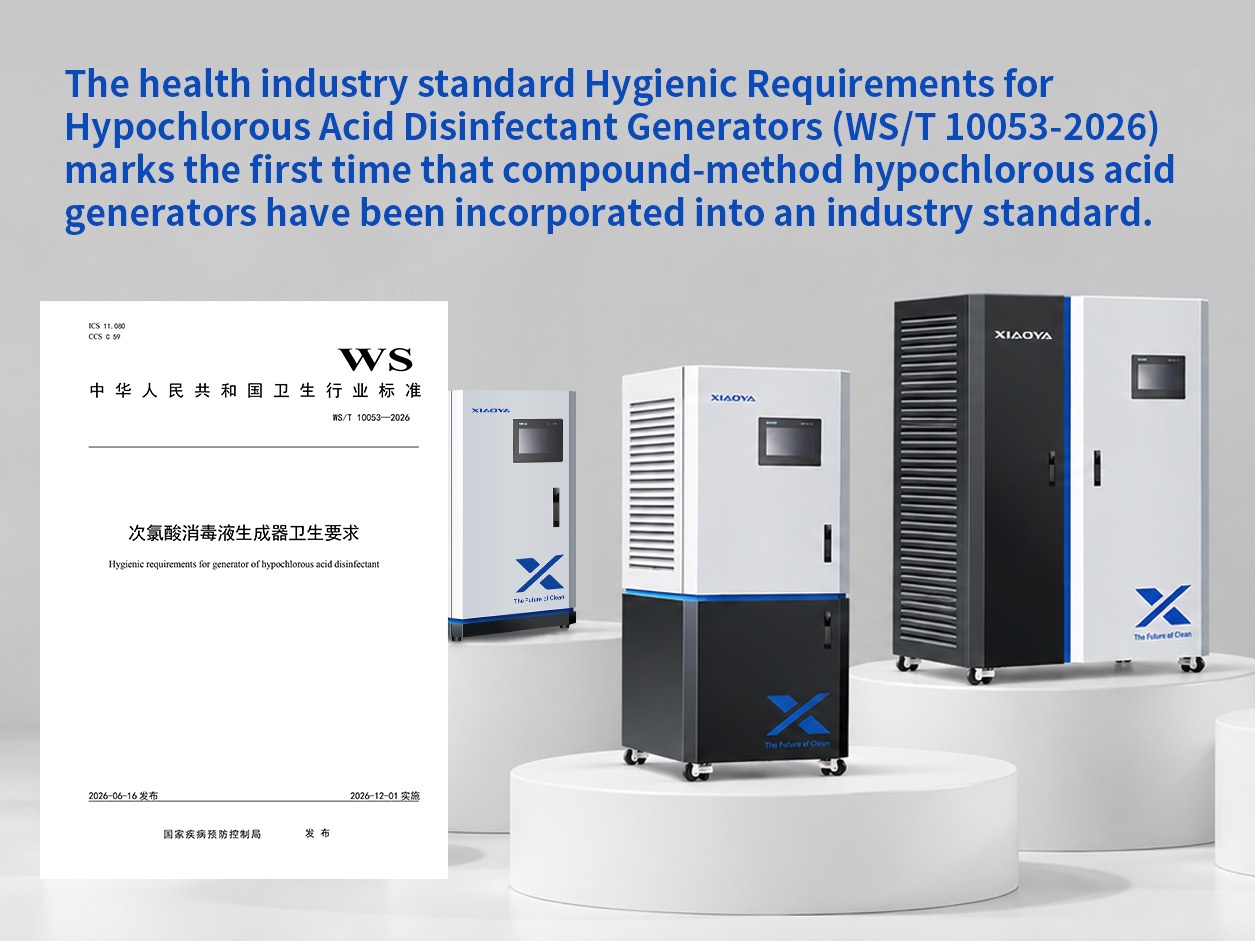
 WS/T 10053-2026 Includes the Compound Method for the First Time: Standard Signals and Market Opportunities for Mass Agricultural Production of Hypochlorous Acid Generators
 Evaluating HClO Generator Lifecycle Costs Beyond the Initial Equipment Price
 HClO Generator pH Control: Why It Determines Disinfection Performance
- Which Safety Features Matter Most When Buying an HClO Generator?
 Troubleshooting Low ORP Readings on a Hypochlorous Acid Machine
Leave us a message

Xiaoya Group was founded in 1979,expert in the electrolyzed water industry.
Get in Touch
*We respect your confidentiality and all information are protected.