news
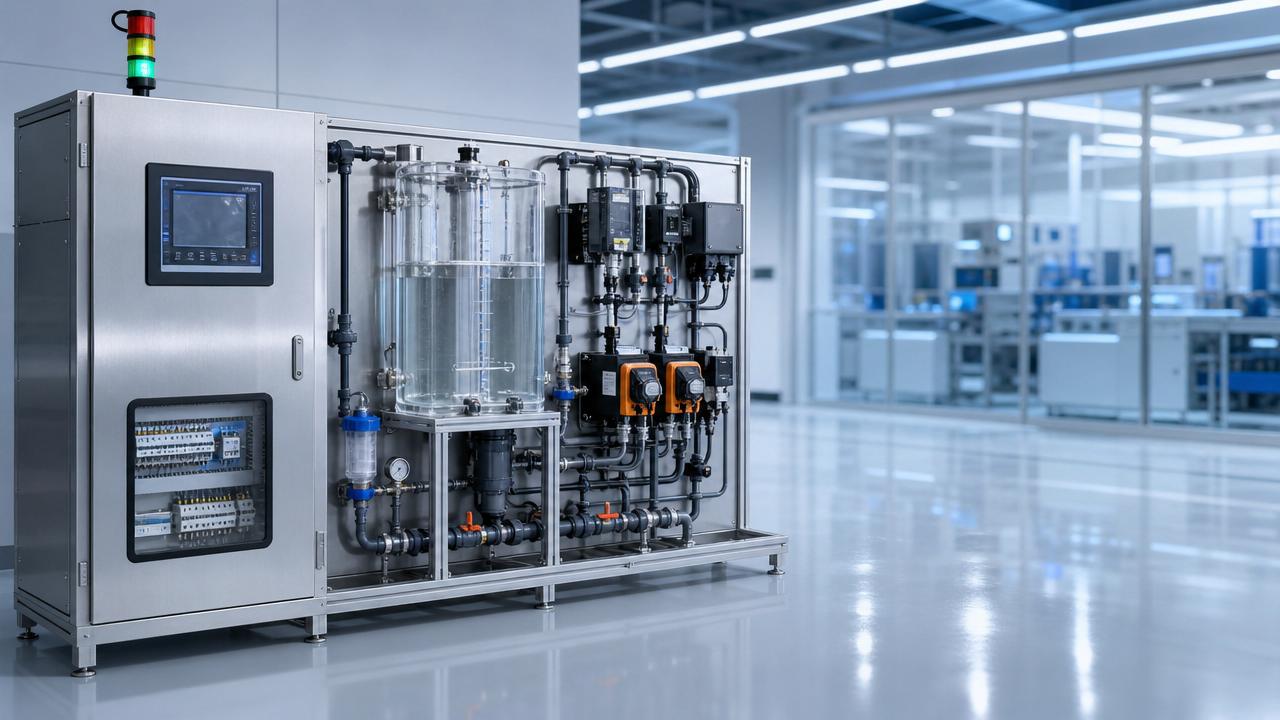
Modern hypochlorous acid generator systems are transforming how homes, healthcare spaces, and commercial environments approach safe, efficient disinfection.
As demand grows for automated, low-residue, and eco-conscious sanitizing solutions, equipment design must prioritize reliable safety mechanisms.
From intelligent monitoring to electrical protection and controlled dosing, these systems combine automation technology with practical hygiene needs.
What Makes Safety Mechanisms Essential in Hypochlorous Acid Generator Systems?
Safety mechanisms keep hypochlorous acid generator systems stable during electrolysis, dosing, storage, and continuous operation.
A modern unit does more than produce disinfecting water. It must manage concentration, pH, flow, temperature, and electrical performance.
Without automatic protection, unstable input water or electrolyte imbalance may affect disinfection quality and equipment reliability.
Reliable safety design helps prevent excessive chlorine concentration, abnormal acidity, leakage, overheating, and unexpected shutdowns.
This is especially important for automation equipment used in healthcare, food handling, cold chain, and household appliance applications.
How Do Intelligent Controls Improve Operating Safety?
Intelligent control is the core safety layer in advanced hypochlorous acid generator systems.
PLC control, sensor feedback, and automatic alarms help the equipment maintain target output under changing working conditions.
The system can detect water pressure, solution level, operating current, pH range, and available chlorine concentration.
When values move outside preset limits, the generator can stop production or trigger a fault warning.
This reduces human error and supports consistent disinfection in automated equipment lines.
- Real-time concentration monitoring supports stable disinfectant quality.
- Automatic shutdown protects core components during abnormal operation.
- Fault alarms improve maintenance response and reduce downtime.
- Data traceability helps verify hygiene performance and operating history.
For regulated environments, traceable operation records can support internal audits, quality checks, and export documentation.
Which Electrical and Structural Protections Matter Most?
Electrical safety is critical because hypochlorous acid generator systems rely on controlled electrolysis.
Overcurrent protection, grounding, insulation design, and leakage protection reduce risks in wet operating environments.
A suitable generator should also use corrosion-resistant materials around the electrolytic cell, tanks, connectors, and pipelines.
Structural safety includes stable installation, protected wiring, sealed control cabinets, and accessible maintenance points.
These details matter in kitchens, bathrooms, disinfection rooms, cold storage facilities, and food processing areas.
What should be checked before installation?
Installation checks should confirm voltage, frequency, inlet water pressure, drainage, ventilation, and floor load capacity.
A stable water supply reduces concentration fluctuation and protects the electrolytic cell from unnecessary stress.
Operators should also verify whether the site requires 220V/50Hz or customized 110V/60Hz configurations.
How Is Safe Output Controlled for Different Applications?
Safe disinfection depends on matching concentration and pH to the actual application.
Slightly acidic hypochlorous acid water is commonly designed within a pH range of about 5.0 to 6.5.
Available chlorine concentration may be adjusted for surface cleaning, produce treatment, equipment sanitation, or cold chain preservation.
The key safety principle is avoiding a one-setting-fits-all approach.
For example, fresh produce requires microbial control without affecting appearance, taste, or export quality.
In this scenario, the Special Hypochlorous Acid Generator for Cold Chain Transportation of Lotus Root Sprouts shows how precise automation can support specialized cold chain hygiene.
Its AQ-P1000 configuration can provide output of at least 1000L/h, with adjustable available chlorine from 10 to 300mg/L.
The solution supports soaking sterilization, ice water pre-cooling, air-drying packaging, cold storage, and transportation.
Such integration helps combine pre-cooling and sterilization while limiting residue concerns.
What Safety Standards and Compliance Factors Should Be Considered?
Compliance is not only a certificate issue. It reflects whether a system is suitable for the intended hygiene task.
Standards may involve food contact safety, disinfectant performance, electrical safety, and environmental requirements.
Common references include GB 28234-2020, GB 14930.2-2012, US FDA expectations, and importing country food standards.
For automated equipment exports, documentation should clearly show concentration range, pH control, output capacity, and residue behavior.
What Misunderstandings Create Safety Risks?
One common mistake is assuming higher concentration always means better disinfection.
In reality, excessive concentration may increase material compatibility concerns and reduce suitability for delicate applications.
Another misunderstanding is ignoring water quality. Hardness, impurities, and unstable pressure can influence electrolytic performance.
Some users also overlook routine maintenance because the system is automated.
Automation reduces manual work, but sensors, electrolyte tanks, filters, and electrolytic cells still need scheduled inspection.
- Avoid using settings without verifying the target application.
- Do not bypass alarms to maintain production speed.
- Do not mix chemicals outside approved operating instructions.
- Do not ignore pH drift or unstable chlorine readings.
How Should a Safe Hypochlorous Acid Generator Be Selected?
Selection should begin with output volume, application scenario, concentration range, and automation level.
A household appliance may emphasize compact design and simple operation.
A healthcare or food facility may need higher capacity, traceability, alarm functions, and stronger compliance documentation.
Core component life is another practical factor. An electrolytic cell rated for 5000 hours or more supports long-term reliability.
Energy use, rated power, tank capacity, and maintenance access also affect operating cost.
Quick selection checklist
- Match output capacity to peak disinfection demand.
- Confirm adjustable pH and available chlorine range.
- Choose PLC control for stable automated operation.
- Check fault alarm, shutdown, and data traceability functions.
- Review certifications for the target market and application.
Conclusion: Building Safer Automated Disinfection
Safety mechanisms define the real value of modern hypochlorous acid generator systems.
The best systems combine precise electrolysis, intelligent monitoring, electrical protection, controlled dosing, and clear operating records.
When evaluating automation equipment, focus on application fit rather than only output capacity or initial price.
The next practical step is to define the disinfection scenario, required concentration, compliance target, and maintenance plan.
With the right safety design, hypochlorous acid generator systems can deliver dependable hygiene with low residue and long-term operating confidence.
NEWS
 Public Facility HOCl Storage: Managing Heat, Light, and Shelf Life
 On-Site HOCl vs. Purchased Disinfectant for Municipal Buildings
- Sizing a Public Facility HOCl Generator for Peak Cleaning Demand
- What Can a Hypochlorous Acid Generator Do for Public Facility Cleaning?
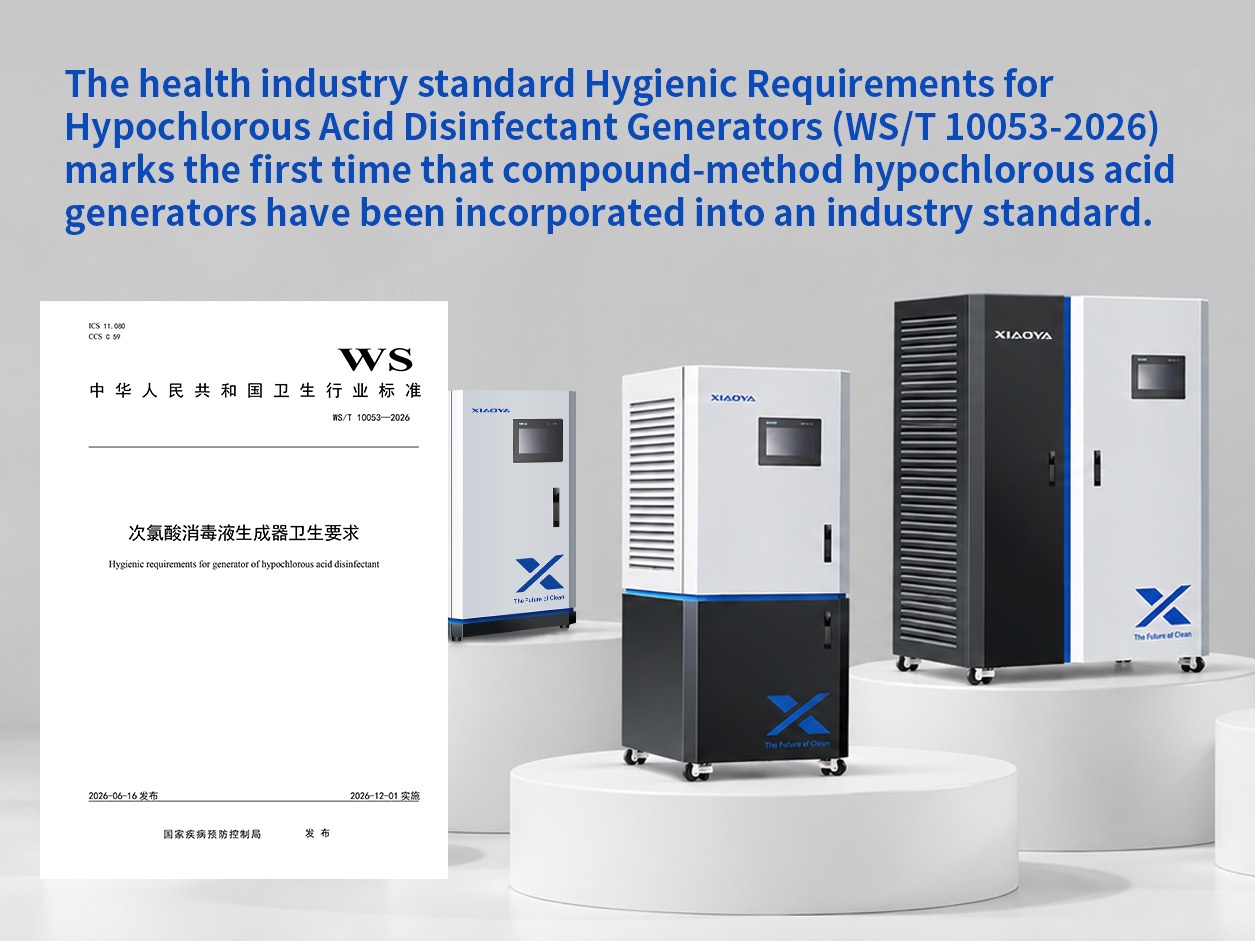
 WS/T 10053-2026 Includes the Compound Method for the First Time: Standard Signals and Market Opportunities for Mass Agricultural Production of Hypochlorous Acid Generators

Leave us a message

Xiaoya Group was founded in 1979,expert in the electrolyzed water industry.
Get in Touch
*We respect your confidentiality and all information are protected.