news
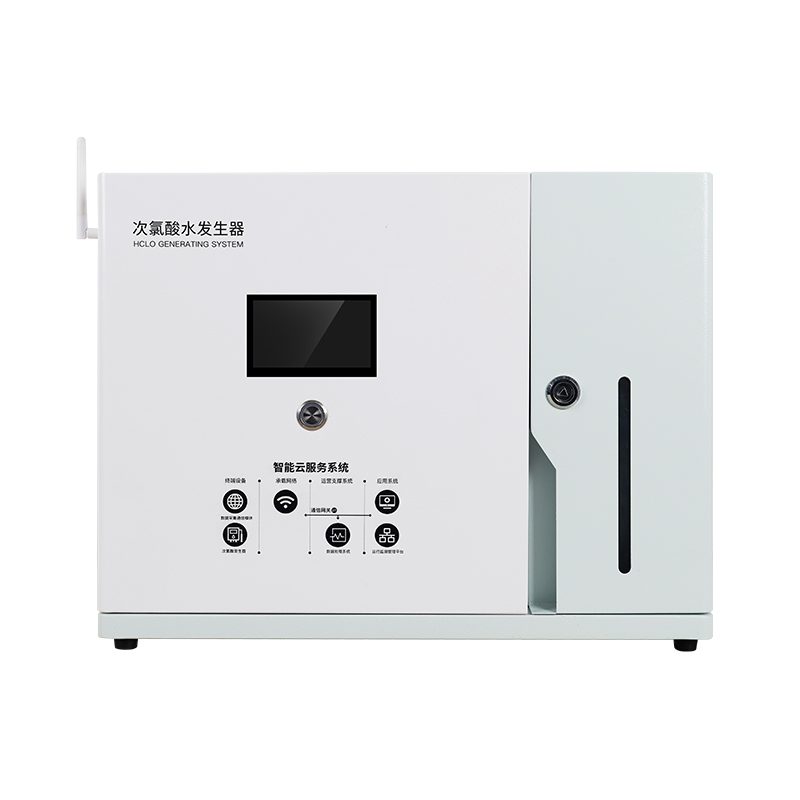
The Electrolysis Process: How Hypochlorous Acid Generator Works
Understanding how a hypochlorous acid generator works begins with the electrolysis process.
Water, salt, and controlled electrical current are converted into a powerful yet gentle disinfecting solution.
As safer cleaning, health care disinfection, and smart appliances grow, this technology is becoming more valuable.
It also fits automated equipment systems where stable output, accurate control, and low-residue sanitation matter every day.
Why Use a Checklist for Electrolysis-Based Disinfection?
Electrolysis looks simple, but performance depends on several controlled variables.
Salt concentration, water pressure, voltage, electrode condition, and pH all affect hypochlorous acid quality.
A checklist helps connect chemistry with equipment operation, especially in automated disinfection systems.
It reduces unstable concentration, poor sterilization, excessive chlorine odor, and unnecessary maintenance downtime.
Core Checklist: How a Hypochlorous Acid Generator Works
- Confirm the water source is clean, stable, and within the required inlet pressure range before starting electrolysis.
- Prepare the electrolyte correctly, because salt purity and concentration influence available chlorine and equipment stability.
- Start the electrolytic cell only after water flow is established, preventing dry operation and electrode damage.
- Apply controlled electrical current to split dissolved chloride ions and form active chlorine species inside the cell.
- Maintain slightly acidic pH, usually around 5.0 to 6.5, to favor hypochlorous acid over hypochlorite ions.
- Monitor available chlorine concentration, ensuring disinfection strength matches the intended surface, utensil, or ingredient application.
- Check output flow rate during operation, because excessive dilution can weaken sterilization and inconsistent spraying performance.
- Flush and inspect the electrolyzer regularly to reduce scale, sediment, and conductivity-related performance loss.
What Happens Inside the Electrolysis Cell?
A hypochlorous acid generator uses an electrolyzer as its reaction core.
When saltwater passes through the cell, electrodes create an oxidation-reduction reaction.
At the anode, chloride ions are oxidized and form chlorine-related active substances.
These substances react with water to produce hypochlorous acid, often written as HClO.
At the cathode, reduction reactions support charge balance and continuous liquid flow.
The final solution is effective because HClO penetrates microbial cell walls quickly.
It attacks proteins, enzymes, and nucleic acids, helping inactivate bacteria, viruses, and fungi.
Key Control Points for Stable HClO Output
- Control pH first, since slightly acidic water keeps more active chlorine in hypochlorous acid form.
- Adjust current density carefully, avoiding high current that wastes energy or accelerates electrode wear.
- Stabilize water temperature, because reaction efficiency and dissolved chlorine behavior change under extreme conditions.
- Calibrate concentration sensors or test strips, ensuring readings match real available chlorine levels.
- Use automated alarms for low electrolyte, abnormal pressure, overcurrent, or service-life warnings.
Application Notes for Automated Equipment Systems
Central Kitchen and Food Processing Areas
In central kitchens, electrolysis-based disinfection supports repeatable sanitation across raw material zones and processing lines.
Automated dosing, fixed concentration, and scheduled spraying reduce manual variation during high-frequency cleaning tasks.
For catering disinfection, the Hypochlorous Acid Generator for Catering Disinfection offers 120–300 L/h customizable output.
Its available chlorine range of 10–200 mg/L supports ingredient, utensil, environment, and personnel hygiene applications.
Staff Hygiene and Dining Environments
Hand hygiene areas benefit from gentle, residue-free disinfecting water that decomposes naturally after use.
Dining halls and sales areas need low-odor sanitation that does not disrupt daily service.
Slightly acidic hypochlorous acid water is useful for frequent surface wiping and misting when correctly controlled.
Health Care, Bathroom, and Household Appliances
In health care and household appliance systems, compact generators can support safer routine disinfection.
The same electrolysis logic applies to smart bathroom cleaning, small appliances, and automated hygiene modules.
Design focus should include leakage protection, stable current control, and easy electrolyte replacement.
Common Overlooked Items and Risk Reminders
Ignoring pH drift reduces real disinfection power. If pH rises too high, more chlorine shifts into weaker hypochlorite form.
Using poor-quality salt can contaminate the electrolyzer. Impurities may increase scale, block flow, or shorten electrode life.
Assuming stronger always means better is risky. Excessive available chlorine can increase odor and material compatibility concerns.
Skipping flow checks causes inconsistent output. Low pressure or unstable water supply changes contact time inside the cell.
Neglecting service life creates hidden downtime. Electrolyzer aging affects efficiency even when the machine still powers on.
Practical Execution Recommendations
- Set target concentration by use case, not by maximum machine capability.
- Record pH, available chlorine, water pressure, and output volume during every production shift.
- Train operators to identify abnormal odor, bubbles, warning lights, and concentration deviation.
- Schedule electrode inspection according to operating hours, water hardness, and sanitation frequency.
- Use certified equipment when food contact, export processing, or regulated disinfection is involved.
For large-scale catering operations, model AQ-P300 provides a rated power of 420 W and 220 V~/50 Hz operation.
Its electrolyzer service life reaches at least 5,000 hours under suitable operating and maintenance conditions.
The 5 L electrolyte tank and 500 × 510 × 1500 mm structure support continuous, industrial-grade deployment.
Compliance references such as US FDA and GB 14881 further support food sanitation decision-making.
Summary and Next-Step Checklist
The electrolysis process converts saltwater into hypochlorous acid through controlled electrical reactions.
Its value comes from broad-spectrum disinfection, low residue, and compatibility with automated equipment workflows.
Before selecting a system, define the sanitation scene, required output, concentration range, and maintenance conditions.
Then verify pH control, chlorine monitoring, flow stability, component life, and certification requirements.
A well-matched hypochlorous acid generator can improve hygiene consistency while lowering chemical storage and rinsing burdens.
Use this checklist to evaluate equipment scientifically, run trials safely, and build a repeatable disinfection process.
NEWS
 Public Facility HOCl Storage: Managing Heat, Light, and Shelf Life
 On-Site HOCl vs. Purchased Disinfectant for Municipal Buildings
- Sizing a Public Facility HOCl Generator for Peak Cleaning Demand
- What Can a Hypochlorous Acid Generator Do for Public Facility Cleaning?
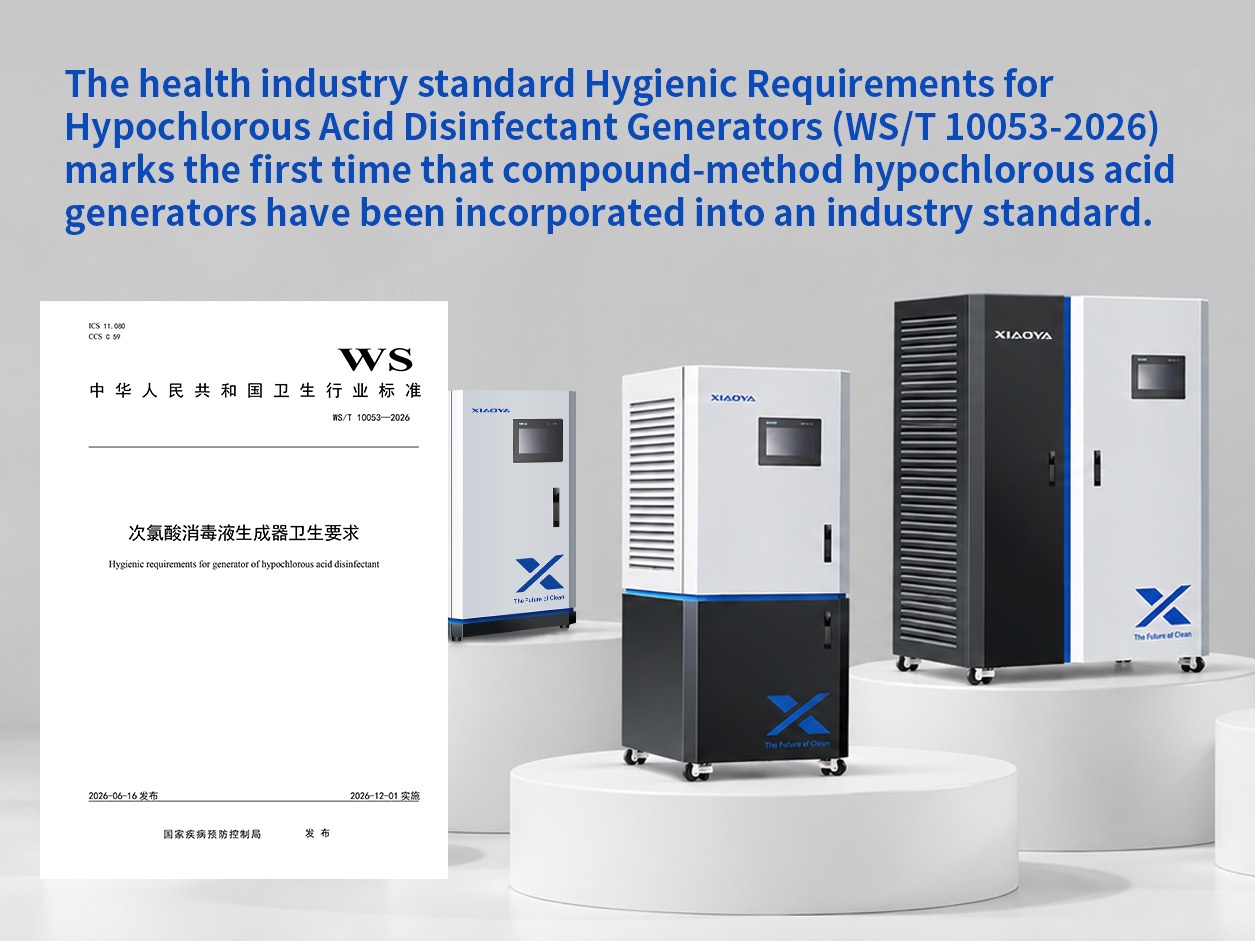
 WS/T 10053-2026 Includes the Compound Method for the First Time: Standard Signals and Market Opportunities for Mass Agricultural Production of Hypochlorous Acid Generators

Leave us a message

Xiaoya Group was founded in 1979,expert in the electrolyzed water industry.
Get in Touch
*We respect your confidentiality and all information are protected.