news
Understanding pH Balance in Hypochlorous Acid Generator Output
Understanding pH balance in hypochlorous acid generator output is essential for reliable disinfection, equipment stability, and user safety.
In automated cleaning and disinfection appliances, small pH variations can affect concentration, effectiveness, and shelf life of hypochlorous acid.
For healthcare, kitchen, bathroom, and household disinfection systems, pH control helps evaluate product quality and operational efficiency.
Why pH Balance Needs a Checklist Approach
Hypochlorous acid works best within a controlled pH window. When output shifts too acidic or alkaline, active chlorine species change.
A checklist prevents random testing. It connects water quality, electrolyte dosing, electrolyzer condition, sensors, and automated control logic.
This is important in automation equipment, where stable output must be repeatable across many cycles and operating environments.
Core Checklist for pH Balance in Generator Output
- Verify inlet water pressure and quality before operation, because unstable flow or mineral content can disturb electrolysis and shift hypochlorous acid pH.
- Check electrolyte concentration regularly, since incorrect dosing changes conductivity, affects effective chlorine output, and reduces pH balance consistency.
- Calibrate pH sensors on schedule, using approved buffer solutions, to avoid false readings and unnecessary adjustment of generator parameters.
- Monitor effective chlorine concentration together with pH, because disinfection strength depends on both values rather than one isolated measurement.
- Inspect the electrolyzer service condition, as aging plates may reduce conversion efficiency and create unstable hypochlorous acid generator output.
- Record temperature during testing, because warmer solution can accelerate chemical changes and shorten the storage stability of generated disinfectant.
- Confirm PLC or controller settings after maintenance, ensuring dosing, flow, alarm, and shutdown logic still match validated operating conditions.
- Use fresh output for critical disinfection, since on-site generation reduces storage risks and helps maintain predictable pH balance.
How pH Influences Disinfection Performance
Hypochlorous acid is favored near mildly acidic to neutral conditions. In this range, it remains highly active against microorganisms.
If pH rises too high, more chlorine exists as hypochlorite ion. That form is generally less effective for rapid disinfection.
If pH becomes too low, corrosion risk, odor, and material compatibility concerns may increase in automated appliance systems.
Balanced output supports efficient sterilization while protecting pumps, pipelines, valves, sensors, and precision components from unnecessary stress.
Application Notes for Automated Disinfection Equipment
Dental Chair Pipeline Disinfection
Dental chair pipelines need stable disinfectant because biofilm can form inside narrow water channels and resist ordinary flushing.
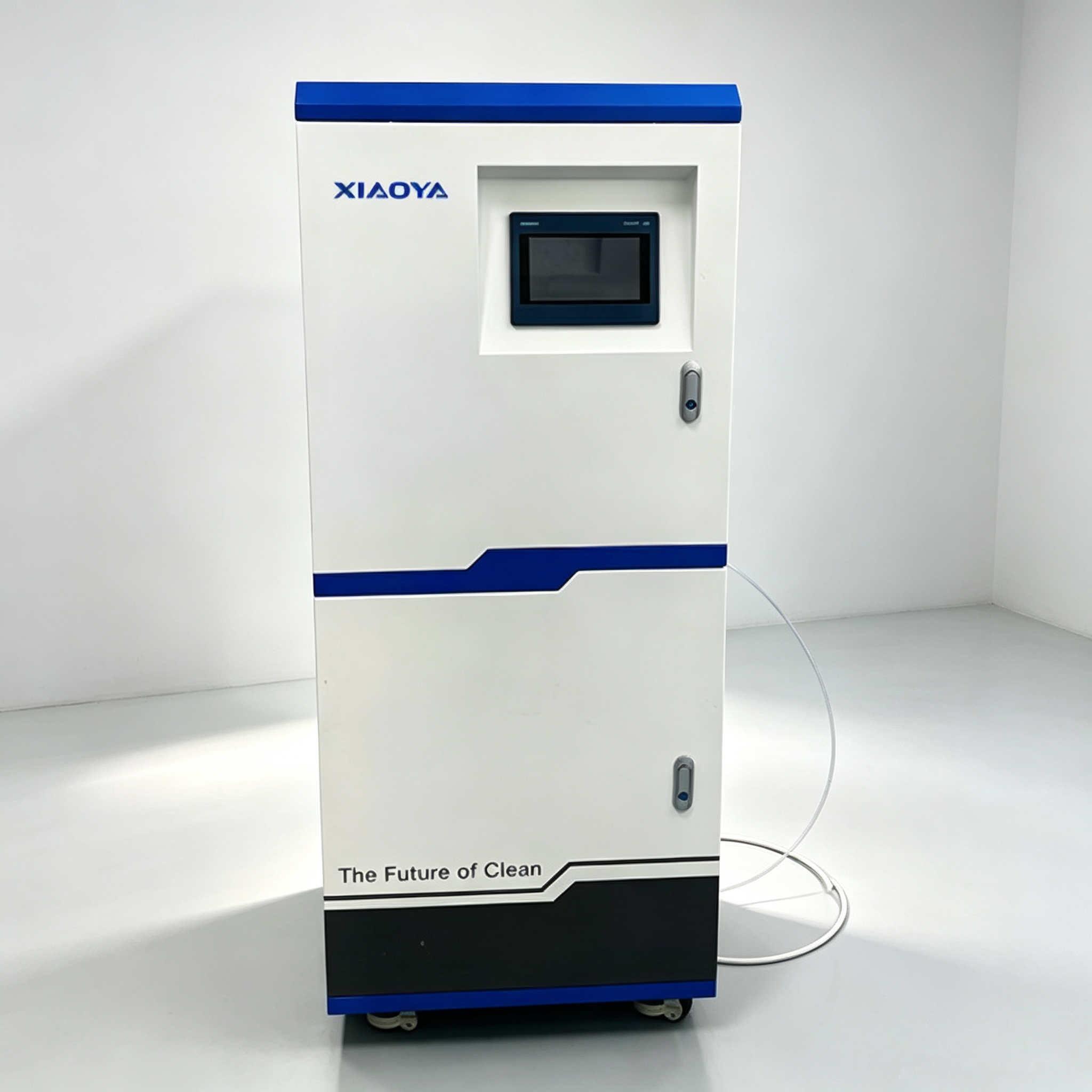
A practical reference is the Hypochlorous Acid Generator for Dental Chair Pipeline Disinfection, designed for dental hospitals and clinics.
Its listed output includes 300 L/h generation capacity, pH 6.37, and 68.9 mg/L effective chlorine concentration.
Features such as PLC control, modular configuration, 4G remote operation, and instant generation support automated disinfection management.
Kitchen and Bathroom Appliance Systems
Kitchen and bathroom disinfection appliances often face changing water conditions, frequent start-stop cycles, and contact with mixed materials.
A stable hypochlorous acid generator output helps reduce odor, residue, and corrosion concerns during surface or pipeline treatment.
For small household appliances, clear indicators and automatic alarms make pH balance easier to maintain without complex manual testing.
Healthcare and Public Hygiene Environments
Healthcare disinfection requires repeatable output, traceable data, and safe operation across rooms, devices, and water distribution points.
Automated systems should combine pH monitoring, chlorine concentration control, fault alarms, and maintenance records for compliance readiness.
Commonly Overlooked Risks
Ignoring source water variation. Municipal water, softened water, and filtered water can produce different electrolysis results under the same settings.
Testing pH alone. A good pH value does not guarantee correct effective chlorine concentration or sufficient bactericidal performance.
Storing generated solution too long. Light, heat, air contact, and contamination can reduce active chlorine and change hypochlorous acid stability.
Skipping component maintenance. Scale, worn electrodes, blocked filters, and loose fittings can all affect pH balance and output consistency.
Using unsuitable materials. Even mild disinfectant can cause problems if pipelines, seals, or tanks are not compatible with active chlorine.
Practical Execution Recommendations
- Create a baseline by testing pH, effective chlorine, inlet pressure, and water temperature during normal operating conditions.
- Set acceptable control ranges for each application, then configure alarms to warn before output becomes unsuitable.
- Train operators to rinse sampling tools, avoid contaminated containers, and test output immediately after generation.
- Schedule electrolyzer inspection based on operating hours, not only calendar dates, to reflect real equipment workload.
- Document every adjustment, including electrolyte changes, sensor calibration, controller updates, and abnormal pH balance events.
For procurement evaluation, compare rated capacity, pH range, effective chlorine concentration, automation controls, service life, and compliance documents.
For daily operation, prioritize repeatability. One accurate output record is useful, but stable records over time are more valuable.
Quick Selection Checklist
- Choose equipment with automatic control, reliable sensors, and clear alarm logic for pH balance and chlorine concentration.
- Match generation capacity to peak demand, allowing enough output without forcing the generator to run continuously.
- Confirm material compatibility with pipelines, tanks, seals, and spray components before long-term installation.
- Review maintenance access, electrode life, electrolyte tank capacity, and remote monitoring options before final selection.
Summary and Next Action
pH balance in hypochlorous acid generator output is not a single laboratory number. It is a daily control point.
Stable pH supports strong disinfection, safe operation, longer component life, and more predictable automated appliance performance.
Start by building a simple checklist for water quality, electrolyte dosing, sensor calibration, chlorine concentration, and maintenance records.
Then compare generator specifications against the actual disinfection scenario, including flow demand, compliance needs, and remote control requirements.
NEWS
 Public Facility HOCl Storage: Managing Heat, Light, and Shelf Life
 On-Site HOCl vs. Purchased Disinfectant for Municipal Buildings
- Sizing a Public Facility HOCl Generator for Peak Cleaning Demand
- What Can a Hypochlorous Acid Generator Do for Public Facility Cleaning?
 WS/T 10053-2026 Includes the Compound Method for the First Time: Standard Signals and Market Opportunities for Mass Agricultural Production of Hypochlorous Acid Generators

Leave us a message

Xiaoya Group was founded in 1979,expert in the electrolyzed water industry.
Get in Touch
*We respect your confidentiality and all information are protected.