The Science Behind Hypochlorous Acid Machines: How They Work and Why They're Effective
Hypochlorous acid machines are revolutionizing disinfection with science-backed efficiency. These innovative devices generate HOCl, a powerful yet safe disinfectant proven effective against pathogens. For information seekers, users, and technical evaluators in the automation equipment sector, understanding the electrochemical process behind these machines reveals why they're becoming essential in healthcare, household, and commercial applications. This article explores the working principles that make hypochlorous acid machines a smart choice for modern disinfection needs.
Understanding Hypochlorous Acid (HOCl) and Its Disinfection Power
Hypochlorous acid (HOCl) is a naturally occurring substance produced by the human immune system to fight infections. It is a weak acid that forms when chlorine dissolves in water, and it has been scientifically proven to be highly effective against a wide range of pathogens, including bacteria, viruses, and fungi. Unlike traditional chemical disinfectants, HOCl is non-toxic, non-irritating, and leaves no harmful residues, making it ideal for sensitive environments.
The effectiveness of HOCl lies in its ability to penetrate microbial cell walls and disrupt their internal structures. Studies have shown that HOCl is up to 80 times more effective than hypochlorite (bleach) in killing pathogens, yet it is safe for use around humans and animals. This makes hypochlorous acid machines particularly valuable in settings like pet hospitals, homes, and catteries, where safety and efficacy are paramount.
How Hypochlorous Acid Machines Work: The Electrochemical Process
Hypochlorous acid machines utilize advanced electrochemical technology to produce HOCl on-site. The process involves electrolyzing a solution of salt (sodium chloride) and water, which generates HOCl along with small amounts of other oxidizing agents. Here’s a step-by-step breakdown of the process:
- Saltwater Solution Preparation: A diluted saltwater solution is prepared and fed into the machine’s electrolytic cell.
- Electrolysis: An electric current is passed through the solution, causing the salt (NaCl) to dissociate into sodium ions (Na+) and chloride ions (Cl-).
- HOCl Formation: The chloride ions react with water to form hypochlorous acid (HOCl) and hydroxide ions (OH-).
- Concentration Adjustment: The machine allows for precise control of the HOCl concentration, typically ranging from 10-200 ppm, depending on the application.
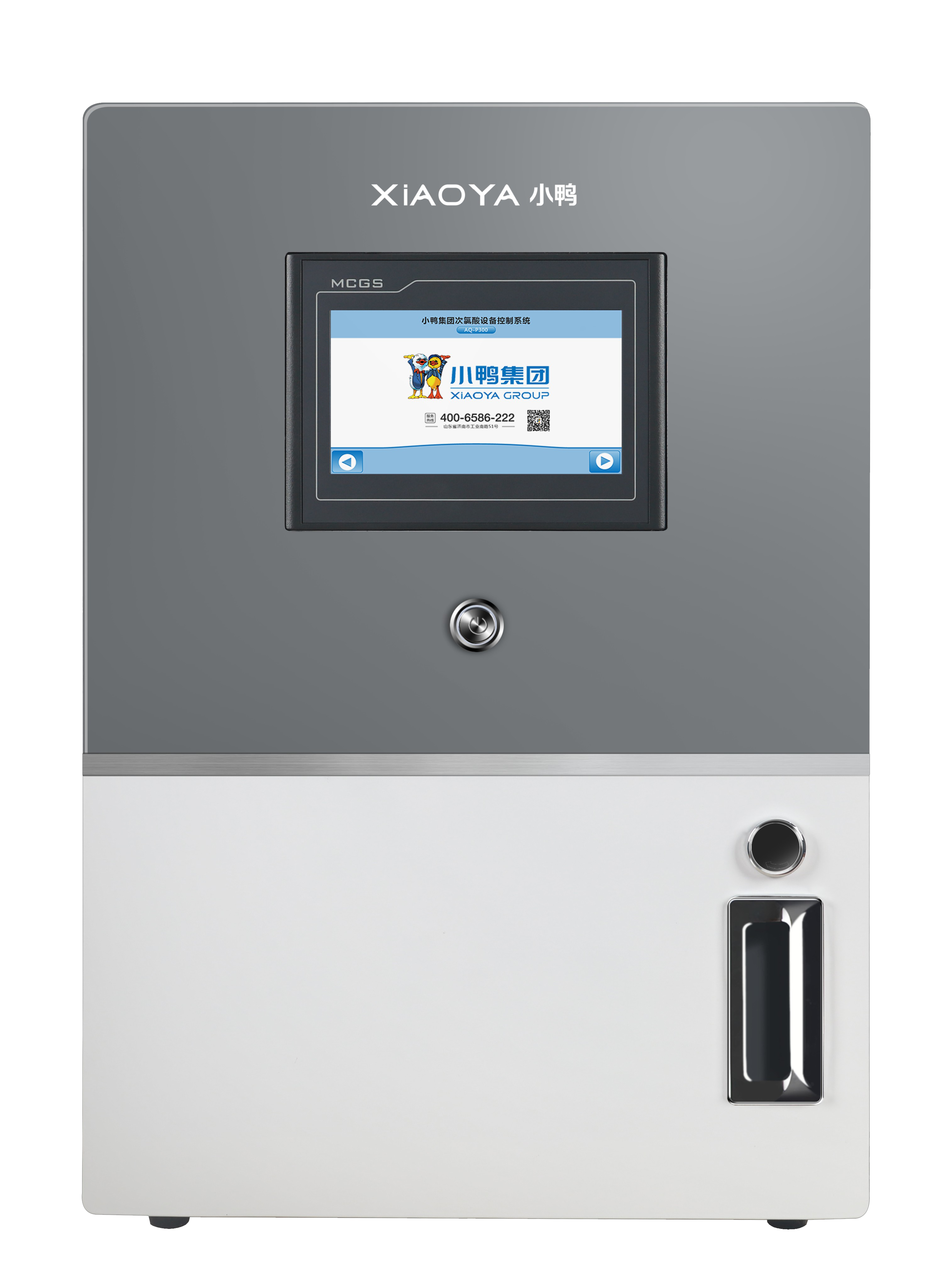
Modern hypochlorous acid generators, such as the AQ-P300W Hypochlorous acid(HClO)generator, feature PLC control systems for real-time operation monitoring and fault alarms. This ensures stable, energy-efficient electrolytic cell operation and high water flow rates, guaranteeing consistent disinfection effectiveness.
Key Advantages of Hypochlorous Acid Machines
Hypochlorous acid machines offer numerous benefits over traditional disinfection methods, making them a preferred choice for various industries. Here are some of the standout advantages:
1. Safety and Compatibility
HOCl is mild and safe, making it suitable for use in environments with infants, pregnant women, and pets. Unlike harsh chemicals, it does not cause skin irritation or respiratory issues, and it leaves no toxic residues.
2. High Efficacy
HOCl has been proven to eliminate 99.9% of pathogens, including MRSA, E. coli, and SARS-CoV-2. Its rapid action and broad-spectrum efficacy make it ideal for high-traffic areas like hospitals and schools.
3. Cost-Effectiveness
By generating HOCl on-site, these machines reduce the need for expensive, pre-mixed disinfectants. The AQ-P300W Hypochlorous acid(HClO)generator, for example, offers adjustable concentration settings to optimize resource usage.
4. Environmental Friendliness
HOCl breaks down into harmless byproducts (water and trace amounts of salt), making it an eco-friendly alternative to chemical disinfectants.
Applications of Hypochlorous Acid Machines
The versatility of hypochlorous acid machines makes them suitable for a wide range of applications:
- Healthcare: Hospitals, clinics, and dental offices use HOCl for surface disinfection and wound care.
- Household: Homes benefit from HOCl’s safety and efficacy for cleaning kitchens, bathrooms, and children’s toys.
- Pet Care: Pet hospitals and catteries use HOCl to sanitize cages, equipment, and living areas without harming animals.
- Commercial: Restaurants, schools, and offices use HOCl for high-traffic area disinfection.
Conclusion: The Future of Disinfection
Hypochlorous acid machines represent a significant advancement in disinfection technology, combining safety, efficacy, and sustainability. With features like PLC control, real-time monitoring, and adjustable concentrations, devices like the AQ-P300W are setting new standards in automated disinfection solutions.
For those seeking a reliable, science-backed disinfection method, hypochlorous acid machines are a smart investment. Learn more about the AQ-P300W Hypochlorous acid(HClO)generator and discover how it can meet your disinfection needs.
NEWS
 Public Facility HOCl Storage: Managing Heat, Light, and Shelf Life
 On-Site HOCl vs. Purchased Disinfectant for Municipal Buildings
- Sizing a Public Facility HOCl Generator for Peak Cleaning Demand
- What Can a Hypochlorous Acid Generator Do for Public Facility Cleaning?
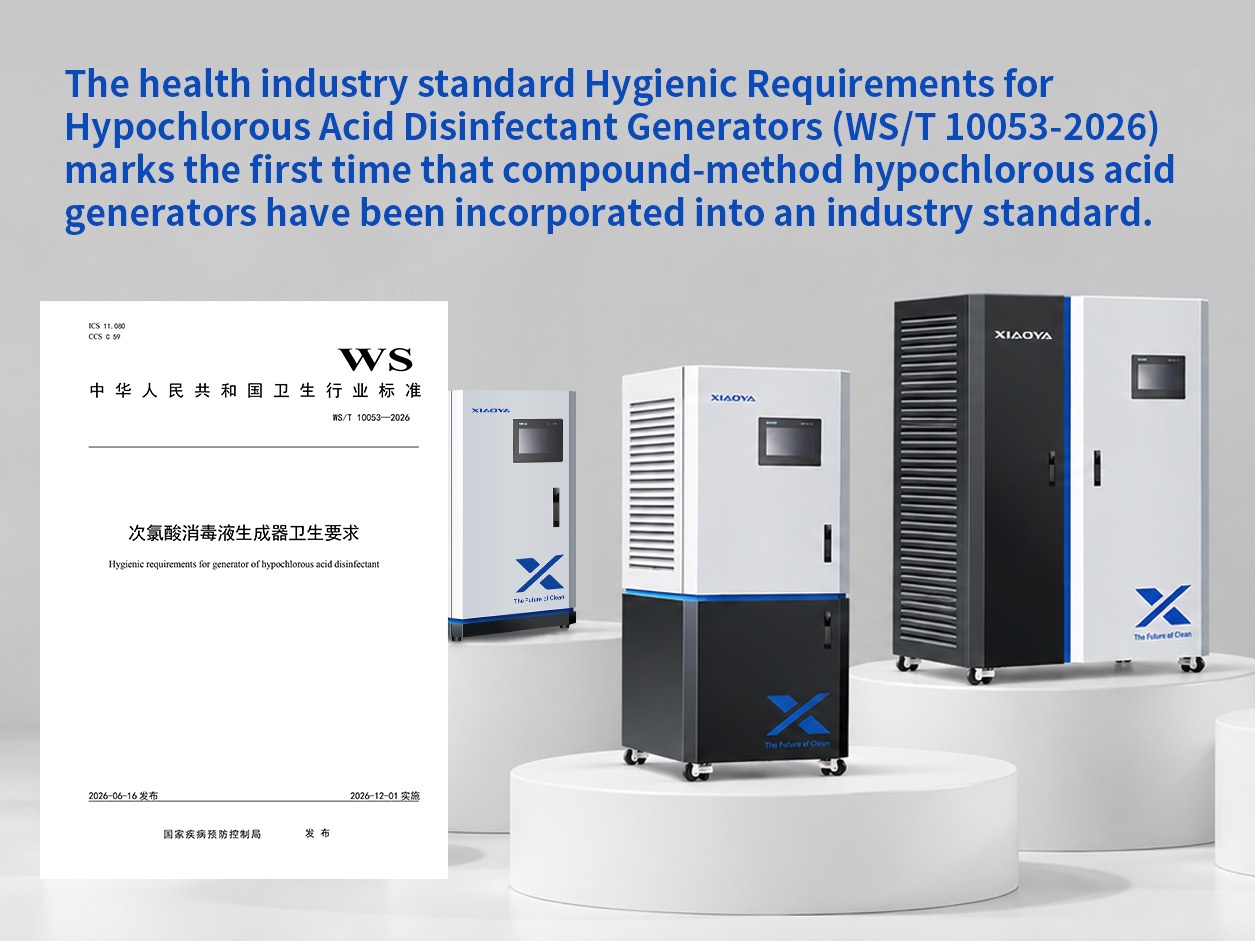
 WS/T 10053-2026 Includes the Compound Method for the First Time: Standard Signals and Market Opportunities for Mass Agricultural Production of Hypochlorous Acid Generators

Leave us a message

Xiaoya Group was founded in 1979,expert in the electrolyzed water industry.
Get in Touch
*We respect your confidentiality and all information are protected.