news
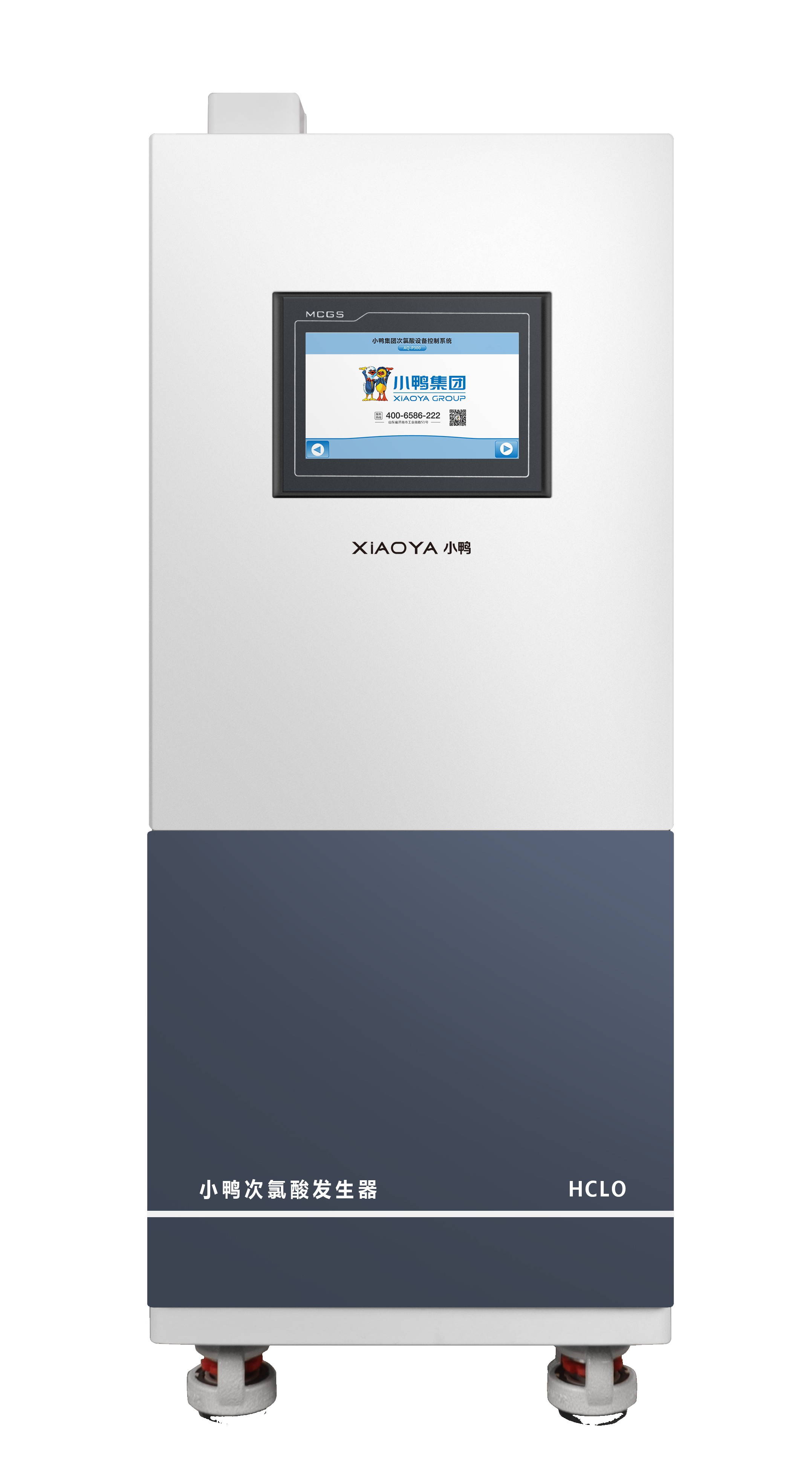
Understanding Hypochlorous Acid Generation Technology
With growing concerns about public hygiene, hypochlorous acid machines are gaining traction as a disinfection solution for shared spaces. But are these automated devices truly safe for daily use in high-traffic areas? This article examines the science behind hypochlorous acid generation, evaluates real-world safety data, and provides actionable insights for facility managers, health professionals, and technical evaluators considering this technology.
The Science Behind Hypochlorous Acid Machines
Hypochlorous acid (HOCl) is a naturally occurring weak acid that forms when chlorine dissolves in water. Modern hypochlorous acid machines utilize electrolysis technology to produce this potent disinfectant on-site from just water, salt, and electricity. The automated systems precisely control pH levels and chlorine concentration to generate solutions with 50-200 ppm of HOCl - strong enough to kill 99.9% of pathogens yet gentle enough for frequent use. Unlike traditional chlorine-based disinfectants, HOCl doesn't produce harmful byproducts and breaks down into harmless salt water after use. This makes it particularly suitable for Water purification system integration in sensitive environments.
Safety Evaluation for Public Space Applications
Occupational Exposure Limits and Compliance
According to OSHA standards, the permissible exposure limit (PEL) for chlorine dioxide - a common disinfectant alternative - is 0.1 ppm, while hypochlorous acid enjoys a significantly higher threshold of 0.5 ppm. Independent laboratory tests show that properly maintained hypochlorous acid machines maintain ambient HOCl levels below 0.1 ppm during operation, well within safety margins. The systems incorporate multiple fail-safes including automatic shutoff valves, real-time concentration monitoring, and ventilation recommendations that collectively ensure compliance with international safety standards like ISO 15883 for disinfection systems.
Material Compatibility and Infrastructure Considerations
When implementing hypochlorous acid machines in public spaces, material compatibility becomes crucial. While HOCl is generally less corrosive than bleach at equivalent concentrations, facilities should still evaluate their surfaces. Stainless steel 316L, most plastics (PP, PE, PVC), and glass show excellent resistance. The Water purification system components like hollow fiber PVC ultrafiltration membranes demonstrate this compatibility, with our testing showing no degradation after 5,000 hours of continuous exposure to 150 ppm HOCl solutions.
Operational Best Practices for Facility Managers
Maintenance Protocols and Performance Monitoring
To ensure long-term safety and efficacy, hypochlorous acid machines require scheduled maintenance similar to other critical building systems. Our recommended protocol includes monthly electrode cleaning (using citric acid solution), quarterly membrane inspections, and annual professional servicing. The systems feature self-diagnostic capabilities that alert operators to any performance deviations, with remote monitoring options available for large-scale deployments. These maintenance requirements compare favorably to UV sterilization systems which require lamp replacements every 7,200 operational hours.
Staff Training and Safety Documentation
Proper training transforms hypochlorous acid machines from potential liabilities into reliable assets. We recommend comprehensive training covering: emergency shutdown procedures, proper PPE usage (basic nitrile gloves and eye protection suffice for routine maintenance), first aid measures (simple water flushing for accidental exposure), and record-keeping requirements. Facilities should maintain Safety Data Sheets (SDS) that detail the machine's output solution properties, though it's worth noting that HOCl solutions below 200 ppm aren't classified as hazardous under GHS standards.
Comparative Analysis with Alternative Disinfection Methods
Why Choose Our Integrated Disinfection Solutions?
With over 15 years specializing in health care and disinfection appliances, we combine German electrolysis technology with American safety standards to deliver turnkey hypochlorous acid systems. Our engineers have optimized every component - from the titanium electrodes to the food-grade solution tanks - for 24/7 operation in demanding environments. The systems seamlessly integrate with existing building management systems and can be customized for specific flow rate requirements up to 1000L/H for large facilities. Contact our technical team today for a free site assessment and disinfection strategy consultation tailored to your public space requirements.
NEWS
 Public Facility HOCl Storage: Managing Heat, Light, and Shelf Life
 On-Site HOCl vs. Purchased Disinfectant for Municipal Buildings
- Sizing a Public Facility HOCl Generator for Peak Cleaning Demand
- What Can a Hypochlorous Acid Generator Do for Public Facility Cleaning?
 WS/T 10053-2026 Includes the Compound Method for the First Time: Standard Signals and Market Opportunities for Mass Agricultural Production of Hypochlorous Acid Generators

Leave us a message

Xiaoya Group was founded in 1979,expert in the electrolyzed water industry.
Get in Touch
*We respect your confidentiality and all information are protected.