news
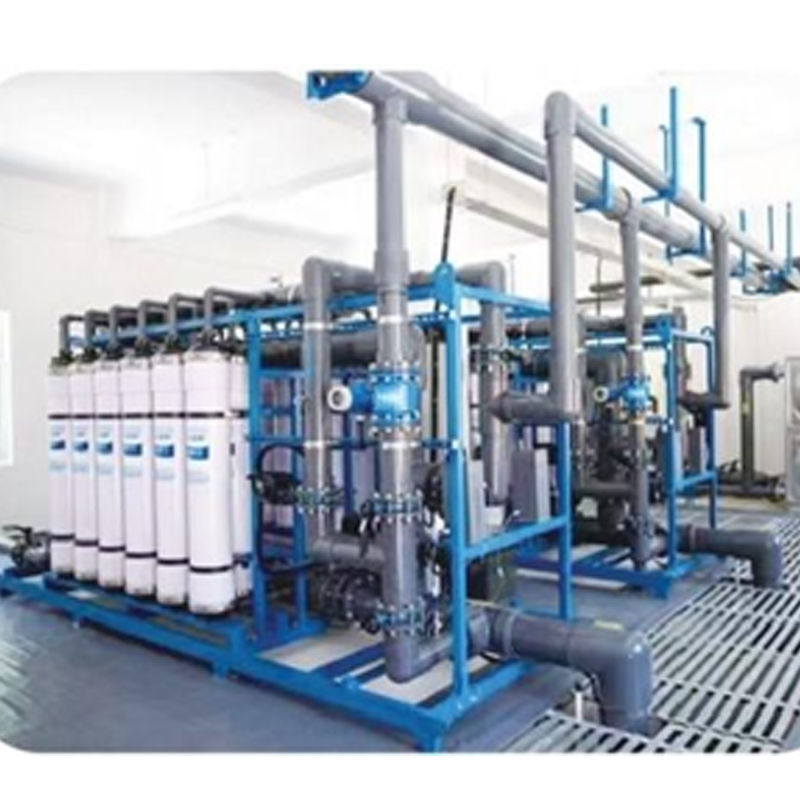
Why are more facilities looking at a hypochlorous acid water generator?
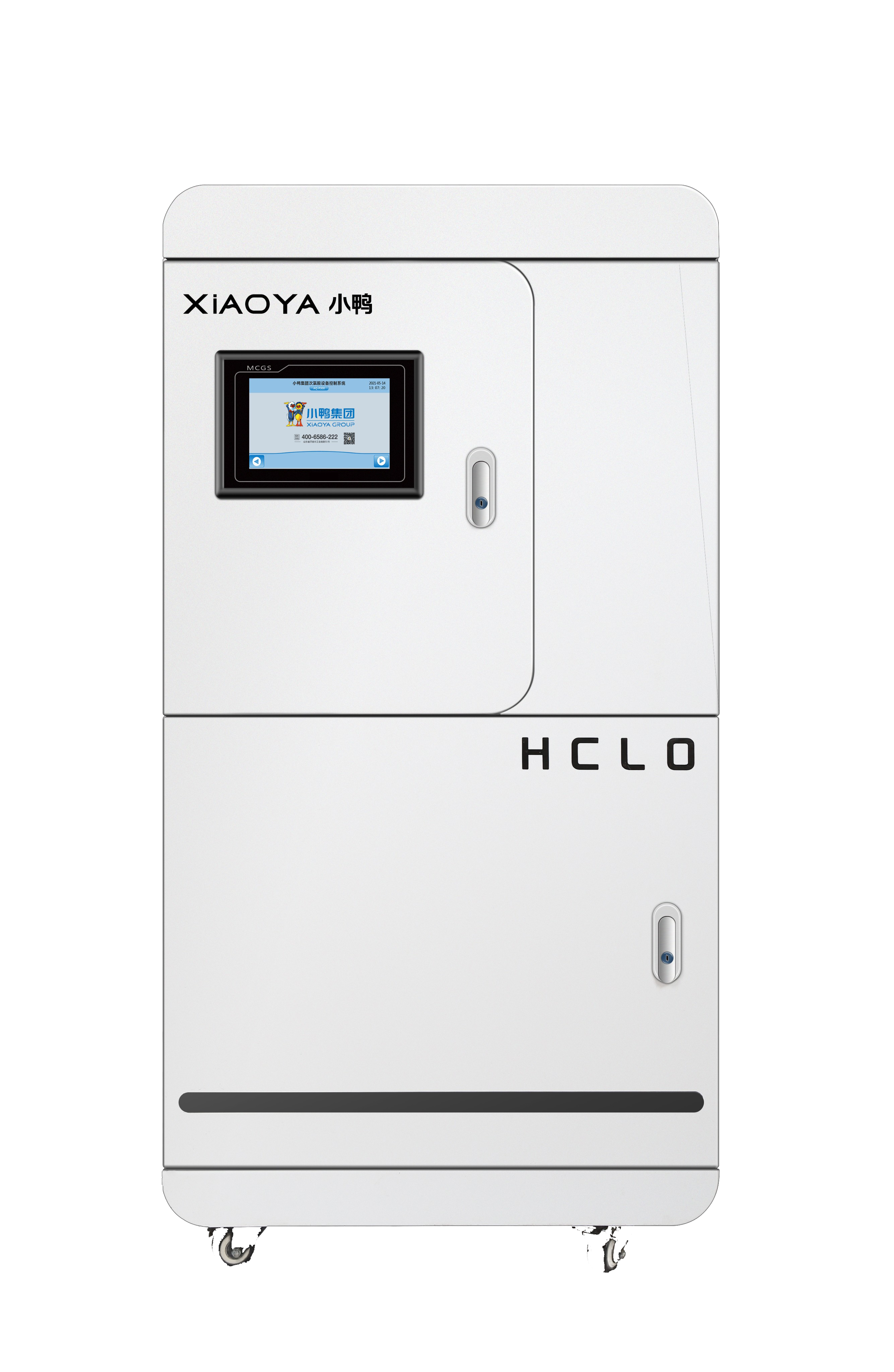
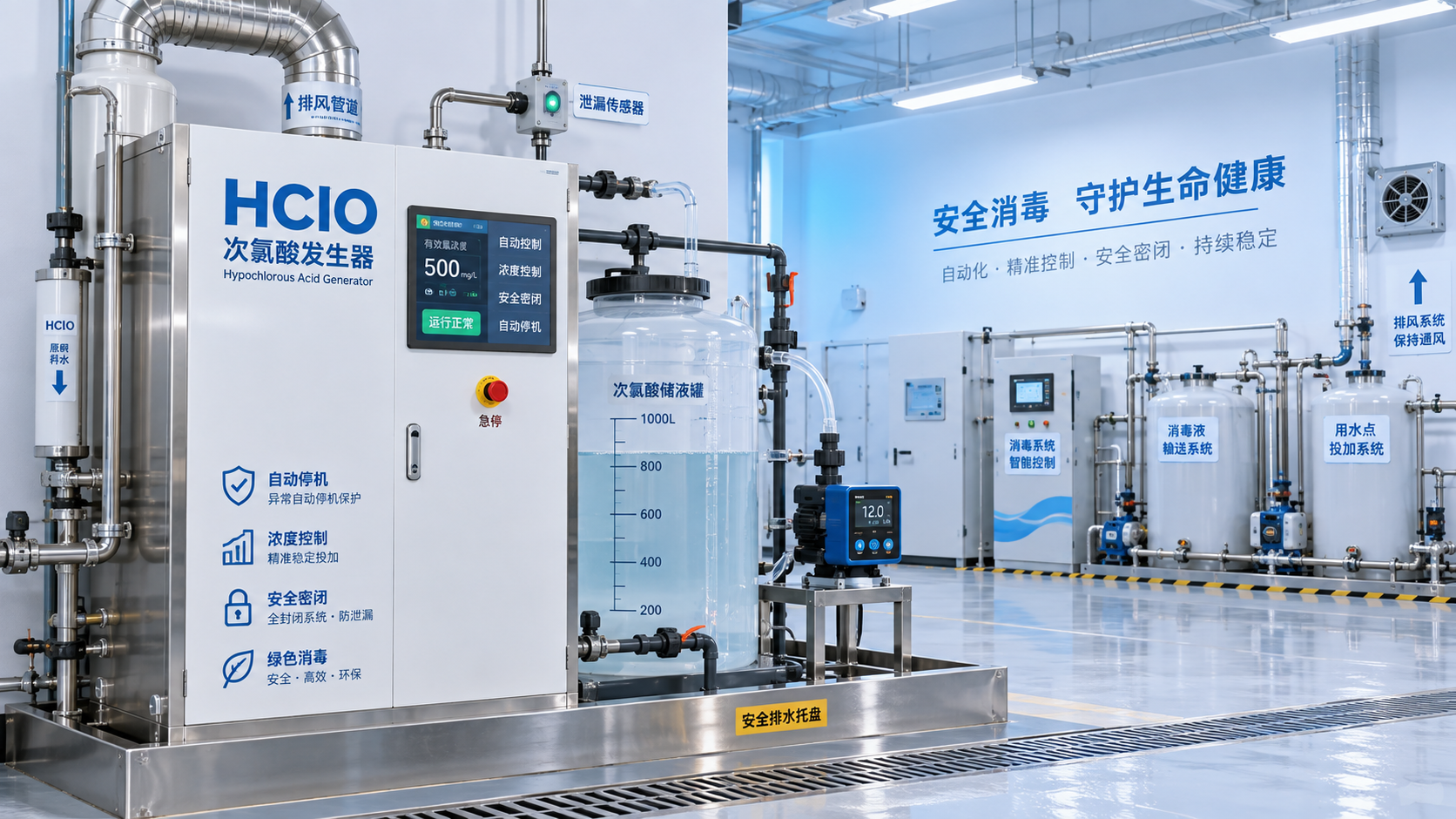
A hypochlorous acid water generator makes sanitizing water on site from salt, water, and electricity.
That sounds simple, but the equipment matters because it turns basic inputs into a controlled hygiene process.
For automated equipment research, this is useful where cleaning must be frequent, fast, and easy to repeat.
Common examples include kitchens, bathrooms, healthcare environments, disinfection appliances, and small household appliance systems.
It also fits businesses that combine R&D, production, and operation across home, hygiene, and clean energy related products.
The main appeal is not only disinfection performance.
It is the ability to produce usable hypochlorous acid water where it is needed, without storing large volumes of chemicals.
So what exactly is a hypochlorous acid water generator?
It is an automated device that electrolyzes a dilute salt solution and produces hypochlorous acid water.
The active disinfecting factor is hypochlorous acid, often written as HClO.
This matters because HClO is widely recognized for strong antimicrobial performance at relatively low concentrations.
In practical use, the generator is less like a consumer spray bottle and more like a compact process unit.
It controls water flow, salt ratio, power input, and electrolysis conditions to keep output more stable.
That is why a hypochlorous acid water generator is often discussed within automation equipment, not only cleaning supplies.
What makes it different from mixing disinfectant manually?
Manual mixing depends heavily on operator accuracy, chemical storage, and batch consistency.
An on-site generator reduces those variables through repeatable settings and controlled output.
In many cases, that means better process discipline and easier standardization across rooms or departments.
How does a hypochlorous acid water generator work on site?
The basic process is straightforward, although the equipment design determines how stable the final water will be.
- Water enters the system at a defined pressure.
- Salt or electrolyte is added in a controlled amount.
- Electric current passes through the electrolyzer.
- Electrochemical reactions create hypochlorous acid water.
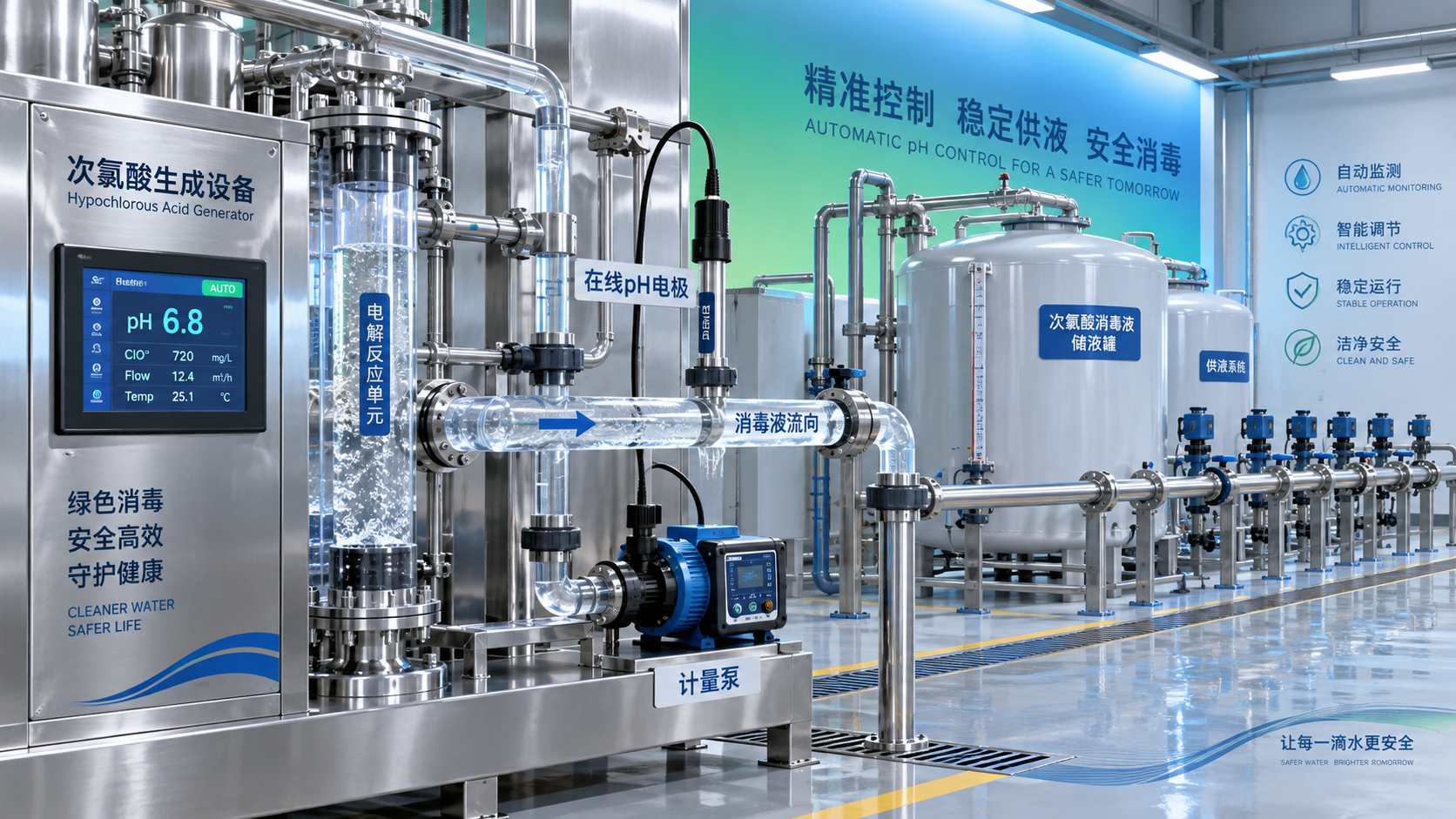
- The output is adjusted by concentration and pH for the intended application.
The two parameters people usually check first are available chlorine concentration and pH range.
A useful hypochlorous acid water generator should keep both within a workable window for real disinfection tasks.
Needless to say, water quality affects performance.
That is why better systems allow adjustment without losing the intended sanitizing effect.
Where does this equipment make the most sense?
The best fit is any setting that needs repeatable sanitizing water, not occasional one-off cleaning.
In kitchens and bathroom appliance ecosystems, it supports routine hygiene without complex chemical handling.
In healthcare and disinfection appliance development, it helps support controlled surface and environment sanitation workflows.
Some systems also extend into deodorization, air purification, and produce fresh-keeping applications.
Educational facilities are another strong example because safety, ease of operation, and frequent turnover all matter.
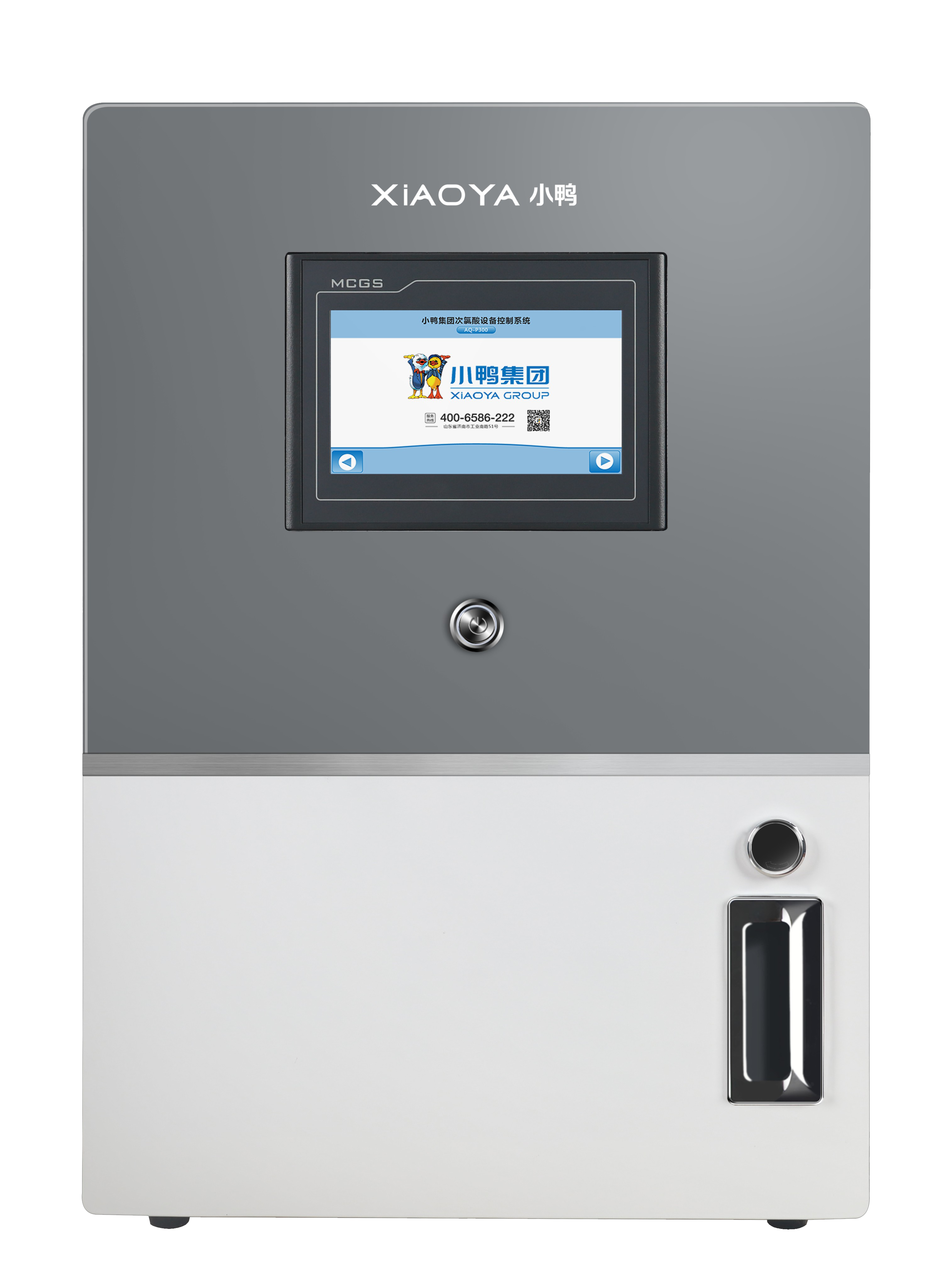
A practical reference is Hypochlorous Acid Generator for Educational Institutions (AQ-P100-4G).
Its output range of 60-120L/h and adjustable 10-80ppm concentration reflect the kind of flexibility many campuses need.
A pH range of 5.0 to 6.5, 170W power, and one-key operation also show what “site-friendly” design looks like.
What should you compare before choosing a hypochlorous acid water generator?
A common mistake is choosing by price alone.
A better approach is to match the generator to usage frequency, water conditions, and sanitation goals.
- Output capacity: enough liters per hour for peak use periods.
- Adjustable concentration: useful when one site has multiple cleaning tasks.
- Power and voltage: especially important for overseas or retrofit projects.
- Water pressure compatibility: often overlooked during early evaluation.
- Electrolyzer life: a short life can erase any low purchase-price advantage.
If the application includes schools or childcare spaces, safety and low irritation deserve extra weight.
That is where compact, compliant, multi-function equipment often stands out more than raw output alone.
Are there common misunderstandings or implementation risks?
Yes, and they usually come from treating the system as a simple chemical dispenser.
In reality, a hypochlorous acid water generator is process equipment.
It depends on water quality, dosing accuracy, electrode condition, and routine maintenance.
Another misunderstanding is assuming stronger concentration is always better.
More common good practice is to set concentration according to the scenario, contact method, and material compatibility.
There is also the implementation question of workflow.
If operators need too many steps, the system may be used inconsistently even when the technology is sound.
That is why simple controls, low-residue output, and easy maintenance are not minor features.
They are part of whether the on-site solution will actually work day to day.
What is the practical takeaway before moving forward?
If you are exploring a hypochlorous acid water generator, start by defining the real use case.
Check required output, target concentration, water conditions, installation limits, and maintenance expectations.
Then compare whether the equipment supports safe, stable, and repeatable on-site generation rather than simple theoretical output.
For education, healthcare, kitchen, bathroom, and small appliance related applications, that practical fit usually matters most.
A compact option such as Hypochlorous Acid Generator for Educational Institutions (AQ-P100-4G) can be a useful benchmark when comparing parameters.
The next smart step is to build a short evaluation list around output, pH, concentration range, component life, and operating simplicity.
That makes the selection process clearer and helps judge whether the system fits real on-site disinfection work.
NEWS
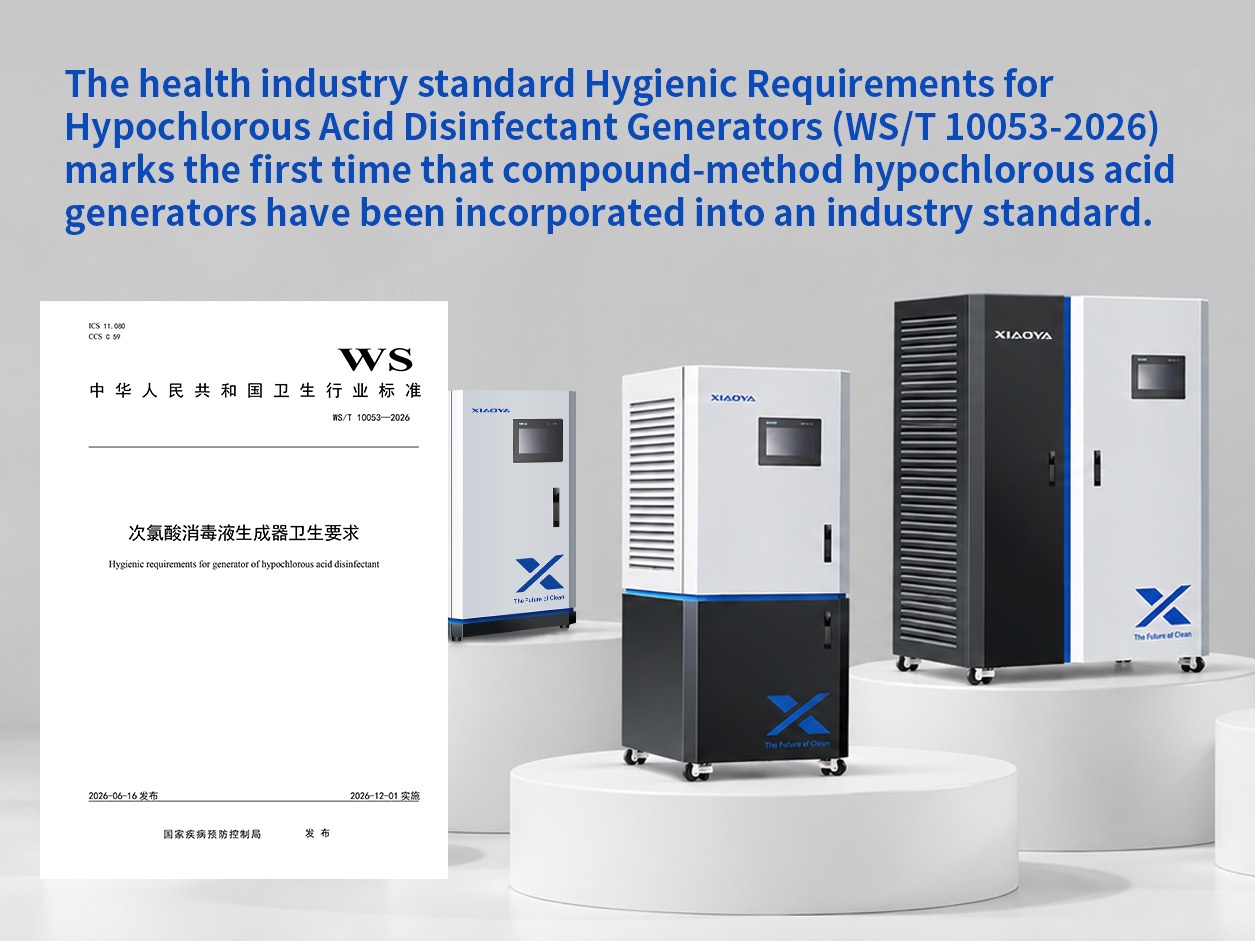
 WS/T 10053-2026 Includes the Compound Method for the First Time: Standard Signals and Market Opportunities for Mass Agricultural Production of Hypochlorous Acid Generators
 Evaluating HClO Generator Lifecycle Costs Beyond the Initial Equipment Price
 HClO Generator pH Control: Why It Determines Disinfection Performance
- Which Safety Features Matter Most When Buying an HClO Generator?
 Troubleshooting Low ORP Readings on a Hypochlorous Acid Machine
Leave us a message

Xiaoya Group was founded in 1979,expert in the electrolyzed water industry.
Get in Touch
*We respect your confidentiality and all information are protected.