




Key Factors in Selecting Industrial Water Purification Systems
Selecting the right water purification system for large industrial facilities requires careful consideration of multiple factors. Industrial buyers and decision-makers must evaluate critical aspects like system efficiency, maintenance requirements, and cost-effectiveness when choosing solutions such as the AQ-P1000 Hypochlorous acid generator or other advanced water supply systems. This guide explores key considerations to help you make informed purchasing decisions that ensure optimal water quality while maximizing operational efficiency for your facility.
Water Quality Requirements and System Capabilities
The first step in selecting a water purification system is understanding your facility's specific water quality needs. Different industries have varying requirements for purity levels, with healthcare and food processing typically demanding the highest standards. Systems must be capable of removing contaminants while maintaining consistent output quality.
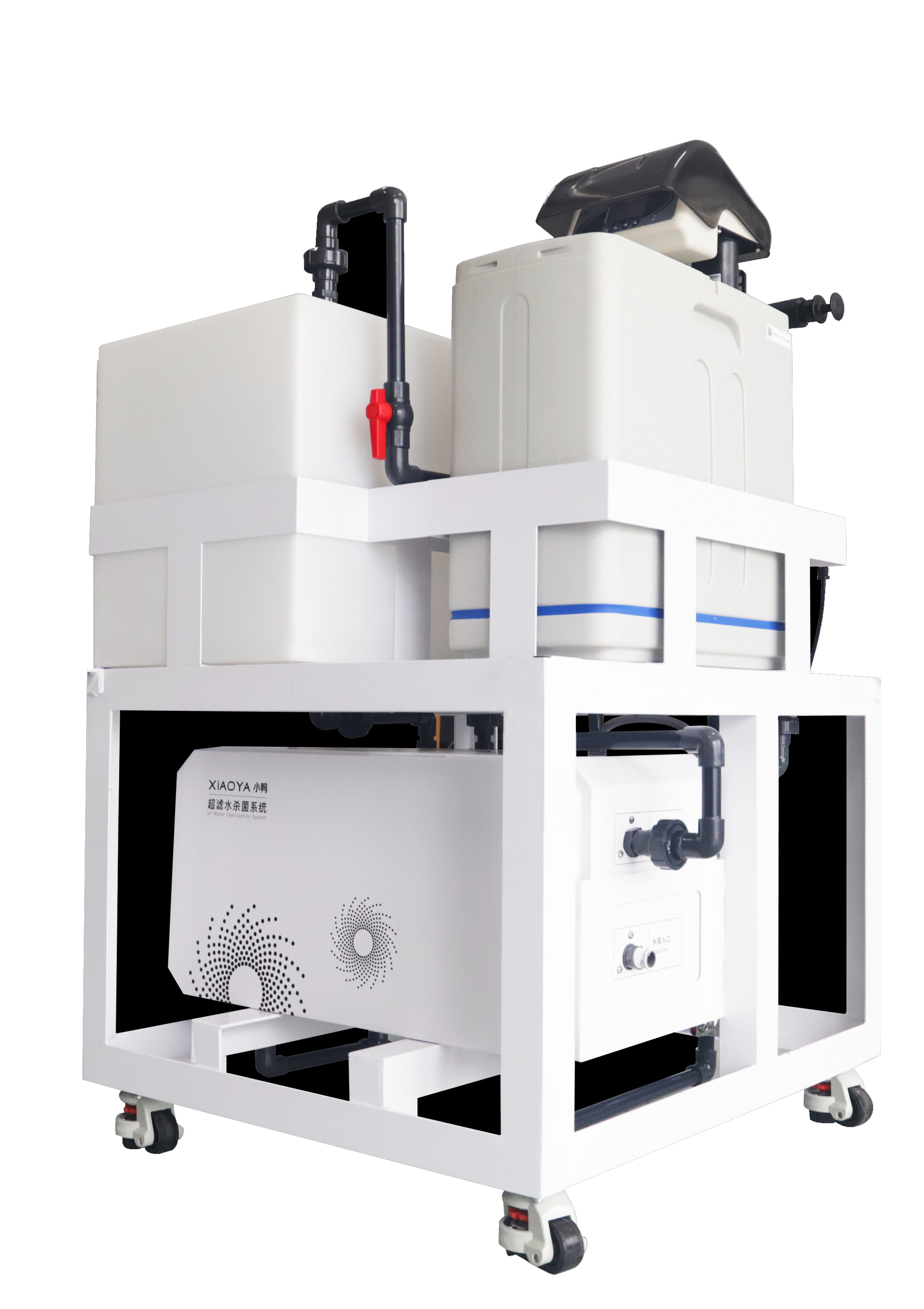
Advanced systems like the Duckling ultrafiltration water purification and sterilization device XYCL-1000 combine multiple purification technologies, achieving a sterilization rate >99.9% with UV-C 254nm wavelength and hollow fiber PVC ultrafiltration membrane filter elements. This dual approach ensures comprehensive contaminant removal for critical applications.
System Capacity and Flow Rate Considerations
Industrial facilities must match system capacity with peak water demand. Undersized systems lead to production bottlenecks, while oversized units incur unnecessary capital and operating expenses. Key metrics include:
- Maximum daily water consumption (typically 50,000-500,000 liters for medium facilities)
- Peak flow rate requirements (often 1000-5000 L/H for processing lines)
- Simultaneous usage points (multiple production lines or sanitation stations)
The XYCL-1000 model offers an ultrafiltration flow rate of 1000L/H with maximum UV sterilization capacity of 0.35T/H, making it suitable for facilities with moderate to high water demands. Its compact 1000*1000*1300mm footprint allows installation in space-constrained areas.
Operational Efficiency and Maintenance Factors
Total cost of ownership extends far beyond the initial purchase price. Industrial buyers should evaluate:
Systems with longer component lifespans, such as the 3-5 year expected lifespan of the XYCL-1000 (depending on incoming water quality), significantly reduce maintenance frequency and associated labor costs. The UV lamp's designed 8000-hour life with recommended replacement after 7200 hours provides predictable maintenance scheduling.
Integration with Existing Infrastructure
Industrial water purification systems must interface with existing facility infrastructure. Consider these integration points:
- Water source compatibility (municipal supply vs. well water vs. process reuse)
- Pipe diameter and material compatibility (avoid galvanic corrosion)
- Electrical requirements (220V/380V, single/three-phase power)
- Control system integration (SCADA, PLC, or standalone operation)
Modern systems should offer flexible installation options, including wall-mounted, skid-mounted, or modular configurations to accommodate different facility layouts. The XYCL-1000's standardized dimensions simplify retrofitting into existing water treatment areas.
Regulatory Compliance and Certification
Industrial water systems must comply with regional and industry-specific regulations. Key standards include:
- NSF/ANSI standards for drinking water systems
- FDA regulations for food contact applications
- EPA guidelines for wastewater discharge
- ISO 13485 for medical device manufacturing
When evaluating systems, request documentation proving compliance with all applicable standards. Reputable manufacturers provide detailed certification paperwork and technical files for audit purposes.
Vendor Selection and Support Services
The quality of vendor support significantly impacts system performance and uptime. Evaluate potential suppliers on:
- Technical support availability (24/7 vs. business hours)
- Average response time for service calls (target<4 hours for critical systems)
- Availability of spare parts inventory (local vs. overseas stock)
- Training programs for operations staff
Prioritize vendors with proven experience in your specific industry, as they'll better understand your unique water treatment challenges and regulatory environment.
Making the Final Decision
When comparing systems, create a weighted scoring matrix that reflects your facility's priorities. Typical evaluation criteria include:
- Initial capital cost (20-30% weight)
- Operating costs (25-35% weight)
- System reliability (15-25% weight)
- Vendor support (10-20% weight)
- Future expansion capability (5-15% weight)
For facilities prioritizing sterilization performance, the Duckling ultrafiltration water purification and sterilization device XYCL-1000 offers compelling advantages with its >99.9% sterilization rate and robust construction. The system's combination of ultrafiltration and UV-C technology provides multiple barriers against microbial contamination.
Request water quality testing and pilot trials before finalizing your purchase decision. Most reputable suppliers offer 30-90 day evaluation periods to verify system performance with your actual water source.
Conclusion and Next Steps
Selecting the optimal water purification system requires balancing technical specifications, operational requirements, and total cost considerations. By systematically evaluating each factor against your facility's specific needs, you can make an informed decision that delivers reliable water quality for years to come.
For facilities requiring high-volume purified water with stringent sterilization standards, advanced systems combining ultrafiltration and UV technologies offer superior performance. Contact our water treatment specialists today to discuss your specific requirements and receive customized system recommendations.
NEWS
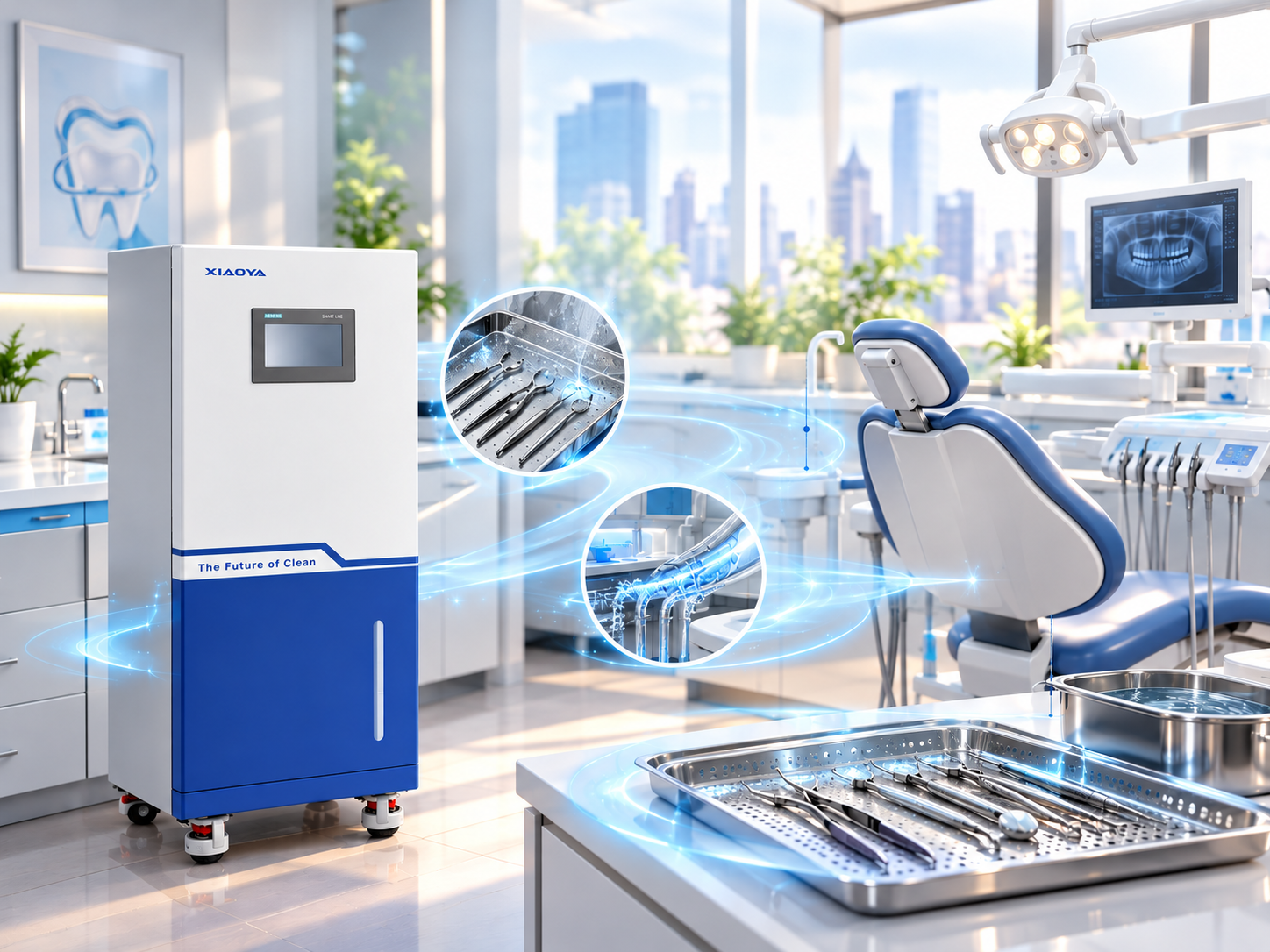
 Disinfection Empowers Orthodontic Safety: Hypochlorous Acid Generators Build a Sterile Defense Line for Dental Instruments
- Accumulating Strength and Reaching New Heights: A Record of the Production Breakthrough of Xiaoya Small Home Appliances' Hypochlorous Acid Generators
 How Do HOCl Generators Turn Salt and Water into Cleaning Solutions?
 Medical HOCl Generator Procurement: Service, Training, and Traceability
- Integrating a Medical HOCl Generator into Hospital Cleaning Stations
Leave us a message

Xiaoya Group was founded in 1979,expert in the electrolyzed water industry.
Get in Touch
*We respect your confidentiality and all information are protected.