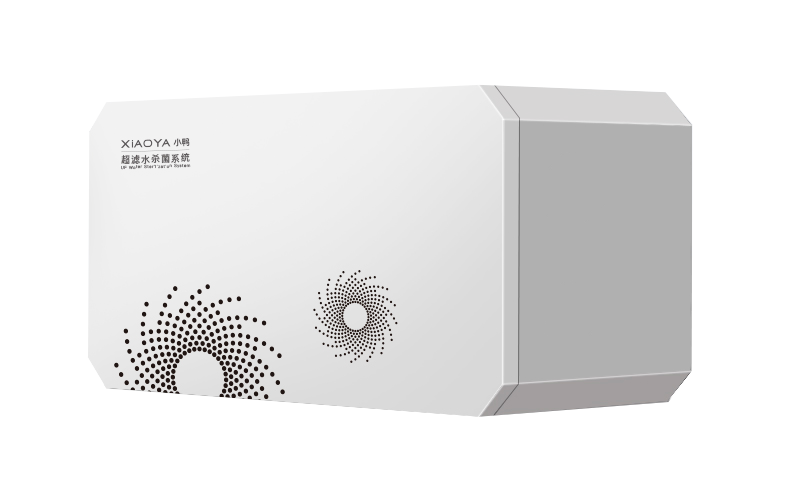
Understanding Peak Demand Challenges in Water Purification Systems
During seasonal surges or operational spikes, water purification systems face unprecedented stress that tests their design limits. Facilities experience 40-60% higher flow rates during peak periods compared to baseline operations, according to industry benchmarks. This strain manifests in three critical areas:
- Membrane fouling accelerates by 2-3x normal rates
- UV lamp efficacy decreases due to continuous operation
- Pump systems operate beyond optimal efficiency ranges
The Water purification system addresses these challenges through its hollow fiber PVC ultrafiltration membrane filter elements, designed to maintain 1000L/H flow rates without compromising the 3-5 year expected lifespan under proper maintenance.
Strategic Equipment Selection for High-Volume Scenarios
Procurement teams must evaluate five key specifications when selecting systems for peak performance environments:
- Flow Rate Buffer: Systems should exceed maximum projected demand by 20-25%
- Redundancy Design: Critical components like UV lamps require parallel configurations
- Material Resilience: PVC membranes outperform standard materials during flow surges
- Monitoring Integration: Real-time TDS and turbidity sensors prevent quality lapses
- Service Accessibility: Modular designs reduce downtime during maintenance
UV Sterilization Considerations
During high-demand periods, UV-C 254nm wavelength systems must maintain >99.9% sterilization rates despite increased flow. The lamp life specification becomes critical - systems with 8000-hour rated lamps typically require replacement at 7200-hour intervals during intensive use.
Proactive Maintenance Protocols
Implementing a 4-phase maintenance regimen can extend system longevity by 30-45% during peak operations:
Automated systems with self-cleaning cycles prove particularly effective, reducing manual intervention requirements by 60% during critical periods. The integration of remote monitoring capabilities allows maintenance teams to address 85% of common issues before they impact water quality.
Operational Optimization Techniques
Three operational adjustments can significantly enhance peak period performance:
- Staggered Filtration: Implement parallel filtration cycles to reduce individual system load by 35-40%
- Flow Balancing: Use buffer tanks to smooth demand spikes exceeding 15-minute durations
- Predictive Adjustments: Leverage historical data to pre-emptively increase UV intensity before known usage surges
Energy Efficiency Considerations
During peak operations, energy consumption typically increases by 22-28%. Variable frequency drives on pump systems can mitigate this increase by 8-12%, while maintaining the critical 1000L/H ultrafiltration flow rate needed for consistent output quality.
Frequently Asked Questions
How often should filter elements be replaced during peak demand periods?
The replacement interval shortens from the standard 6-9 months to 4-5 months during sustained high-volume operation. Conduct monthly integrity tests when systems operate above 80% capacity for more than 30 consecutive days.
What's the minimum UV lamp replacement frequency for peak performance?
Even with 8000-hour rated lamps, replace at 6000-hour intervals when systems operate at maximum UV sterilization capacity (0.35T/H) for more than 8 hours daily. This maintains the >99.9% sterilization rate standard.
Can existing systems be upgraded for peak demand without full replacement?
Yes, modular upgrades like adding parallel filtration banks or supplemental UV chambers can increase capacity by 40-60%. However, core infrastructure must support the increased flow rates and electrical loads.
Conclusion and Next Steps
Maintaining water purification performance during demand surges requires proactive equipment selection, intelligent operational practices, and disciplined maintenance. Systems designed for high-volume scenarios, like those featuring 1000L/H ultrafiltration capabilities and UV-C 254nm sterilization, provide the necessary resilience.
For procurement teams evaluating solutions, prioritize systems with verified performance data under peak conditions and modular designs that allow capacity expansion. Request demonstration of the system operating at 90-100% capacity for extended periods to verify manufacturer claims.
Contact our water treatment specialists to analyze your specific peak demand profile and recommend configuration optimizations for your operational requirements.
NEWS
 Upgrade in Healthy Living: Hypochlorous Acid Generators Become the New Standard for Luxury Villas
- The Ultimate Solution to Pet Shop Disinfection Challenges! XIAOYA Hypochlorous Acid Generator: Safe Pet Protection with Peace of Mind
 Hypochlorous Acid Generator vs Sodium Hypochlorite Generator
- Hypochlorous Acid Generator Supplier
- Hypochlorous Acid Generator Manufacturer
Leave us a message

Xiaoya Group was founded in 1979,expert in the electrolyzed water industry.
Get in Touch
*We respect your confidentiality and all information are protected.