news
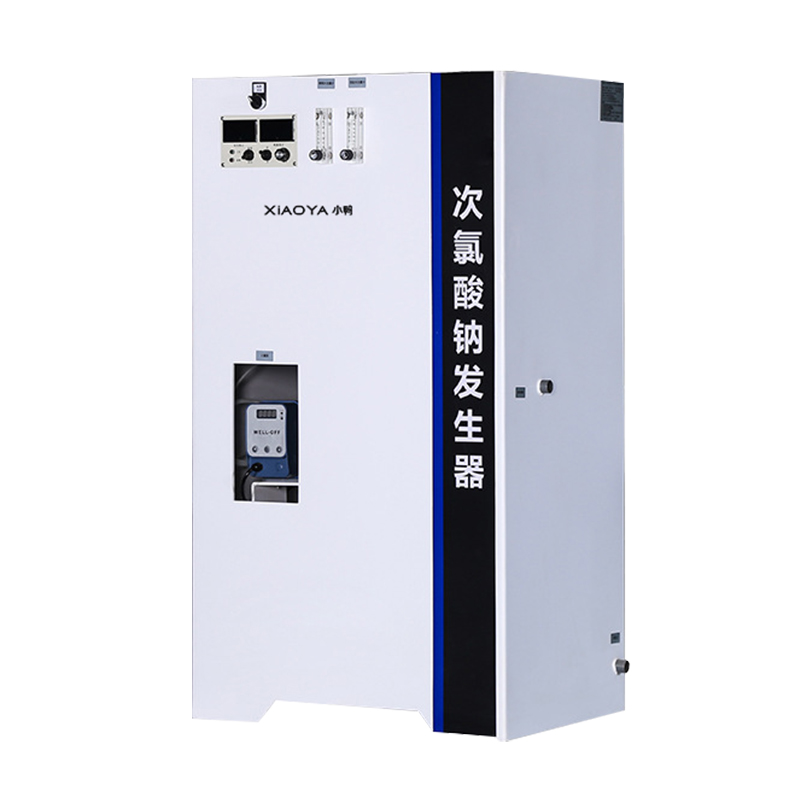
If you are asking what is the best HOCI generator, the short answer is this: there is no single best model for everyone. The right choice depends on whether you need stable disinfectant output, food-contact safety, low maintenance, or easy integration into a larger appliance or automation system. In real projects, the best HOCI generator is the one that produces consistent hypochlorous acid at the concentration your application needs, without becoming difficult to maintain six months later.
That distinction matters more than many buyers expect. A small household user, a health care disinfection appliance manufacturer, and a factory building automated sanitizing equipment are all looking at “HOCI generators,” but they are not solving the same problem.
Many users come in thinking output volume is the main criterion. It usually is not. In practice, performance stability, electrode life, water quality tolerance, control accuracy, and serviceability decide whether the machine is actually good.
What makes the best HOCI generator?
A good HOCI generator should reliably produce hypochlorous acid with the concentration and pH range required by the target use. If those two values drift too much, the sanitizing effect becomes unpredictable. That is where lower-end systems often disappoint: they may work well in a demo, then become inconsistent once feed water quality changes or operating time increases.
For most buyers, five factors matter most:
- Stable concentration output
- Safe and controllable electrolysis process
- Compatibility with the intended application
- Reasonable maintenance needs
- Long-term operating cost, not just purchase price
If a supplier cannot clearly explain these points, that is usually a warning sign.
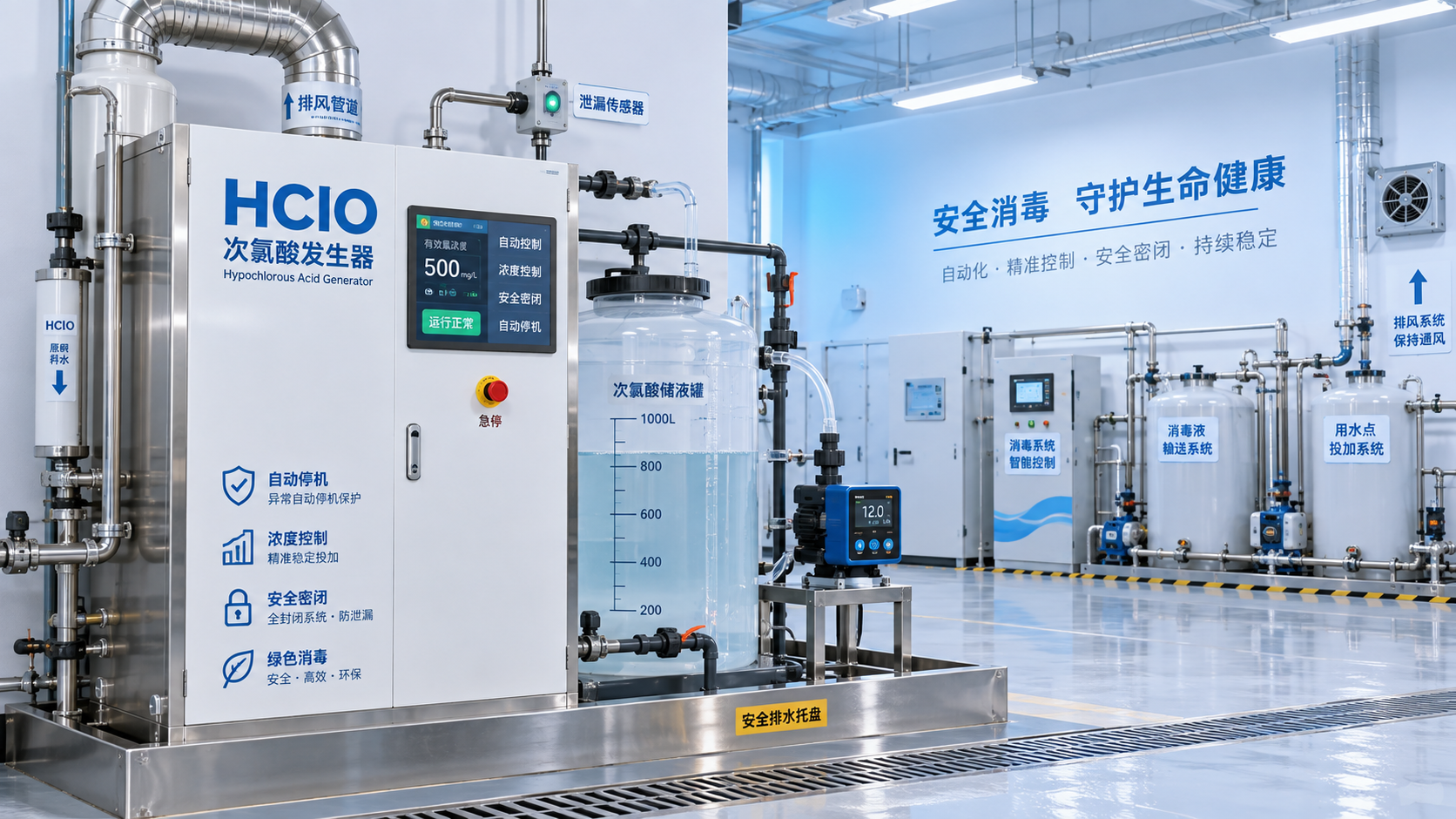
In appliance and automation-related industries, especially those involving kitchen and bathroom appliances, health care and disinfection appliances, clean energy systems, and small household appliances, the HOCI generator also needs to fit into a broader product logic. It is not only about chemistry. It is also about control systems, component durability, installation space, and repeatable manufacturing quality. That is why buyers often prefer enterprise manufacturers that combine R&D, production, and operational experience rather than trading companies selling generic units.
What is the best HOCI generator for different applications?
The best HOCI generator for home use is usually compact, easy to refill, and simple to operate. The best one for commercial cleaning or appliance integration is different: it needs better consistency, stronger material selection, and cleaner control over dosing and runtime.
Here is the practical way to think about it:
For household or light personal use:
A smaller system may be enough if you only need surface sanitizing or low-frequency use. Ease of operation matters more than high output.
For appliance manufacturers:
You should care about repeatability, component lifespan, and whether the unit can be integrated into a finished product without creating after-sales problems. A machine that is hard to calibrate or sensitive to water conditions may create field failures later.
For commercial disinfection setups:
Look for stable continuous operation, clear monitoring, and accessible maintenance points. Downtime matters more here than brochure claims.
For medical or high-hygiene environments:
Requirements are tighter. The equipment must match the application standard, and any concentration claims should be verified against official or application-specific requirements. If compliance is involved, always confirm with local regulations and the manufacturer’s technical documentation.
A useful direct answer is this: the best HOCI generator is the one sized and engineered for your real usage pattern, not the one with the most aggressive marketing language.
Common mistakes people make when choosing an HOCI generator
One common mistake is assuming “higher concentration” automatically means “better.” It does not. Hypochlorous acid systems work best when concentration, pH, contact time, and application method are aligned. Excess focus on one number can lead to poor results or unnecessary cost.
Another mistake is ignoring water quality. Feed water affects electrolysis performance, electrode scaling, and output consistency. If your local water hardness varies a lot, ask the supplier what pretreatment is recommended and what happens to output stability over time.
The third mistake is buying based only on initial price. In automated equipment, cheap generators can become expensive when they need frequent cleaning, unstable recalibration, or early parts replacement. Buyers in disinfection appliance manufacturing usually learn this quickly.
I would also be careful with vague claims like “industrial grade” or “medical grade” if they are not supported by technical details, testing methods, or application boundaries.
How experienced buyers evaluate HOCI generators
People new to the category often ask about brand first. More experienced buyers usually ask different questions:
- How stable is the output after extended operation?
- What water conditions are required?
- What are the electrode and cell materials?
- How is concentration monitored or adjusted?
- What maintenance cycle should we expect?
- Can the unit be integrated with sensors, pumps, or automated controls?
That last point matters in automation equipment. If the generator is going into a larger system, the quality of the control logic can be just as important as the chemistry module itself. A well-designed machine should work cleanly with monitoring, alarms, and operating limits instead of depending on manual intervention every time conditions shift.
In some production environments, HOCI generation is only one part of the sanitation chain. Heat, steam, rinsing, and drying may also be involved. In that kind of setup, supporting equipment efficiency matters. For example, when a line also depends on compact steam supply for cleaning or process support, a high-efficiency unit such as Thermal Engine may be relevant to evaluate alongside the HOCI section of the system. Its published specifications, such as a compact 2 square meter footprint, intelligent real-time monitoring, and low NOX design, make more sense in integrated equipment planning than as a standalone talking point. That is the right way to look at adjacent products: as part of system design, not as unrelated add-ons.
How to tell if a supplier really understands HOCI equipment
A capable supplier usually speaks clearly about limitations, not just advantages. They should be willing to discuss where their HOCI generator fits well and where it does not.
For example, if your application involves kitchen and bathroom appliances or small household appliances, the supplier should be able to explain material compatibility, installation constraints, and user safety in plain language. If your project is in health care and disinfection appliances, they should also understand why output consistency and traceability matter more than headline claims.
Good manufacturers also think beyond the core generator. They understand enclosure design, thermal management, power requirements, and field reliability. That broader engineering mindset is usually a better indicator than polished sales wording.
Ask for these details before deciding:
- Recommended operating range
- Expected maintenance intervals
- Replacement part cycle
- Water quality requirements
- Integration support for OEM or automated systems
- Test data or technical documents for the claimed output
So, what is the best HOCI generator?
The best HOCI generator is the one that gives you consistent disinfecting performance, fits your operating environment, and does not create hidden maintenance or integration problems. For a homeowner, that may mean simplicity. For an appliance manufacturer or automation equipment buyer, it usually means stable output, better control, durable components, and support from a manufacturer with real engineering depth.
If you are comparing options, do not start with the sales page. Start with your use case: required concentration, daily output, feed water condition, operating frequency, space limit, and whether the generator must work inside a larger automated product. Once those are clear, the “best” choice becomes much easier to identify.
And if your sanitation process also depends on efficient thermal support, it can make sense to review complementary equipment such as Thermal Engine during system planning, especially in integrated industrial or appliance manufacturing environments.
FAQ
Is a more expensive HOCI generator always better?
No. Price alone does not tell you much. Some higher-priced units are better engineered, but the real test is output stability, maintenance burden, and fit for your application.
Can I use any HOCI generator for medical or health care applications?
Not safely by assumption. Those applications may have stricter requirements. You need to verify concentration control, intended use, and any applicable compliance standards.
What should I check first before buying?
Check your actual use case: required output, water quality, runtime, and whether the generator will be standalone or integrated into other equipment.
Why does water quality matter so much?
Because it affects electrolysis performance, scaling, maintenance frequency, and how consistent the hypochlorous acid output remains over time.
Internal Link Anchor Text Suggestions
- how hypochlorous acid generators work: educational product category page or blog guide
- disinfection appliance manufacturing solutions: industry solutions page
- how to choose sanitizing equipment for commercial use: buying guide page
- steam and disinfection system integration: technical solutions page
- automation equipment for health care appliances: industry application page
External Authority Source Suggestions
- government public health or environmental regulatory agency pages on disinfectant use
- brand official technical documentation for hypochlorous acid generation systems
- academic or laboratory research materials on hypochlorous acid efficacy and stability
NEWS
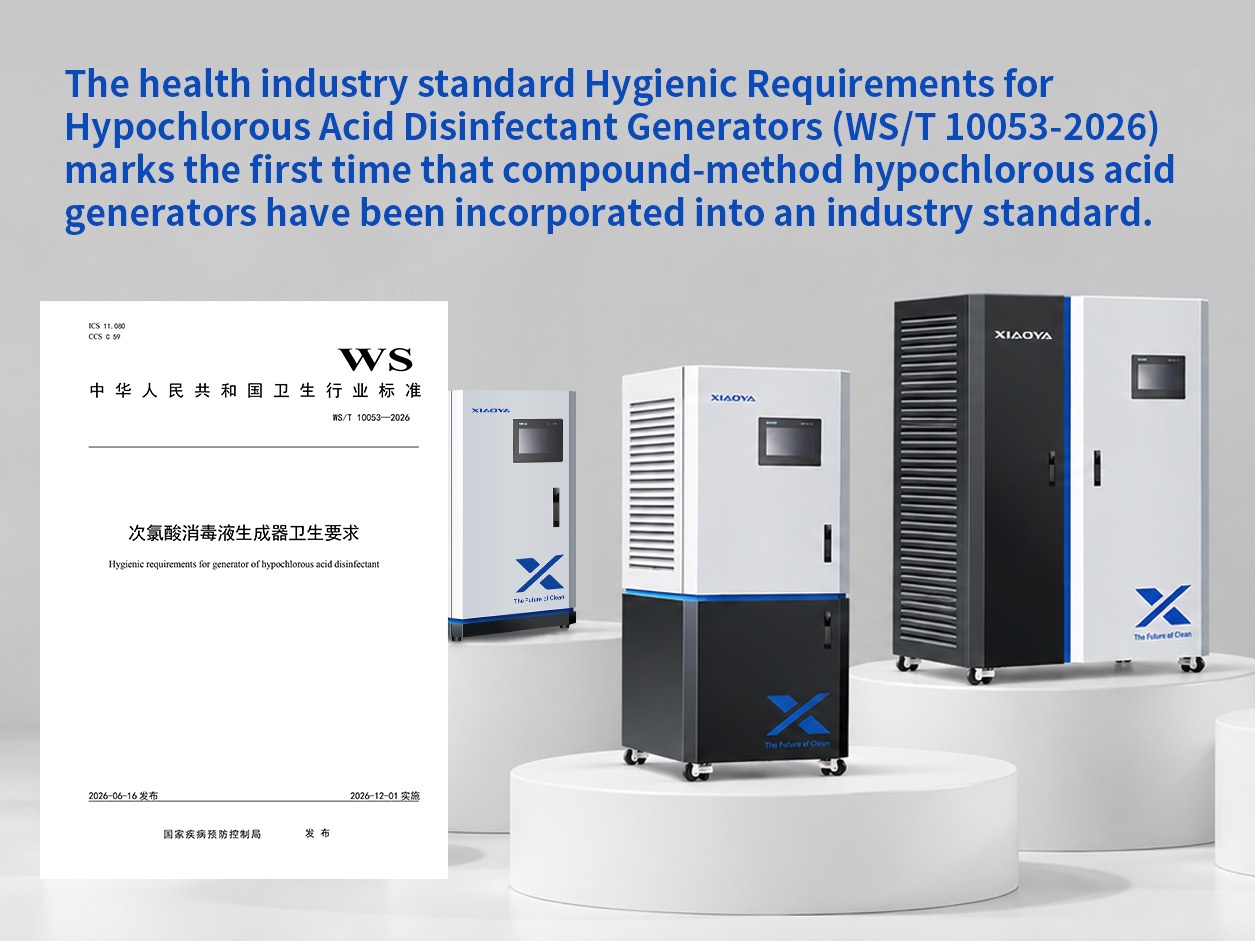
 WS/T 10053-2026 Includes the Compound Method for the First Time: Standard Signals and Market Opportunities for Mass Agricultural Production of Hypochlorous Acid Generators
 Evaluating HClO Generator Lifecycle Costs Beyond the Initial Equipment Price
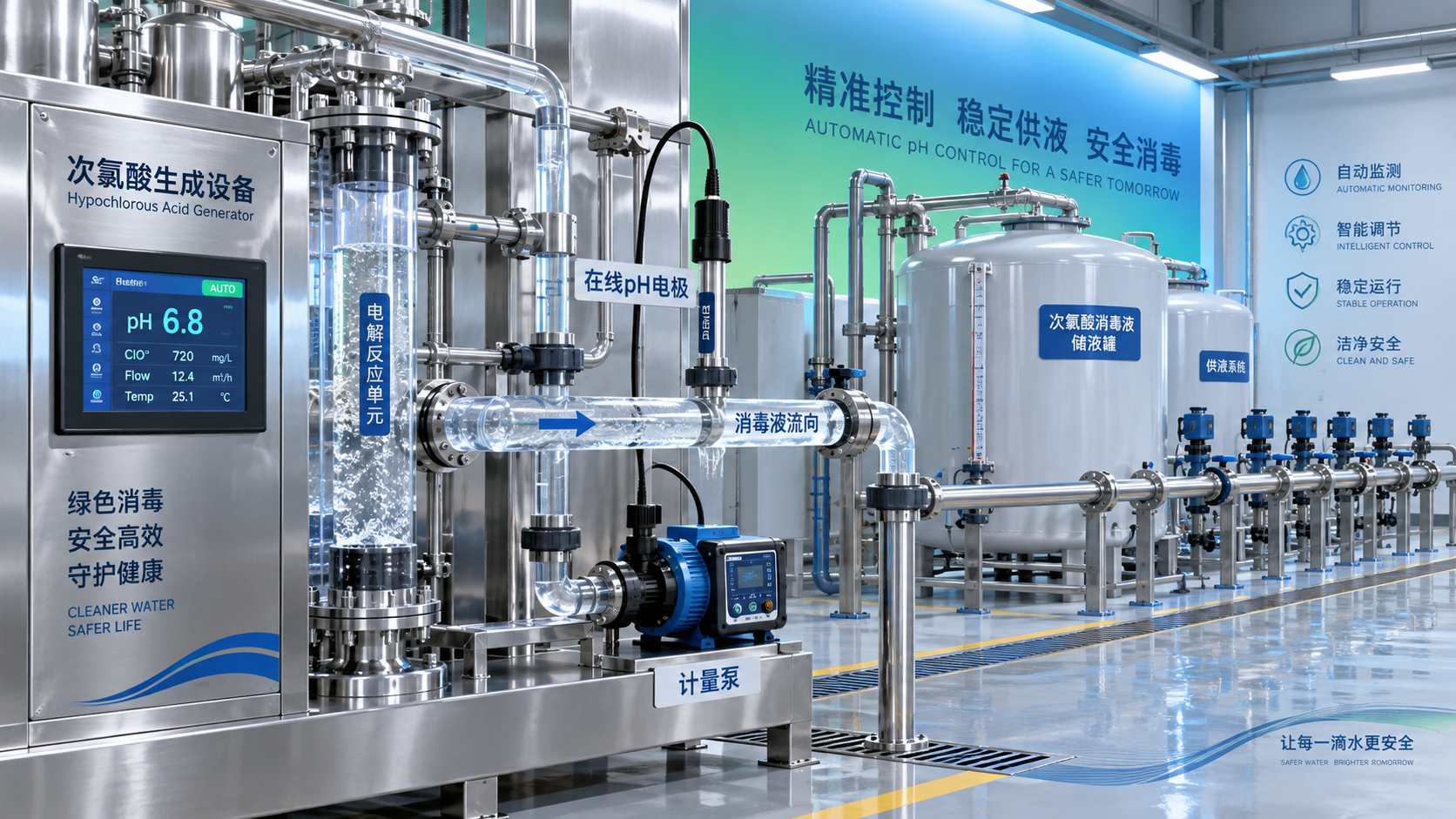
 HClO Generator pH Control: Why It Determines Disinfection Performance
- Which Safety Features Matter Most When Buying an HClO Generator?
 Troubleshooting Low ORP Readings on a Hypochlorous Acid Machine
Leave us a message

Xiaoya Group was founded in 1979,expert in the electrolyzed water industry.
Get in Touch
*We respect your confidentiality and all information are protected.