news
Start with the use case, not the machine
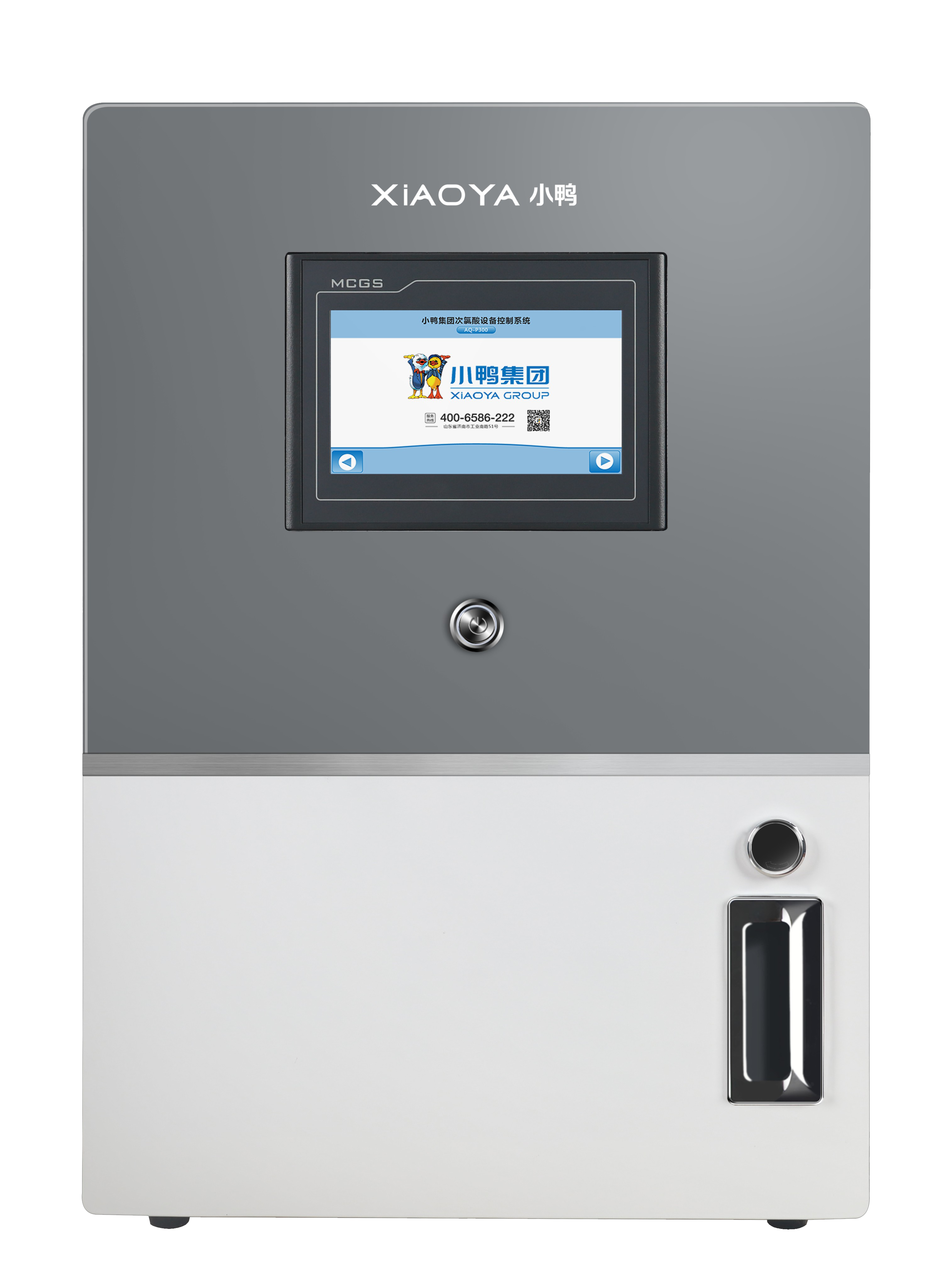
When a procurement team is comparing a Dentistry Hypochlorous AcidGenerator, the expensive mistake is treating it like a generic disinfection device. In dental settings, the question is not just whether the unit can produce hypochlorous acid. The real question is whether it can produce a consistent solution that fits your intended workflow, your water conditions, your compliance documents, and your maintenance capacity.
That changes the buying checklist quite a bit. A low upfront price means very little if the output drifts, the electrodes wear quickly, or the machine adds work for staff who already have no spare time.
Check what the unit is actually expected to do
Before comparing models, pin down the job. Some buyers need on-site solution generation for routine disinfection. Others are evaluating the equipment as part of a broader water treatment or hygiene control process. Those are different purchasing decisions.
- Where will the generated solution be used?
- How much solution is needed per shift or per day?
- Will demand be steady or peak at certain times?
- Does the process require immediate use after generation, or short-term storage?
If your team cannot answer those points clearly, every later comparison will be fuzzy. You will end up buying by brochure language instead of operational fit.
Look for output stability, not just output capability
A Dentistry Hypochlorous AcidGenerator may be described as efficient or high-output, but procurement should care more about stability over time. Consistency is what protects your process. If concentration, pH behavior, or generation performance varies too much from run to run, you are left with a system that looks fine on paper and creates trouble in use.
Ask the supplier to explain how the equipment controls the electrolysis process, what operating conditions affect output, and what records are available for routine verification. If a supplier can only speak in general terms and cannot describe how users monitor production consistency, treat that as a warning sign.
Review water input requirements early
This point gets skipped too often. Hypochlorous acid generation is sensitive to feed water quality and operating conditions. If your facility water source varies, or if pretreatment is needed, that has to be identified before purchase, not after installation.
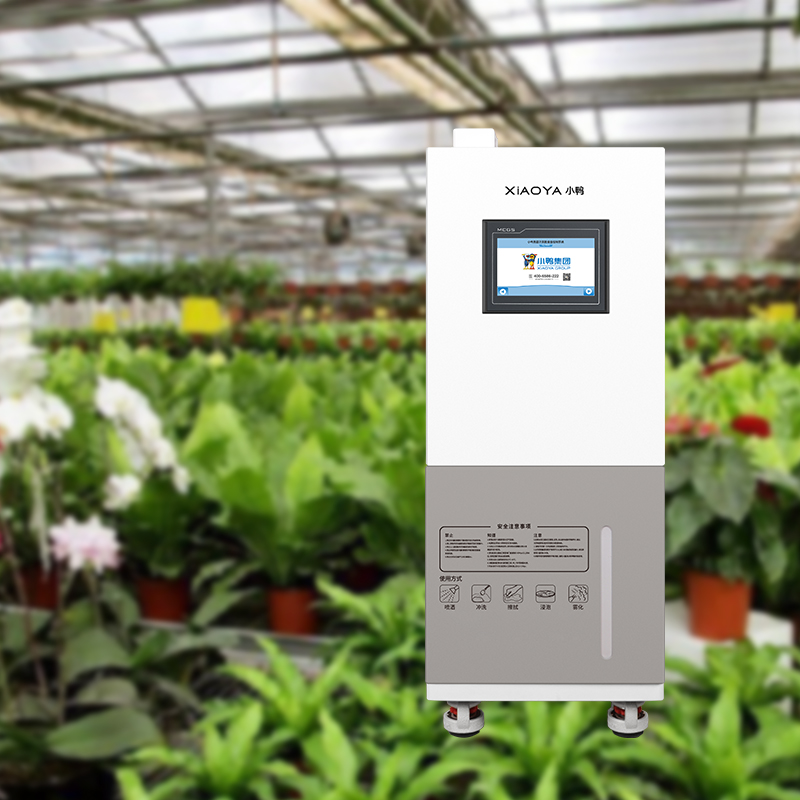
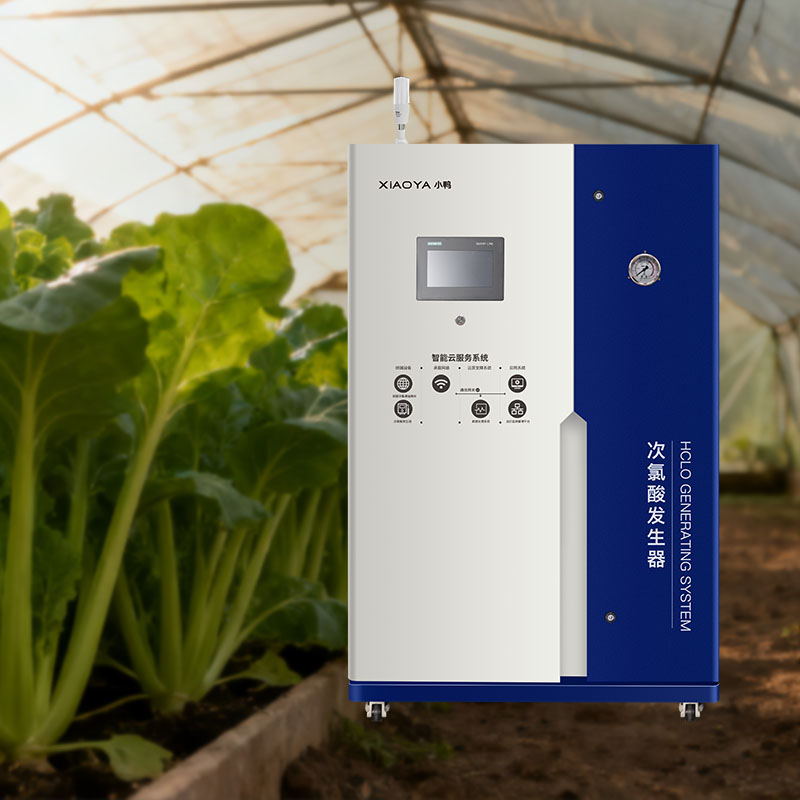
Procurement should ask for the required water input conditions, the acceptable operating range, and the effect of off-spec water on the machine, the electrodes, and the resulting solution. If the equipment is being considered for both disinfection and water treatment tasks, this becomes even more important. A machine such as Pure Hypochlorous Acid (HClO) Electrolyzer may fit buyers looking at cost-effective on-site generation, but the fit still depends on whether the actual plant conditions match the unit’s operating expectations.
Inspect materials that contact the solution
In this category, material compatibility is not a side detail. It affects service life, cleaning frequency, leak risk, and long-term reliability. Ask what materials are used in the electrolytic cell, pipes, seals, tanks, and fittings that contact the generated solution.
A common buying error is focusing on the main machine body while ignoring valves, tubing, and small wetted parts. Those small components are often where failure shows up first. If the supplier cannot provide a clear bill of key contact materials, your team is being asked to buy blind.
Do not separate compliance paperwork from the equipment review
For procurement, documents are part of the machine. The right review path depends on your market, the equipment category, and how the generated solution will be used internally. That means you should check the product specification sheet, operating manual, installation requirements, maintenance instructions, and any quality or manufacturing records the supplier routinely provides.
The practical question is simple: can your quality, engineering, and purchasing teams all trace how this device is supposed to be installed, operated, maintained, and controlled? If the answer is no, the machine will create approval delays later, even if the hardware itself is acceptable.
Check maintenance load before checking price concessions
Maintenance burden is where total cost usually drifts away from the quote. Ask what routine cleaning is required, which consumables are involved, how often electrodes or related parts are expected to be serviced, and what signs indicate declining performance.
A machine that is slightly more expensive but easier to maintain often wins over the life of the asset.
Evaluate the supplier as an operating partner
For automation equipment buyers, supplier capability matters almost as much as the generator itself. You are not just buying a box; you are buying response time, replacement support, document control, and production discipline.
This is especially relevant when dealing with manufacturers that span health care and disinfection appliances, household systems, and other engineered product lines. That kind of R&D and production background can be useful, but procurement still needs to verify how mature the supplier is in this exact equipment category. Ask who handles technical support, where spare parts are stocked, and how nonconformities are managed when field issues appear.
Confirm installation realities
Some Dentistry Hypochlorous AcidGenerator projects get stuck because the site team learns too late that utility connections, drainage, ventilation, or operating space were underestimated. Review installation drawings and service access needs before approval. You want to know whether normal maintenance can be done without dismantling surrounding equipment or blocking nearby workflows.
If the unit will be part of a broader hygiene or treatment line, also check how it connects to upstream and downstream controls. Small interface mismatches turn into handover delays very quickly.
Ask for a decision package, not scattered answers
By the time you are near selection, your team should be able to compare candidates using one document set: intended use, output control method, water input requirements, wetted materials, maintenance plan, installation conditions, support model, and commercial terms. If you have to reconstruct the picture from email fragments, the supplier is making evaluation harder than it should be.
That is also the stage where a product like the Pure Hypochlorous Acid (HClO) Electrolyzer may enter the shortlist for buyers balancing efficiency and cost, especially when on-site generation is being considered for disinfection or water treatment workflows. The shortlist decision still needs to come from documented fit, not a general product claim.
A practical order for the final review
Run the review in this order: application fit, output stability, water requirements, contact materials, maintenance load, installation needs, then supplier support. Leave price negotiations until the technical and operational gaps are visible. That sequence saves time because it removes the weak candidates before commercial discussions get too far.
For procurement teams, that is usually the cleanest way to choose a Dentistry Hypochlorous AcidGenerator without inheriting hidden cost, avoidable downtime, or paperwork problems six months later.
NEWS
 Upgrade in Healthy Living: Hypochlorous Acid Generators Become the New Standard for Luxury Villas
- The Ultimate Solution to Pet Shop Disinfection Challenges! XIAOYA Hypochlorous Acid Generator: Safe Pet Protection with Peace of Mind
 Hypochlorous Acid Generator vs Sodium Hypochlorite Generator
- Hypochlorous Acid Generator Supplier
- Hypochlorous Acid Generator Manufacturer
Leave us a message

Xiaoya Group was founded in 1979,expert in the electrolyzed water industry.
Get in Touch
*We respect your confidentiality and all information are protected.