news
What to check before relying on hypochlorous acid for chairside surfaces
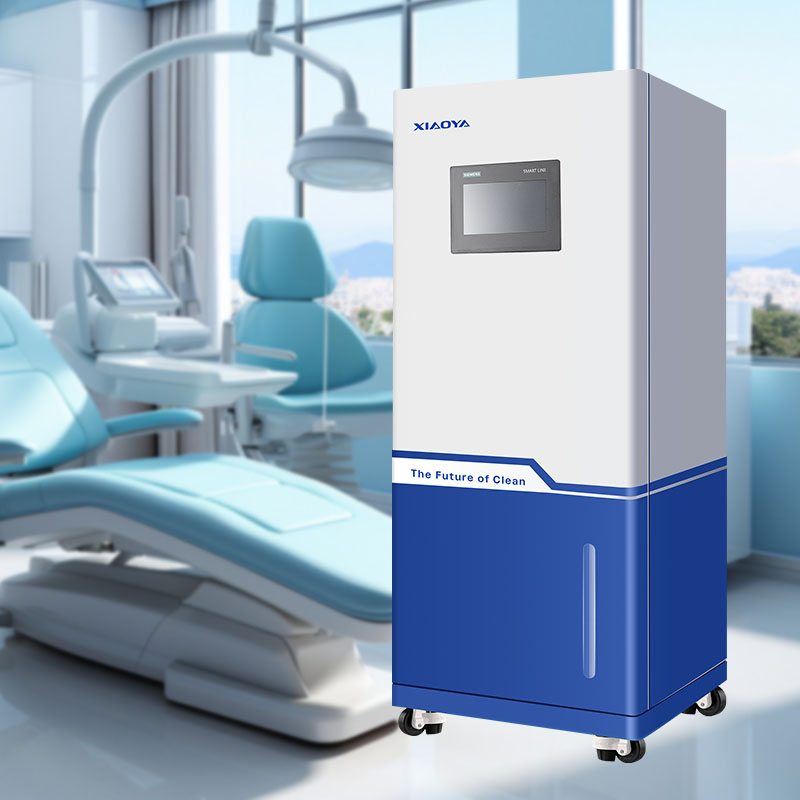
When people look into a Dentistry Hypochlorous AcidGenerator, they usually care about one thing: can it make day-to-day dental surface disinfection simpler without creating extra risk or extra work? That is the right question. In a chairside setting, surfaces get touched constantly, turnover is fast, and nobody wants a cleaning step that slows treatment down or leaves doubt behind.
A hypochlorous acid system can be a practical answer because it supports quick routine disinfection while fitting into the kind of hygiene expectations people now bring into any health-related environment. Still, the value is not just in having the machine. It depends on how the solution is produced, where it is used, what surfaces are being treated, and whether the clinic follows a repeatable process instead of using it casually.
Start with the actual chairside contact points
Before judging any disinfection setup, walk through the patient area and list the surfaces that are touched between appointments. Light handles, bracket tables, chair controls, counter edges, drawer pulls, and nearby device panels matter more than large areas that rarely get touched. This sounds basic, but it is where people often get distracted. They focus on the idea of a disinfectant and forget to map the real contamination path.
If a Dentistry Hypochlorous AcidGenerator is going to help, it should make those high-frequency touchpoints easier to handle on a tight turnaround, not just add another bottle to the room.
Check whether the clinic is using it for the right job
Hypochlorous acid works best when people use it for the role it is suited for: routine surface disinfection within a defined workflow. It should not be treated as a catch-all answer for every cleaning problem in the operatory.
- If a surface is visibly soiled, cleaning has to come first.
- If the item is a medical device with manufacturer-specific reprocessing instructions, those instructions still control the method.
- If the area has frequent wipe-down cycles between patients, ease and speed become part of the decision, not an afterthought.
That distinction matters because disappointment usually comes from mismatched expectations, not from the chemistry itself.
Look at compatibility, not just disinfection claims
Consumers and clinic buyers alike tend to ask whether the solution disinfects. They should also ask what repeated exposure does to the surfaces being treated. Chairside areas include plastics, coated metals, touch panels, synthetic upholstery, and accessory housings. A disinfection routine that works in theory but dulls controls, damages finishes, or leaves residue on transparent covers will not last.
The practical check is simple: compare the surface materials in the operatory with the care instructions provided for those items, then see whether the planned hypochlorous acid application method matches them. Pay attention to seams, screens, and joints where over-wetting can become the real problem.
Ask how the solution is produced and handled on site
This is where a generator earns its place. If staff are producing disinfectant on site, the routine can become more consistent and less dependent on outside supply cycles. That is especially appealing in settings that want a steady chairside cleaning process without juggling many different products.
What you want to see is a straightforward handling process: clear filling or preparation steps, defined storage containers, and a habit of making only what fits normal use patterns. If nobody in the clinic can explain how fresh solution moves from generation to application, the system is probably being used loosely, and that usually shows up as uneven surface disinfection.
Watch the application method between patients
The best setup is the one staff can repeat correctly when the schedule is full. In real chairside use, that means checking more than the machine itself. Look at the wipe, spray, or dispensing routine around it.
That last point is easy to underestimate. A disinfection method only helps when it survives a busy day.
Do not ignore the “looks clean” trap
In dental environments, visual cleanliness can be misleading. A counter may look spotless and still need proper disinfection after contact-heavy procedures. Hypochlorous acid systems are useful because they support regular turnover cleaning without making the room smell harsh or feel overprocessed, but that convenience can also tempt people to become casual.
A good check is whether the clinic has a clear separation between cleaning for appearance and disinfection for infection control. If those two ideas are blended together, consistency usually slips.
Evaluate the generator as an appliance, not just a chemical source
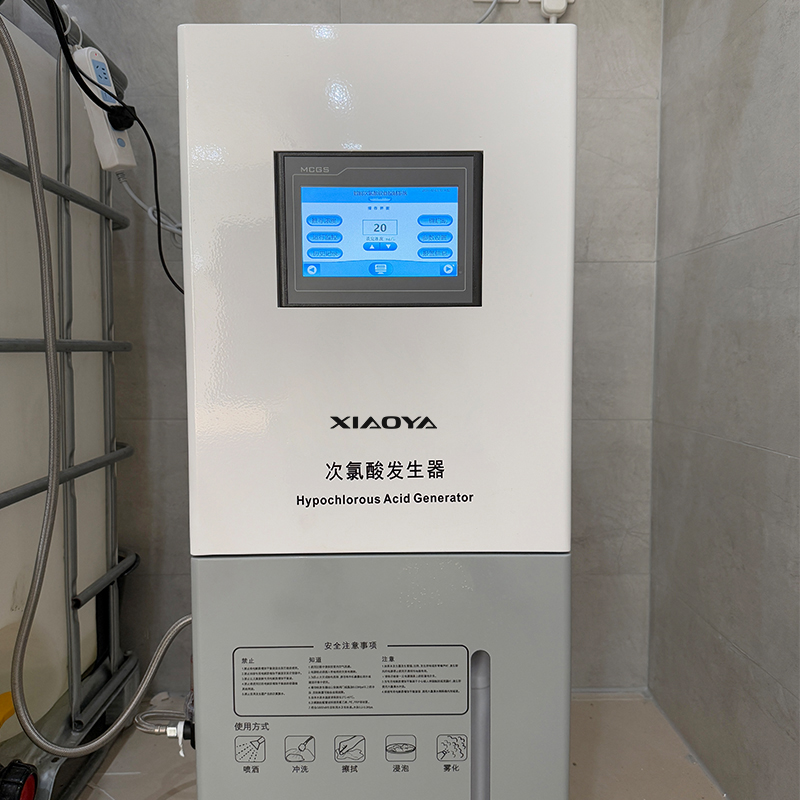
For end users, build quality and day-to-day usability matter. A generator used in a hygiene-sensitive setting should feel like a dependable appliance: simple controls, manageable upkeep, and a workflow that does not rely on one highly trained person being present every time. That matters even more when the manufacturer comes from a background that combines appliance development, health-oriented disinfection products, and integrated production capability, because the real benefit is usually in reliable routine use rather than flashy positioning.
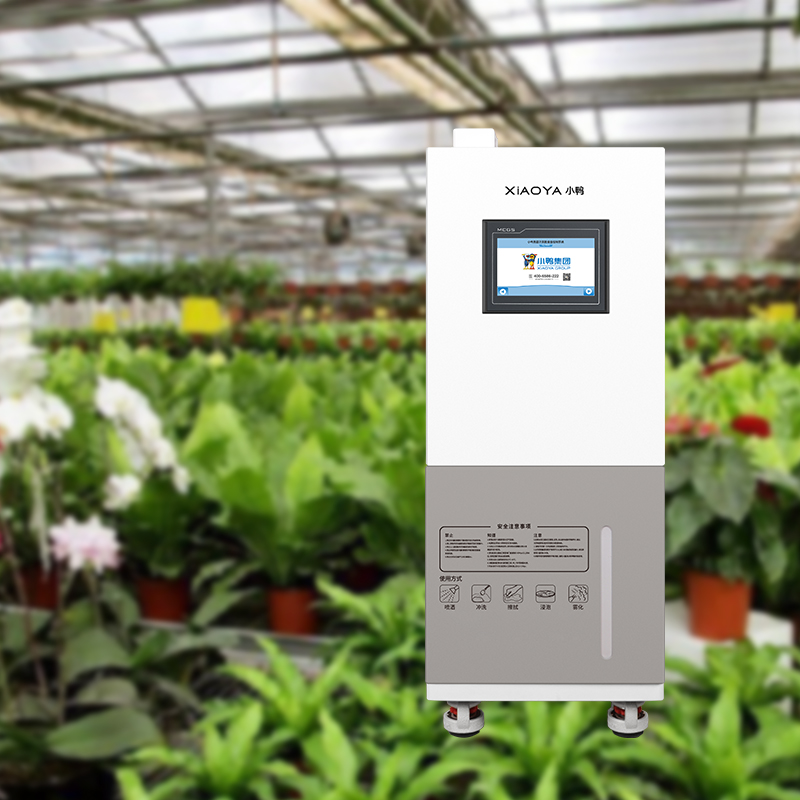
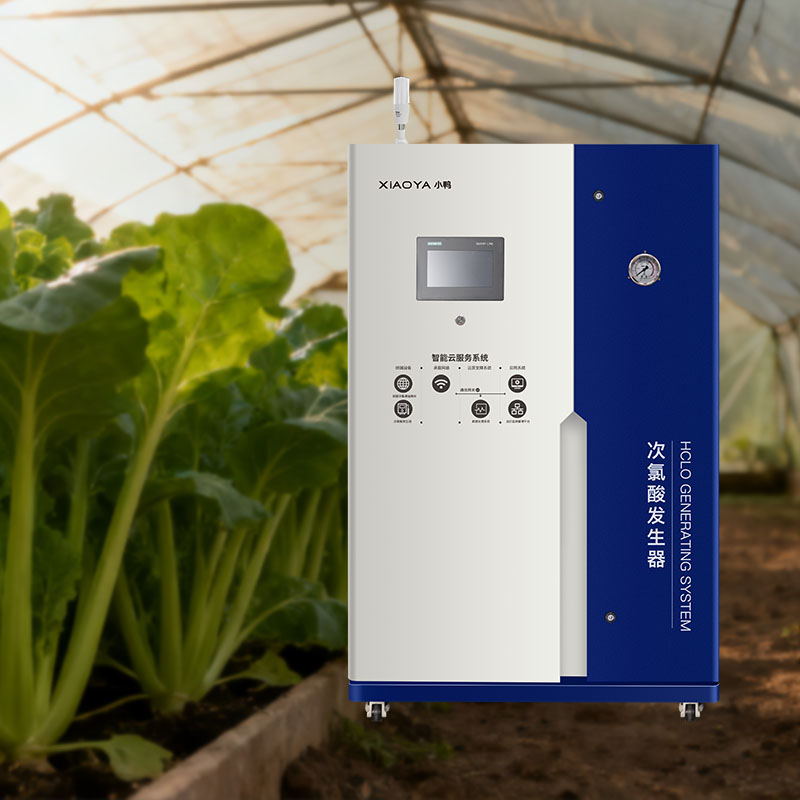
If you are comparing options, one example to review in context is Hypochlorous Acid Generator for Public Health (AQ-P1000). The useful question is not whether the name sounds professional. It is whether the unit fits the space, the cleaning rhythm, and the handling discipline of a chairside setting.
Check the handoff between generation and surface use
A weak point in many setups is the gap between making the solution and actually using it well. Labels get skipped. Containers get reused without a clear routine. Staff members each develop their own method. None of that is dramatic, but it chips away at reliability.
- Use designated containers for chairside disinfection instead of whatever spray bottle is available.
- Keep the operatory supply separate from general cleaning supplies.
- Make sure staff can describe the room-turnover sequence the same way.
When those details are stable, a Dentistry Hypochlorous AcidGenerator becomes part of an actual system, not a gadget sitting near the sink.
A practical buying filter for consumers and clinic decision-makers
If you are choosing for a dental environment, keep the checklist grounded. Ask whether the generator supports frequent chairside disinfection, whether the surfaces in use can tolerate the routine, whether staff can apply it consistently between patients, and whether the whole process is easy to maintain over time. Those four points will tell you more than broad marketing language.
The sensible order is to map the touchpoints first, review surface compatibility next, then watch the room-turnover routine in practice. Only after that should you judge the unit itself. That sequence keeps the decision tied to real disinfection performance, which is exactly where a chairside solution has to prove itself.
NEWS
 Upgrade in Healthy Living: Hypochlorous Acid Generators Become the New Standard for Luxury Villas
- The Ultimate Solution to Pet Shop Disinfection Challenges! XIAOYA Hypochlorous Acid Generator: Safe Pet Protection with Peace of Mind
 Hypochlorous Acid Generator vs Sodium Hypochlorite Generator
- Hypochlorous Acid Generator Supplier
- Hypochlorous Acid Generator Manufacturer
Leave us a message

Xiaoya Group was founded in 1979,expert in the electrolyzed water industry.
Get in Touch
*We respect your confidentiality and all information are protected.