




news
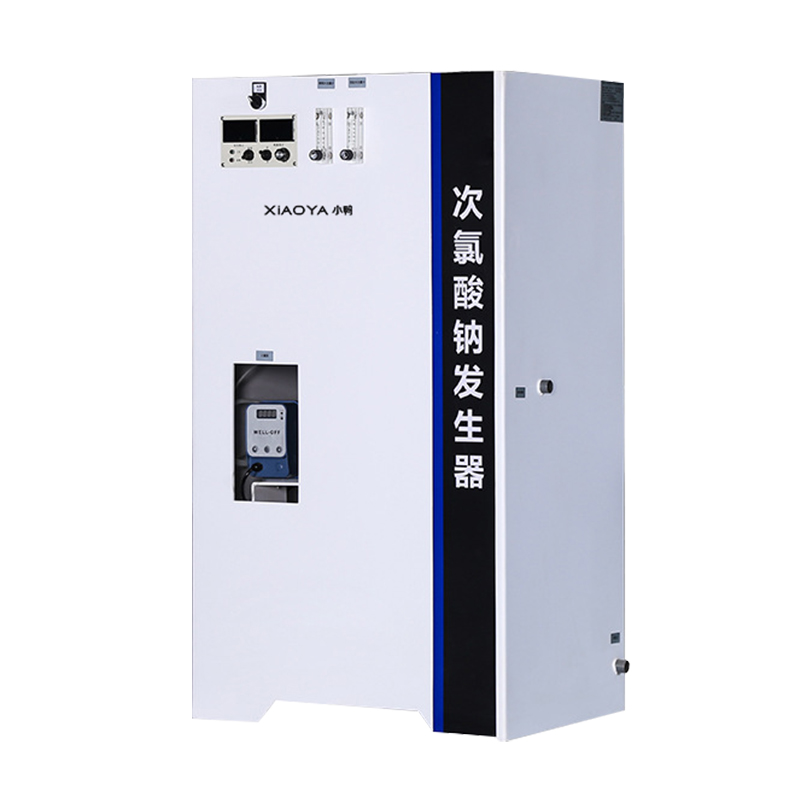
Selecting the right materials is critical when integrating hclo disinfection into automated equipment. For project managers and engineering leads, material compatibility affects system reliability, corrosion resistance, maintenance cycles, and long-term operating costs. This article outlines which metals, plastics, seals, and components perform best in HClO-based environments, helping you make safer, more efficient decisions for automated systems used in hygiene-sensitive applications.
What Project Managers Need to Know First About HClO Compatibility
The short answer is that HClO disinfection is generally compatible with many engineering materials, but not all of them perform equally well in automated equipment.
For project leaders, the real issue is not whether hclo disinfection works, but whether repeated exposure will shorten component life or raise maintenance costs.
In automated systems, compatibility depends on concentration, pH, contact time, temperature, flow conditions, and whether the solution is sprayed, circulated, stored, or atomized.
Materials that appear acceptable in short laboratory tests may still fail in production environments where stress, vibration, heat, and chemical cycling occur together.
That is why material selection should be based on whole-system risk, not on isolated claims that a metal or polymer is “chemical resistant.”
Which Metals Perform Best in HClO-Based Automated Equipment
Among metals, high-grade stainless steels are often the most practical choice, especially where hygiene, durability, and cleanability are all important.
316 or 316L stainless steel is usually preferred over 304 in hclo disinfection environments because it offers better resistance to chloride-related corrosion and pitting.
For pipelines, tanks, spray manifolds, brackets, and wetted frames, 316L is commonly chosen when systems require frequent sanitation cycles and long service intervals.
304 stainless steel may still be used in lower-risk external structures, but it is less desirable for constant contact with oxidizing disinfectant solutions.
Titanium can perform very well in aggressive water-treatment applications, but its higher cost usually limits use to specialized sections rather than entire machines.
Aluminum is generally a weaker option where HClO is repeatedly present. It can suffer surface attack, discoloration, and performance loss over time.
Carbon steel should also be avoided in direct contact zones unless it is fully isolated, because oxidation and corrosion risk are high.
Brass and copper alloys require caution. Although they may be present in some valves or fittings, oxidizing disinfectants can accelerate degradation and contaminate systems.
If metallic compatibility is a top priority, engineering teams should favor 316L stainless steel for wetted parts and minimize mixed-metal contact points.
Which Plastics and Polymers Are More Reliable
Many automated disinfection systems depend heavily on plastics, especially in tubing, housings, dosing assemblies, spray nozzles, sensor fittings, and fluid paths.
Among common options, PVC, CPVC, PTFE, PVDF, and polyethylene often show good compatibility with properly controlled hclo disinfection solutions.
PTFE is especially valued for its strong chemical resistance and low reactivity, making it suitable for seals, tubing liners, and critical transfer points.
PVDF is another strong performer where both chemical resistance and mechanical stability matter. It is often used in higher-grade fluid-handling systems.
CPVC can be a practical balance between cost and resistance in moderate conditions, especially for piping and fittings in controlled sanitation loops.
Polypropylene may work in many designs, but its actual lifespan depends on temperature, stress, and formulation quality, so supplier verification is important.
ABS, polycarbonate, and some lower-grade elastomer-modified plastics may be more vulnerable to cracking, embrittlement, or surface degradation over time.
For external covers, non-wetted structures, or short-exposure components, these plastics may still be usable, but they should not be assumed safe by default.
Project managers should ask for compatibility data under real operating conditions, especially if the system includes heat, UV exposure, or frequent cleaning cycles.
Seals, Gaskets, and Hoses Are Often the First Failure Points
In many automated units, the earliest failures do not occur in tanks or frames. They happen in gaskets, O-rings, hoses, diaphragms, and valve seats.
EPDM is often selected for disinfectant systems because it generally performs better than many alternatives in oxidizing aqueous environments.
PTFE-based sealing components also offer strong resistance and are useful where dimensional stability and low chemical interaction are required.
Viton and nitrile may be acceptable in some limited conditions, but they are not always the best long-term choice for frequent HClO exposure.
Silicone can be useful in specific hygienic applications, but its performance should be validated because softness, swelling, or aging may become concerns.
Flexible tubing deserves extra attention. A chemically resistant rigid pipe may last years, while a low-grade hose in the same line may fail much sooner.
For this reason, seal kits and hose assemblies should be reviewed as critical maintenance items during procurement, not treated as minor accessories.
How Operating Conditions Change Material Compatibility
Material selection cannot be separated from process design. The same material may perform well at low concentration and fail under stronger or hotter cycles.
Higher temperatures usually accelerate chemical attack, while stagnant storage can increase local exposure and raise the chance of corrosion or deposit formation.
Spray systems may create different stress patterns than immersion systems because droplets, aeration, and repeated wet-dry cycles affect surfaces differently.
Electrochemical factors also matter. If dissimilar metals are connected in wet conditions, galvanic corrosion may become a hidden problem.
That is why project teams should review actual use cases: concentration range, refill schedule, line pressure, CIP frequency, shutdown periods, and cleaning chemistry.
In water-related automation projects, upstream treatment quality also matters because mineral content, chlorides, and impurities can intensify corrosion behavior.
For systems requiring stable disinfection water quality, some manufacturers pair automated dosing and sanitation loops with Water Treatment Equipment to improve consistency and reduce variability in source water.
How to Evaluate Compatibility Before Final Procurement
For project managers, the best approach is to move beyond general compatibility charts and create a practical evaluation checklist before locking specifications.
First, identify all wetted materials, including hidden parts inside pumps, valves, sensors, and connectors, not just the visible pipework or main tank.
Second, confirm the exact HClO operating window, including concentration, pH, temperature, retention time, and cleaning frequency.
Third, ask suppliers for test evidence, service references, and replacement-cycle expectations under conditions close to your own application.
Fourth, review maintenance economics. A cheaper material may increase downtime if seals, nozzles, or fittings require frequent replacement.
Fifth, consider certification and process discipline. In hygiene-sensitive sectors, stable manufacturing quality can matter as much as base material selection.
Where automation is integrated into larger water or sanitation projects, reliable control and pretreatment design can also reduce stress on downstream components.
For example, engineered systems with PLC intelligent control, pretreatment integration, and fully automatic operation can help maintain more stable process conditions.
Best-Practice Material Strategy for Automated HClO Disinfection Systems
If you need a practical default strategy, use 316L stainless steel for major wetted metal parts and PTFE, PVDF, CPVC, or verified polyethylene for fluid-contact polymers.
Select EPDM or PTFE-based sealing materials where possible, and carefully validate hoses, pump diaphragms, valve seats, and sensor interfaces before approval.
Avoid assuming that external-grade materials are suitable for wetted zones, and avoid low-cost substitutions unless lifecycle testing supports them.
Also, standardize around a limited number of proven materials across projects. This simplifies spare parts, reduces procurement risk, and improves maintenance planning.
In larger hygiene or utility projects, especially those linked to treatment, reuse, or supply systems, integrated infrastructure matters as well.
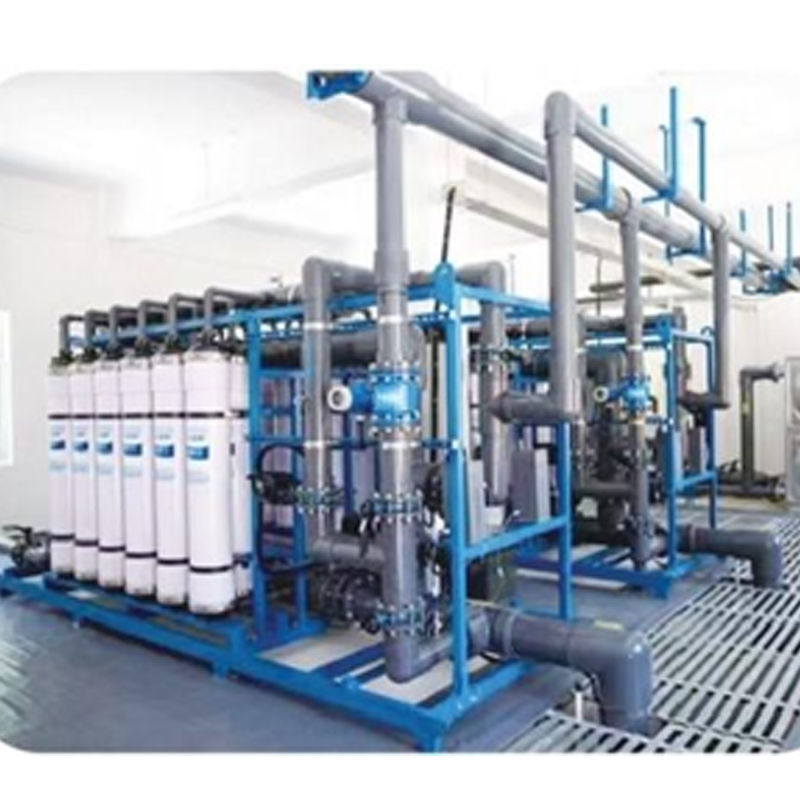
For teams evaluating broader process support, Water Treatment Equipment with reverse osmosis, ultrafiltration, PLC control, and remote commissioning support may help stabilize water conditions around disinfection operations.
Conclusion
For automated equipment, the best materials for hclo disinfection are usually 316L stainless steel, PTFE, PVDF, CPVC, suitable polyethylene grades, and well-chosen EPDM seals.
The biggest mistakes are relying on generic resistance claims, overlooking seals and hoses, and ignoring how temperature, concentration, and water quality affect lifespan.
Project managers should evaluate compatibility as a lifecycle decision, not just a procurement detail. Done well, it improves reliability, hygiene performance, and long-term cost control.
If your system will operate in hygiene-sensitive environments, careful material selection is one of the most practical ways to reduce risk before installation even begins.
NEWS
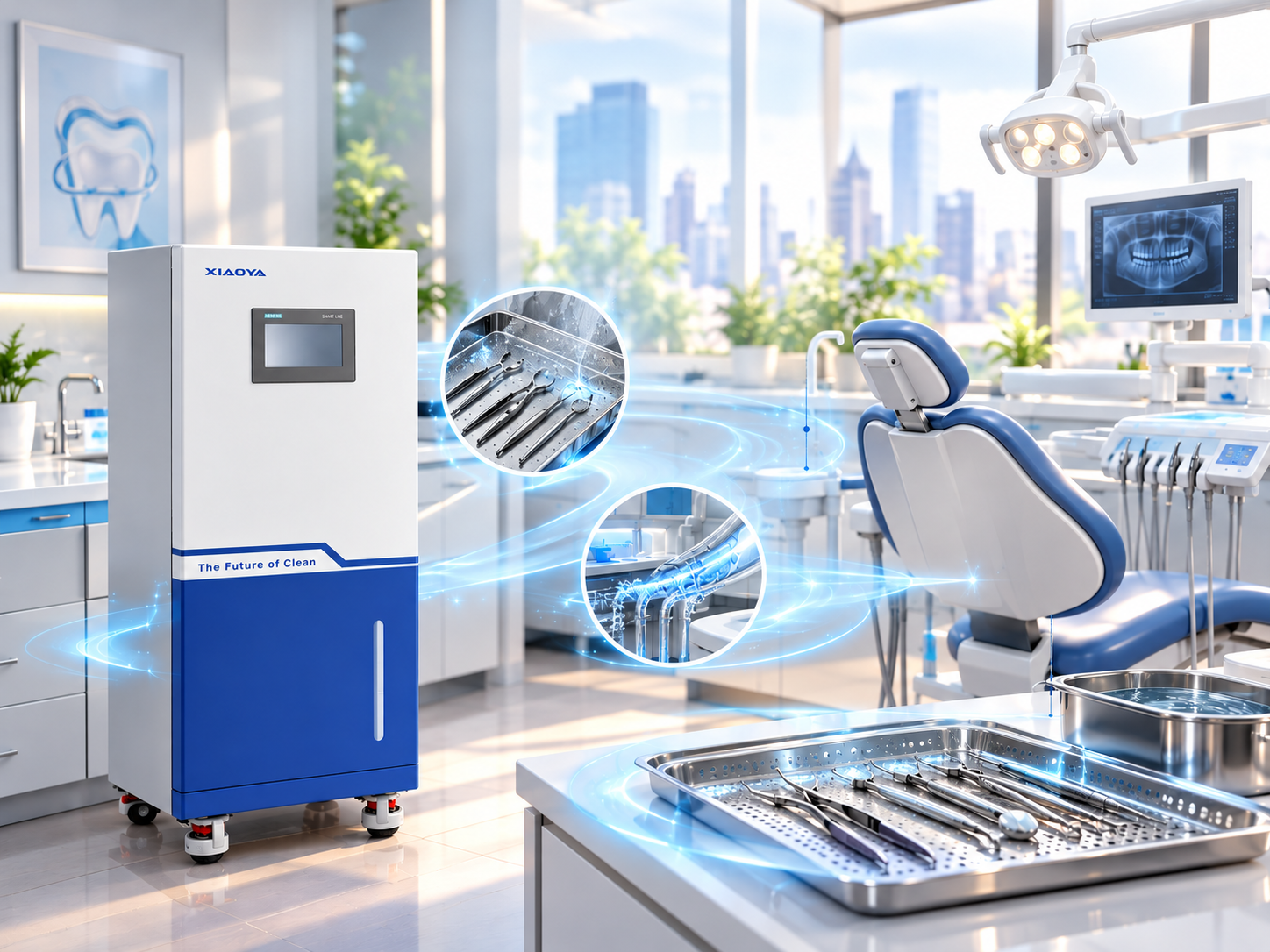
 Disinfection Empowers Orthodontic Safety: Hypochlorous Acid Generators Build a Sterile Defense Line for Dental Instruments
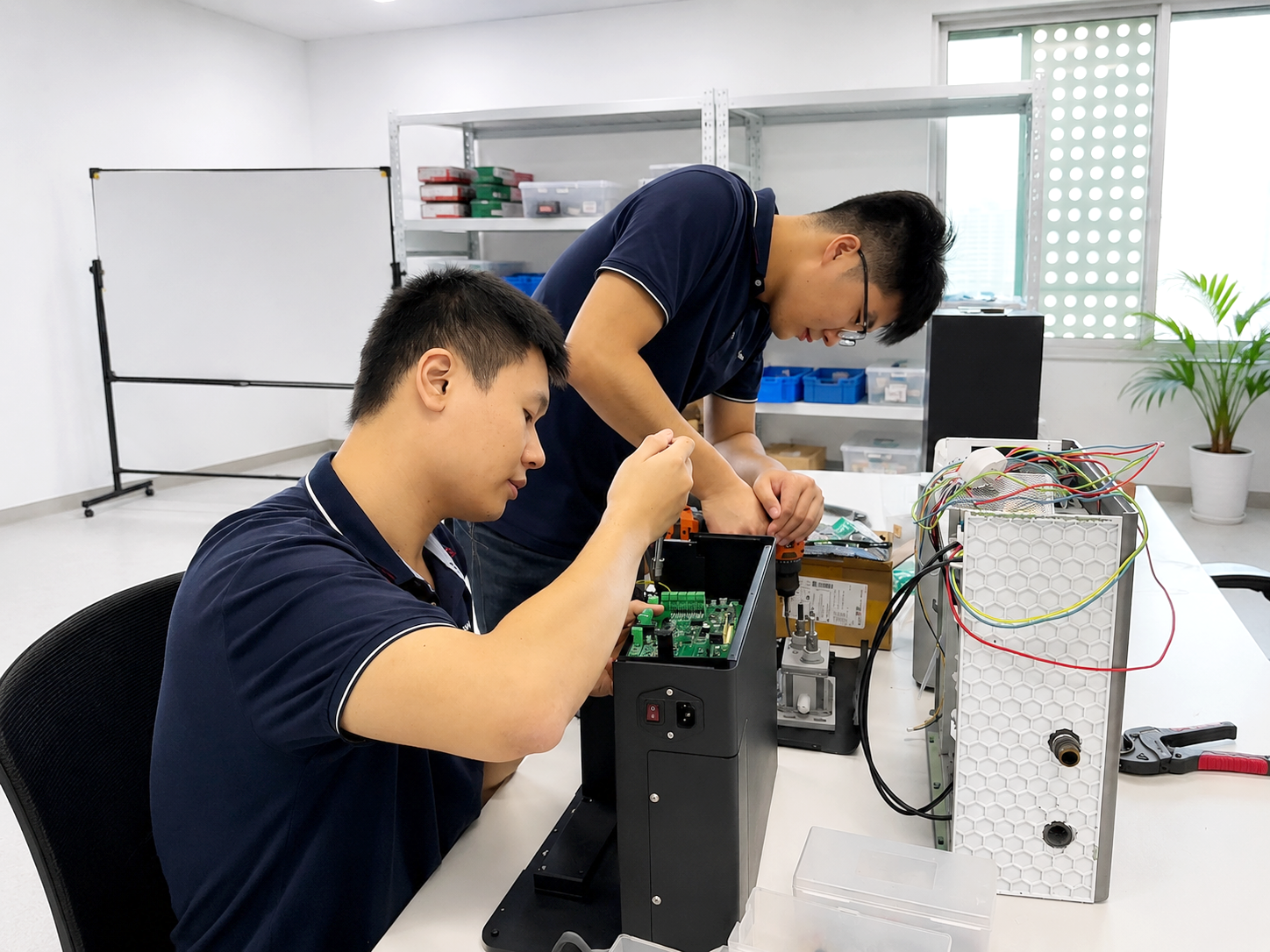
- Accumulating Strength and Reaching New Heights: A Record of the Production Breakthrough of Xiaoya Small Home Appliances' Hypochlorous Acid Generators
 Batch vs. Continuous HOCl Generators for Multi-Shift Facilities
 How Do HOCl Generators Turn Salt and Water into Cleaning Solutions?
 Medical HOCl Generator Procurement: Service, Training, and Traceability
Leave us a message

Xiaoya Group was founded in 1979,expert in the electrolyzed water industry.
Get in Touch
*We respect your confidentiality and all information are protected.