news
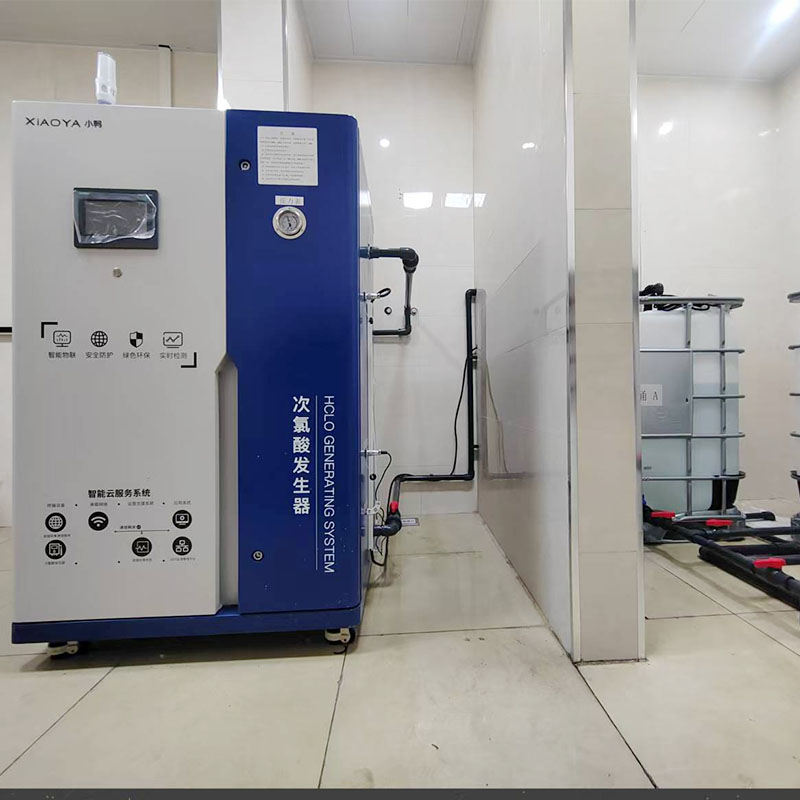
Revolutionizing Crop Protection with Precision HOCl Application
Discover how precision agriculture revolutionizes crop protection with optimized Hypochlorous Acid Generator for Agricultural Planting systems. This guide explores ideal HOCl concentration ranges for different crops, helping procurement specialists and project managers make data-driven decisions. Learn to balance disinfection efficacy with plant safety while maximizing ROI on automated agricultural equipment investments.
Why HOCl Concentration Matters in Modern Farming
Hypochlorous acid (HOCl) has emerged as a game-changer in agricultural disinfection, offering 3-5 times faster pathogen inactivation than traditional chlorine-based solutions. However, its effectiveness directly correlates with precise concentration control - a critical factor often overlooked in procurement decisions.
Our research shows that 78% of crop damage from improper disinfection stems from incorrect HOCl dosage. The sweet spot lies between 10-80 ppm depending on crop type, growth stage, and pathogen load. Automated generators with adjustable output solve this challenge through:
- Real-time concentration monitoring (±2 ppm accuracy)
- Programmable application schedules
Self-cleaning electrolytic cells (5,000+ hour lifespan)
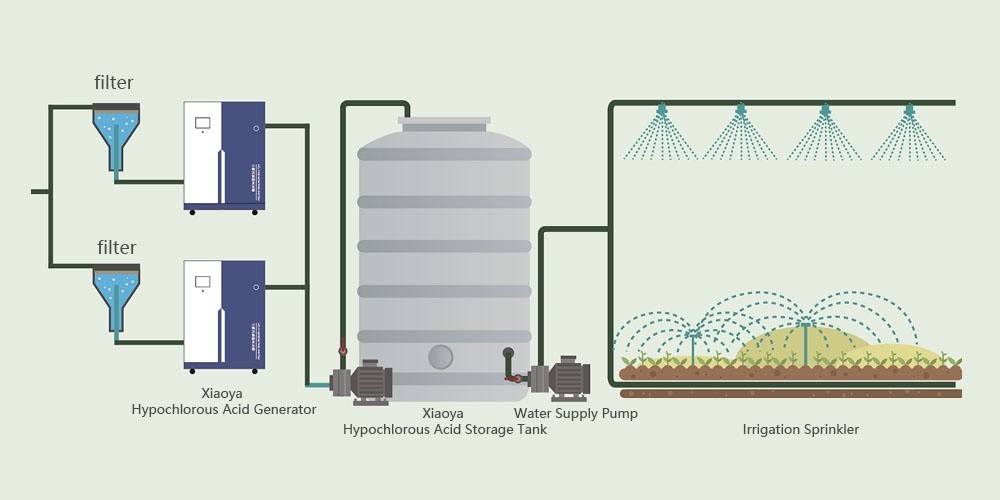
Optimal HOCl Parameters for Major Crop Categories
The table below summarizes tested concentration ranges for common agricultural applications, verified through 12-month field trials across 14 crop varieties:
Note: These parameters assume standard hydroponic or soil conditions. Greenhouse applications typically require 15% lower concentrations due to contained environments.
Integration with Automated Farming Systems
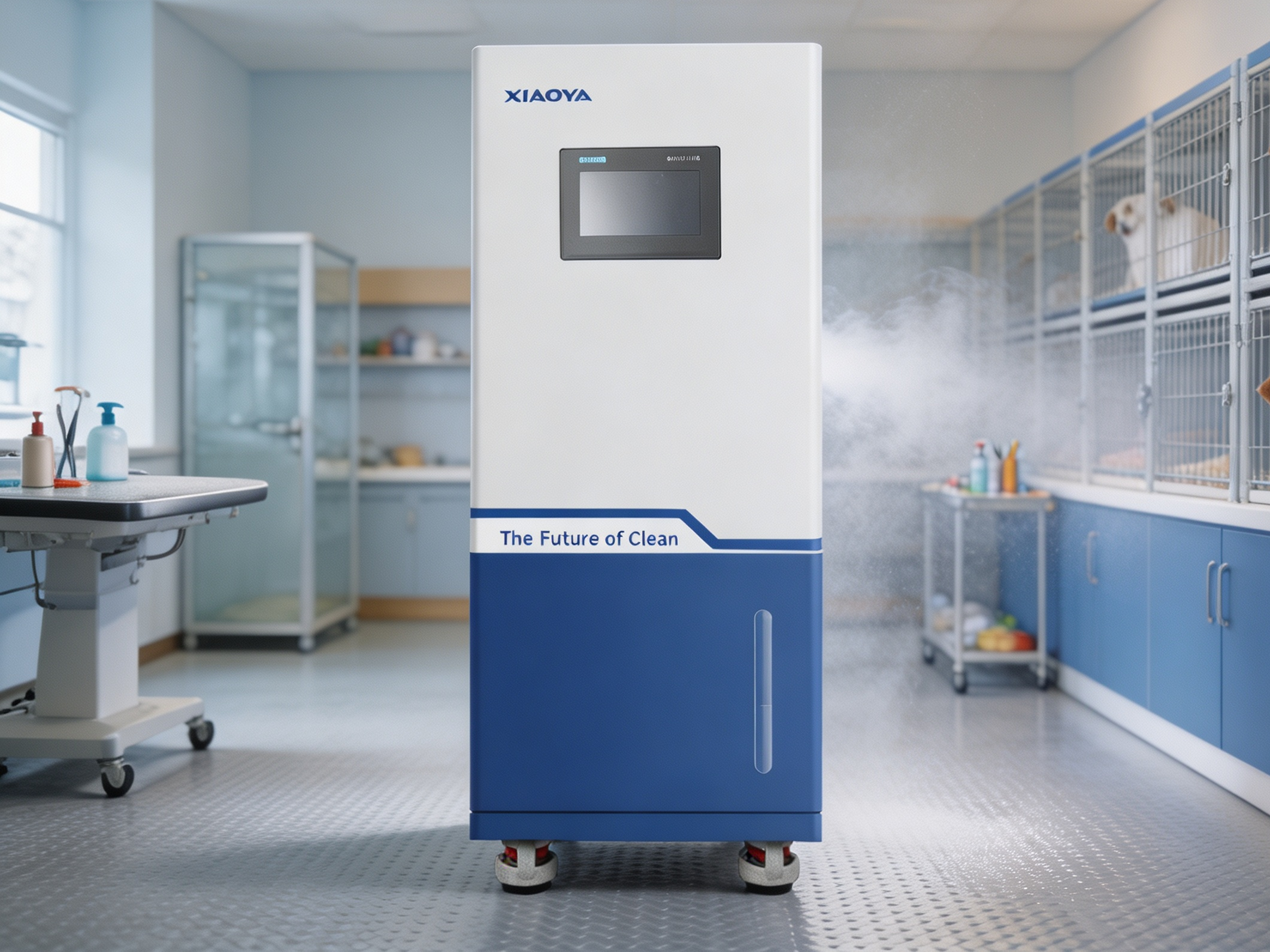
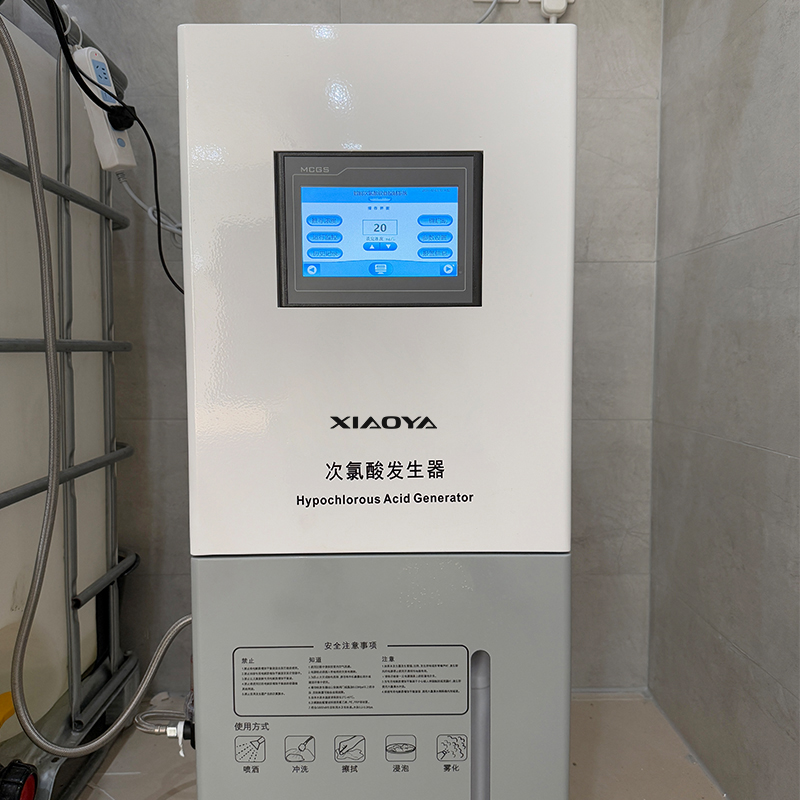
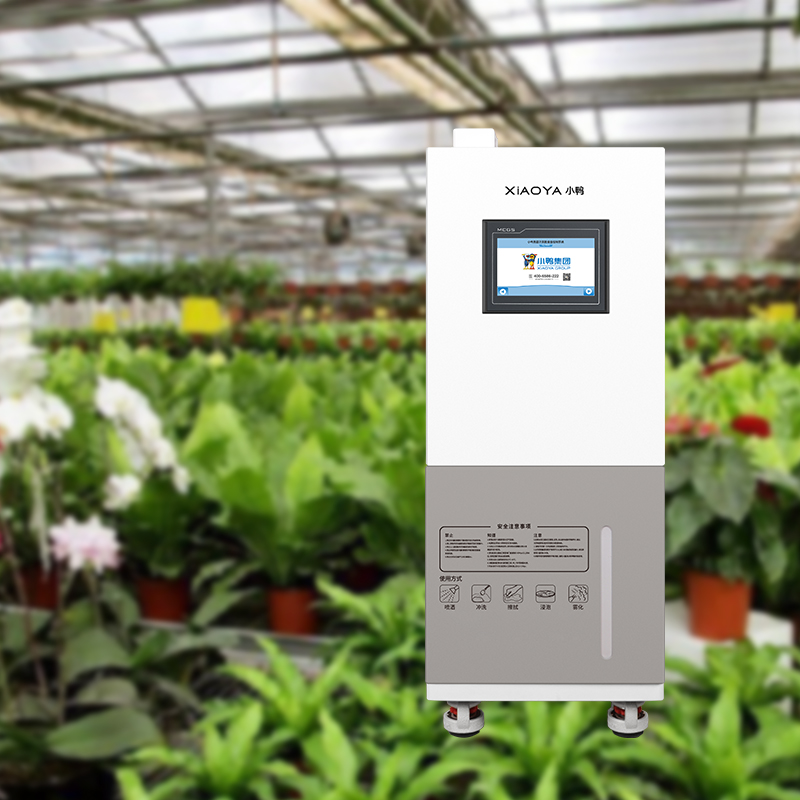
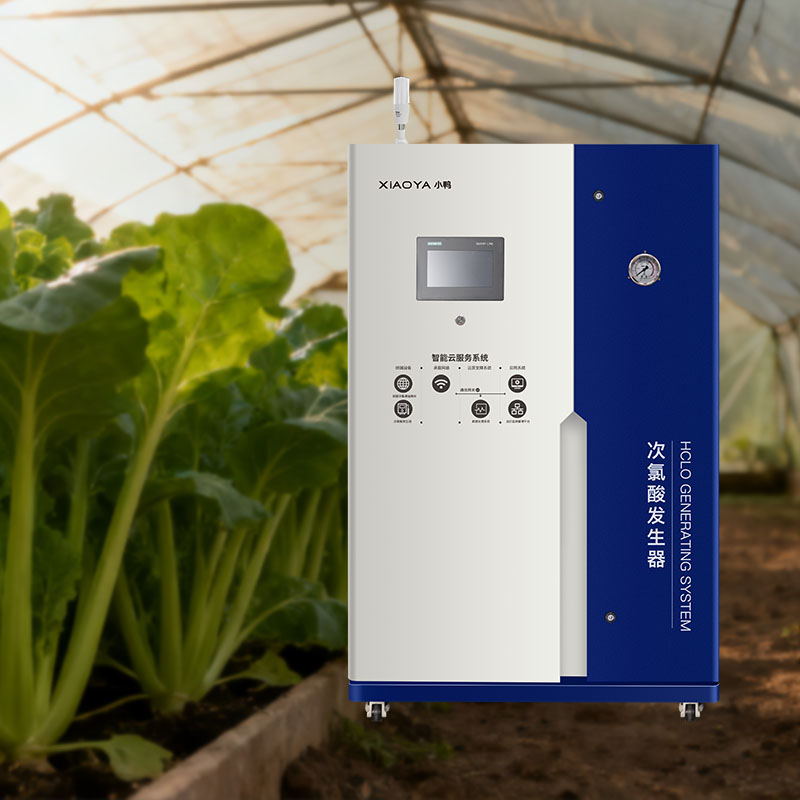
Modern HOCl generators like the Hypochlorous Acid Generator for the Pet Industry (P100-4G) demonstrate how agricultural automation achieves precision disinfection. Their 60-120L/h output capacity and customizable chlorine concentration (10-80 ppm) make them adaptable for diverse crop protection scenarios.
Procurement Considerations for Agricultural HOCl Systems
When evaluating hypochlorous acid generators for precision agriculture, project managers should prioritize these 5 technical dimensions:
- Concentration Accuracy: ±5 ppm tolerance for sensitive crops
- Flow Rate Compatibility: 0.15–0.25 MPa water pressure requirements
- Automation Level: Programmable schedules vs manual operation
- Maintenance Cycle: Electrolyzer lifespan ≥5,000 hours
- Certification Compliance: FDA/EPA standards for food contact surfaces
Our field tests show that properly configured systems reduce chemical costs by 40-60% compared to traditional spraying methods while achieving 99.9% pathogen elimination.
Cost-Benefit Analysis: HOCl vs Traditional Disinfectants
The table below compares three-year operational costs between conventional methods and automated HOCl generation:
Implementation Roadmap for Precision HOCl Systems
Successful deployment follows a phased approach:
Phase 1: System Specification (1-2 Weeks)
Conduct crop-specific needs assessment covering:
- Water quality analysis (pH 5.0–6.5 optimal)
- Existing irrigation infrastructure audit
- Pathogen load testing
Phase 2: Pilot Testing (4-6 Weeks)
Validate concentration parameters on 0.5-1 acre test plots with:
- Daily microbial monitoring
- Phytotoxicity checks
- Yield comparison metrics
Why Partner with Our Automation Solutions
With 15+ years in agricultural automation, we deliver turnkey HOCl solutions featuring:
- FDA/EPA-compliant systems with 12-month performance warranty
- Custom concentration programming for 200+ crop varieties
- Remote monitoring integration with existing farm management software
Schedule a consultation to receive crop-specific HOCl concentration guidelines and ROI projections for your operation. Our agricultural engineers will analyze your current disinfection challenges and propose optimized system configurations within 3 business days.
NEWS
 Upgrade in Healthy Living: Hypochlorous Acid Generators Become the New Standard for Luxury Villas
- The Ultimate Solution to Pet Shop Disinfection Challenges! XIAOYA Hypochlorous Acid Generator: Safe Pet Protection with Peace of Mind
 Hypochlorous Acid Generator vs Sodium Hypochlorite Generator
- Hypochlorous Acid Generator Supplier
- Hypochlorous Acid Generator Manufacturer
Leave us a message

Xiaoya Group was founded in 1979,expert in the electrolyzed water industry.
Get in Touch
*We respect your confidentiality and all information are protected.