news
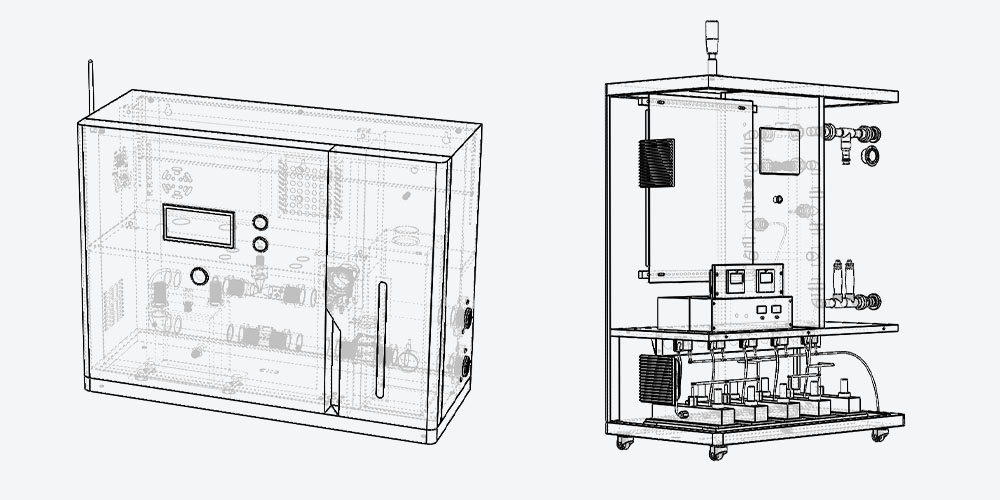
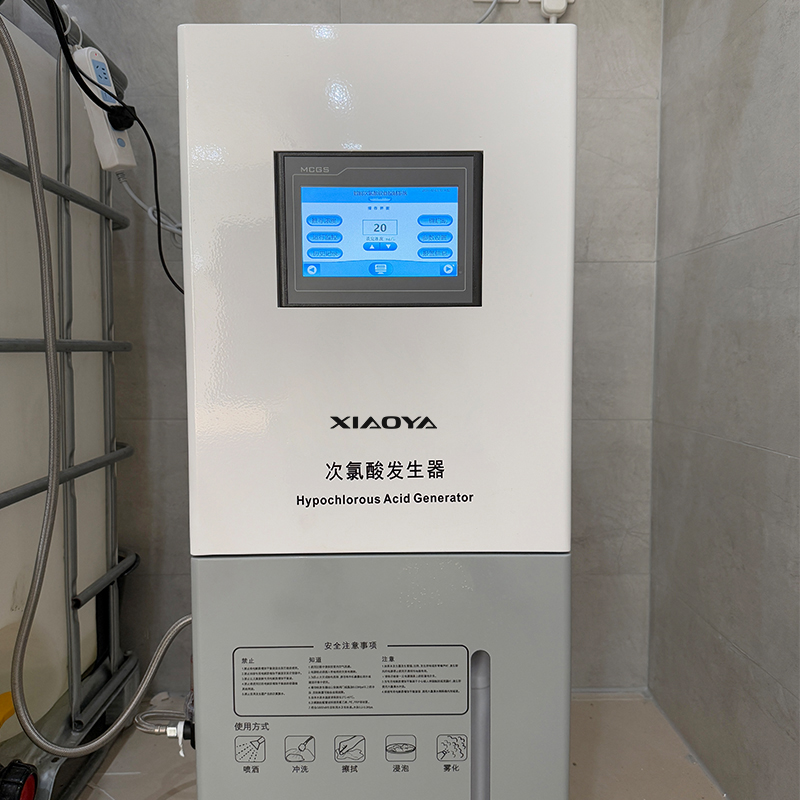
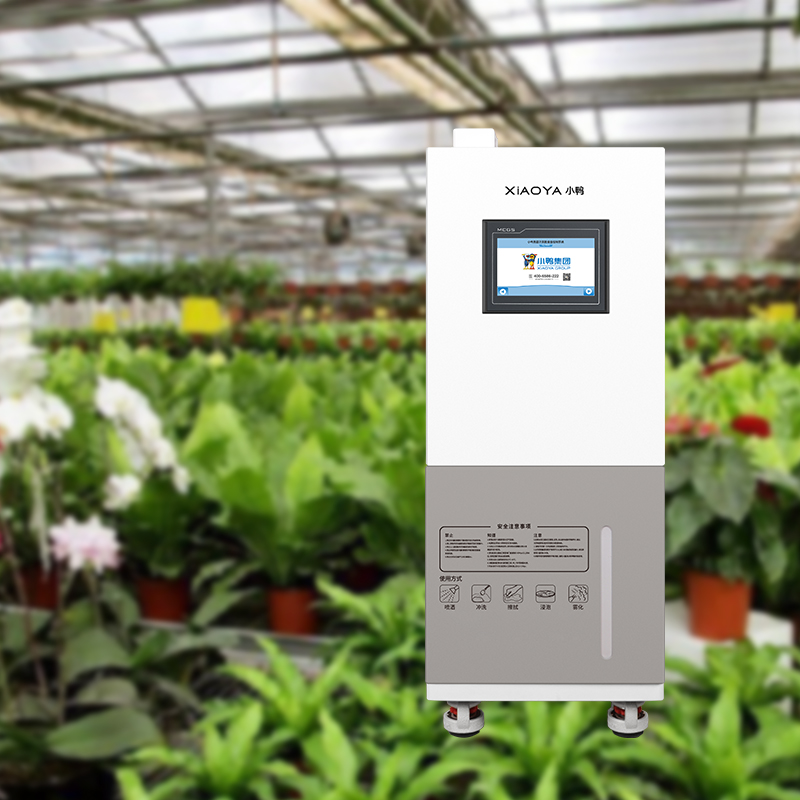
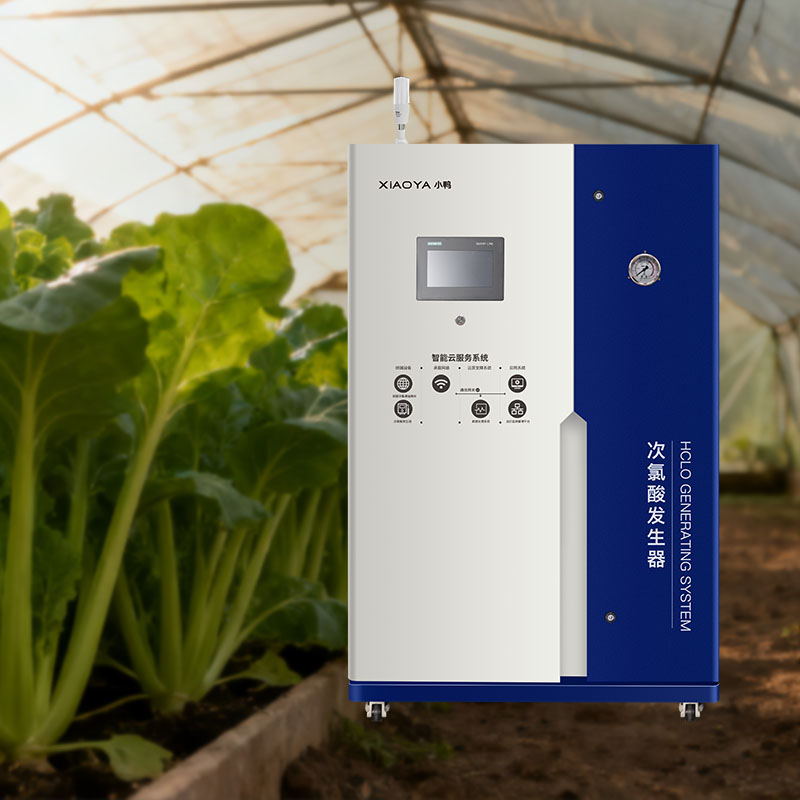
Discover how hypochlorous acid generators revolutionize modern farming with 5 game-changing benefits. This visual guide reveals why agricultural professionals are adopting Hypochlorous Acid Generator for Agricultural Planting solutions to enhance crop yields, reduce chemical dependency, and improve food safety. Perfect for procurement specialists and project managers seeking sustainable disinfection alternatives.
Why Hypochlorous Acid is Transforming Agricultural Disinfection
Modern farming faces increasing pressure to balance productivity with environmental responsibility. Hypochlorous acid (HOCl) emerges as a powerful solution, offering 3-5 times greater disinfection efficiency than traditional chlorine-based methods while maintaining complete biodegradability. Its neutral pH (5.0-6.5) makes it safe for crops, equipment, and workers.
Unlike conventional disinfectants that require 15-30 minutes contact time, HOCl achieves 99.9% pathogen elimination within 30 seconds to 2 minutes. This rapid action minimizes downtime during critical farming operations like harvest preparation or greenhouse sanitation cycles.
5 Key Benefits for Agricultural Applications
The integration of hypochlorous acid technology delivers measurable improvements across multiple farming operations:
- Enhanced Food Safety: Eliminates E.coli, Salmonella and Listeria without chemical residues, meeting FDA and USDA standards for post-harvest treatment
- Water Conservation: Enables 50-70% water reuse in hydroponic systems through continuous disinfection cycles
- Labor Protection: Non-irritating formula reduces worker exposure incidents by 80% compared to chlorine dioxide
- Equipment Longevity: Prevents corrosion in irrigation systems, extending component lifespan by 3-5 years
Organic Compliance: NSF/OMRI listed solutions for certified organic operations
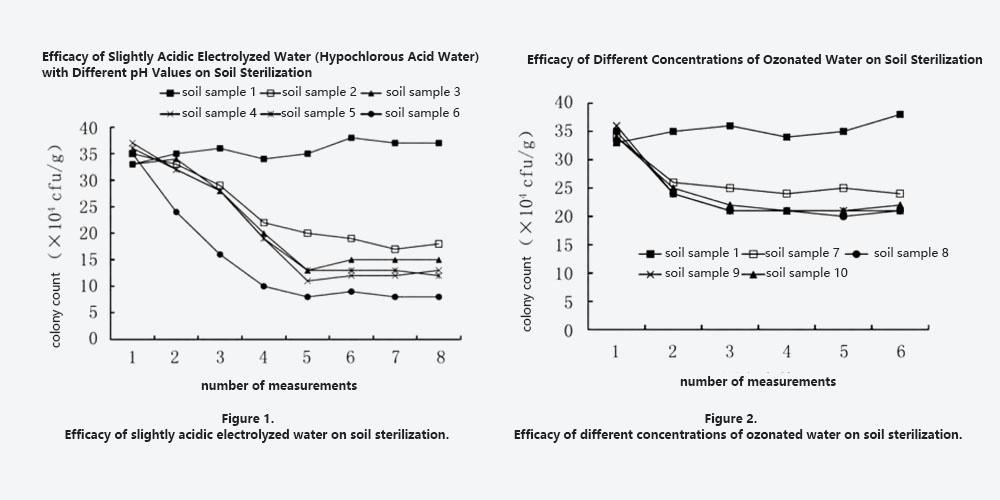
Technical Comparison: HOCl vs Traditional Disinfectants
The following table demonstrates why agricultural operations are transitioning to hypochlorous acid systems:
For operations requiring water purification alongside disinfection, our Water purification system combines ultrafiltration (1000L/H flow rate) with UV sterilization (>99.9% efficacy) for comprehensive water treatment solutions.
Implementation Guide for Agricultural Projects
Successful integration requires understanding these 4 critical factors:
- System Sizing: Calculate based on water volume (gallons/liters) and turnover rate (cycles per day)
- Dosing Strategy: Continuous vs intermittent application depends on crop type and irrigation method
- Monitoring Protocol: ORP (Oxidation-Reduction Potential) sensors maintain optimal 650-750mV range
- Maintenance Schedule: Electrolytic cell cleaning every 500-800 operating hours
Common ROI Calculation Parameters
Typical payback periods range from 6-18 months based on:
- Reduced chemical costs (40-60% savings)
- Lower water replacement frequency (3-5x reduction)
- Decreased crop loss (2-8% improvement)
FAQ: Hypochlorous Acid in Agriculture
How does HOCl compare to ozone systems?
While ozone offers excellent disinfection, HOCl systems require 30-50% less energy input and maintain residual protection throughout water systems. Ozone degrades within minutes, whereas HOCl remains active for 4-6 hours in closed systems.
What maintenance do generators require?
Modern systems need only monthly salt replenishment (food-grade NaCl) and quarterly electrode inspections. The Water purification system with UV component requires annual lamp replacement (designed 8000-hour lifespan).
Can HOCl replace all farm disinfectants?
It handles 85-90% of disinfection needs, but some operations may require periodic deep cleaning with alternate products. Always consult your food safety certification requirements.
Next Steps for Procurement Teams
When evaluating hypochlorous acid solutions, request these 5 key documents:
- Third-party efficacy testing against agricultural pathogens
- Material compatibility reports for your specific irrigation components
- Energy consumption data per 1000 gallons treated
- Certifications (NSF, OMRI, EPA registration as applicable)
- Case studies from comparable operations
Our engineering team specializes in customizing disinfection solutions that integrate seamlessly with existing water systems while meeting strict agricultural compliance standards. Contact us for a site-specific proposal including ROI analysis and implementation timeline.
NEWS
 Upgrade in Healthy Living: Hypochlorous Acid Generators Become the New Standard for Luxury Villas
- The Ultimate Solution to Pet Shop Disinfection Challenges! XIAOYA Hypochlorous Acid Generator: Safe Pet Protection with Peace of Mind
 Hypochlorous Acid Generator vs Sodium Hypochlorite Generator
- Hypochlorous Acid Generator Supplier
- Hypochlorous Acid Generator Manufacturer
Leave us a message

Xiaoya Group was founded in 1979,expert in the electrolyzed water industry.
Get in Touch
*We respect your confidentiality and all information are protected.