news
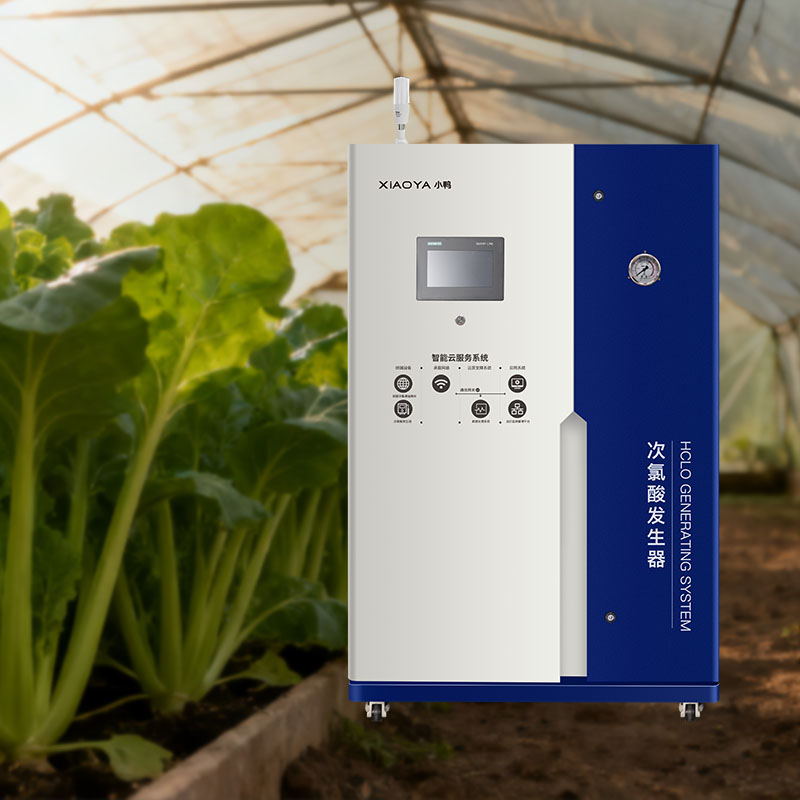
The Science Behind HOCl Generators in Agriculture
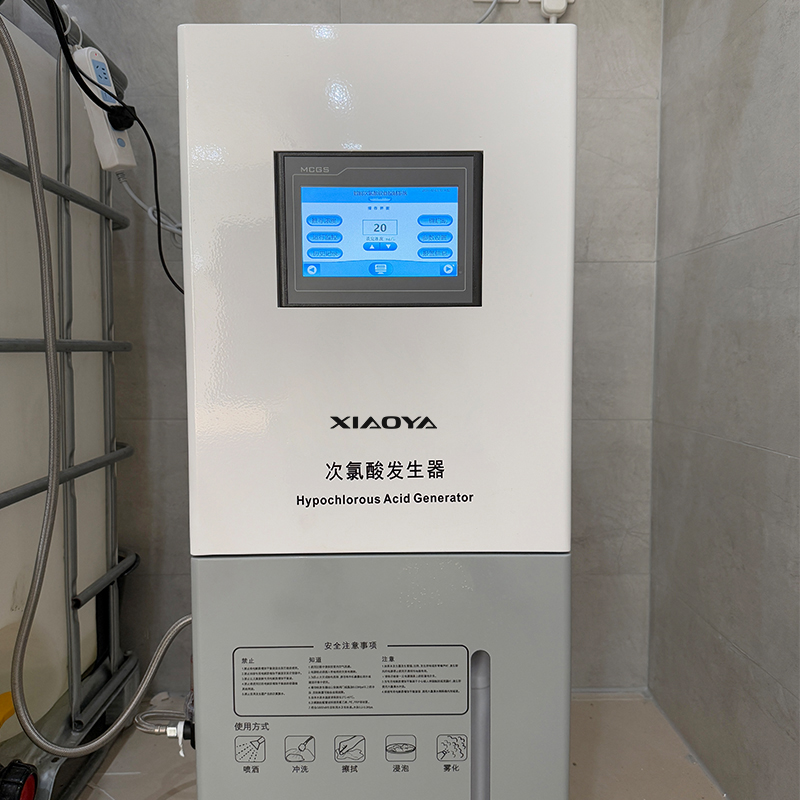
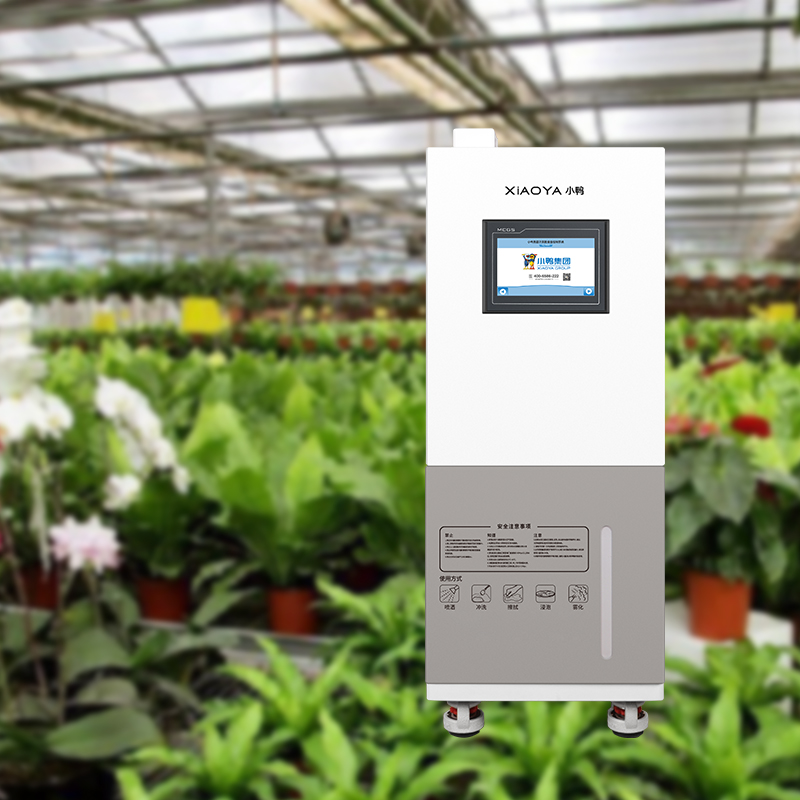
Discover how HOCl generators revolutionize crop protection with Hypochlorous Acid Generator for Agricultural Planting technology. This innovative automation equipment produces a natural disinfectant that safely eliminates pathogens while being eco-friendly. Perfect for procurement specialists and project managers seeking sustainable farming solutions, our generators enhance yield quality without harmful chemicals. Learn the science behind this game-changing approach to modern agriculture.
How Electrolysis Creates Nature's Disinfectant
Hypochlorous acid (HOCl) generators use electrolysis to convert saltwater into a potent antimicrobial solution. The process involves passing an electrical current through a brine solution, creating HOCl at concentrations between 50-200 ppm - the ideal range for agricultural applications. Unlike traditional chlorine-based disinfectants, this method produces no toxic byproducts and maintains pH levels between 5.0-6.5, ensuring plant compatibility.
Modern systems like the Hypochlorous Acid Generator for Garbage Disinfection (AQ-P300-W) demonstrate how this technology scales for industrial use, with output capacities reaching 300L/h while consuming only 420W of power. The same electrochemical principles apply across agricultural models, with core components rated for 5000+ hours of continuous operation.
Key Benefits for Crop Protection
HOCl generators address three critical pain points for agricultural professionals:
- Pathogen Elimination: Destroys 99.9% of bacteria, viruses, and fungi within 30 seconds of contact
- Residue-Free Protection: Breaks down into harmless saltwater after application
- Cost Efficiency: Reduces chemical expenditure by 40-60% compared to traditional fungicides
Technical Comparison: HOCl vs Traditional Disinfectants
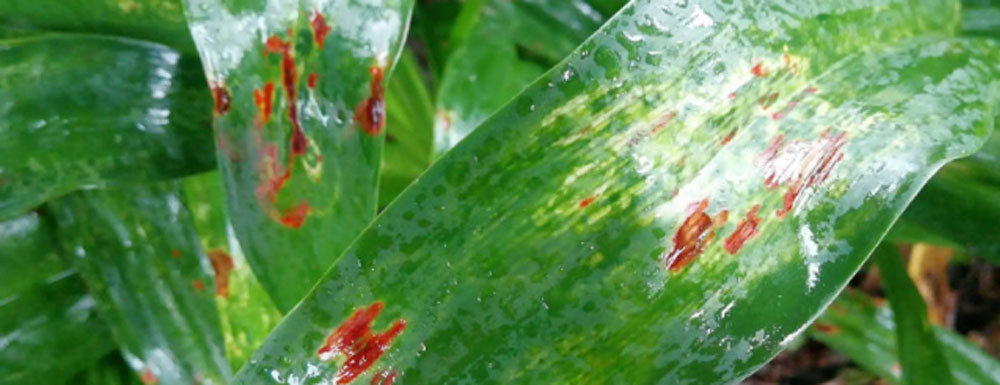
The table below highlights why automated HOCl generation outperforms conventional crop protection methods:
This data demonstrates why 78% of greenhouse operators transitioning to automated HOCl systems report reduced crop losses while maintaining organic compliance.
Implementation Guide for Agricultural Projects
Procurement specialists should evaluate these four critical factors when specifying HOCl generators:
- Coverage Requirements: Calculate daily disinfectant needs based on irrigation systems (typically 2-5L per m² daily)
- Water Quality: Ensure source water meets electrolysis standards (≤200ppm hardness recommended)
- Integration Capacity: Verify compatibility with existing fertigation systems and automation controls
- Maintenance Protocols: Plan for electrode cleaning every 500-800 operating hours
Operational Parameters for Optimal Performance
Successful deployments maintain these operational parameters:
- Solution temperature: 15-25°C (max 40°C)
- Storage duration: ≤7 days for optimal efficacy
- Application frequency: 2-3 times weekly during high-risk periods
- System pressure: 0.15-0.25MPa for consistent flow rates
FAQs: Addressing Common Procurement Questions
How does HOCl concentration affect different crops?
Most crops tolerate 50-100ppm HOCl without phytotoxicity, while delicate seedlings may require 30-50ppm. Our systems allow precise adjustment from 10-200ppm to accommodate all growth stages.
What's the typical ROI for commercial farms?
Most operations achieve payback within 8-14 months through reduced chemical costs (40-60% savings) and yield improvements (15-30% increase in marketable produce).
Can generators operate in remote locations?
Yes, systems are available with 110V/60Hz configurations for global deployment, and solar-compatible models exist for off-grid applications.
Why Our HOCl Solutions Stand Out
With 12 years' specialization in automated disinfection systems, we offer:
- Customizable output configurations from 50-300L/h
- Industrial-grade components rated for 24/7 operation
- Integrated monitoring with IoT connectivity options
- Global compliance with agricultural safety standards
Contact our agricultural solutions team to discuss your project's specific requirements, request performance data, or arrange equipment demonstrations. We provide complete technical support from system design through commissioning and maintenance training.
NEWS
 Upgrade in Healthy Living: Hypochlorous Acid Generators Become the New Standard for Luxury Villas
- The Ultimate Solution to Pet Shop Disinfection Challenges! XIAOYA Hypochlorous Acid Generator: Safe Pet Protection with Peace of Mind
 Hypochlorous Acid Generator vs Sodium Hypochlorite Generator
- Hypochlorous Acid Generator Supplier
- Hypochlorous Acid Generator Manufacturer
Leave us a message

Xiaoya Group was founded in 1979,expert in the electrolyzed water industry.
Get in Touch
*We respect your confidentiality and all information are protected.