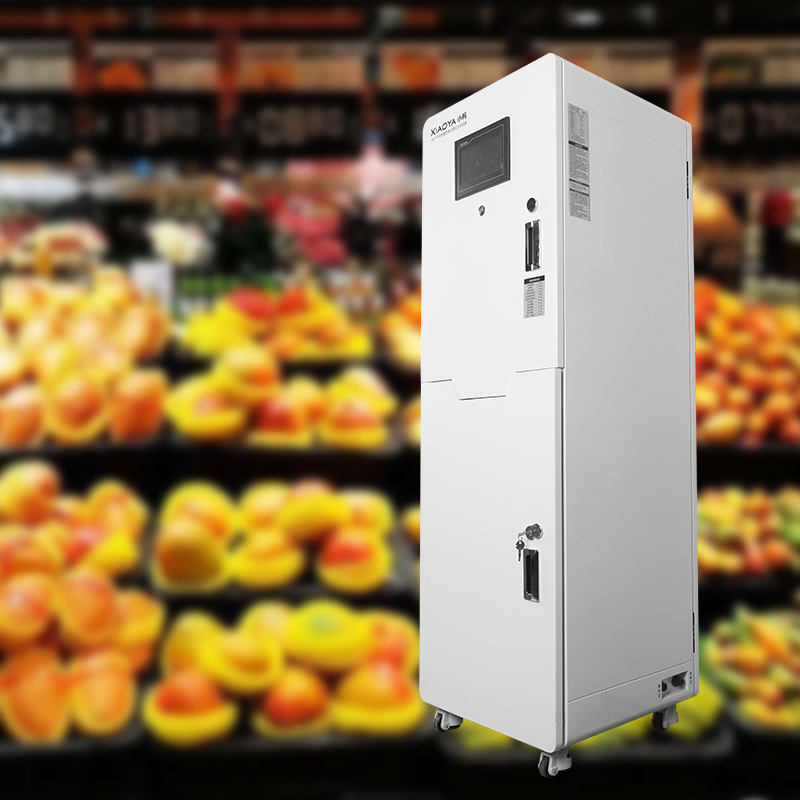
Why Hypochlorous Acid Generators Are More Effective Than Traditional Fruit Preservatives?
Discover why hypochlorous acid generators are revolutionizing fruit preservation compared to traditional methods. As a cutting-edge solution in food safety technology, hypochlorous acid (HOCl) generators offer superior antimicrobial protection without chemical residues. This article explores how these innovative systems outperform conventional preservatives, extending shelf life while maintaining nutritional quality. Perfect for food handlers and technical evaluators seeking efficient, eco-friendly alternatives in commercial and home settings.
The Science Behind Hypochlorous Acid (HOCl) Generation
Hypochlorous acid is a naturally occurring weak acid produced by white blood cells in the human body to fight pathogens. Modern electrolysis technology replicates this process by passing saltwater through specialized membranes, generating HOCl solutions with concentrations ranging from 10-80 ppm - ideal for food preservation applications.
Unlike chemical preservatives that alter food composition, HOCl works through oxidation mechanisms that:
- Disrupt microbial cell walls within 30 seconds of contact
- Maintain pH levels between 5.0-6.5 for optimal stability
- Decompose into water and salt after use, leaving zero residues
Comparative Analysis: HOCl vs Traditional Preservatives
The table below demonstrates key performance differences between hypochlorous acid generators and conventional fruit preservation methods:
Independent studies show HOCl-treated fruits maintain crispness and color 2-3 times longer than chemically preserved counterparts, while reducing spoilage rates by 40-60% in commercial storage conditions.
Technical Advantages of Modern HOCl Systems
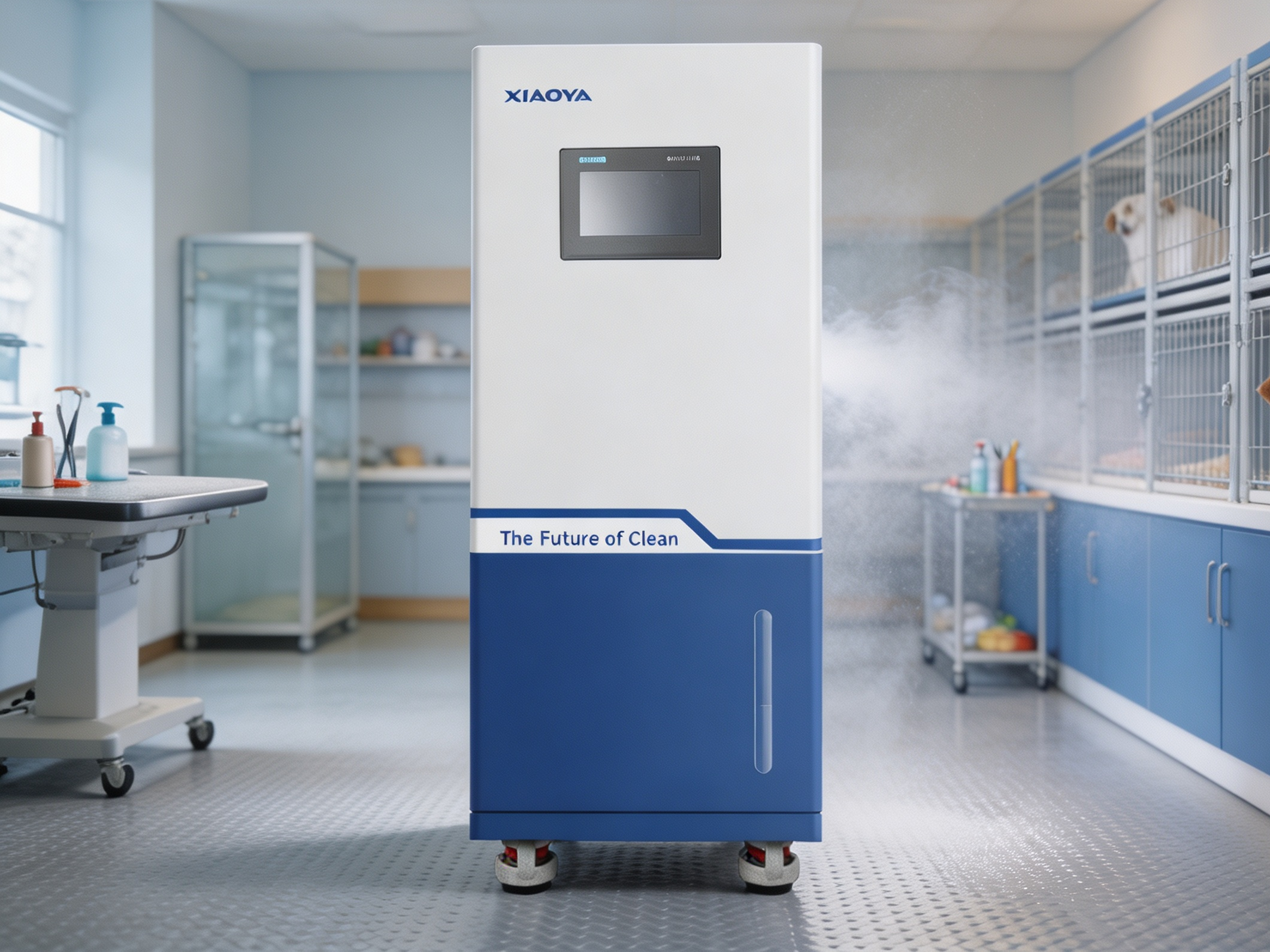
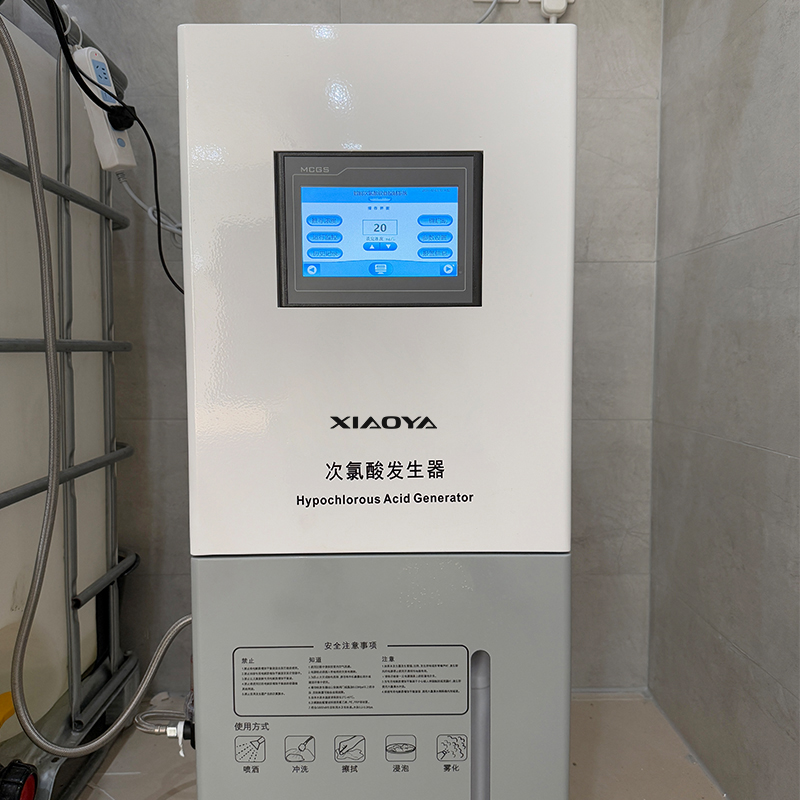
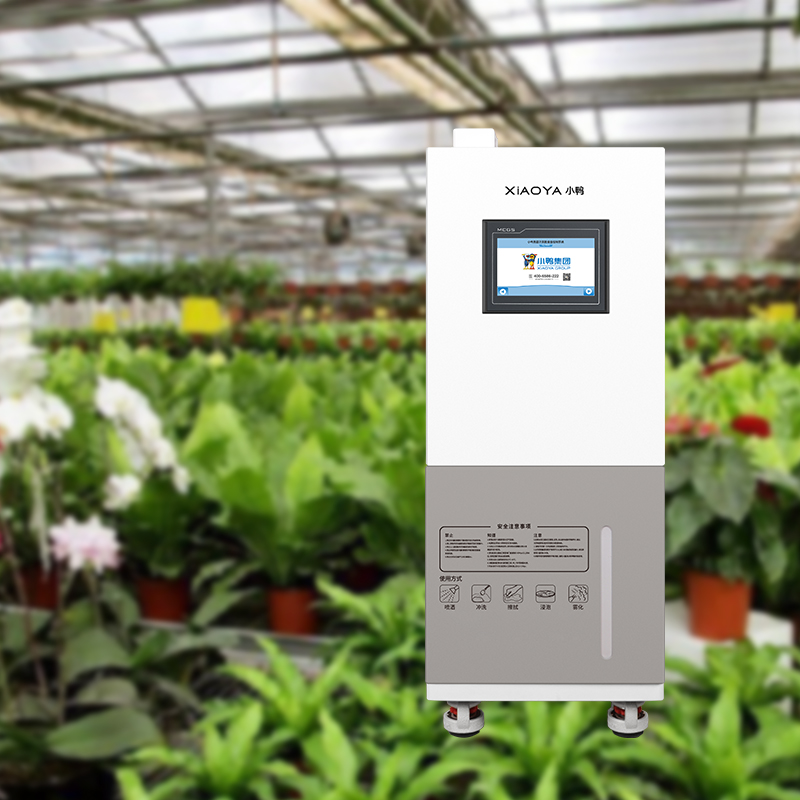
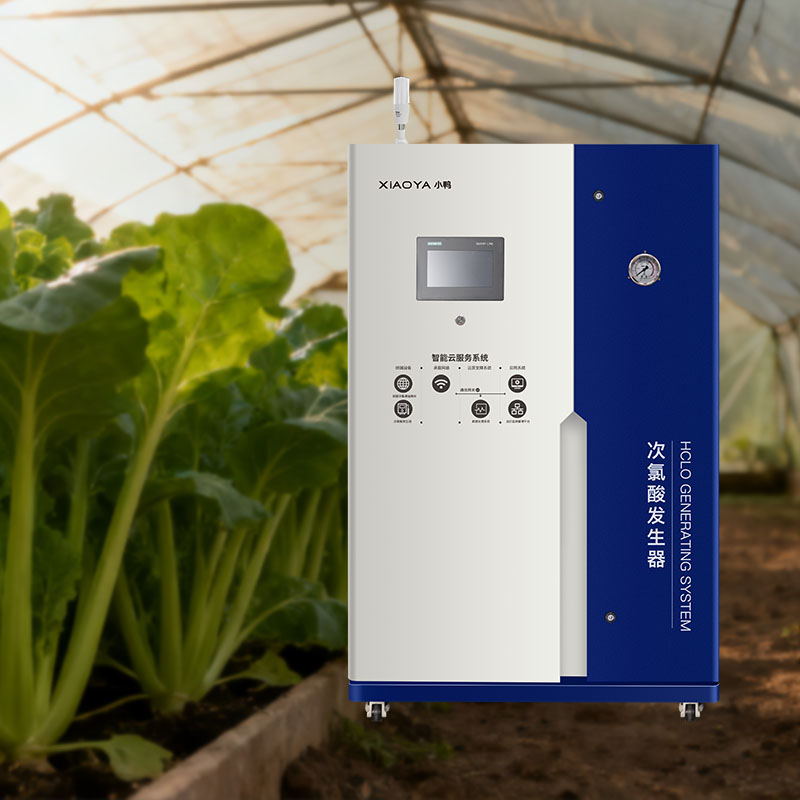
Advanced hypochlorous acid generators like the Hypochlorous Acid Generator for the Pet Industry (P100-4G) incorporate multiple technological innovations:
- Precision electrolysis cells with ≥5000 hour lifespans
- Smart concentration adjustment (10-80 ppm customizable output)
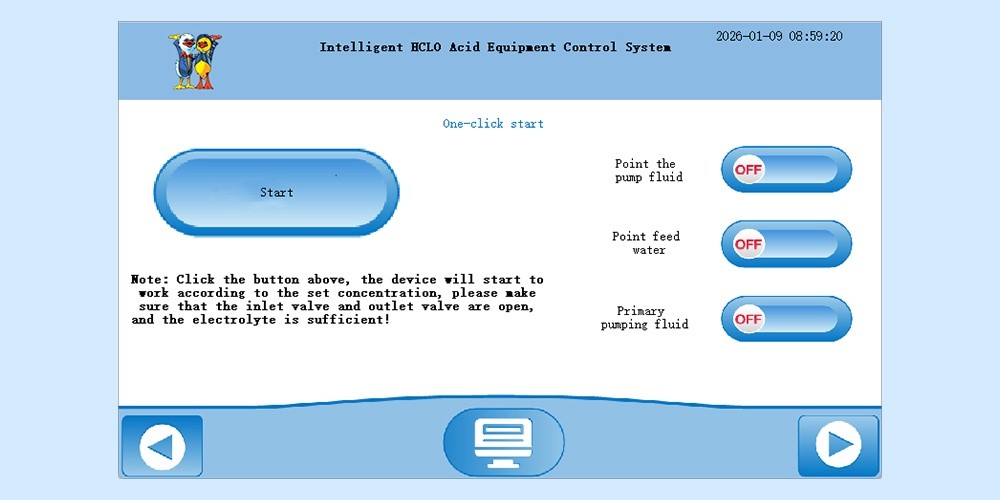
- Automated operation with one-touch activation
- Real-time monitoring of pH and ORP values
These systems typically operate at 170W power consumption, producing 60-120 liters per hour of stabilized HOCl solution - sufficient for commercial fruit processing lines handling 2-5 tons of produce daily.
Implementation Guidelines for Fruit Preservation
For optimal results in fruit preservation applications, follow this phased implementation approach:
Common Implementation Mistakes to Avoid
Technical evaluators should be aware of these frequent operational errors:
- Using incorrect water sources (must be<50 ppm hardness)
- Neglecting electrolyte tank maintenance (2L capacity requires monthly checks)
- Improper storage of generated solution (use within 7 days for optimal potency)
Economic and Environmental Benefits
Commercial adopters report significant advantages when switching to HOCl systems:
- Reduced chemical costs by 60-75% compared to traditional preservatives
- 30-50% lower water usage in processing lines
- Elimination of hazardous material disposal fees
- Improved compliance with organic certification standards
The environmental profile is particularly compelling - HOCl solutions degrade completely within 48 hours, unlike synthetic preservatives that persist in ecosystems for months.
Frequently Asked Questions
How does HOCl compare to chlorine-based sanitizers?
Hypochlorous acid is 80-100 times more effective than sodium hypochlorite (bleach) at equivalent concentrations, while being non-corrosive and non-irritating. It achieves microbial kill rates of 5-log reduction at just 5 ppm versus 50-100 ppm required for chlorine solutions.
What maintenance do HOCl generators require?
Modern systems like the AQ-P100-4G model need only monthly electrolyte replenishment (2L tank) and annual membrane inspection. The electrolyzer's 5000+ hour lifespan translates to 3-5 years of continuous operation before component replacement.
Can HOCl replace all chemical preservatives?
While effective against bacteria, molds and yeasts, HOCl works best as part of integrated preservation combining proper refrigeration (0-4°C) and modified atmosphere packaging. This multi-hurdle approach can eliminate 90-95% of chemical preservative requirements.
Conclusion and Next Steps
Hypochlorous acid generation technology represents a paradigm shift in fruit preservation, combining food-grade safety with industrial-scale efficacy. For operations handling perishable produce, the transition from chemical preservatives to HOCl systems delivers measurable improvements in:
- Product quality and shelf life
- Operational efficiency
- Regulatory compliance
- Sustainability metrics
Technical evaluators should consider conducting pilot tests with commercial-grade generators to validate performance in their specific operational context before full-scale implementation.
NEWS
 Upgrade in Healthy Living: Hypochlorous Acid Generators Become the New Standard for Luxury Villas
- The Ultimate Solution to Pet Shop Disinfection Challenges! XIAOYA Hypochlorous Acid Generator: Safe Pet Protection with Peace of Mind
 Hypochlorous Acid Generator vs Sodium Hypochlorite Generator
- Hypochlorous Acid Generator Supplier
- Hypochlorous Acid Generator Manufacturer
Leave us a message

Xiaoya Group was founded in 1979,expert in the electrolyzed water industry.
Get in Touch
*We respect your confidentiality and all information are protected.