The Cost-Efficiency Revolution: Hypochlorous Acid Water Treatment Systems
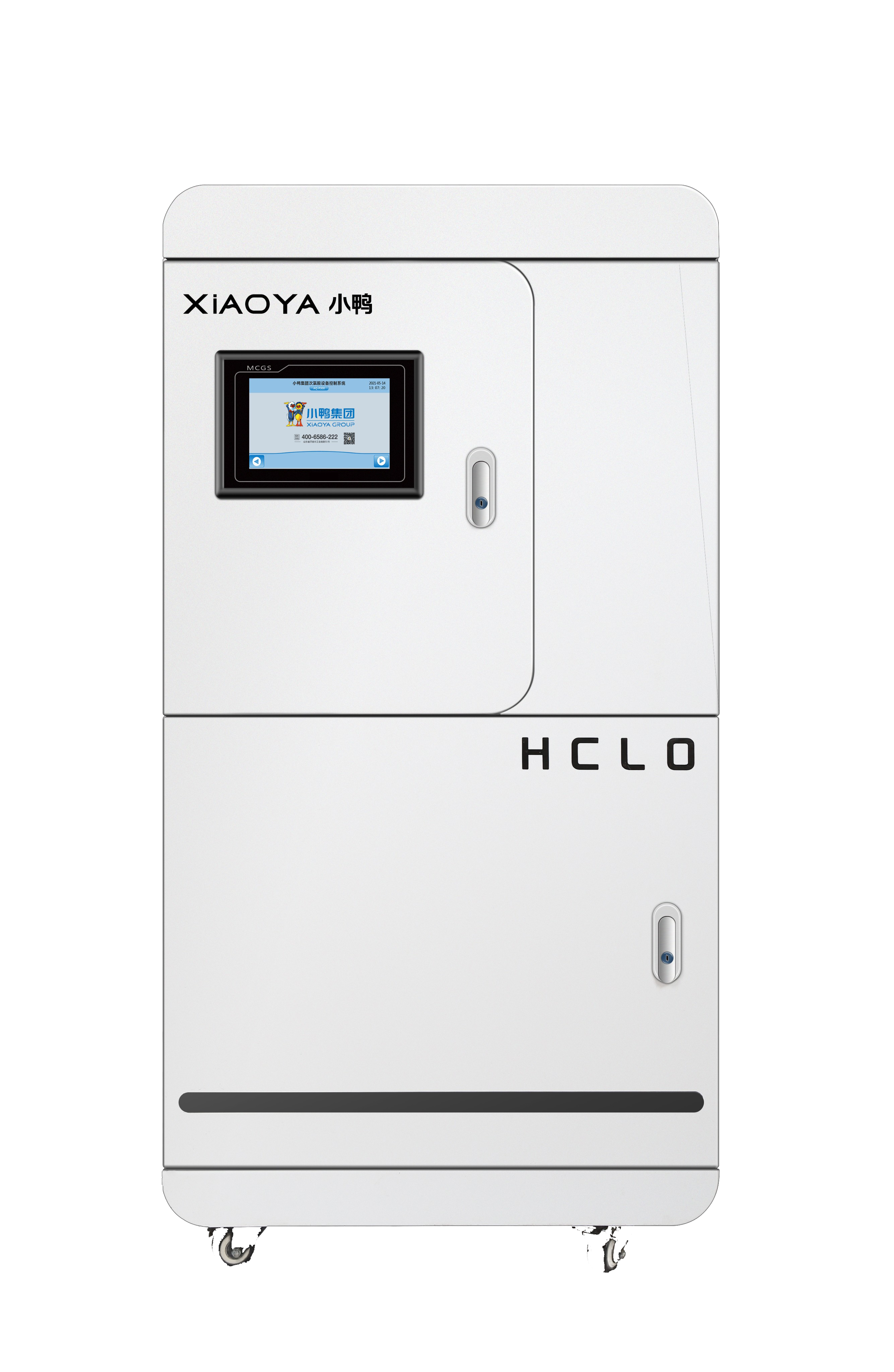
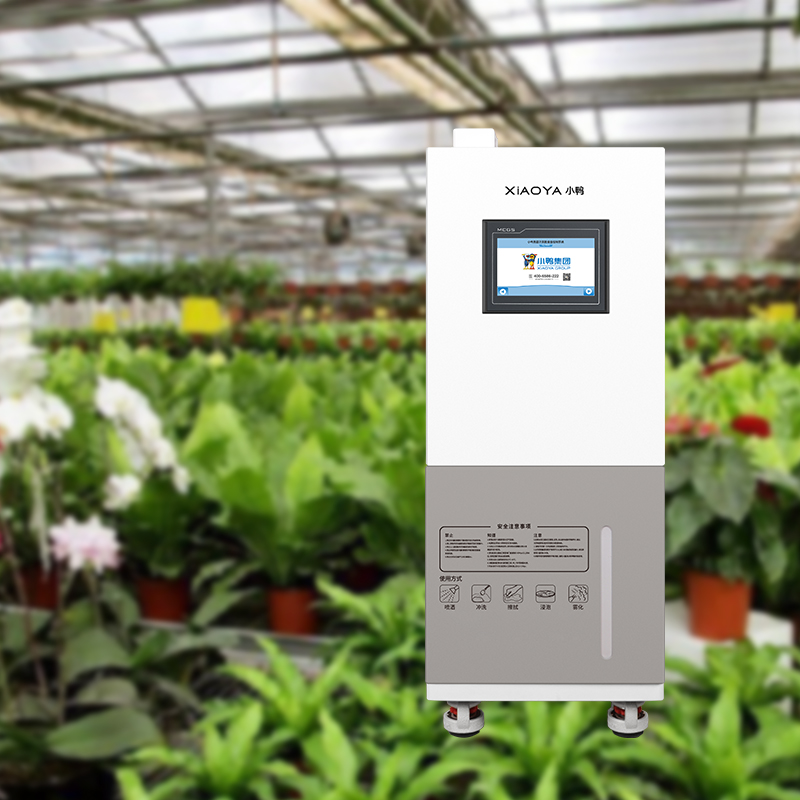
As businesses seek sustainable water treatment solutions, the AQ-P1000 hypochlorous acid generator emerges as a game-changer for modern water supply systems. This innovative water purification system offers superior disinfection while significantly reducing long-term operational costs compared to traditional methods. For procurement specialists and corporate decision-makers evaluating infrastructure upgrades, understanding the true cost-efficiency of hypochlorous acid-based systems could lead to substantial savings and improved water quality outcomes.
Why Traditional Water Treatment Methods Fall Short
Conventional water disinfection approaches often rely on chemical additives that present ongoing challenges. Chlorine-based treatments require frequent replenishment, create hazardous byproducts, and demand strict storage protocols. These factors contribute to:
- Annual chemical procurement costs exceeding $15,000 for medium-scale facilities
- Storage space requirements of 50-100 sq. ft. for bulk chemicals
- Weekly maintenance labor hours dedicated to system monitoring
- Disposal costs for expired or contaminated chemicals
The Hypochlorous Acid Advantage
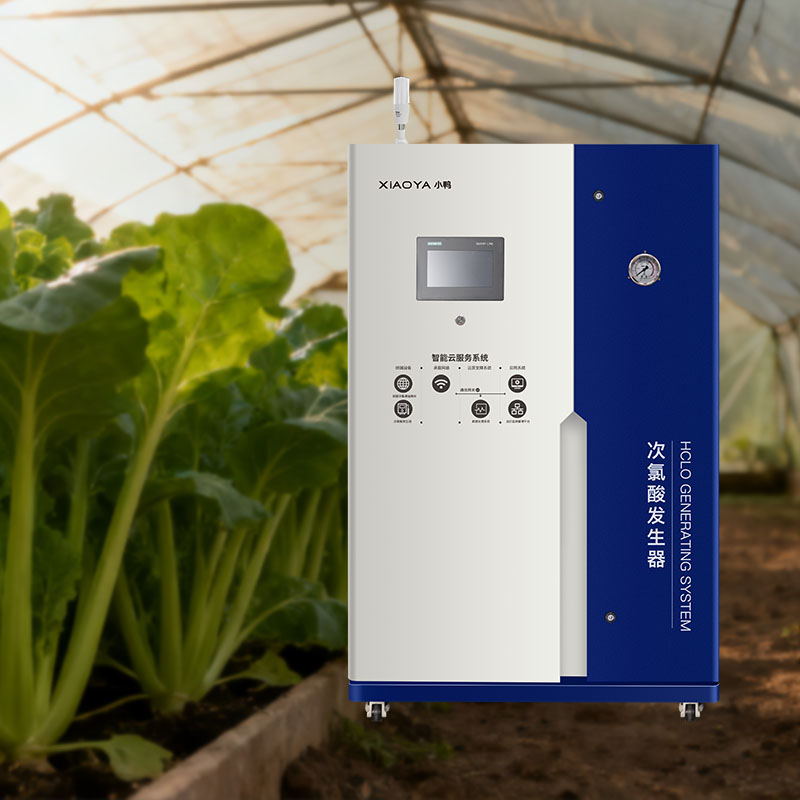
Modern systems like the Sodium hypochlorite generator transform this equation by producing disinfectant on-demand from simple inputs. The electrolysis process converts salt and water into hypochlorous acid (HClO), achieving:
The PLC-controlled generation process maintains precise chlorine levels between 10-120mg/L, automatically adjusting to water flow demands. This eliminates the guesswork and manual dosing required with traditional methods.
Operational Cost Breakdown
A comprehensive TCO analysis reveals why forward-thinking facilities are making the switch:
Direct Cost Savings
With a production capacity of 6.3L/H and rated power of just 410W, these systems achieve remarkable efficiency:
- 90% reduction in chemical procurement costs
- 75% decrease in hazardous material handling expenses
- 60% lower energy consumption than UV alternatives
Indirect Cost Benefits
The advantages extend beyond direct operational savings:
Implementation Considerations
When evaluating hypochlorous acid systems for your facility, consider these critical factors:
System Sizing
The 900*500*1300mm footprint accommodates most installations, but flow requirements vary:
- Schools/kindergartens: 60-100L/H capacity
- Food processing: 100-150L/H with higher concentration needs
- Municipal water: Multiple units for redundancy
Installation Timeline
Typical deployment occurs in three phases:
- Site assessment (2-3 days)
- System installation (1-2 days)
- Staff training and commissioning (1 day)
FAQs for Procurement Professionals
What's the typical payback period for these systems?
Most facilities recover their investment within 18-24 months through operational savings, with ongoing annual savings of $10,000+ depending on scale.
How does the electrolyzer's 8000h lifespan translate to years of service?
At continuous operation, this equals approximately 3-4 years before recommended maintenance. In typical intermittent use scenarios, expect 5-7 years of service.
What water quality parameters affect system performance?
The system maintains optimal performance within pH 5-6.5 ranges. Pre-filtration may be recommended for water sources with high particulate content (>50 NTU).
Conclusion: The Smart Choice for Sustainable Water Treatment
Modern hypochlorous acid generation systems represent a paradigm shift in water treatment economics. By combining the safety of on-site production with the cost-efficiency of salt electrolysis, facilities can achieve superior disinfection while dramatically reducing long-term operational expenses. For procurement teams evaluating water treatment upgrades, these systems offer compelling ROI through:
- 90%+ reduction in chemical procurement costs
- Simplified regulatory compliance
- Reduced facility footprint requirements
- Lower lifetime maintenance burdens
Contact our water treatment specialists today to evaluate your facility's specific needs and calculate your potential savings with this innovative technology.
NEWS
 Upgrade in Healthy Living: Hypochlorous Acid Generators Become the New Standard for Luxury Villas
- The Ultimate Solution to Pet Shop Disinfection Challenges! XIAOYA Hypochlorous Acid Generator: Safe Pet Protection with Peace of Mind
 Hypochlorous Acid Generator vs Sodium Hypochlorite Generator
- Hypochlorous Acid Generator Supplier
- Hypochlorous Acid Generator Manufacturer
Leave us a message

Xiaoya Group was founded in 1979,expert in the electrolyzed water industry.
Get in Touch
*We respect your confidentiality and all information are protected.