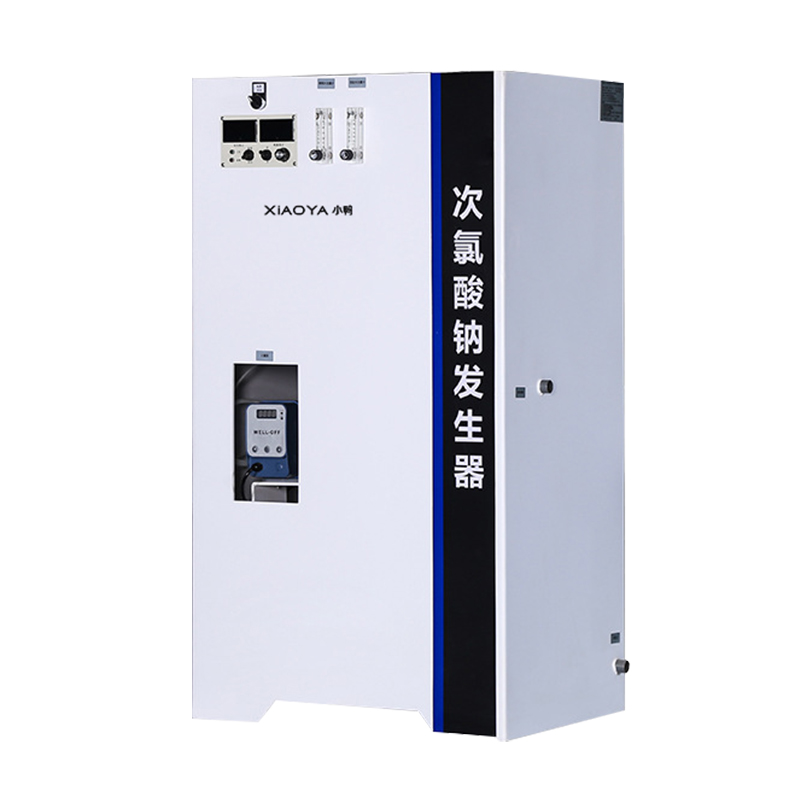
Introduction: The Future of Food Safety Automation
Discover how the AQ-P1000 Hypochlorous Acid Generator revolutionizes food safety in processing plants. This advanced water purification system delivers 5 key benefits—from eliminating pathogens to reducing chemical usage—while seamlessly integrating with existing water supply systems. A must-read for procurement specialists and executives seeking automated, eco-friendly disinfection solutions.
Food processing facilities face mounting pressure to maintain microbiological safety while meeting sustainability goals. Traditional chemical disinfectants often create operational bottlenecks with their handling requirements, residual concerns, and environmental impact. Hypochlorous acid (HClO) generators present a paradigm shift—producing FDA-approved disinfectant on-site through electrolysis of saltwater.
1. Pathogen Elimination Without Toxic Residues
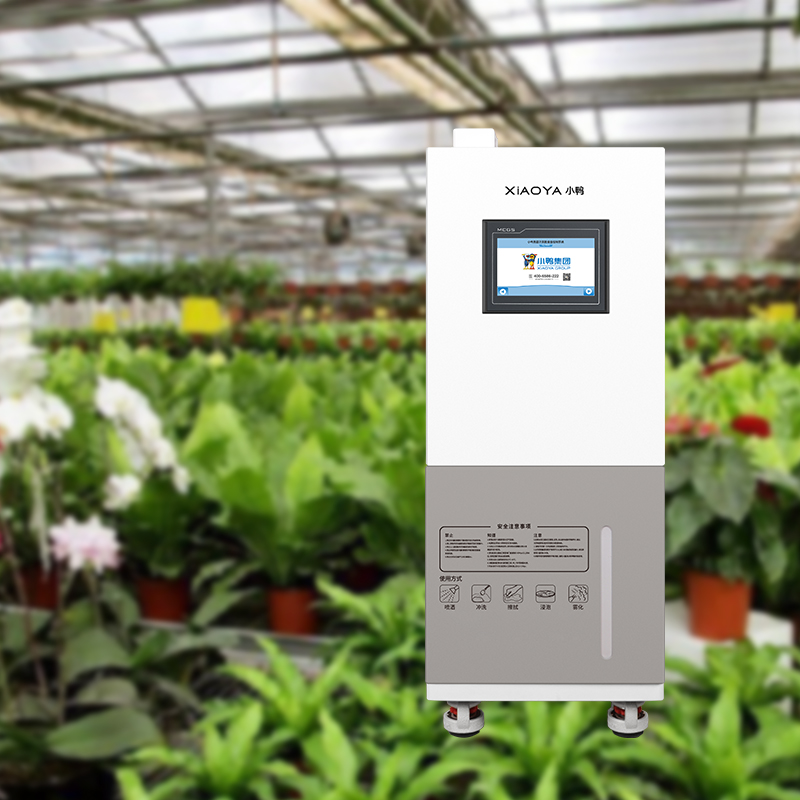
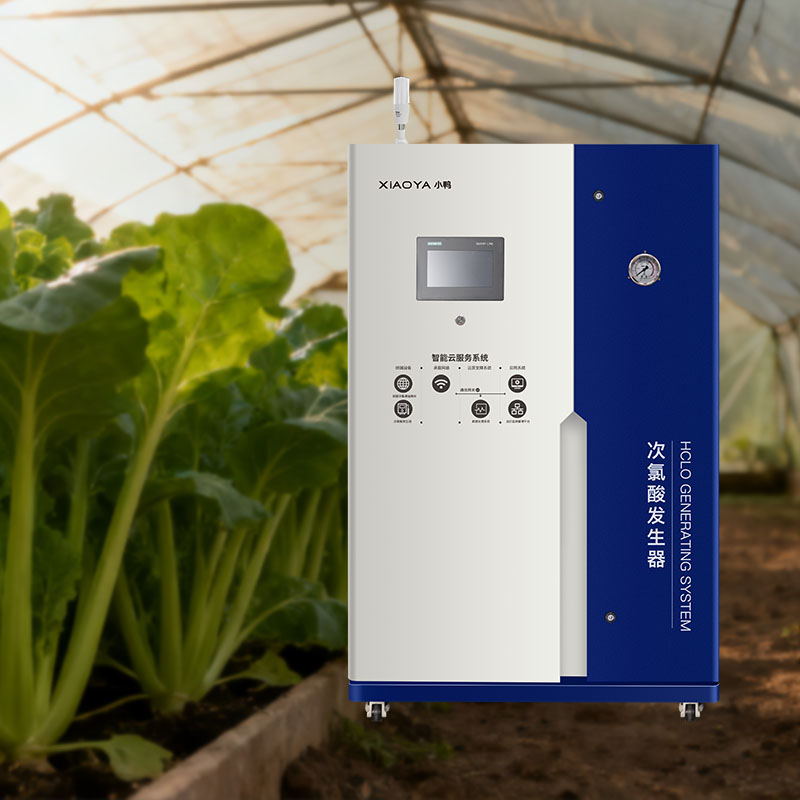
Modern HClO generators achieve 99.99% microbial reduction against Salmonella, Listeria, and E. coli at concentrations as low as 10-80 ppm—far below the 200-500 ppm typically required by chlorine-based alternatives. The AQ-P100-4G Hypochlorous acid(HClO)generator delivers this efficacy through its stable electrolytic cell operation, producing mild yet potent sanitizer that decomposes into harmless saltwater after use.
The rapid action time of HClO allows processing lines to maintain throughput without compromising safety. Facilities report 30-50% faster sanitation cycles compared to traditional methods, translating to measurable production gains.
2. Chemical Cost Reduction Through On-Demand Production
By generating disinfectant from salt, water, and electricity, plants eliminate recurring purchases of premixed chemicals. The AQ-P100-4G's PLC-controlled system produces precisely the required concentration (adjustable from 10-80 ppm), minimizing waste while ensuring consistent efficacy.
- Eliminates chemical storage costs and hazardous material fees
- Reduces annual sanitation chemical budgets by 40-60%
- Removes transportation and handling risks associated with concentrated disinfectants
3. Seamless Integration With Existing Water Systems
Modern HClO generators feature compact footprints (often under 0.5m²) and standardized connections for retrofitting into operational facilities. The optional 4G module in some models enables remote monitoring and integration with central control systems—a critical feature for multi-line processing plants.
4G Connectivity Advantages
Advanced models offer real-time monitoring of chlorine concentration, flow rates, and system status through cloud platforms. This allows quality managers to verify sanitation parameters from any location—a game-changer for facilities with third-party audit requirements.
4. Sustainability Compliance Without Performance Tradeoffs
Food processors face increasing pressure to reduce Scope 3 emissions from supply chain activities. HClO generation addresses this through:
- Elimination of chemical transportation (average 3-5 tons CO2/year per facility)
- 90% reduction in plastic container waste from chemical drums
- No toxic byproducts in wastewater streams
5. Automated Precision for Consistent Results
The latest generation of HClO systems like the AQ-P100-4G incorporate self-regulating features that maintain optimal performance:
- Automatic concentration adjustment based on water quality sensors
- Predictive maintenance alerts for electrolytic cells
- Fail-safe shutdown protocols for power fluctuations
Implementation Checklist for Food Plants
When evaluating HClO generators, procurement teams should verify:
- Third-party validation of microbial kill claims
- Compatibility with existing water hardness levels
- Available service network for maintenance
- Data logging capabilities for compliance reporting
Conclusion: The Smart Choice for Modern Food Safety
Hypochlorous acid generation represents the convergence of food safety, operational efficiency, and environmental responsibility. For facilities processing more than 5 tons of product daily, the combination of chemical cost savings, labor efficiency, and risk reduction typically delivers full ROI within 10-16 months.
Forward-thinking processors are already adopting this technology—not just as a sanitation tool, but as a strategic advantage in increasingly competitive markets. The automation capabilities of modern systems like the AQ-P100-4G transform what was once a manual, variable process into a precisely controlled, data-verified operation.
To explore how your facility can benefit from automated hypochlorous acid generation, request a site-specific ROI analysis from our food safety automation specialists today.
NEWS
 Upgrade in Healthy Living: Hypochlorous Acid Generators Become the New Standard for Luxury Villas
- The Ultimate Solution to Pet Shop Disinfection Challenges! XIAOYA Hypochlorous Acid Generator: Safe Pet Protection with Peace of Mind
 Hypochlorous Acid Generator vs Sodium Hypochlorite Generator
- Hypochlorous Acid Generator Supplier
- Hypochlorous Acid Generator Manufacturer
Leave us a message

Xiaoya Group was founded in 1979,expert in the electrolyzed water industry.
Get in Touch
*We respect your confidentiality and all information are protected.