Industry regulations and certifications from authoritative bodies are the driving force behind public trust in new technologies and the advancement of entire sectors. Hypochlorous acid, a standout in the disinfection field, has gained endorsements and regulatory support from numerous professional organizations worldwide due to its effectiveness in interrupting virus transmission. These endorsements not only validate the safety of hypochlorous acid but also provide a solid, reliable theoretical foundation and practical guidance for its widespread application.
Health Canada updates Veterinary Health Products (VHP) list to include hypochlorous acid
Veterinary Health Products (VHPs) are low-risk drugs used to maintain or promote animal health and welfare. On July 31, 2023, "List C: Veterinary Health Products (VHPs)" was updated with information on hypochlorous acid, specifying that it may be used topically on animal ears and skin at concentrations not exceeding 0.02% (200 ppm).
Recommended species: cats, dogs, horses, dairy cattle, beef cattle, swine, sheep, goats, chickens, turkeys, rabbits, reptiles, rodents, caged birds, other poultry (quail, pheasants, partridges), amphibians, ferrets, cervids (deer, elk).
U.S. Food and Drug Administration (FDA) issues multiple Food Contact Notifications for hypochlorous acid
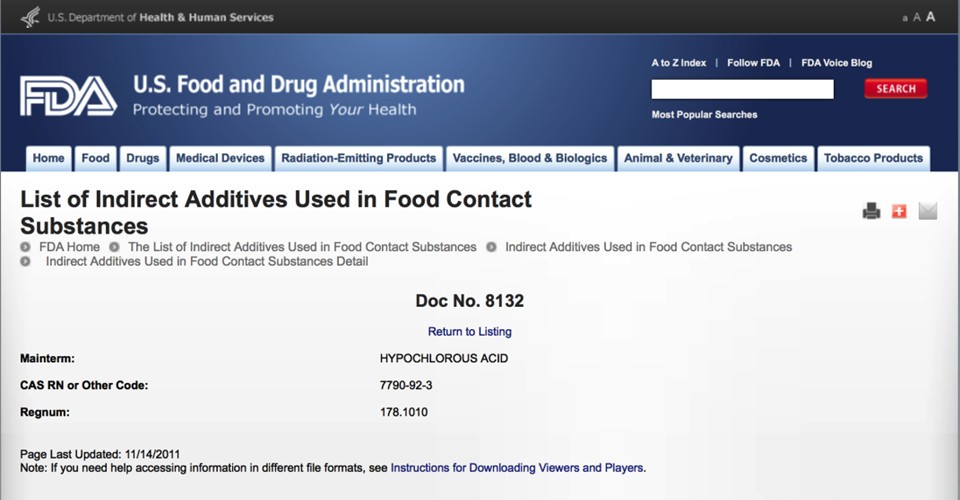
Approved hypochlorous acid as a food additive
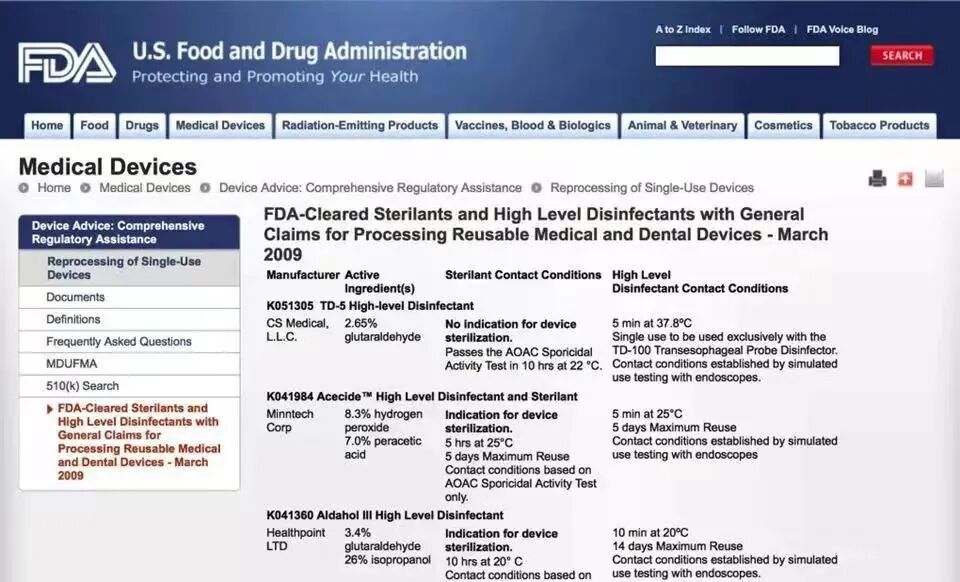
Cleared hypochlorous acid as a disinfectant for medical and dental devices
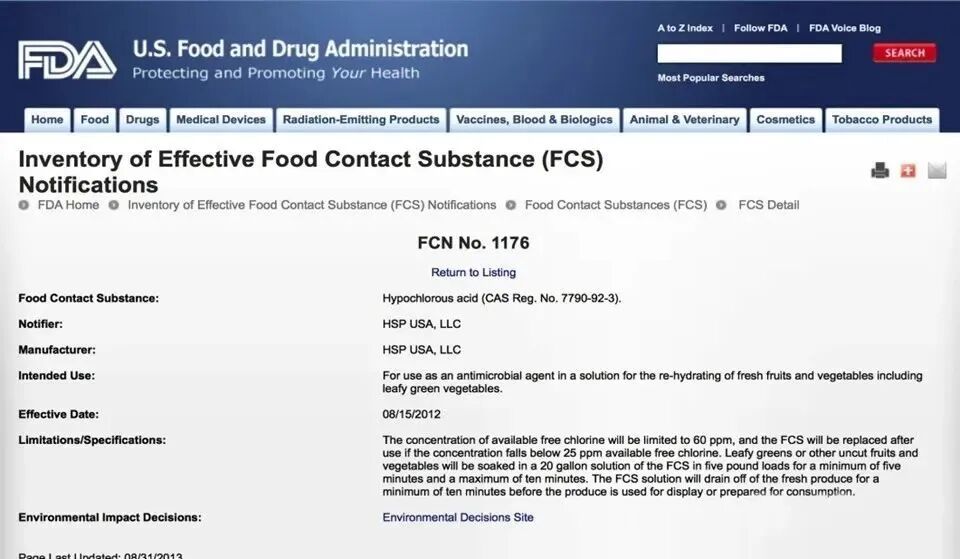
Authorized hypochlorous acid for preserving fresh fruits and vegetables
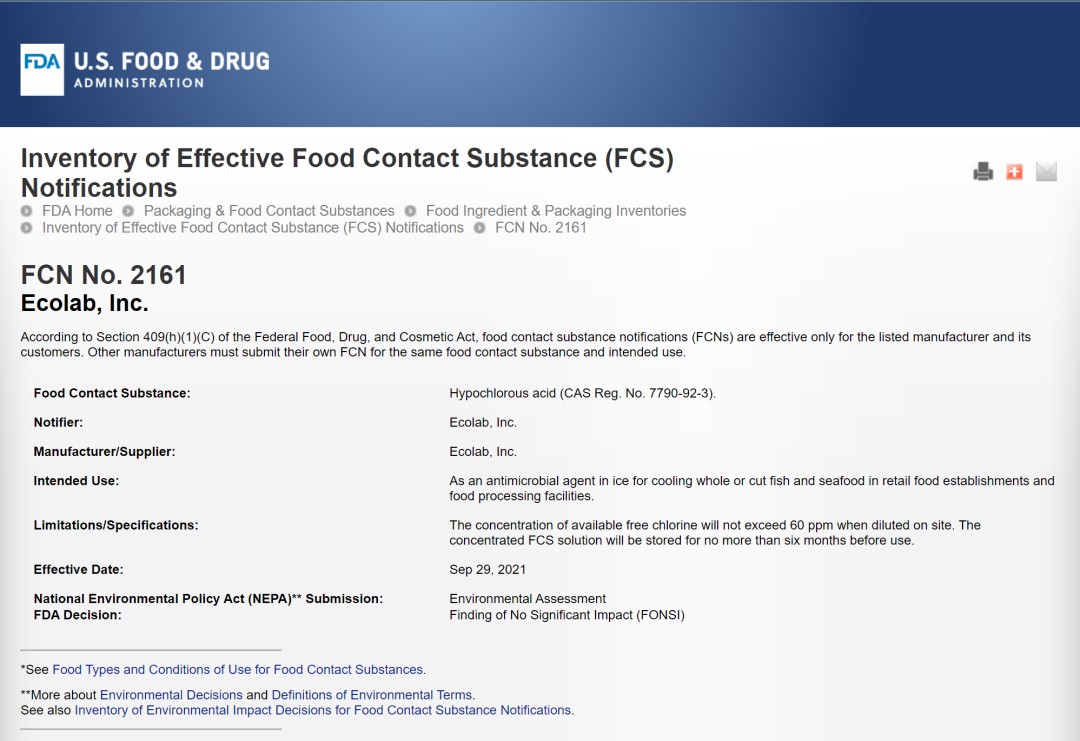
Approved hypochlorous acid for use in antimicrobial ice for whole or cut fish and seafood
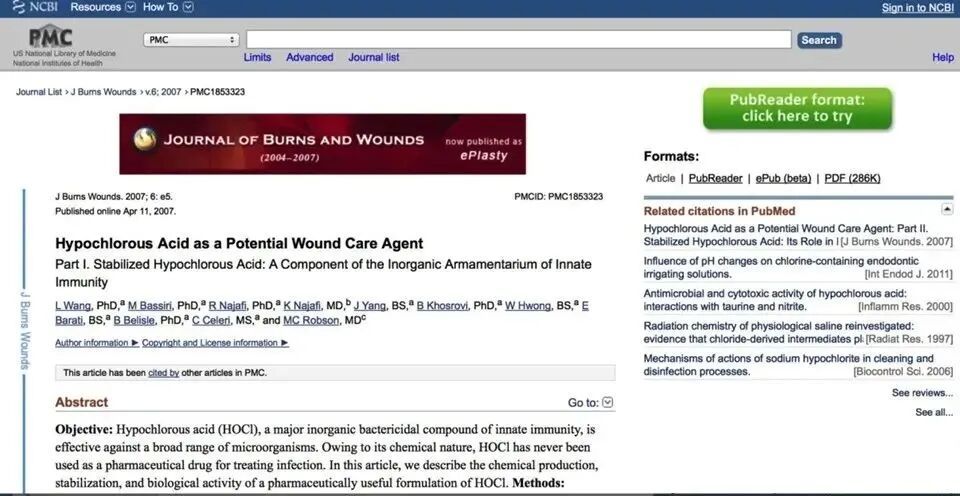
National Center for Biotechnology Information (NCBI) recognizes hypochlorous acid for use in wound care
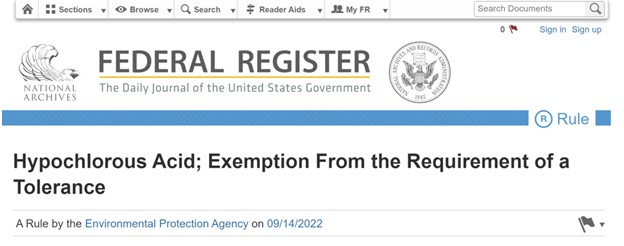
U.S. Environmental Protection Agency (EPA) exempts hypochlorous acid from residue tolerance requirements
Based on the absence of any concerning safety risks associated with hypochlorous acid applications, the U.S. EPA concluded that exposure to hypochlorous acid residues poses no harm to the general population, including infants and children. Consequently, the EPA established an exemption from the requirement of a tolerance for residues of hypochlorous acid.
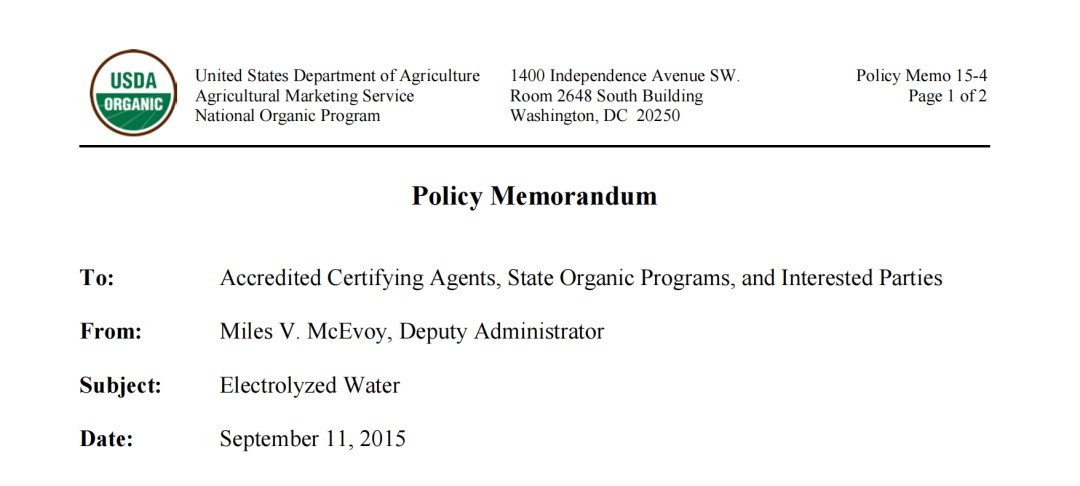
U.S. Department of Agriculture (USDA) lists hypochlorous acid under the National Organic Program
The USDA has determined that hypochlorous acid may be used in the production and handling of organic agricultural products.
As a green and environmentally friendly novel control technology, hypochlorous acid offers broad-spectrum efficacy in plant disease management. Through spraying and pesticide substitution, it can reduce pesticide pollution, lower pesticide residue risks in plants and the environment, promote seed germination, improve soil quality, and enhance crop quality and yield.
U.S. Centers for Disease Control and Prevention (CDC) confirms that the biocidal activity of chlorine-based disinfectants is primarily attributed to hypochlorous acid (HOCL)
In its 《Guideline for Disinfection and Sterilization in Healthcare Facilities》, the CDC confirms the antimicrobial effect of hypochlorous acid (HOCL) and states that the biocidal activity of chlorine-based disinfectants is primarily due to hypochlorous acid (HOCL).
Japan's Ministry of Health, Labour and Welfare (MHLW) designates hypochlorous acid as a food additive
In 2002, Japan published the "Manual for the Use of Hypochlorous Acid as a Food Additive" for application in the food processing industry, catering, and fruit/vegetable disinfection, expanding the use of hypochlorous acid to the food service and food processing industries.
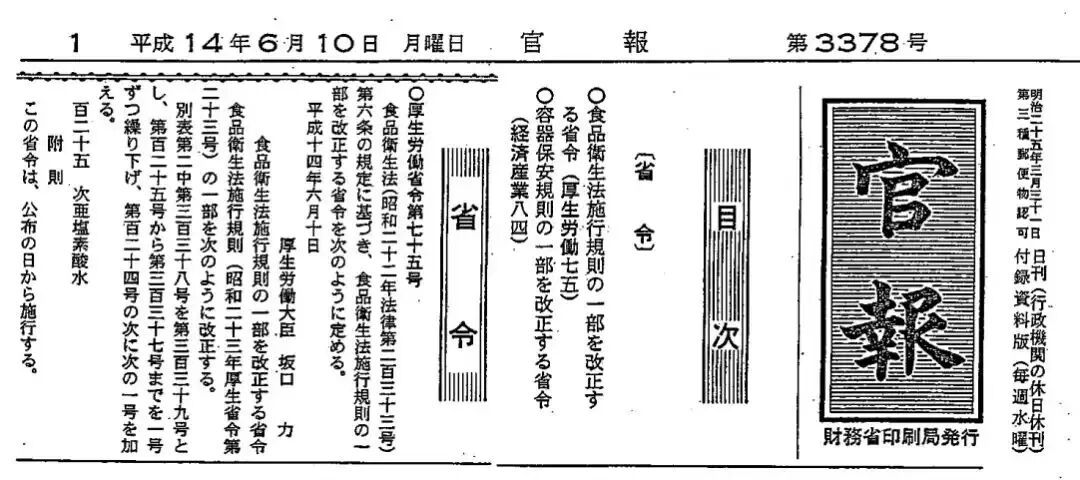
Official gazette of Japan's MHLW designating electrolyzed water as a food additive
Domestic certifications (China)
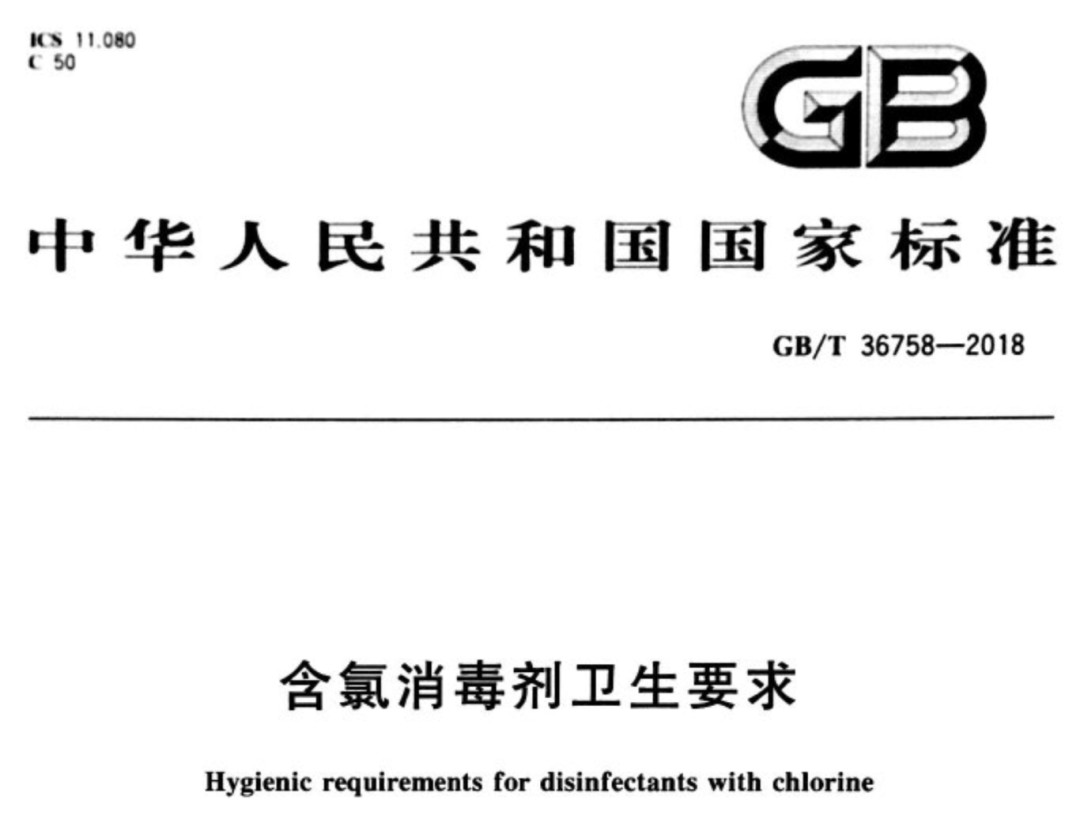
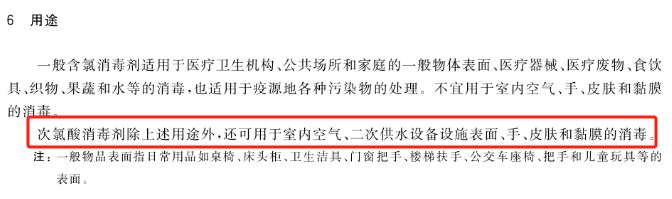
In 2018, national standard GB/T 36758-2018 "Hygienic requirements for chlorine-containing disinfectants" came into effect, specifying its suitability for disinfecting general surfaces in healthcare facilities, public places, and households (e.g., medical devices, tableware, fabrics, fruits/vegetables, water), as well as for treating various contaminants in epidemic areas. It also permits use for indoor air disinfection, secondary water supply equipment surfaces, hands, skin, and mucous membranes.
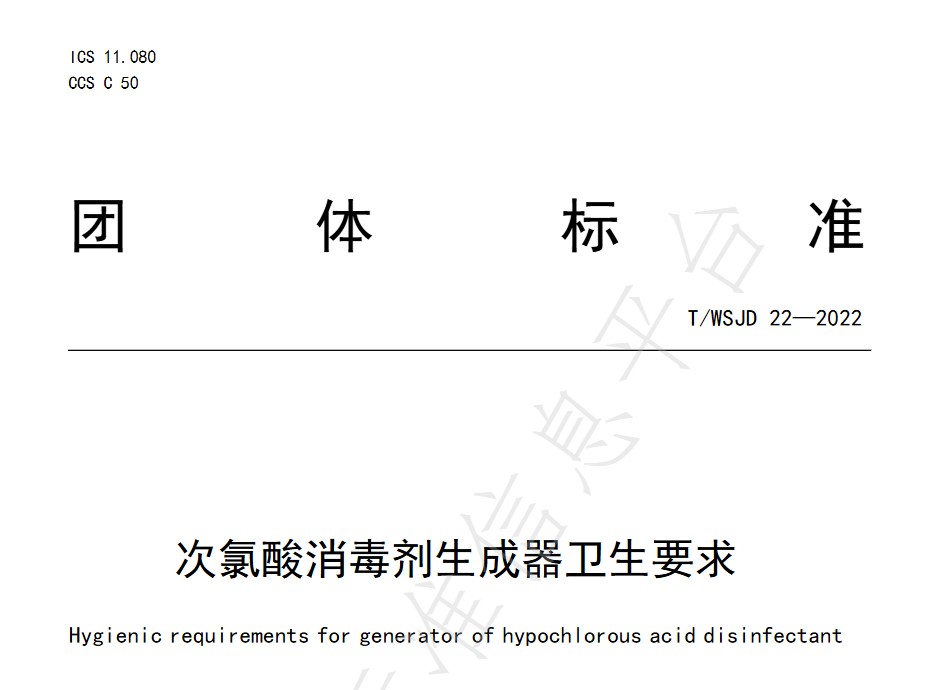
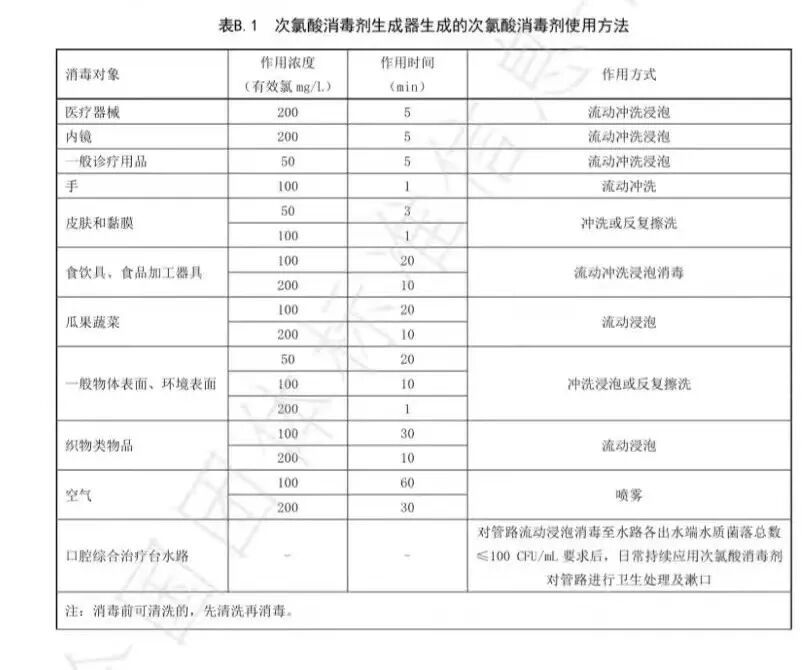
In 2022, the group standard "Hygienic requirements for hypochlorous acid disinfectant generators" issued by the China Health Supervision Association clarified the usage methods for hypochlorous acid disinfectant produced by such generators.
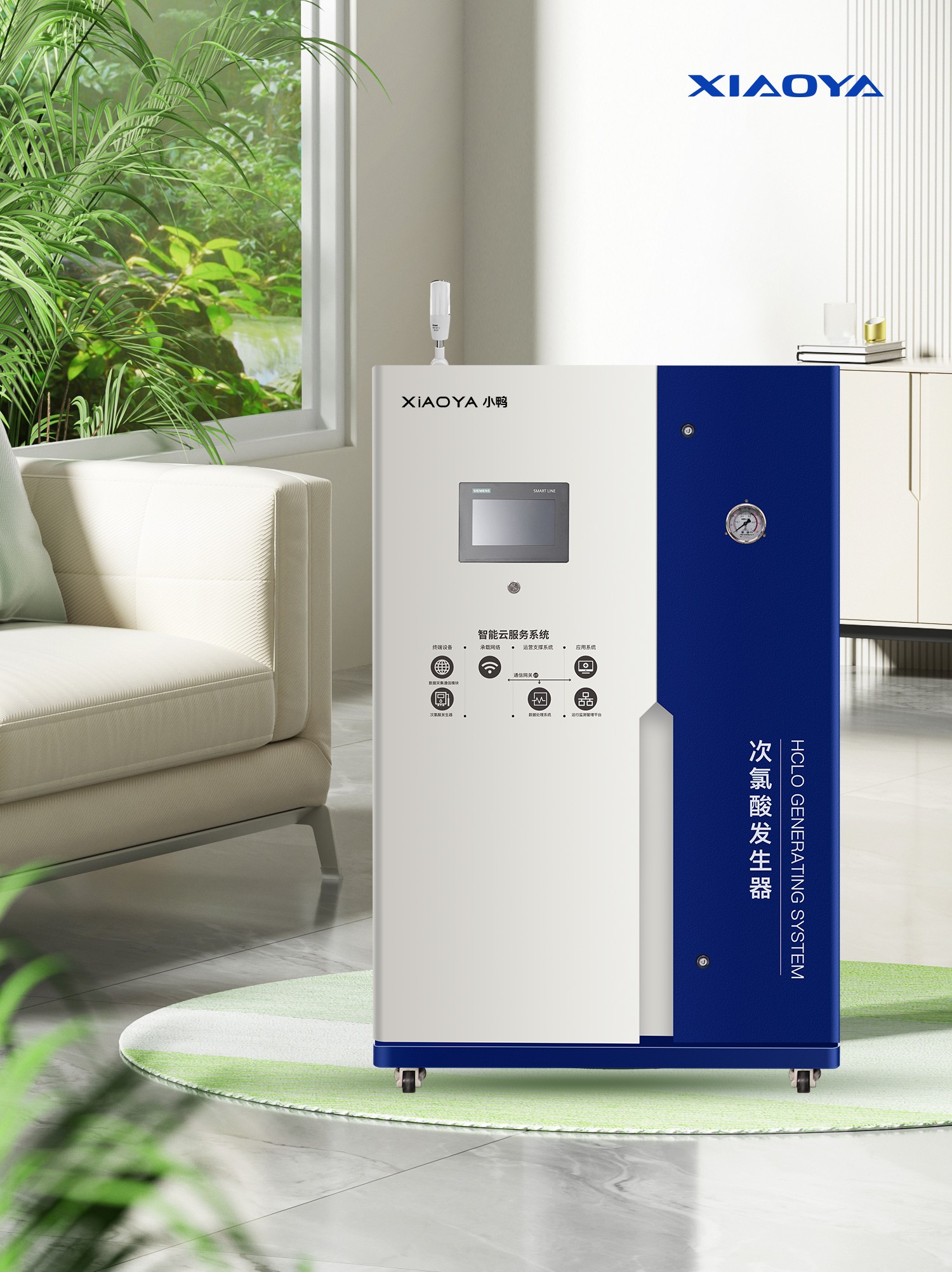
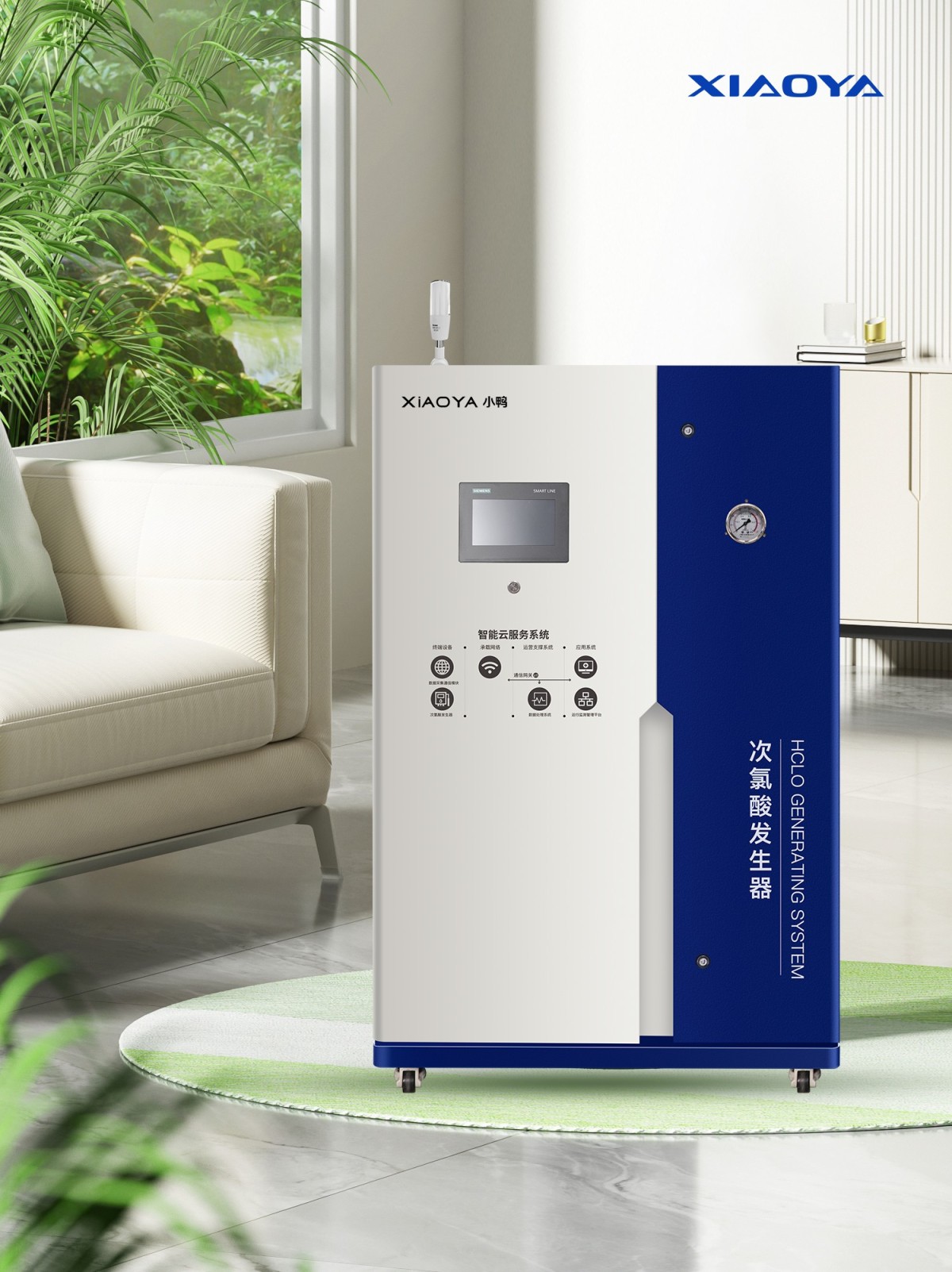
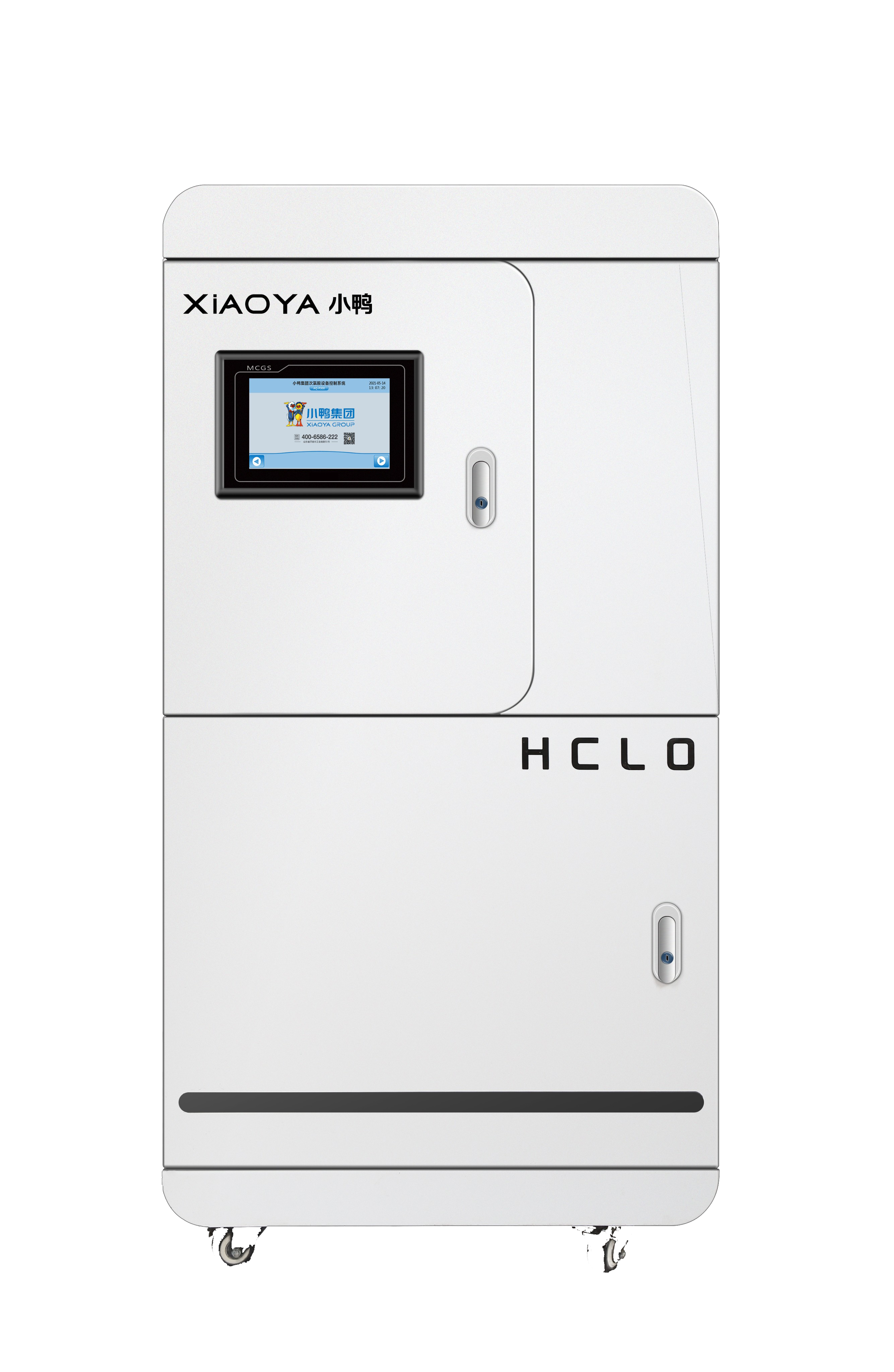
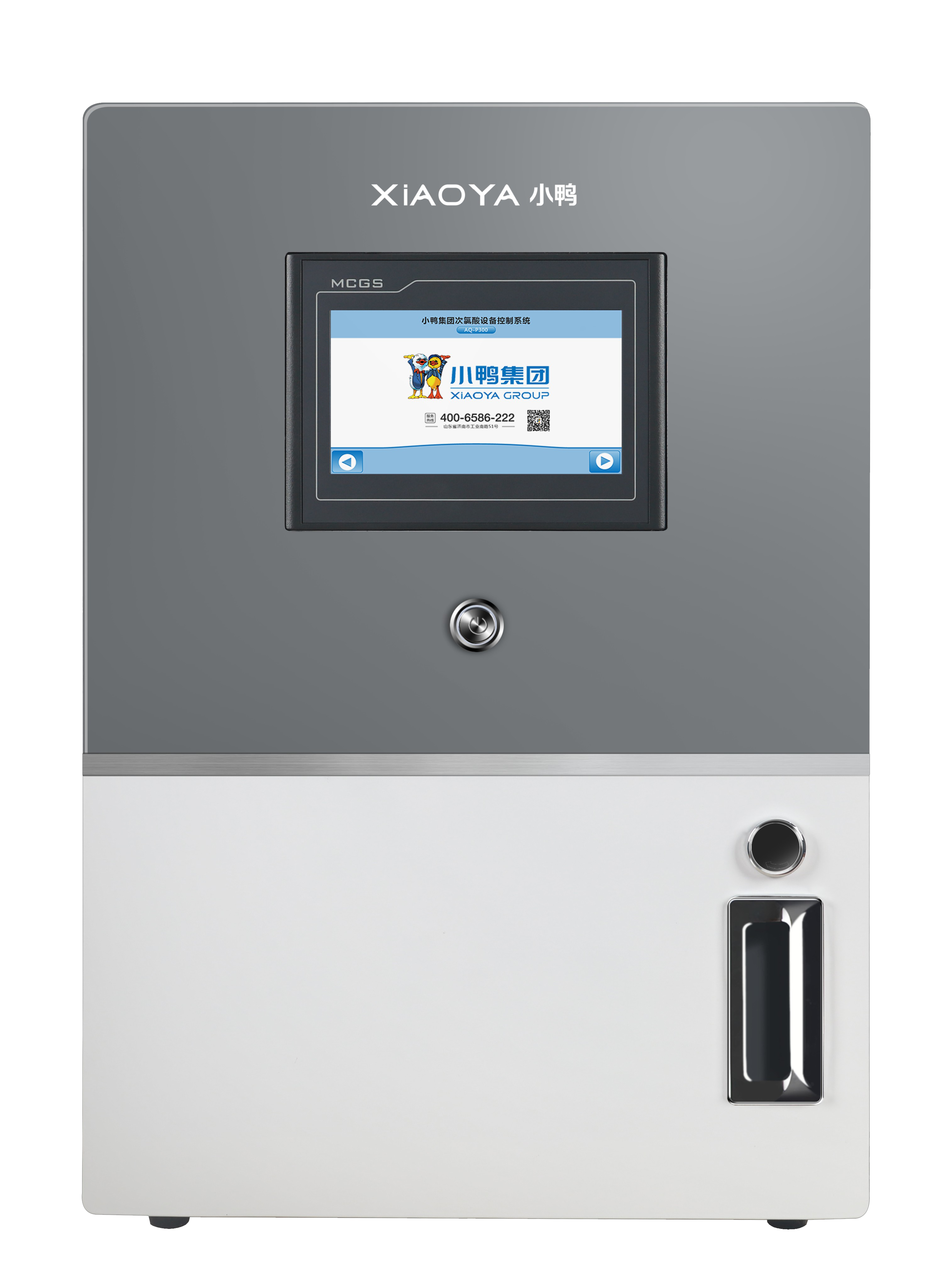
With hypochlorous acid disinfection technology gaining widespread global recognition, the XIAOYA Hypochlorous Acid Generator features a patented electrolytic cell offering high efficiency, low temperature rise, and long service life. The entire fluid path is designed for corrosion resistance, ensuring stable and reliable operation, with an electrolytic cell lifespan of up to 8,000 hours. Flow rates range from 0.1 T/Hr to 12 T/Hr. It supports integrated systems for spraying, automatic replenishment, and remote control, enabling fully automated deodorization and disinfection processes managed via a mobile app. The generator is widely applicable across various scenarios, including animal husbandry, healthcare, education, agriculture, and environmental protection.
NEWS
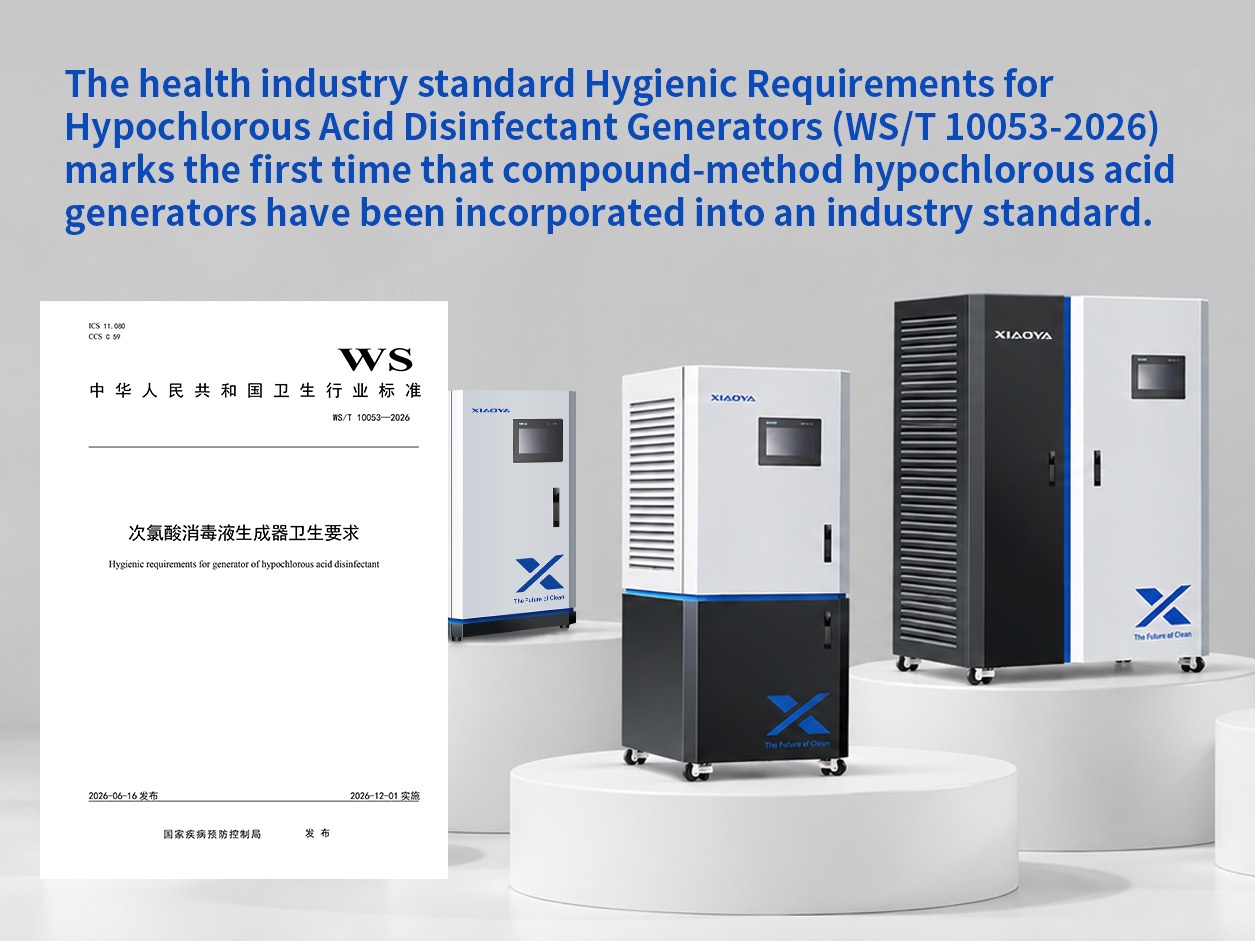
 WS/T 10053-2026 Includes the Compound Method for the First Time: Standard Signals and Market Opportunities for Mass Agricultural Production of Hypochlorous Acid Generators
 Evaluating HClO Generator Lifecycle Costs Beyond the Initial Equipment Price
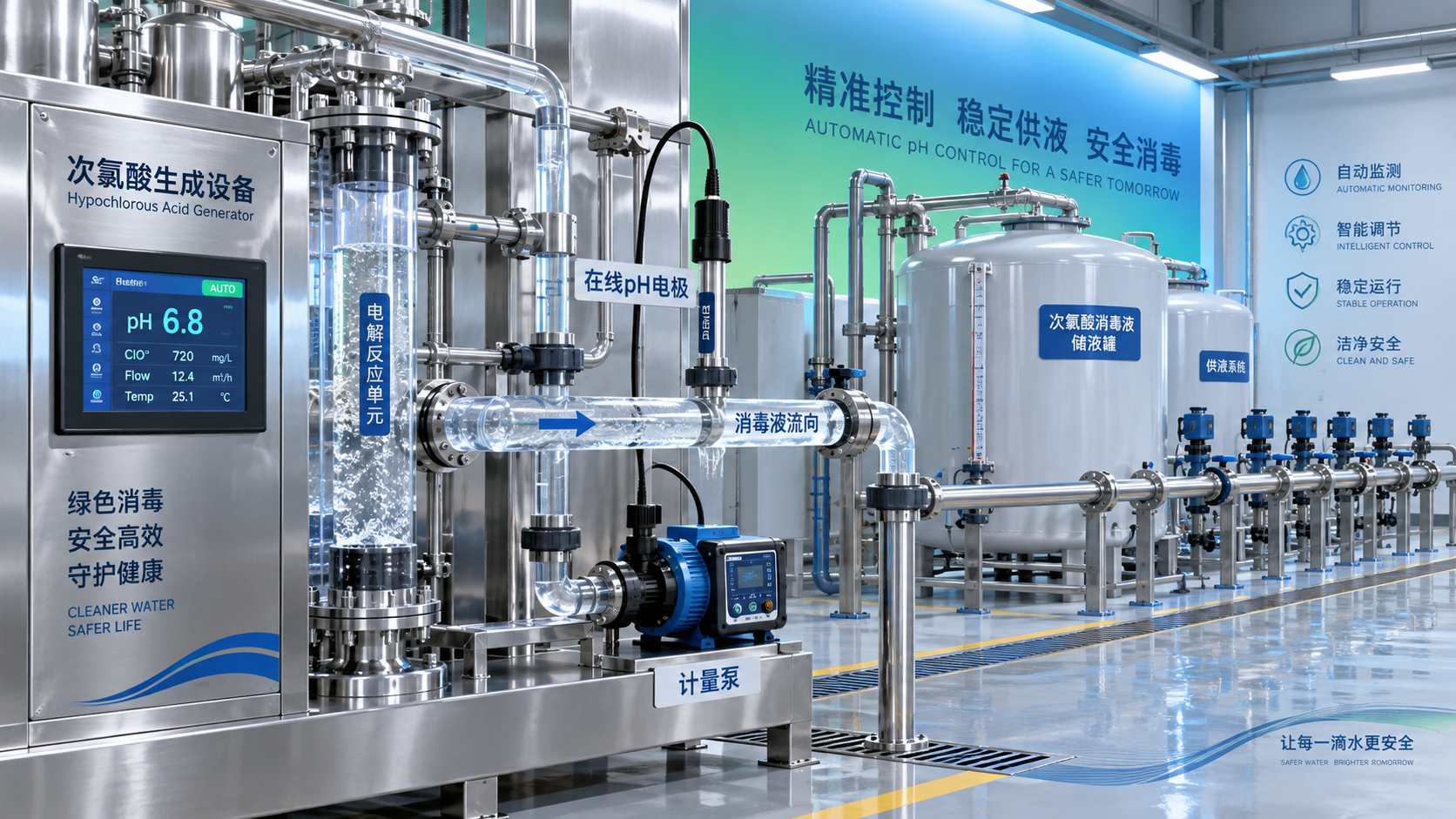
 HClO Generator pH Control: Why It Determines Disinfection Performance
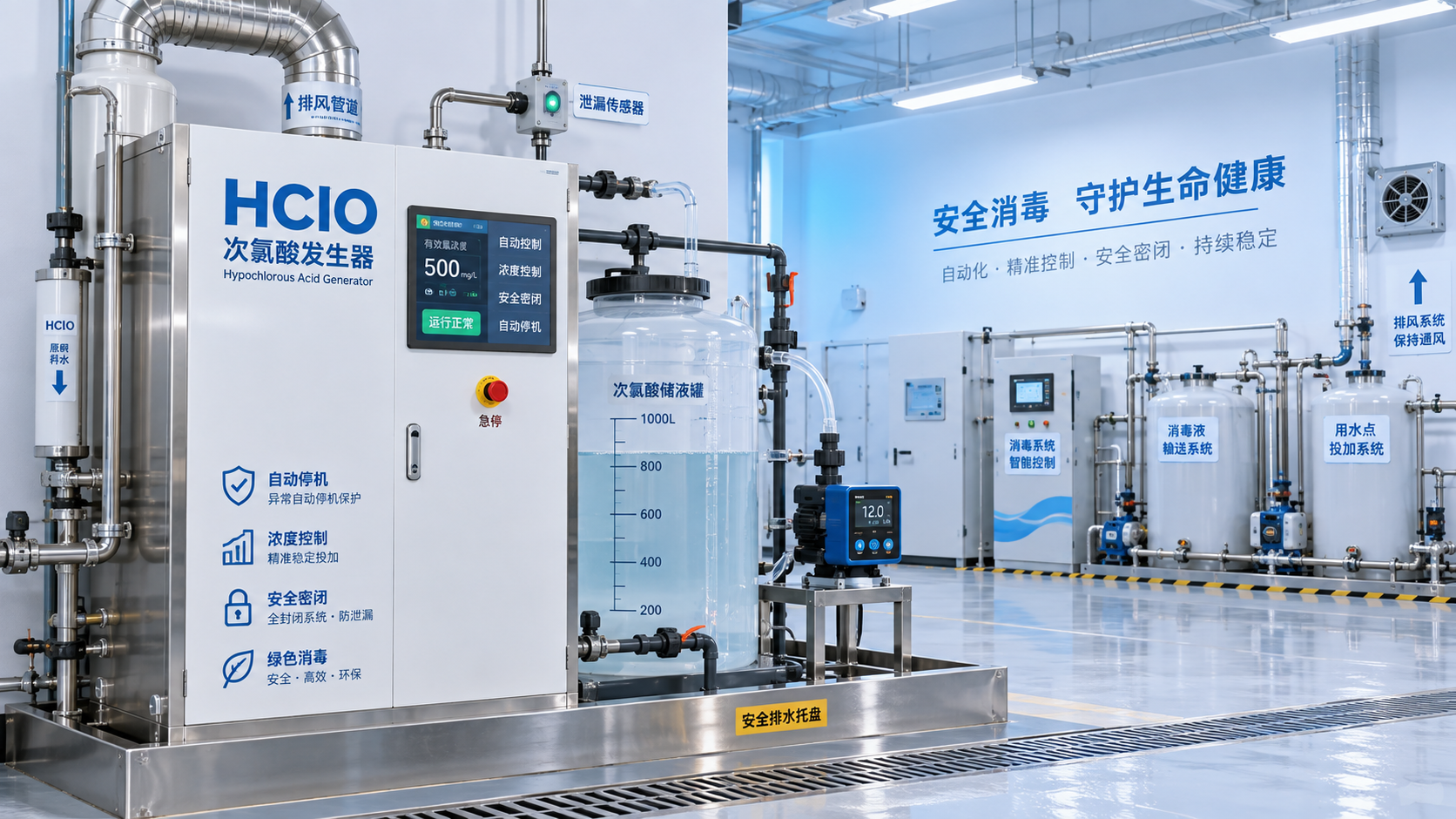
- Which Safety Features Matter Most When Buying an HClO Generator?
 Troubleshooting Low ORP Readings on a Hypochlorous Acid Machine
Leave us a message

Xiaoya Group was founded in 1979,expert in the electrolyzed water industry.
Get in Touch
*We respect your confidentiality and all information are protected.