news
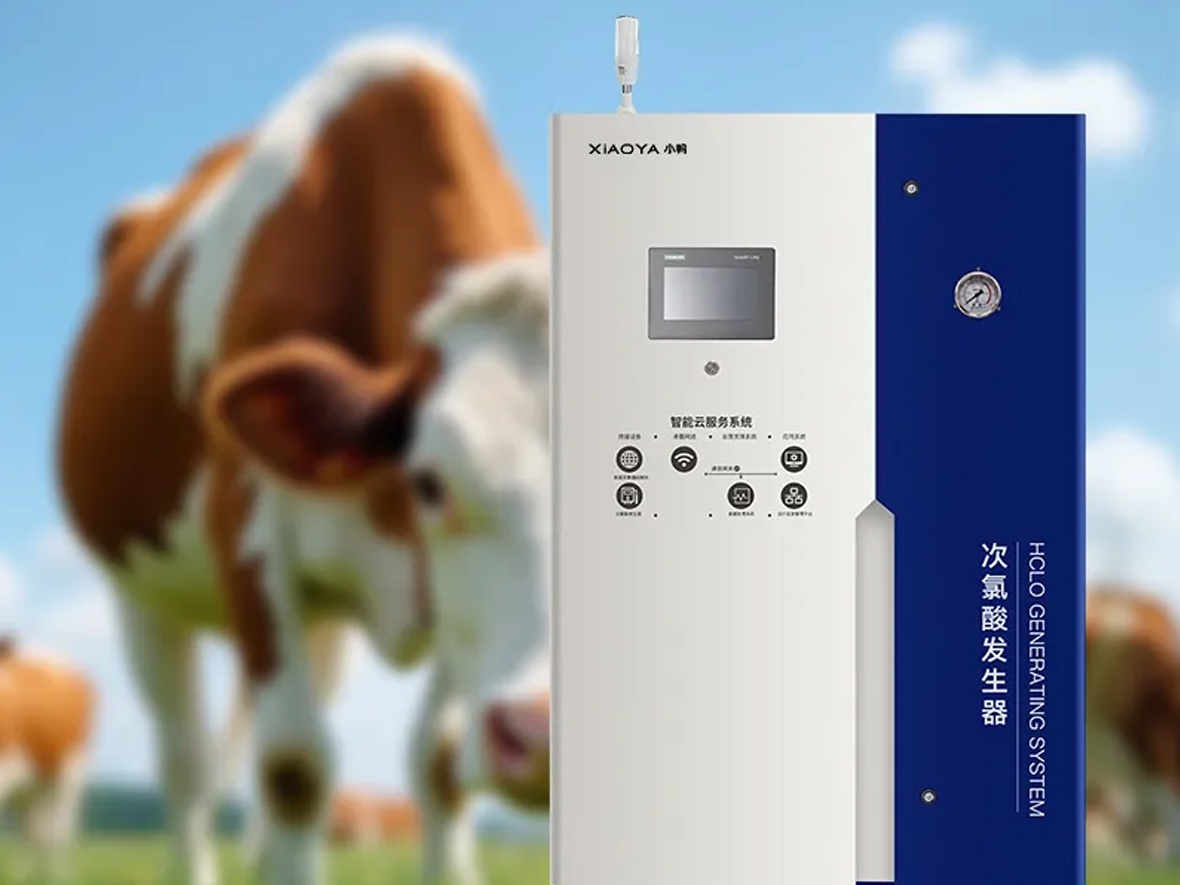
Why hclo disinfection gets attention in daily facility cleaning
For business evaluation, cleaning is no longer just a hygiene task. It is a labor, chemical, uptime, and process control issue at the same time.
That is why hclo disinfection keeps showing up in automation-related cleaning discussions. It can simplify workflows, shorten contact steps, and reduce dependence on multiple chemicals.
In facilities connected to kitchen and bathroom appliances, health care and disinfection appliances, clean energy equipment, and small household appliance production, those savings can be meaningful.
The key question is simple: can hclo disinfection lower labor and chemical costs without creating new operational risks? In many cases, yes, but only if the process is evaluated correctly.
What to verify before calling it a cost-saving option
The easiest mistake is looking only at the disinfectant price. Real savings come from fewer steps, steadier output, lower rework, and easier automation.
- Check how many manual actions can be removed. If hclo disinfection cuts mixing, transport, rinsing, and wipe-down time, labor reduction is often more valuable than unit chemical savings.
- Review whether one solution can cover multiple zones. Using hclo disinfection across equipment surfaces, tools, carts, and wet-contact points may reduce chemical inventory complexity.
- Measure rinse demand carefully. When secondary rinsing is unnecessary in suitable applications, water use, drying time, and operator involvement can all drop noticeably.
- Look at concentration control stability. In automated environments, inconsistent dosing creates hidden costs through repeat cleaning, compliance concerns, and uneven disinfection results.
- Estimate downtime impact, not just sanitation cost. Faster turnaround between cleaning cycles can protect line rhythm, especially where continuous production or shift changes matter.
- Verify material compatibility early. hclo disinfection is often described as low-corrosion, but seals, valves, sensors, and aged surfaces still deserve site-specific validation.
Where labor savings usually appear first
Labor savings usually do not come from one dramatic change. They come from many small tasks disappearing from the routine.
For example, operators may no longer need to prepare several chemicals for different cleaning zones. That alone reduces handling time, training time, and cross-use mistakes.
In semi-automated lines, hclo disinfection also works well with timed spraying, soaking, or circulation systems. That means fewer manual passes and more repeatable sanitation windows.
The gain is even clearer in facilities managing high-frequency daily cleaning, especially where shift turnover requires fast and consistent execution.
A quick comparison table
Where chemical cost reduction is realistic
Chemical savings are real, but they should be judged by total chemical use per cleaned area, not by headline concentration alone.
If hclo disinfection replaces separate sanitizer stages, reduces overuse, and supports accurate output control, total spend can become more predictable and often lower.
This matters in automated equipment environments, where process consistency affects not just sanitation cost, but product quality and regulatory confidence too.
- Track consumption per shift, not per container. A lower monthly spend usually comes from tighter dosage control and less waste during changeovers and replenishment.
- Include indirect chemical-related costs. Storage, labeling, operator protection, and disposal obligations can make traditional multi-chemical routines more expensive than expected.
- Evaluate whether cleaning quality becomes more stable. Consistent hclo disinfection performance often reduces repeat applications, which quietly consume both chemicals and labor hours.
A useful reference from automated HClO generation
One practical benchmark comes from automated generation systems designed for continuous, traceable disinfection workflows.
For instance, Special Hypochlorous Acid Generator for Cold Chain Transportation of Lotus Root Sprouts shows how HClO can be integrated into process-driven sanitation rather than handled as a simple add-on chemical.
Its AQ-P1000 setup supports output of at least 1000L/h, adjustable available chlorine from 10 to 300mg/L, PLC intelligent control, fault alarm, and data traceability.
Even though its main application is cold-chain treatment, the broader lesson is clear: automated HClO generation improves consistency, supports 7×24h operation, and reduces dependence on manual preparation.
That model also highlights features often linked to cost control, including zero residue, no secondary rinsing in suitable use cases, and industrial-grade stability over long operating cycles.
Common risks that can weaken the savings
Not every deployment of hclo disinfection saves money. Poor setup can shift costs from chemicals to maintenance, validation, or process interruption.
A common issue is weak parameter management. If pH, concentration, water quality, or contact time drift, the cleaning result becomes unreliable.
Another missed point is application fit. Heavy grease removal still requires the right cleaning stage before disinfection. HClO is not a shortcut for every soil type.
Documentation also matters. In regulated or export-linked environments, traceability can influence whether hclo disinfection creates real operating value or extra audit work.
A practical way to assess the business case
- Start with one cleaning route and map every step. Record labor minutes, chemical volume, rinse time, downtime, and rework before testing hclo disinfection alternatives.
- Run a controlled pilot with measurable parameters. Compare concentration stability, sanitation result, operator time, and surface condition over at least several full cleaning cycles.
- Prioritize automation compatibility. Systems with programmable control, alarms, and traceable data usually make hclo disinfection easier to justify in long-term evaluations.
- Check standards and export requirements in advance. Certified, well-documented HClO processes reduce approval friction and support more confident cost forecasting.
In short, hclo disinfection can lower labor and chemical costs in daily facility cleaning, especially where automation, repeatability, and fast turnaround matter.
The strongest results usually come from controlled generation, stable parameters, and realistic process matching. A small pilot with clear baseline data is often the smartest next step.
NEWS
 Upgrade in Healthy Living: Hypochlorous Acid Generators Become the New Standard for Luxury Villas
- The Ultimate Solution to Pet Shop Disinfection Challenges! XIAOYA Hypochlorous Acid Generator: Safe Pet Protection with Peace of Mind
 Hypochlorous Acid Generator vs Sodium Hypochlorite Generator
- Hypochlorous Acid Generator Supplier
- Hypochlorous Acid Generator Manufacturer
Leave us a message

Xiaoya Group was founded in 1979,expert in the electrolyzed water industry.
Get in Touch
*We respect your confidentiality and all information are protected.