news
Beyond Basic Disinfection: The Evolving Role of HClO in Water Safety
Ensuring drinking water safety goes beyond basic disinfection – especially when hclo water treatment is involved. As dental disinfection and hospital water systems demand higher standards, innovative hclo solutions bridge the gap between safety and sustainability. Discover how advanced automation integrates with hypochlorous acid technology to protect both consumers and healthcare environments, delivering water purity that meets the strictest quality control requirements.
Why Traditional Disinfection Falls Short in Healthcare Settings
Standard chlorination methods often fail to address three critical challenges in medical water systems:
- Biofilm penetration in dental unit waterlines (DUWLs)
- Corrosion risks to sensitive equipment components
- Residual byproducts affecting patient safety
Recent studies show 68% of dental clinics still struggle with bacterial contamination despite routine disinfection, highlighting the need for advanced solutions like Hypochlorous Acid Generator for Dental Chair Pipeline Disinfection.
Technical Advantages of Automated HClO Generation
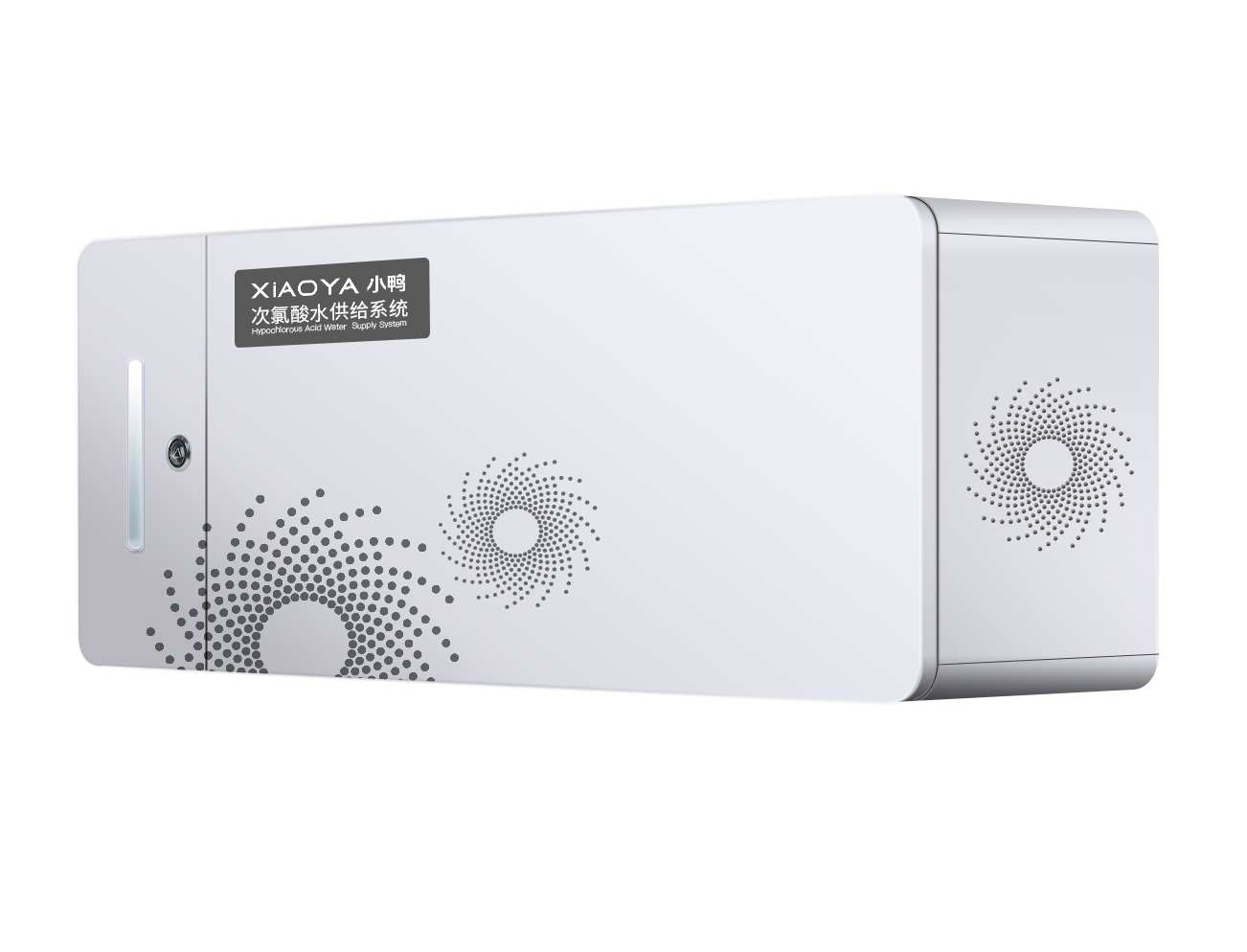
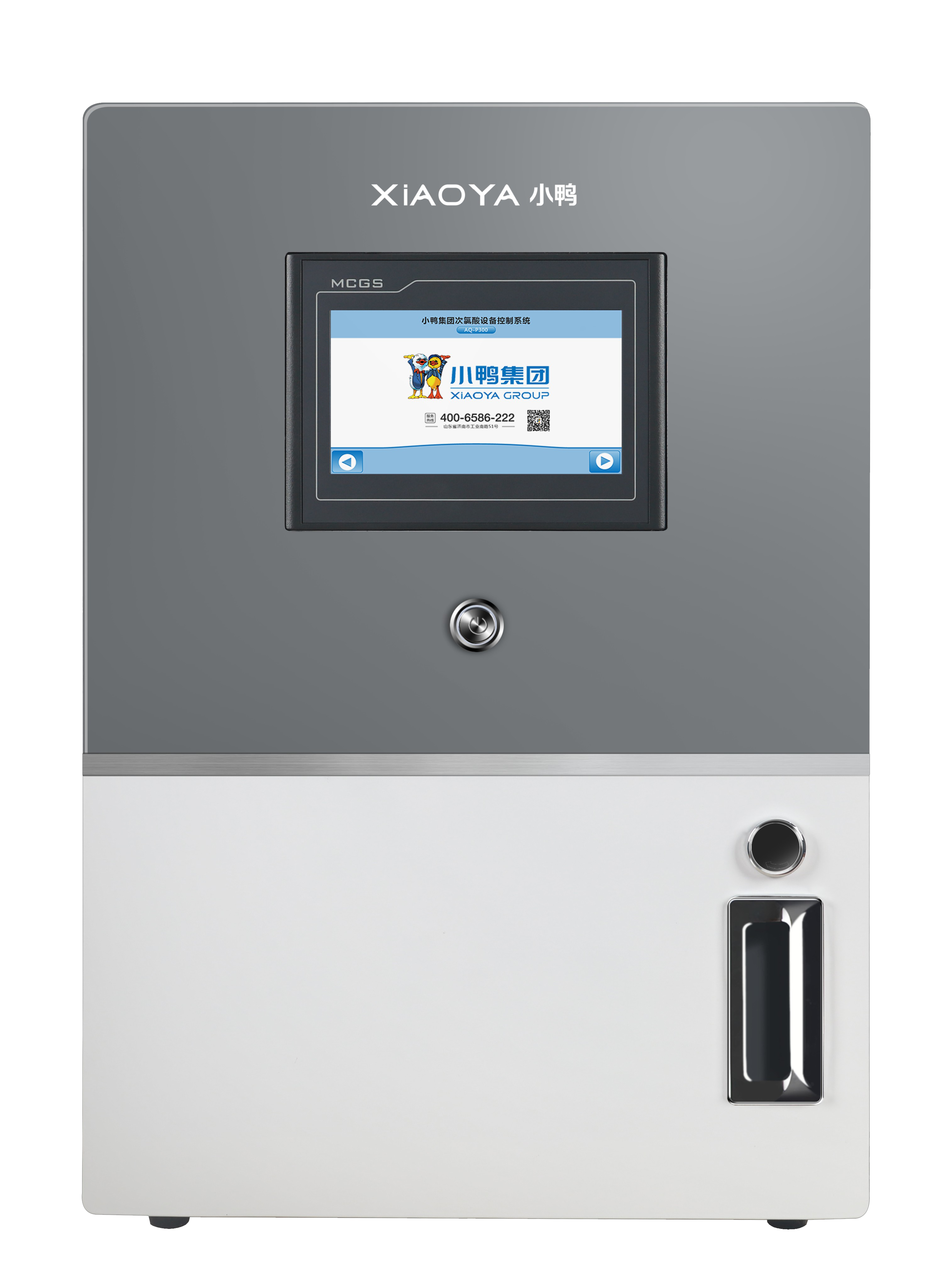
The XY-SAEW-300W model demonstrates these advantages through its 68.9 mg/L effective chlorine concentration while maintaining a non-corrosive pH of 6.37.
Key Automation Features for Quality Control
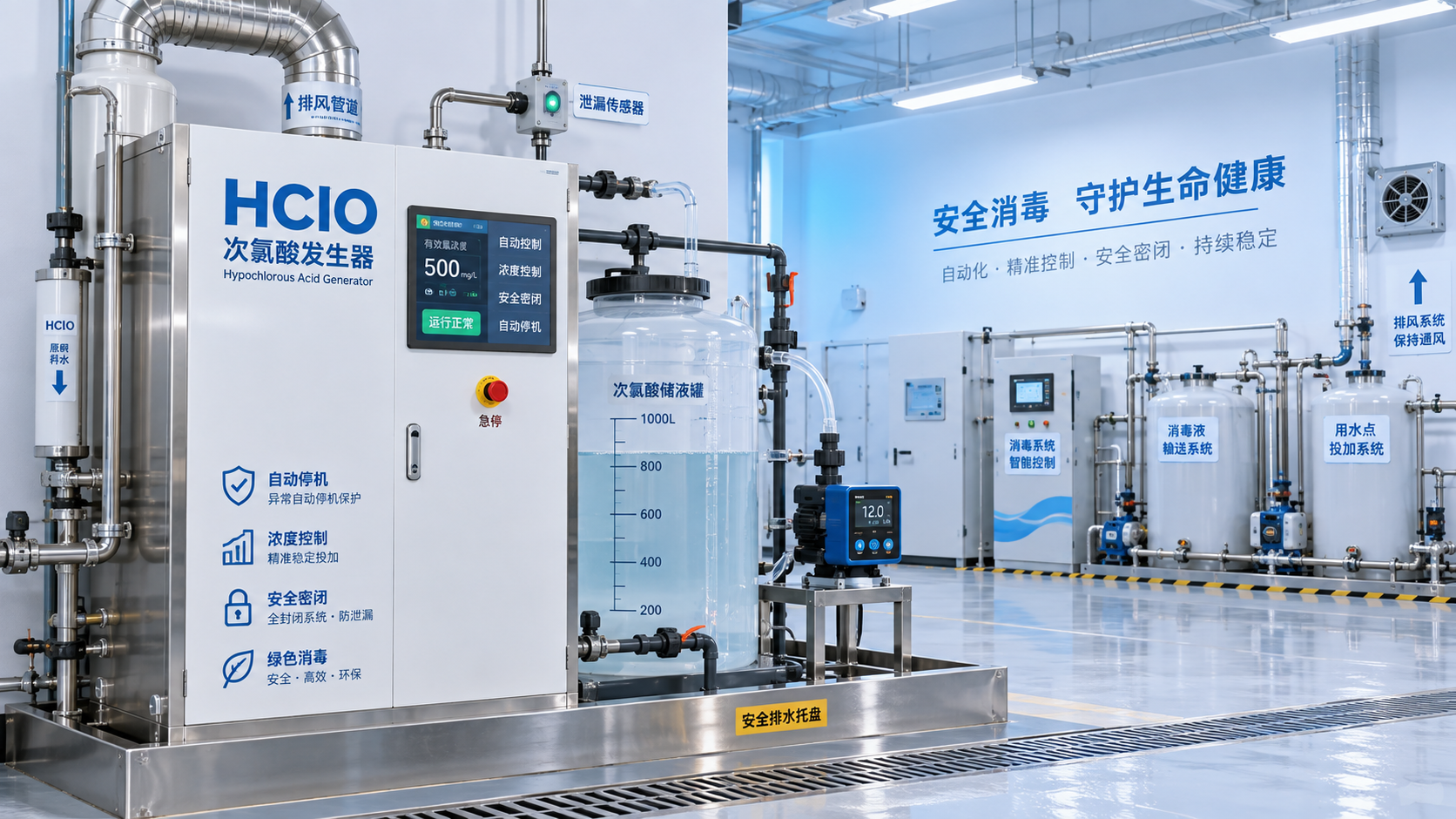
Modern HClO generators integrate several critical automation components:
- PLC-controlled electrolysis process with ±0.5% concentration accuracy
- 4G-enabled remote monitoring for real-time parameter adjustment
- Self-cleaning cycles every 300 operational hours
- Automatic shutdown upon detecting water pressure below 0.15MPa
Implementation Considerations for Healthcare Facilities
Dental Clinic Installation Requirements
Successful integration requires attention to three core aspects:
- Water quality analysis (pre-treatment may be needed for hard water)
- Electrical specifications (220V/50Hz with proper grounding)
- Space allocation (minimum 390×340×910mm for host unit)
Maintenance Protocols for Continuous Safety
Frequently Asked Questions
How does HClO compare to ozone for dental water disinfection?
While ozone offers rapid disinfection (99% kill rate in 1-2 minutes), HClO provides superior residual protection (4-6 hours) without the equipment corrosion and staff safety concerns associated with ozone gas.
What certification standards apply to medical-grade HClO generators?
Key certifications include ISO 13485 for medical devices, IEC 60601-1 for electrical safety, and EPA registration for antimicrobial efficacy. The XY-SAEW-300W meets all three requirements.
Can existing dental chairs be retrofitted with HClO systems?
Most modern dental units support integration through standard 1/4" waterline connections, with installation typically completed in 2-4 hours per operatory.
Next Steps for Water Safety Enhancement
For facilities evaluating water treatment upgrades, consider these action items:
- Conduct baseline water testing (CFU/mL counts)
- Review equipment specifications against clinic water pressure (0.15–0.25MPa required)
- Schedule a technical consultation for system sizing
Our engineering team specializes in turnkey solutions for dental water safety, offering everything from initial assessment to staff training. Contact us for a customized proposal addressing your specific disinfection challenges and compliance requirements.
NEWS
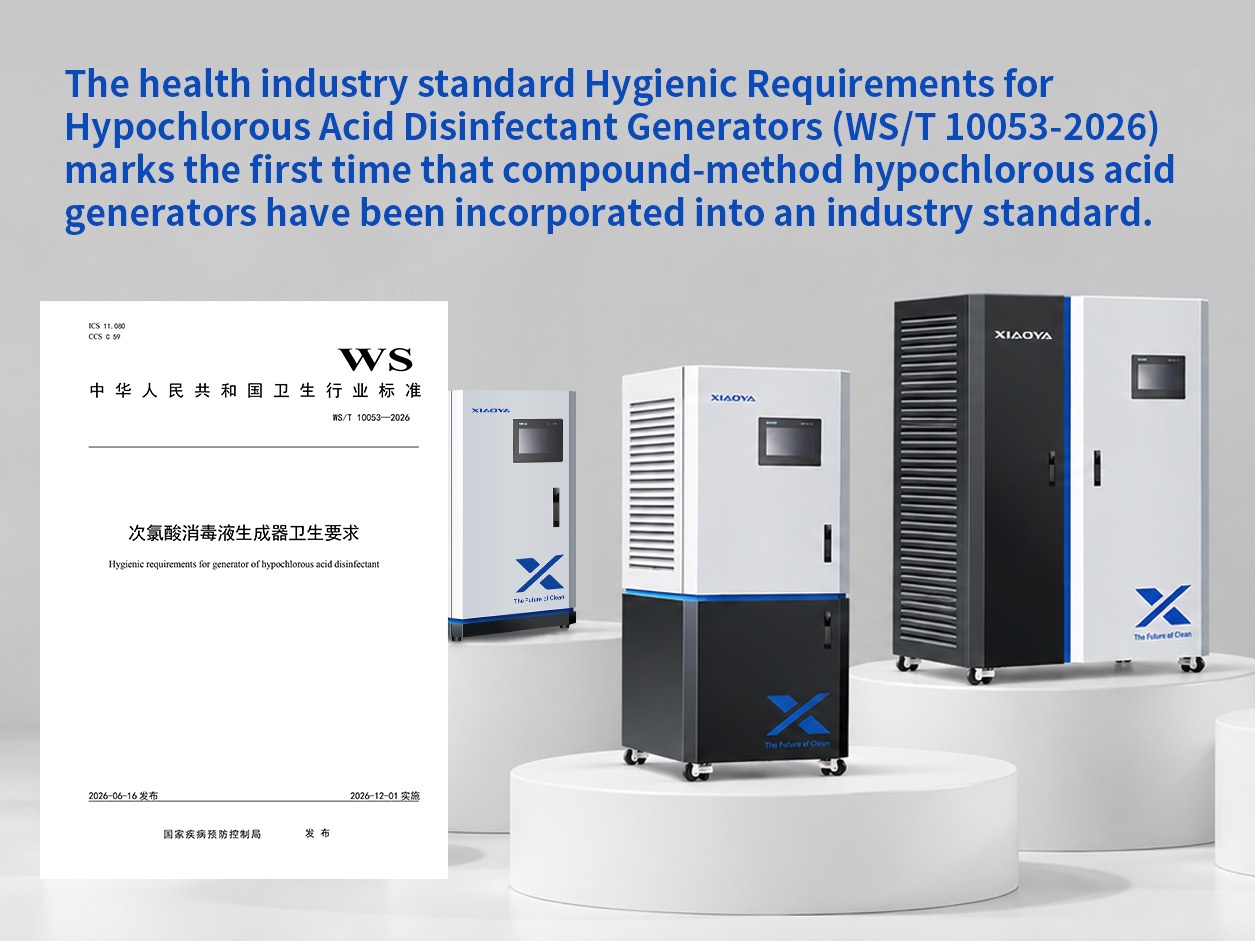
 WS/T 10053-2026 Includes the Compound Method for the First Time: Standard Signals and Market Opportunities for Mass Agricultural Production of Hypochlorous Acid Generators
 Evaluating HClO Generator Lifecycle Costs Beyond the Initial Equipment Price
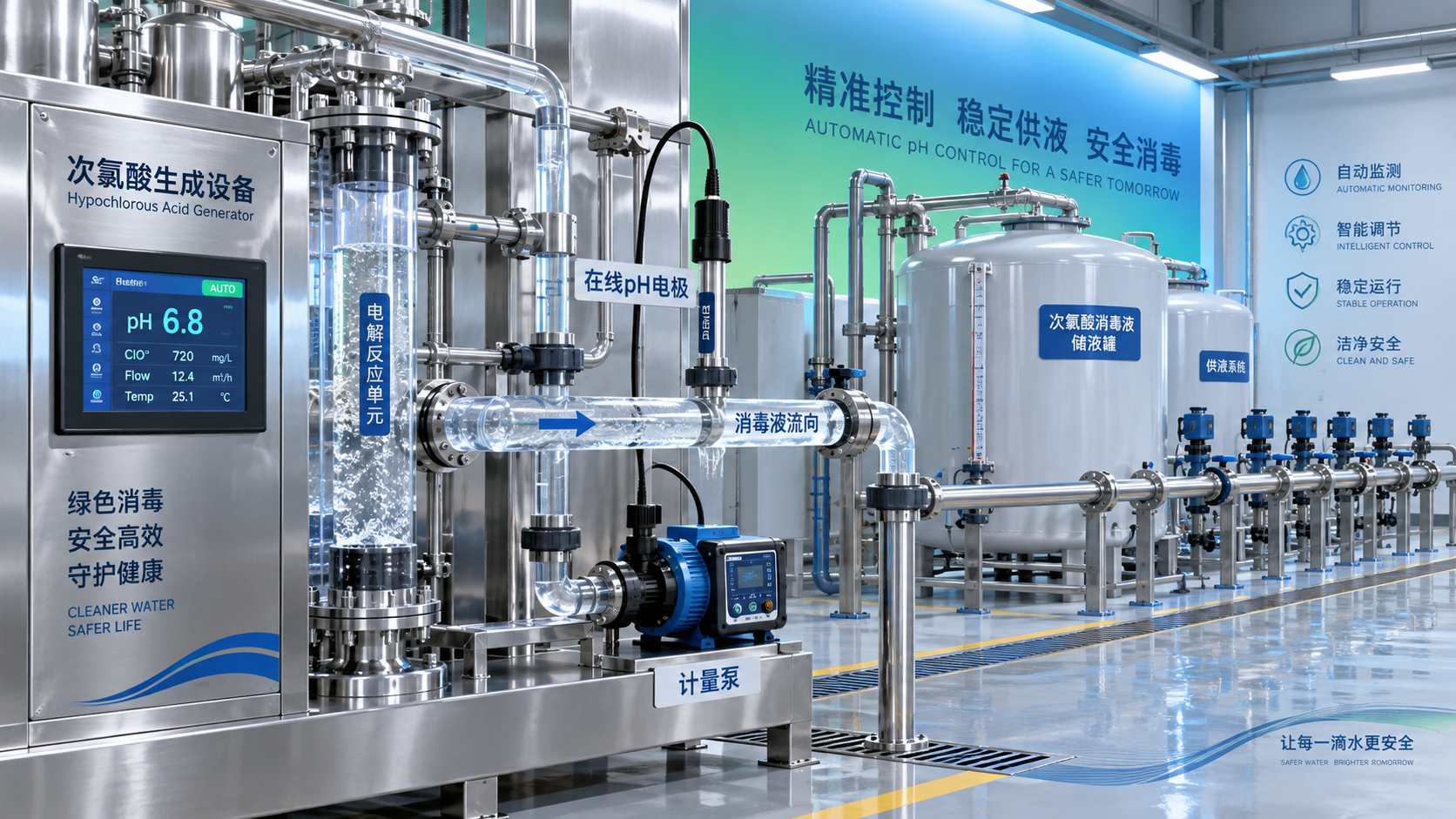
 HClO Generator pH Control: Why It Determines Disinfection Performance
- Which Safety Features Matter Most When Buying an HClO Generator?
 Troubleshooting Low ORP Readings on a Hypochlorous Acid Machine
Leave us a message

Xiaoya Group was founded in 1979,expert in the electrolyzed water industry.
Get in Touch
*We respect your confidentiality and all information are protected.