




news
Stable hygiene in automated appliances does not come from chlorine output alone. In hclo water treatment, disinfection quality depends on several linked variables, and small shifts can change performance quickly.
This matters across kitchen and bathroom appliances, healthcare disinfection devices, clean energy systems, and small household products. When R&D, production, and operation are closely connected, parameter control becomes a practical operating issue, not just a lab target.
Why parameter stability matters in automated disinfection
HClO is valued because it can deliver effective microbial control with relatively mild chemical behavior when conditions stay within the right range.
In real equipment, however, hclo water treatment is influenced by water quality, dosing accuracy, circulation design, and maintenance status.
For automated systems, repeatability is the real benchmark. A unit that disinfects well once but drifts during daily operation creates hygiene risks, user complaints, and unnecessary service costs.
The core variables behind consistent HClO performance
Available concentration
Concentration is the first value most operators check, but it should never be judged in isolation.
If the level is too low, microbial reduction may be incomplete. If it is too high, material compatibility, odor, and operating costs may become harder to manage.
pH control
pH directly affects the balance between hypochlorous acid and less active forms of chlorine.
That is why pH drift can reduce disinfection strength even when measured chlorine still appears acceptable.
Flow rate and distribution
Uneven flow creates dead zones, bypass, or unstable dosing contact.
In hclo water treatment loops, a well-balanced hydraulic path is often as important as chemical settings.
Contact time
Disinfection needs enough exposure time to work across the target surface, pipe section, or storage area.
High flow with short residence time can make a system look active while delivering weak real-world sanitation.
Temperature and organic load
Incoming water changes the chemical environment. Temperature, hardness, suspended solids, and organics all affect HClO consumption.
This is why two installations using the same settings may show different results.
What operators should watch during daily use
Reliable hclo water treatment is usually built on routine observation rather than occasional correction.
- Check concentration and pH together, not as separate pass or fail values.
- Track inlet water changes after seasonal shifts or supply source adjustments.
- Verify pump stability, sensor response, and valve action during automatic cycles.
- Inspect scaling, fouling, or biofilm risks in tanks, pipelines, and spray sections.
- Review alarm history instead of clearing faults without cause analysis.
These checks are especially relevant in appliances designed for continuous or repeated sanitation, where performance drift can stay hidden until hygiene fails.
Equipment condition often decides chemical performance
A common mistake is blaming chemistry when the real issue is mechanical or control-related.
Blocked filters, unstable pumps, aging seals, inaccurate probes, and poor mixing all reduce the effectiveness of hclo water treatment.
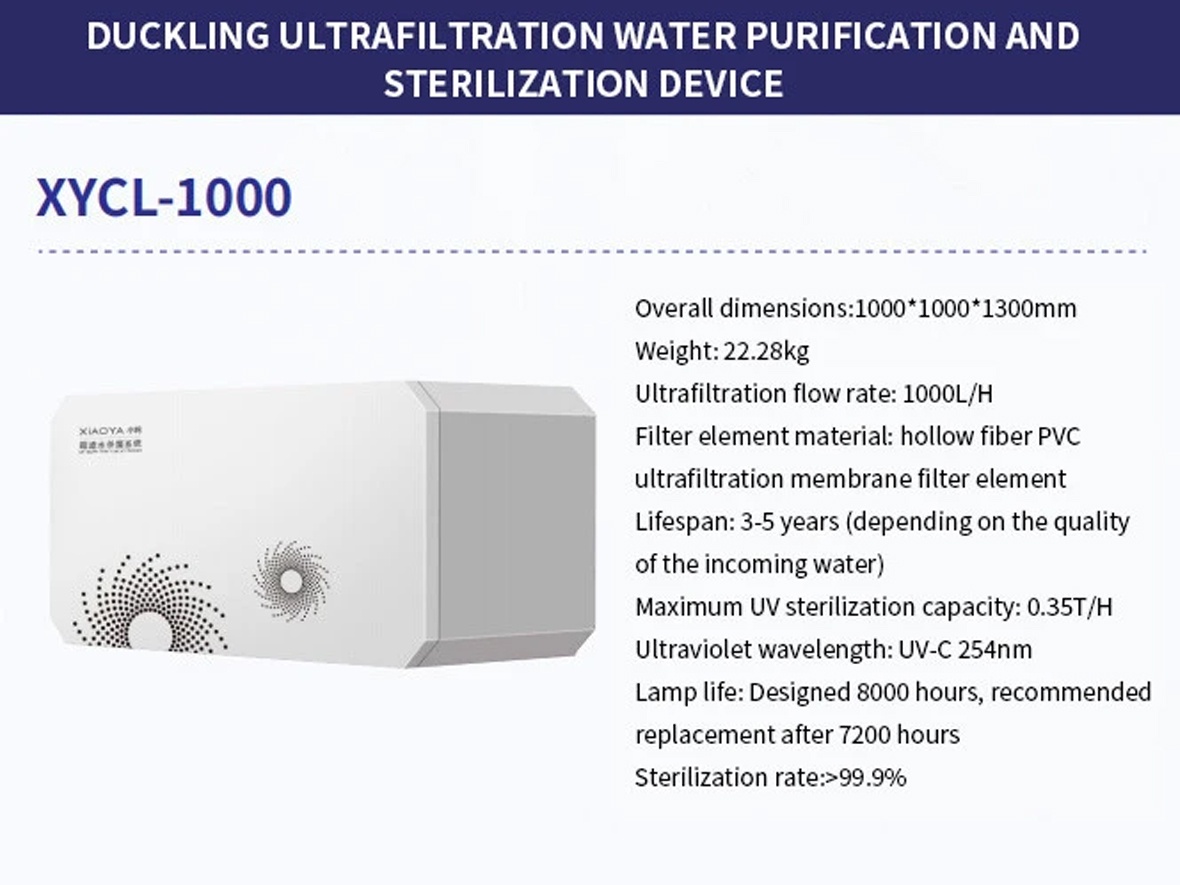
In more advanced systems, pretreatment can make a major difference. When source water is inconsistent, pretreatment reduction and membrane-based stages help create a more stable feed condition.
That is one reason integrated platforms such as Water Treatment Equipment are often considered in broader disinfection workflows.
With options including reverse osmosis, ultrafiltration, nanofiltration, softening, and PLC intelligent control, they support steadier water conditions before dosing even begins.
Typical application settings and their priorities
The same disinfection target does not exist everywhere. Operating priorities shift by scene, process, and hygiene risk.
How to judge whether a system is truly under control
Good hclo water treatment should be measurable, predictable, and easy to verify after routine disturbances.
Three signs usually show healthy control:
- Test data stays close over time, not just after adjustment.
- The system recovers quickly after source water or load changes.
- Maintenance intervals are planned, not driven by frequent failures.
Where broader water treatment is involved, equipment with ISO9001, ISO14001, and ISO45001 management alignment can also support more standardized operation and service follow-up.
In projects facing variable raw water, customized treatment design, automatic operation, and remote commissioning support reduce the gap between design intent and field performance.
A practical next step for more stable disinfection
If disinfection performance feels inconsistent, start by mapping the full chain rather than changing one setting at random.
Review water quality, pretreatment, dosing logic, hydraulic path, sensor condition, and cleaning records together.
That approach usually reveals whether the issue sits in chemistry, automation, or upstream water control.
For operations that need stronger consistency, comparing current practice with a more integrated Water Treatment Equipment strategy can be a sensible next evaluation step.
Stable hclo water treatment is rarely about one perfect number. It is about keeping the whole system in balance, day after day.
NEWS
 Disinfection Empowers Orthodontic Safety: Hypochlorous Acid Generators Build a Sterile Defense Line for Dental Instruments
- Accumulating Strength and Reaching New Heights: A Record of the Production Breakthrough of Xiaoya Small Home Appliances' Hypochlorous Acid Generators
 Batch vs. Continuous HOCl Generators for Multi-Shift Facilities
 How Do HOCl Generators Turn Salt and Water into Cleaning Solutions?
 Medical HOCl Generator Procurement: Service, Training, and Traceability
Leave us a message

Xiaoya Group was founded in 1979,expert in the electrolyzed water industry.
Get in Touch
*We respect your confidentiality and all information are protected.