news
The Science Behind Temperature and Disinfection Efficiency
Temperature directly influences chemical reaction kinetics in disinfection processes. For every 10°C increase within the 5°C–40°C operational range, reaction rates of common disinfectants like sodium hypochlorite typically double. This Arrhenius equation principle means lower temperatures require longer contact times – at 10°C, pathogen elimination may take 4–6 times longer than at 30°C for equivalent efficacy.
Automated disinfection systems must compensate for these variations through:
- Dynamic dosage adjustment (typically ±15% concentration variance)
- Extended contact time protocols (30–90 second extensions per 5°C drop)
- Nozzle optimization for viscosity changes (20–30% flow rate adjustments)
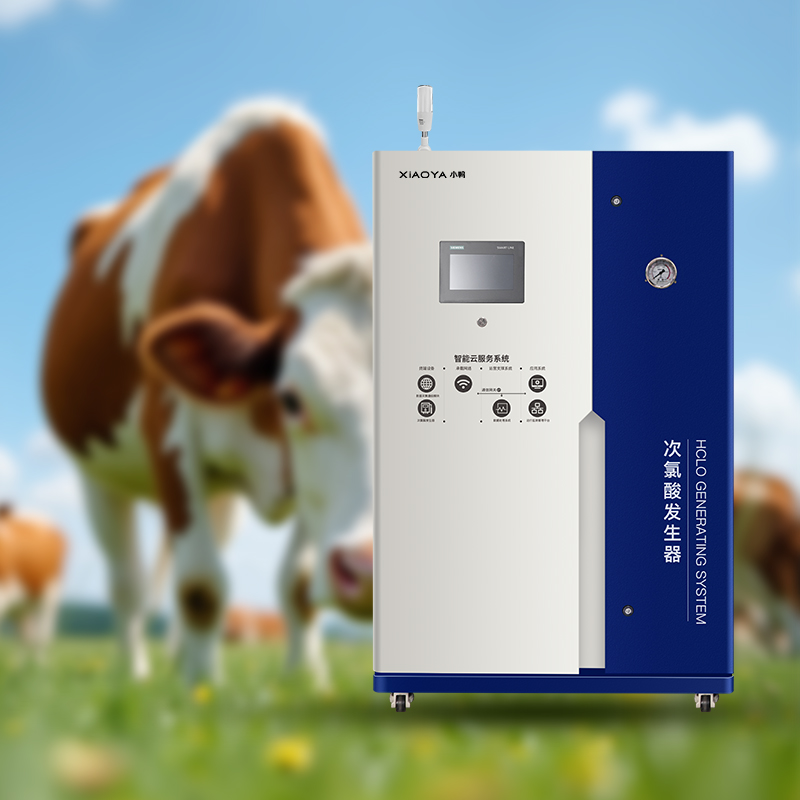
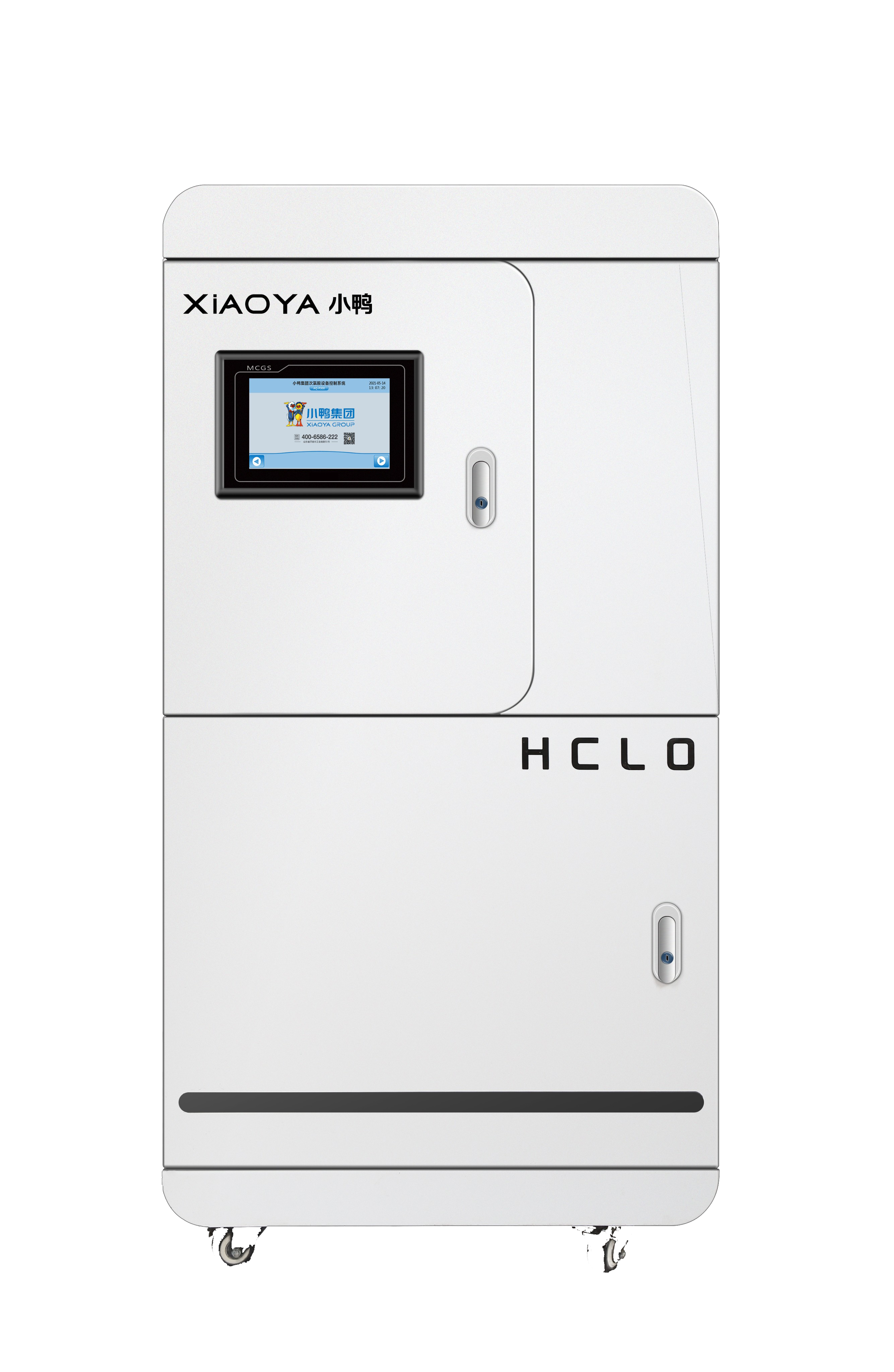
Modern electrolytic disinfection devices like the Sodium Hypochlorite Electrolyzer address these challenges through membrane-free electrolysis of low-concentration sodium chloride solutions, generating consistent disinfectant concentrations regardless of ambient temperature fluctuations.
Equipment Performance Considerations
Automated disinfection systems face three temperature-related performance thresholds that technical evaluators should monitor:
1. Material Stress Points
Polymer components (seals, tubing) typically have operational limits between -20°C to 60°C. Below 0°C, 80% of standard elastomers lose 30–50% flexibility, increasing leak risks. Stainless steel electrolytic cells maintain stability across -30°C to 80°C ranges.
2. Sensor Calibration Drift
ORP sensors experience ±5mV/°C deviation outside 15°C–30°C. Advanced systems implement temperature compensation algorithms reducing this to ±1mV/°C across 0°C–50°C.
3. Pump Efficiency Loss
Diaphragm pumps lose 2–3% flow rate per °C below 10°C due to fluid viscosity changes. Systems with variable frequency drives (VFDs) can compensate by increasing motor speed 1.5% per °C drop.
Pathogen-Specific Temperature Thresholds
Different livestock pathogens exhibit varying temperature-dependent inactivation rates. Technical evaluators should cross-reference these CT values (Concentration × Time) when programming automated systems:
- Porcine Epidemic Diarrhea Virus (PEDV): Requires 50ppm chlorine at 25°C for 2 minutes, but 75ppm at 10°C
- Avian Influenza: 99% reduction at 20°C needs 30 seconds with 200ppm chlorine, versus 90 seconds at 5°C
- Salmonella spp.: 5-log reduction requires 25% longer exposure per 5°C below 20°C
Electrolytic sodium hypochlorite generators demonstrate particular advantages here, as their push-type hydrogen removal technology maintains consistent disinfectant production even during rapid temperature swings common in animal housing.
System Selection Criteria for Temperature Variability
When evaluating disinfection automation for temperature-fluctuating environments, prioritize these technical specifications:
1. Temperature Compensation Range
Look for systems compensating across at least -5°C to 45°C ambient ranges, with sensor accuracy of ±0.5°C. The Sodium Hypochlorite Electrolyzer achieves this through its compact composite electrode surface design, maintaining stable output across 0°C–50°C.
2. Response Time to Temperature Shifts
Top-tier systems adjust dosage within 15 seconds of detected temperature changes. Verify the control loop refresh rate (minimum 4Hz recommended).
3. Solution Temperature Management
Systems with in-line heaters maintaining 15°C–25°C solution temperature show 20–30% better pathogen kill rates than unheated systems in cold conditions.
Implementation Best Practices
To maximize temperature-optimized disinfection:
- Install temperature sensors at multiple heights (floor, animal level, ceiling)
- Program dosage curves for expected seasonal variations (winter/summer presets)
- Conduct quarterly efficacy validation at temperature extremes
- Select systems requiring no additional chemical agents to avoid cold-weather crystallization
For technical evaluators specifying systems, these temperature considerations directly impact biosecurity ROI. Properly configured automated disinfection can reduce disease outbreaks by 40–60% in temperature-variable barn environments.
Contact our engineering team for customized temperature-compensation profiles matching your specific livestock housing parameters and regional climate conditions.
NEWS
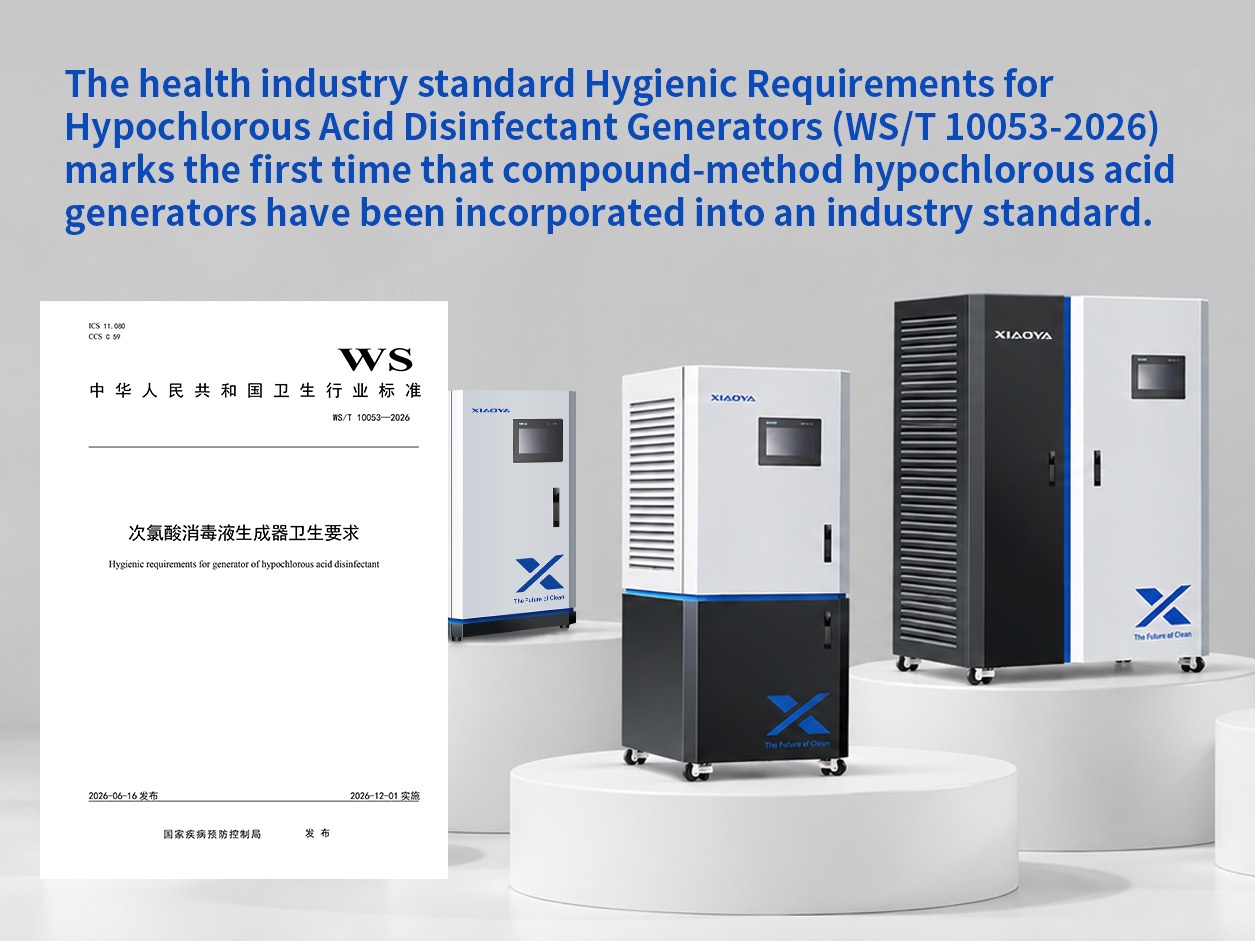
 WS/T 10053-2026 Includes the Compound Method for the First Time: Standard Signals and Market Opportunities for Mass Agricultural Production of Hypochlorous Acid Generators
 Evaluating HClO Generator Lifecycle Costs Beyond the Initial Equipment Price
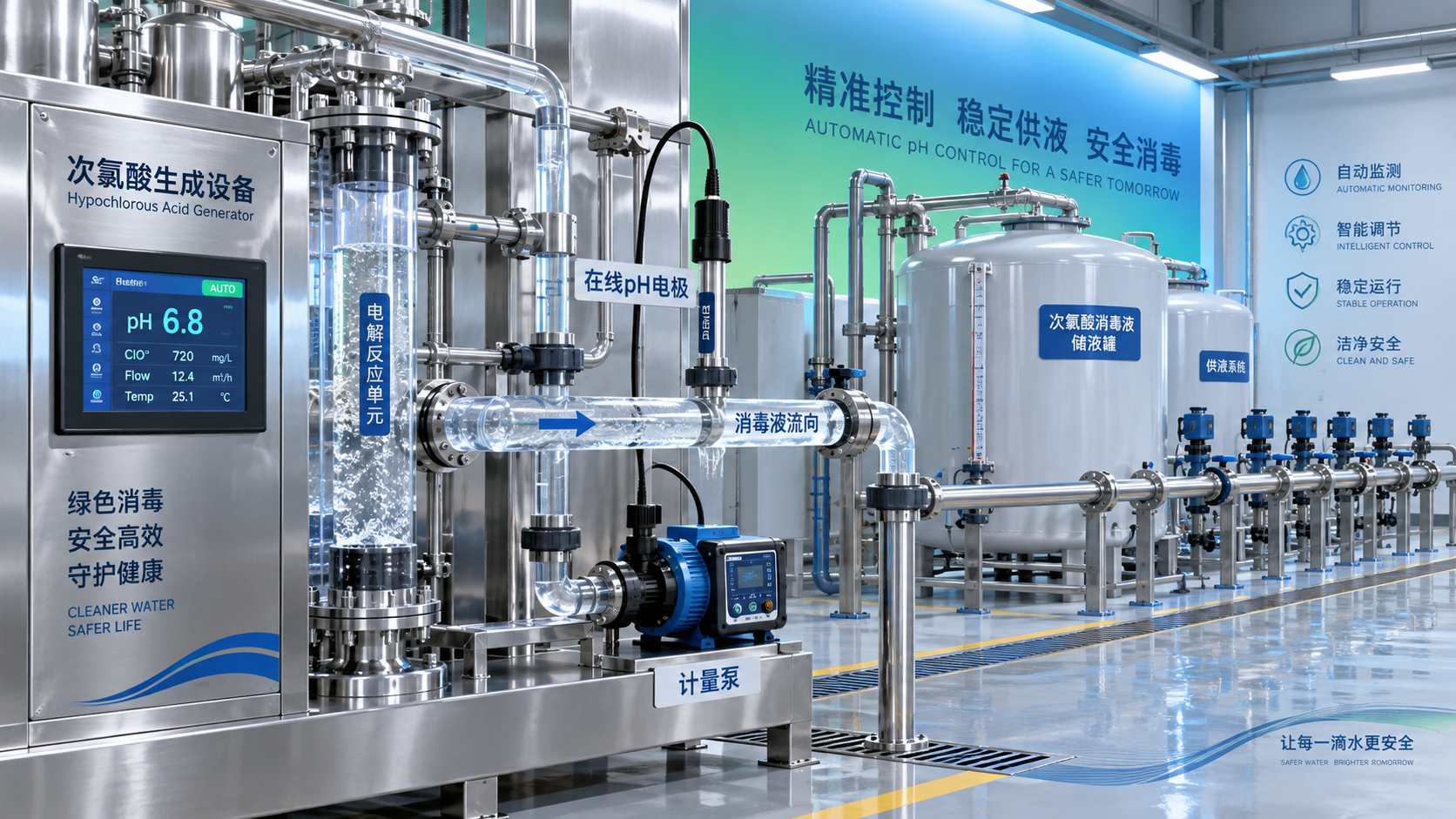
 HClO Generator pH Control: Why It Determines Disinfection Performance
- Which Safety Features Matter Most When Buying an HClO Generator?
 Troubleshooting Low ORP Readings on a Hypochlorous Acid Machine
Leave us a message

Xiaoya Group was founded in 1979,expert in the electrolyzed water industry.
Get in Touch
*We respect your confidentiality and all information are protected.