news
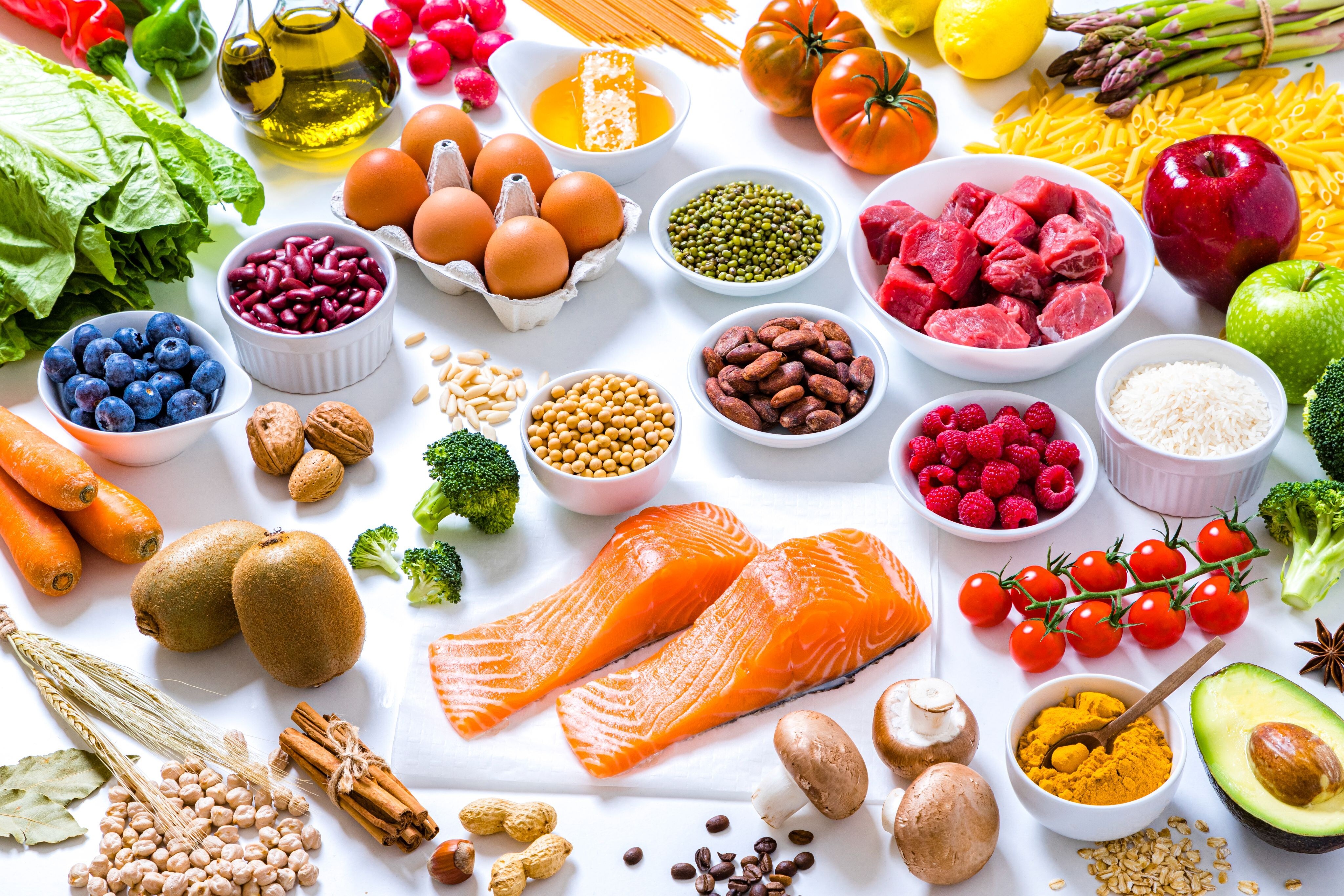
Ethylene Control vs. Temperature: What Matters More for Fruit Preservation?
When it comes to fruit preservation, the debate between ethylene control and temperature regulation remains critical for procurement professionals. Understanding which factor impacts shelf life more significantly can optimize your purchasing decisions and reduce waste. This article explores the science behind both methods, helping you make informed choices for your commercial refrigeration and food storage needs.
The Science of Fruit Preservation
Fruit preservation relies on two key factors: ethylene control and temperature regulation. Ethylene is a natural plant hormone that accelerates ripening and decay, while temperature affects the metabolic rate of fruits. Both play crucial roles, but their impact varies depending on the fruit type and storage conditions.
Ethylene Control: The Hidden Factor in Fruit Shelf Life
Ethylene gas, produced naturally by fruits, can cause premature ripening and spoilage. Controlling ethylene levels is particularly crucial for climacteric fruits like apples, bananas, and tomatoes, which continue to ripen after harvest. Studies show that proper ethylene management can extend shelf life by 30-50% compared to uncontrolled environments.
Temperature Regulation: The Foundation of Fruit Preservation
Temperature affects all biochemical processes in fruits. Lower temperatures slow down respiration and microbial growth, but too cold can cause chilling injury. The optimal temperature varies by fruit type, generally ranging between 0-13°C (32-55°F). Proper temperature control alone can extend shelf life by 20-40%.
The Optimal Combination: Balancing Ethylene and Temperature
The most effective preservation strategy combines both ethylene control and precise temperature regulation. Research indicates that this dual approach can extend shelf life by 50-70% compared to using either method alone. For commercial operations, this translates to significant cost savings and reduced waste.
Factory Direct Advantage: Cost-Effective Solutions for Fruit Preservation
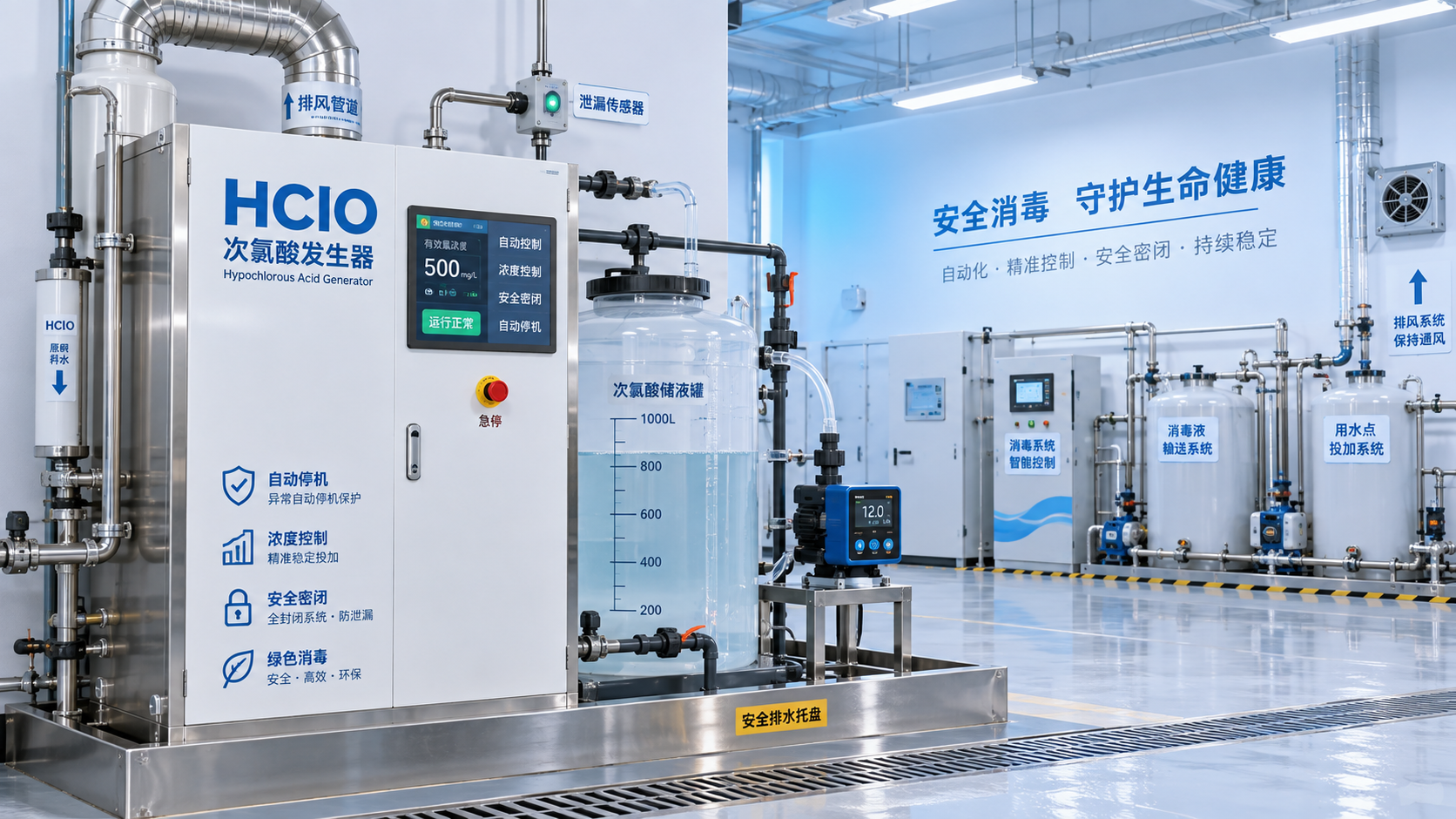
As a factory-direct manufacturer of Hypochlorous Acid Generator for Fruit Fresh-keeping, we offer significant advantages over middleman suppliers. Our direct-to-customer model eliminates distributor markups, providing savings of 30-50% on comparable equipment.
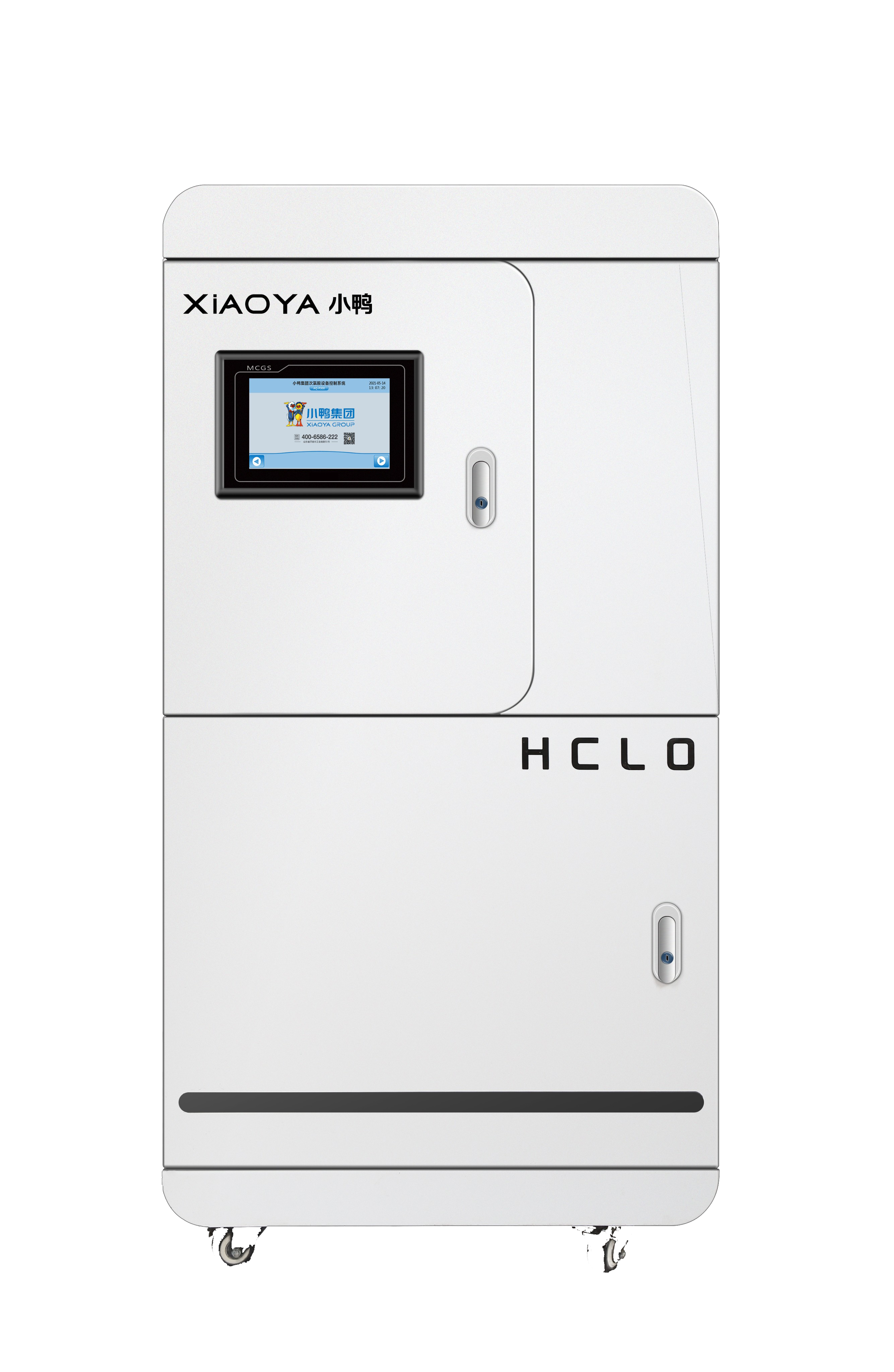
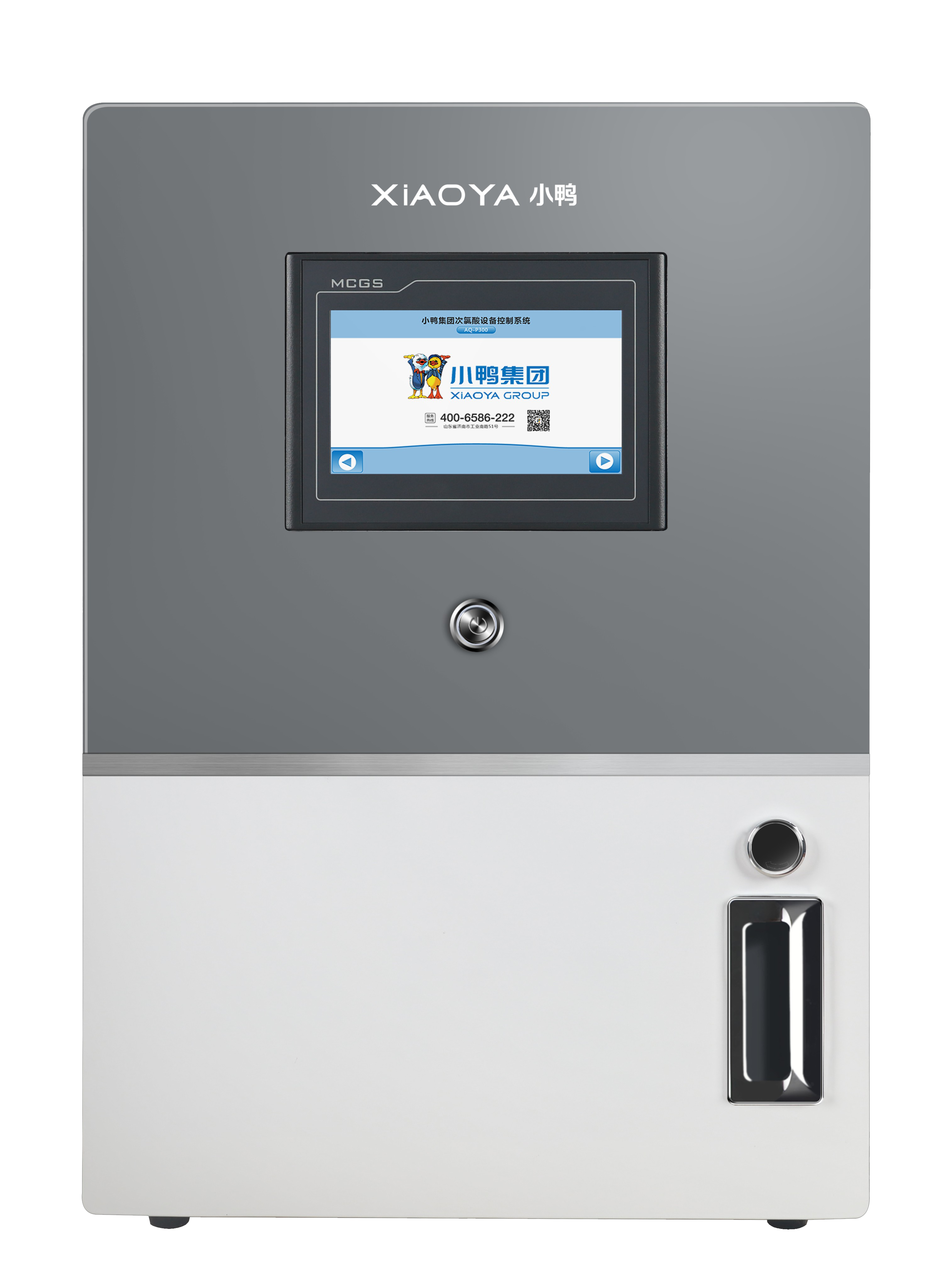
The AQ-P300-A model features advanced electrolysis technology that generates food-grade hypochlorous acid water, effectively controlling ethylene production while maintaining optimal storage conditions. With a service life of 3000+ hours for main components, our industrial-grade equipment offers superior durability compared to standard commercial units.
FAQs: Answering Your Top Fruit Preservation Questions
Q: Which is more important for fruit preservation - ethylene control or temperature regulation?
A: Both are crucial, but their importance varies by fruit type. For climacteric fruits (like bananas and apples), ethylene control is more critical. For non-climacteric fruits (like citrus and grapes), temperature regulation is more important. The optimal solution combines both methods.
Q: How does hypochlorous acid technology help with fruit preservation?
A: Our Hypochlorous Acid Generator creates a slightly acidic solution that kills surface microorganisms, inhibits ethylene production, and slows respiration - addressing all three major causes of fruit spoilage simultaneously.
Q: What's the ROI for investing in professional fruit preservation equipment?
A: Most commercial operations see a full return on investment within 6-12 months through reduced spoilage (typically 30-70% less waste), extended shelf life (allowing better pricing), and lower replacement costs. Our factory-direct pricing accelerates this ROI.
Optimize Your Fruit Preservation Strategy Today
Understanding the balance between ethylene control and temperature regulation can transform your fruit preservation results. With our factory-direct pricing and industrial-grade equipment, you can implement professional-grade solutions at commercial-viable costs.
Contact our preservation specialists today to discuss how our hypochlorous acid technology can be customized for your specific fruit types and operational needs. Let us help you extend shelf life, reduce waste, and improve your bottom line.
Ready to upgrade your fruit preservation system?
Our team is standing by to provide:
- Free technical consultation for your specific needs
- Customized system design and configuration
- Factory-direct pricing with no middleman markup
- Comprehensive after-sales support and training
Reach out now to request a quote or schedule a product demonstration.
NEWS
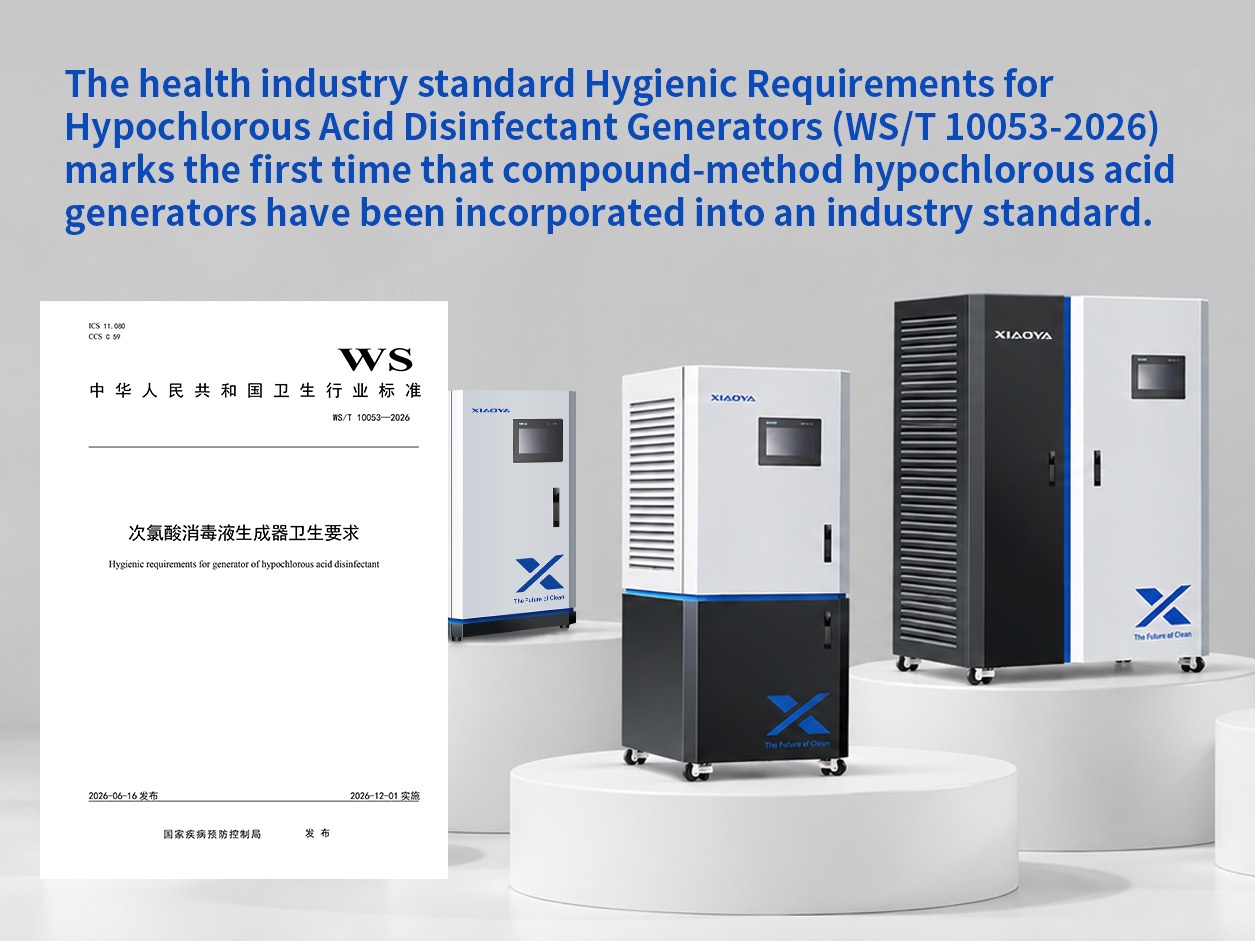
 WS/T 10053-2026 Includes the Compound Method for the First Time: Standard Signals and Market Opportunities for Mass Agricultural Production of Hypochlorous Acid Generators
 Evaluating HClO Generator Lifecycle Costs Beyond the Initial Equipment Price
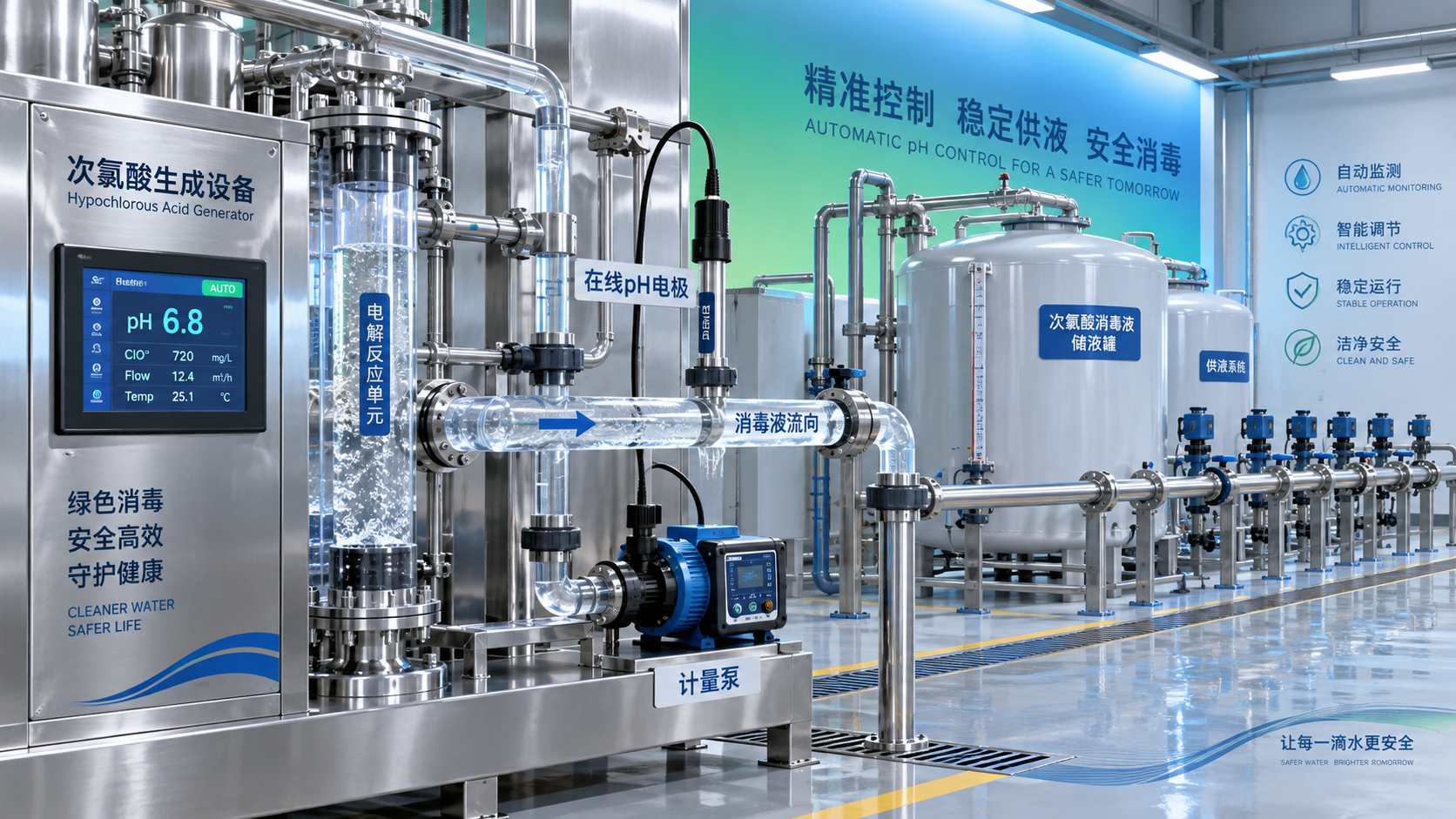
 HClO Generator pH Control: Why It Determines Disinfection Performance
- Which Safety Features Matter Most When Buying an HClO Generator?
 Troubleshooting Low ORP Readings on a Hypochlorous Acid Machine
Leave us a message

Xiaoya Group was founded in 1979,expert in the electrolyzed water industry.
Get in Touch
*We respect your confidentiality and all information are protected.