news
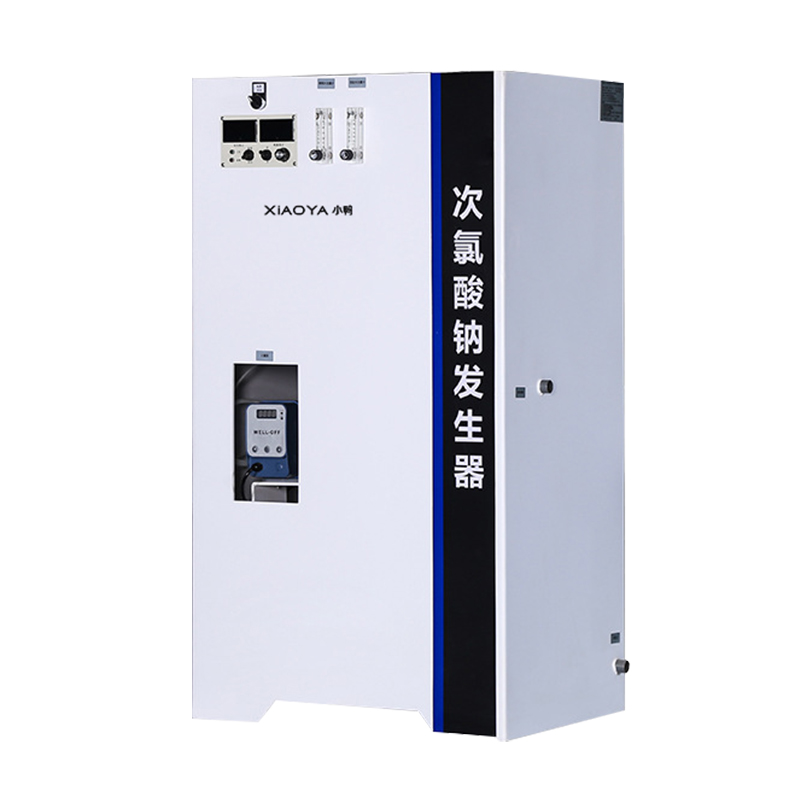
How much maintenance does an electrolytic water treatment system really require?
For most after-sales teams, the honest answer is: less than many chemical dosing systems, but more than the sales brochure sometimes implies. An electrolytic water treatment system is not usually labor-intensive day to day, yet it does need disciplined routine checks. If those checks are skipped, the problems tend to show up in a familiar order—unstable concentration, scaling inside the cell, alarms caused by water pressure or flow fluctuation, and eventually shortened electrolyzer life.
That matters in automated equipment environments, especially where water quality directly affects appliance hygiene, disinfection consistency, or downstream process stability. Companies working across kitchen and bathroom appliances, health care and disinfection appliances, clean energy, and small household appliances often deal with the same maintenance reality: the system itself may be compact, but it sits inside a broader production and service chain where one weak point can trigger avoidable downtime.
The real workload is mostly preventive, not repair-driven
In field service, the maintenance burden depends less on the electrolysis principle and more on three practical variables: feed water condition, operating hours, and whether users actually run the machine within its design window. A unit supplied with relatively stable inlet pressure and clean water can go for long periods with only inspection, cleaning, and consumable management. A unit exposed to hard water, sediment, irregular shutdowns, or incorrect electrolyte concentration will demand attention much more often.
So when someone asks how much upkeep is “normal,” it helps to separate daily operator care from technician-level service. Daily care is usually simple: visual inspection, checking for leaks, confirming output quality indicators, and making sure the tank, tubing, and drain paths are not being neglected. Technician service is where the bigger work sits—descaling, electrode condition checks, sensor verification, pump and valve inspection, and diagnosing why output drift is happening.
What usually needs attention
If you service these systems regularly, you already know that the electrolyzer is only one part of the story. The maintenance list usually includes:
- Inlet water filter or pre-treatment condition
- Scale buildup inside the electrolysis chamber
- Electrode wear over cumulative operating hours
- Electrolyte tank cleanliness and proper dosing
- Flow, pressure, and conductivity-related alarms
- Pump, tubing, seals, and fittings
- Output concentration and pH consistency, where applicable
Notice what is not on that list: constant part replacement. In a well-managed installation, the system should not be eating through components every few weeks. Frequent interventions usually point to a mismatch between installation conditions and operating requirements rather than to “high-maintenance technology.”
Water quality is what quietly decides your service schedule
This is where many service plans go wrong. Teams may focus on the control board or the electrolysis module while underestimating water hardness, suspended solids, or inconsistent inlet pressure. In real use, poor water quality is often the reason an electrolytic water treatment system starts needing more frequent cleaning than expected.
Scaling is especially common where calcium and magnesium levels are high. It does not always cause an immediate stop, which is why operators ignore it at first. Instead, performance gradually becomes less stable: current efficiency changes, output concentration drifts, and the unit runs longer to achieve the same result. By the time alarms appear, the cell may already be under unnecessary stress.
If your site conditions are variable, it is usually worth checking whether the pretreatment setup is adequate before blaming the generator itself. In some projects, a simple improvement upstream reduces service calls more than any change to the main unit.
How often should technicians actually service it?
There is no responsible one-size-fits-all interval, but a practical approach is to treat maintenance in layers. Routine inspection may be weekly or biweekly in heavier-use environments. A more thorough preventive check is often planned monthly or quarterly depending on run time, water source, and the consequences of output deviation. Electrolyzer replacement, of course, is a longer-cycle item and should be judged against actual operating hours and performance trend, not only calendar time.
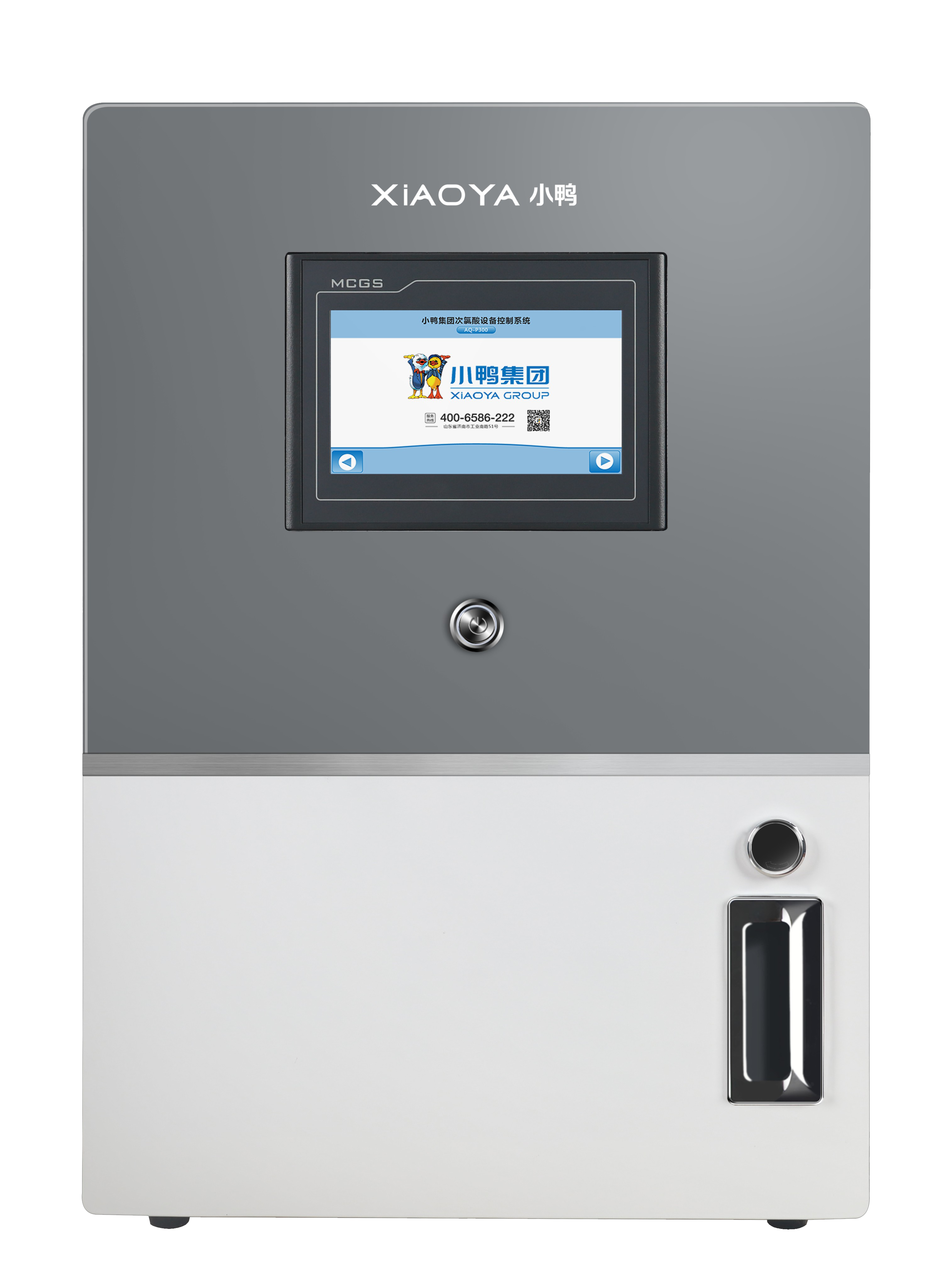
For example, some compact hypochlorous acid generation systems specify electrolyzer service life in hours rather than years, which is the right way to think about it. A floriculture-focused unit such as Hypochlorous Acid Generator for Floriculture (P300-W) lists an electrolyzer service life of at least 5000 hours, with operating parameters such as 0.15–0.25 MPa inlet water pressure, 120–300 L/h output, and adjustable available chlorine concentration from 10 to 200 ppm. Those numbers do not just describe performance; they also tell a maintenance technician what conditions must stay under control if the unit is expected to age normally.
That same logic applies in appliance-related automation. If the system is repeatedly run outside its pressure window, with poor electrolyte discipline, or with unstable feed water, service intervals tighten whether anyone planned for that or not.
The maintenance tasks that save the most trouble
Not every task has equal value. In practice, a few habits prevent a disproportionate share of failures.
- Track output drift, not just on/off status. A machine can be running and still be underperforming.
- Clean scale before it becomes a fault condition. Light, scheduled descaling is easier than recovering a neglected cell.
- Verify pressure and flow at the inlet during service visits. Many “system faults” are really supply-side problems.
- Inspect tubing, joints, and tanks for small leaks or crystallization around fittings.
- Confirm that operators are using the correct electrolyte concentration and replenishment method.
A common mistake is to focus only on electrical checks because the equipment looks sophisticated. But in many field situations, the failure mode is mechanical or chemical: blockage, fouling, air ingress, or poor liquid management.
Where low-maintenance claims are true—and where they are not
Electrolytic systems do have a real maintenance advantage in one sense: they can simplify disinfection workflows by producing treatment solution on demand and reducing dependence on storing multiple chemicals. In applications that value residue control, process cleanliness, and compact automation, that is a meaningful operational benefit.
But “low maintenance” should never be interpreted as “ignore it until it alarms.” Even systems designed for simple upkeep, including models built for humid and continuous-use environments, still rely on consistent inspection. The AQ-P300-W, for instance, is positioned as a stable and relatively easy-to-maintain generator for greenhouse and post-harvest flower treatment, with adjustable concentration and a 5 L electrolyte tank. Those features reduce handling complexity, but they do not remove the need for routine care. No electrolytic water treatment system is maintenance-free once it enters real working conditions.
What after-sales teams should watch before failure happens
The best service teams do not wait for complete output loss. They watch for the quieter signs: concentration no longer matching setpoint, pH instability where applicable, longer response time after startup, frequent topping up caused by unnoticed leakage, or repeat alarms that operators clear without recording the cause. Those are the points where a short visit can prevent a much bigger intervention later.
If you are managing multiple installed units, it also helps to classify them by water source and usage intensity rather than by model alone. Two identical machines can have very different maintenance needs if one is fed with well-conditioned water and the other is installed in a site with fluctuating pressure and scaling issues.
So, how much maintenance does an electrolytic water treatment system really require? Usually, not excessive maintenance—but it does require regular, informed maintenance. If the basics are respected, service work stays predictable. If inlet conditions, cleaning intervals, and operating limits are treated casually, even a well-designed system will start consuming technician time faster than expected.
NEWS
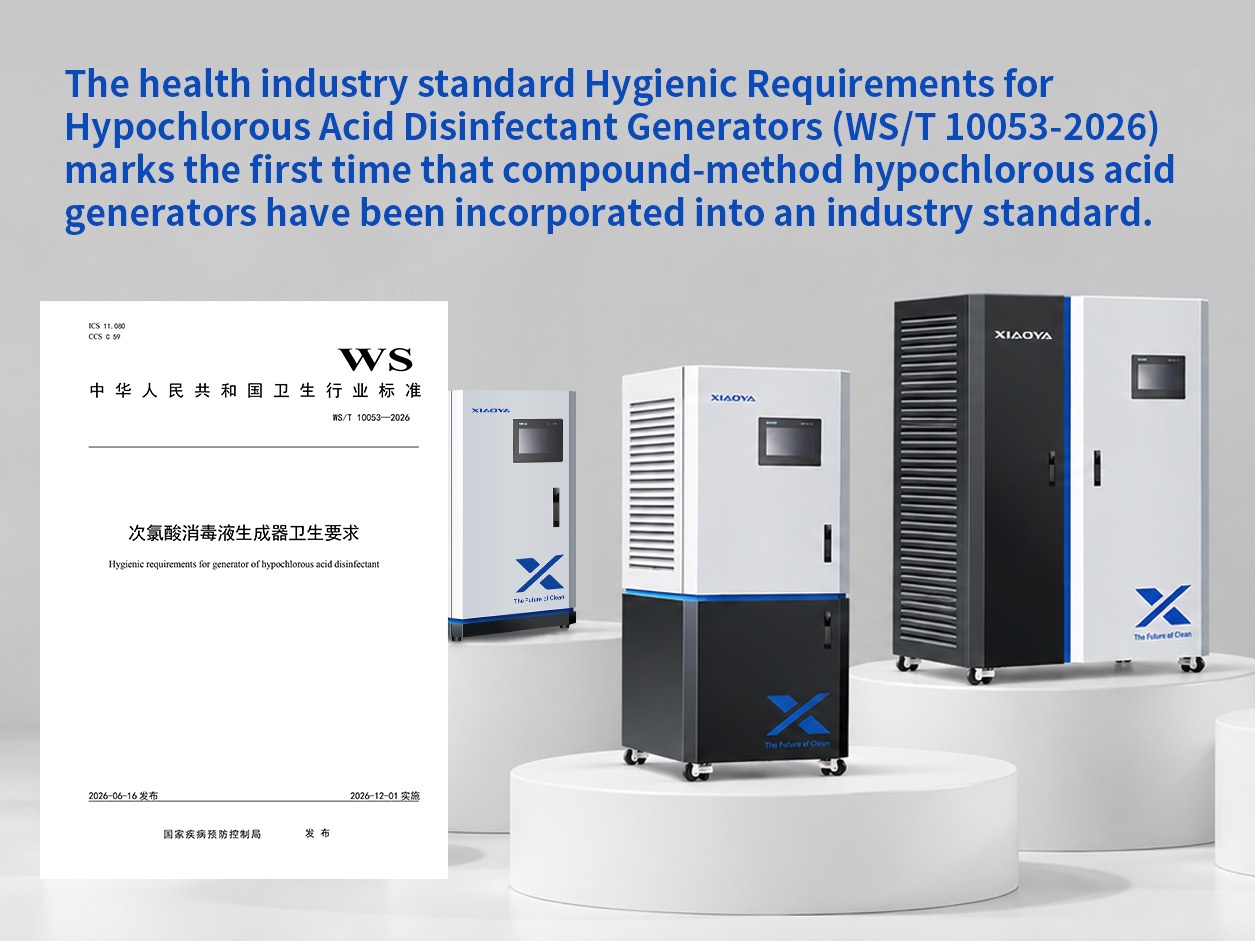
 WS/T 10053-2026 Includes the Compound Method for the First Time: Standard Signals and Market Opportunities for Mass Agricultural Production of Hypochlorous Acid Generators
 Evaluating HClO Generator Lifecycle Costs Beyond the Initial Equipment Price
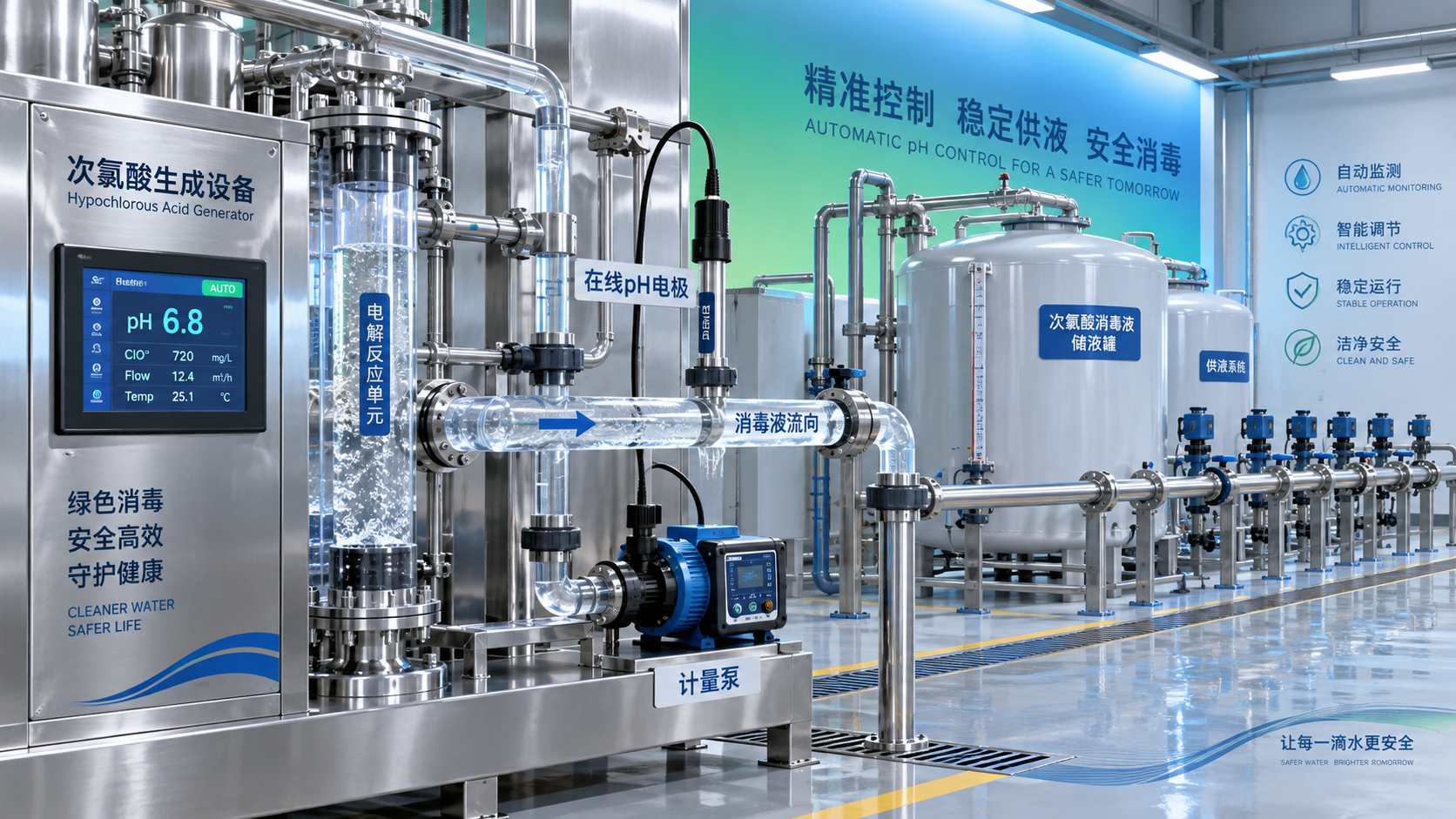
 HClO Generator pH Control: Why It Determines Disinfection Performance
- Which Safety Features Matter Most When Buying an HClO Generator?
 Troubleshooting Low ORP Readings on a Hypochlorous Acid Machine
Leave us a message

Xiaoya Group was founded in 1979,expert in the electrolyzed water industry.
Get in Touch
*We respect your confidentiality and all information are protected.