news
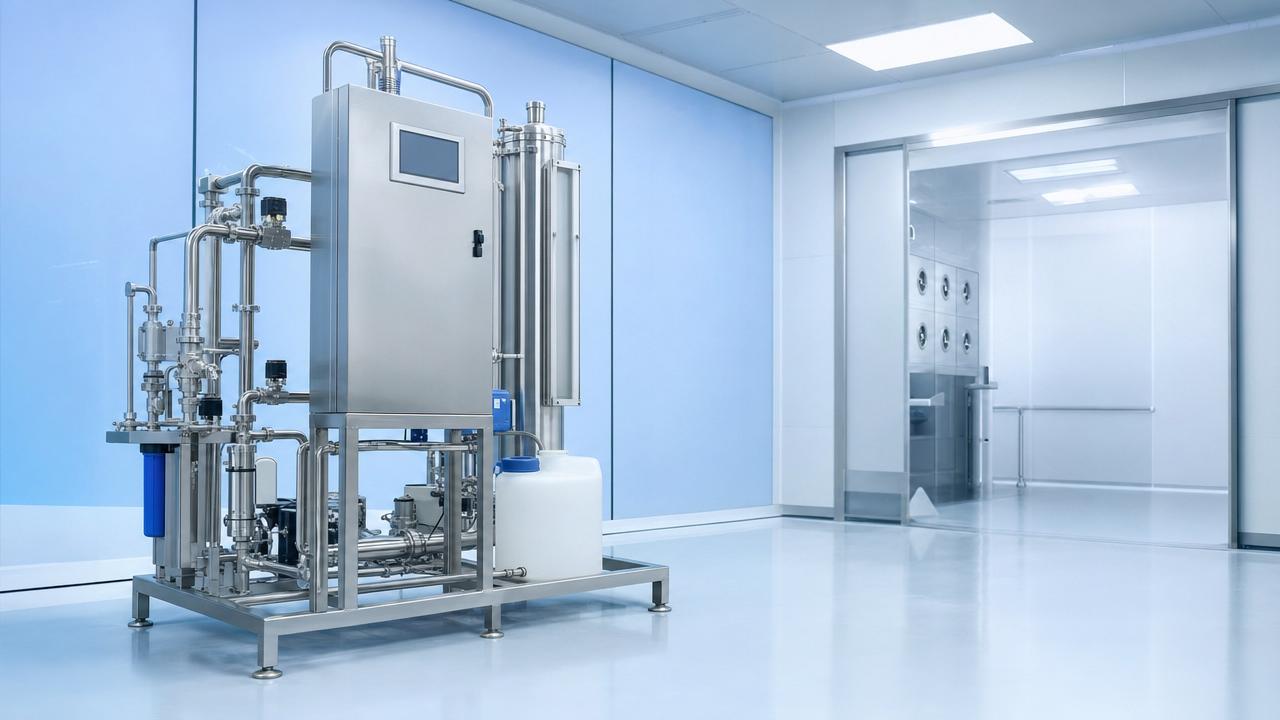
How to Choose a Hypochlorous Acid Generator for Healthcare and Cleanroom Use
Choosing the right hypochlorous acid generator for healthcare and cleanroom use requires more than comparing output specifications.
System reliability, disinfection performance, compliance readiness, and automation fit all affect project results.
In controlled environments, a poor equipment decision can create downtime, rework, and validation issues.
A well-chosen hypochlorous acid generator supports safe, efficient, and scalable disinfection across critical workflows.
This guide explains what to check before selecting a system for healthcare facilities and cleanroom operations.
Start with the Real Operating Environment
Not every hypochlorous acid generator is designed for the same risk level or usage pattern.
Healthcare disinfection often involves patient-contact zones, instrument surfaces, and high-touch circulation areas.
Cleanroom use adds tighter demands for process control, chemical consistency, and contamination prevention.
That means selection should begin with site conditions, not just brochure claims.
- Map daily consumption by zone, shift, and cleaning cycle.
- Define target concentration ranges for each application.
- Check water quality, pressure stability, and utility connections.
- Confirm whether output is needed on demand or in batch storage.
Focus on Disinfection Performance, Not Just Output
A hypochlorous acid generator may look strong on paper while performing unevenly in practice.
For healthcare and cleanroom use, the core issue is stable efficacy over time.
Pay close attention to available chlorine concentration, pH range, and consistency across long operating hours.
Slight shifts in these values can reduce disinfection performance or complicate validation records.
In actual projects, stable output usually matters more than maximum output.
- Ask for concentration stability data across different production loads.
- Request efficacy reports for bacteria, fungi, and common environmental pathogens.
- Review how quickly the system reaches usable concentration after startup.
- Verify whether the generator supports stepless adjustment for different sanitation tasks.
Check Compliance Readiness Early
A hypochlorous acid generator can create hidden project risk if documentation is weak.
Healthcare and cleanroom projects often require clear records for qualification, audits, and internal approvals.
This is where supplier maturity becomes very important.
An enterprise with integrated R&D, production, and operation can usually respond faster to project changes.
That matters when equipment must align with automated disinfection workflows or customized facility standards.
- Request equipment specifications, operation manuals, and maintenance guidance.
- Confirm available support for IQ, OQ, or internal validation preparation.
- Check material compatibility for healthcare and cleanroom environments.
- Review traceability for core parts, especially the electrolyzer.
Evaluate Automation and Operational Fit
For modern facilities, the right hypochlorous acid generator should fit daily operations with minimal friction.
The best unit is not always the most complex one.
It is the one that matches staffing, maintenance capacity, and control requirements.
Look for practical features such as adjustable concentration, simple cleaning, and stable performance in humid conditions.
These details make a big difference after commissioning.
For example, Hypochlorous Acid Generator for Floriculture (P300-W) is built for on-demand production and adjustable concentration.
Its output range is 120 to 300 L/h, with 10 to 200 ppm stepless adjustment and pH 5.0 to 6.5.
Although designed for another application field, those features reflect what many industrial buyers also value in automated sanitation equipment.
- Confirm whether the system supports demand-based production.
- Check maintenance intervals and electrolyzer service life.
- Review power, water pressure, and installation footprint.
- Assess operator workload during refilling, monitoring, and sanitation.
Compare Total Project Cost, Not Purchase Price Alone
A low upfront price can become expensive if the hypochlorous acid generator is hard to maintain or unstable.
Project teams should look at total ownership cost across installation, training, consumables, service, and downtime risk.
This is especially important in facilities where disinfection failure can interrupt production or delay room release.
Longer electrolyzer life, simpler maintenance, and reliable concentration control often reduce lifetime cost.
- Build a three-year cost model before final selection.
- Include spare parts, water treatment, and labor input.
- Estimate the cost of output instability or service delays.
- Score each supplier on service responsiveness, not just hardware price.
Questions That Make Supplier Evaluation Easier
A good supplier conversation should reveal more than technical numbers.
It should show whether the vendor understands project delivery, operating constraints, and future scale-up.
- How stable is the hypochlorous acid generator under continuous operation?
- What concentration and pH deviations are typical in daily use?
- What support is available for commissioning and staff training?
- Can the unit be customized for local voltage or site conditions?
- How fast can service parts be supplied if performance drops?
Make the Final Choice with a Site-Based Scorecard
The most reliable selection process is simple and evidence-based.
Create a scorecard that compares each hypochlorous acid generator against real project needs.
Include output stability, compliance support, automation fit, maintenance burden, and lifecycle cost.
Then validate short-listed systems with sample data, site conditions, and operating scenarios.
That approach reduces guesswork and improves decision confidence.
If a solution shows stable concentration control, practical maintenance, and solid technical support, it is far more likely to deliver long-term value in healthcare and cleanroom use.
NEWS
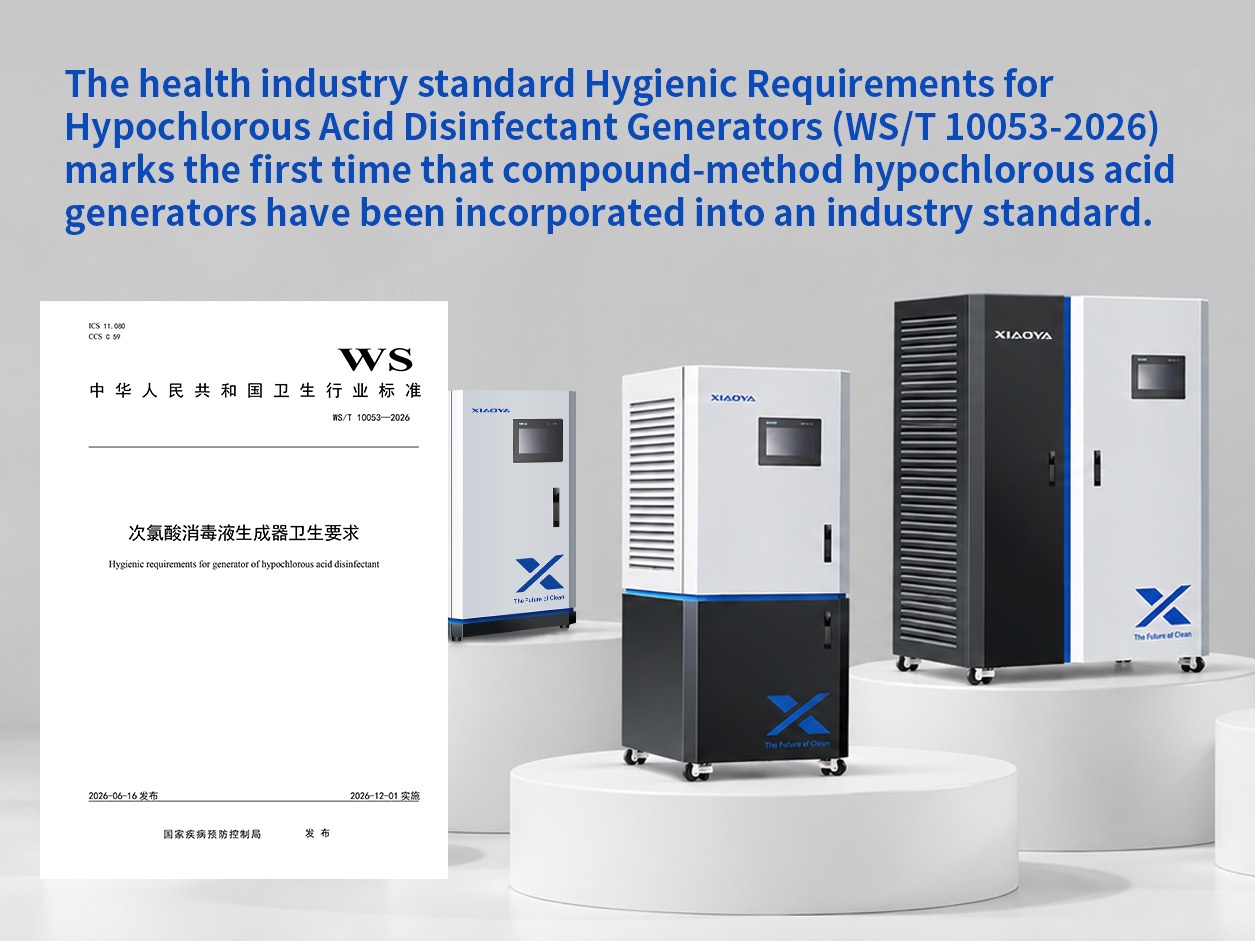
 WS/T 10053-2026 Includes the Compound Method for the First Time: Standard Signals and Market Opportunities for Mass Agricultural Production of Hypochlorous Acid Generators
 Evaluating HClO Generator Lifecycle Costs Beyond the Initial Equipment Price
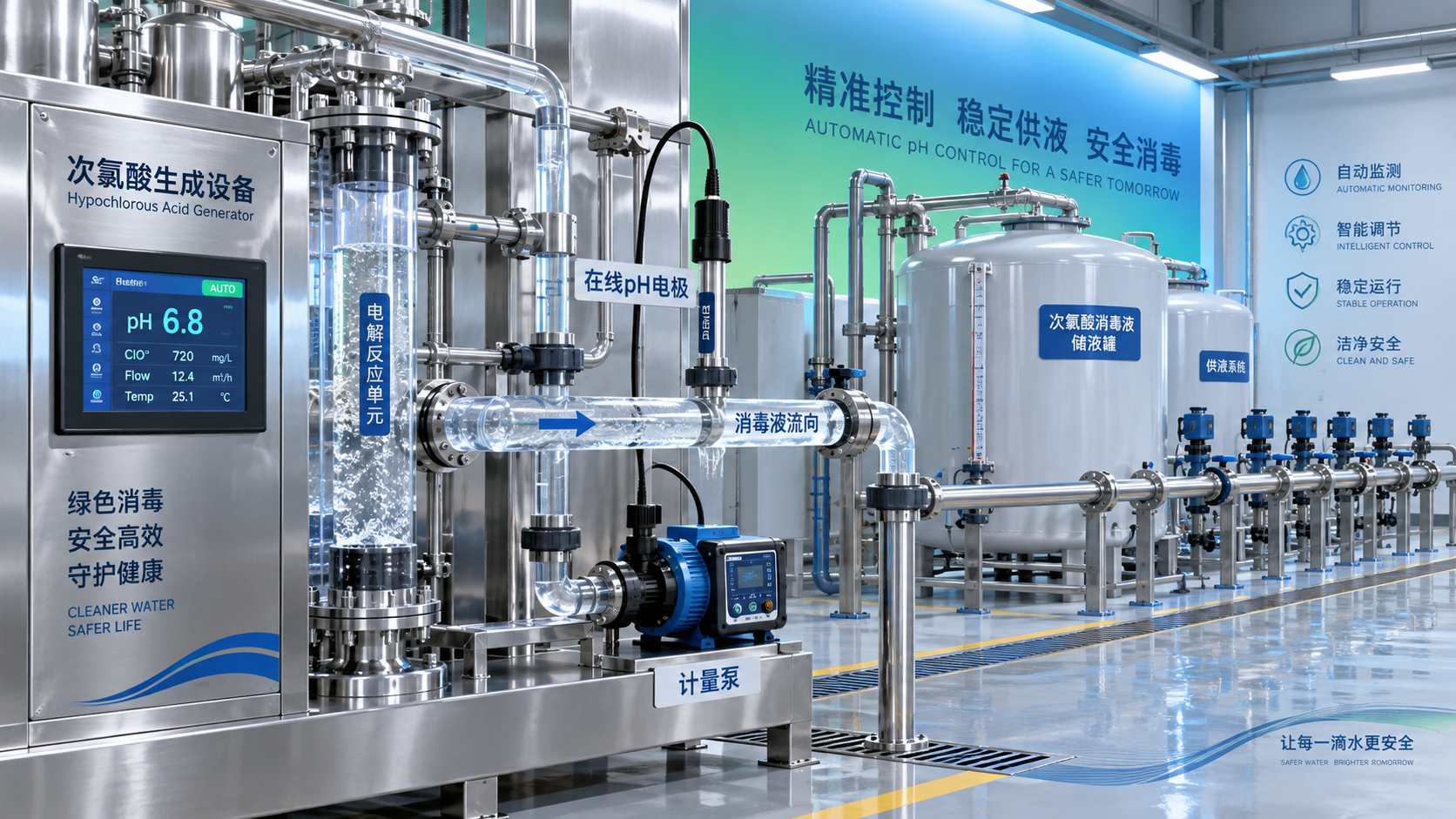
 HClO Generator pH Control: Why It Determines Disinfection Performance
- Which Safety Features Matter Most When Buying an HClO Generator?
 Troubleshooting Low ORP Readings on a Hypochlorous Acid Machine
Leave us a message

Xiaoya Group was founded in 1979,expert in the electrolyzed water industry.
Get in Touch
*We respect your confidentiality and all information are protected.