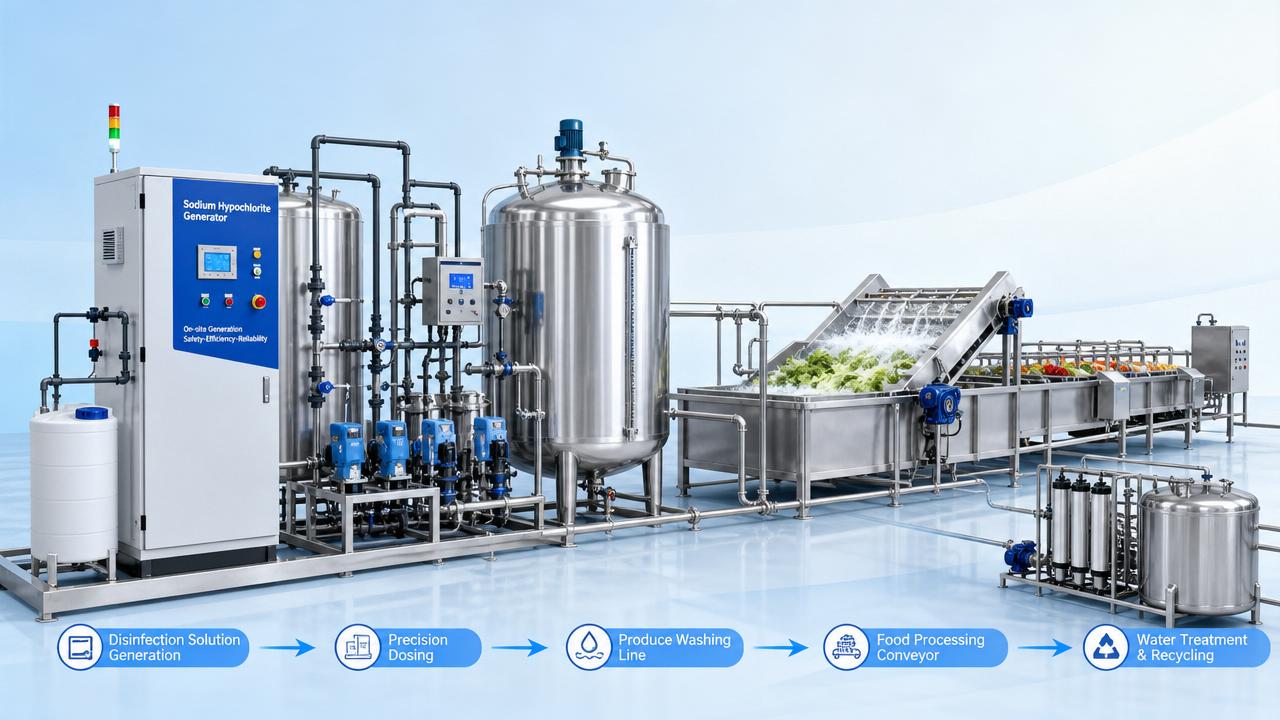
Hypochlorous Acid Generator Applications in Agriculture, Food Processing, and Water Treatment
From safer produce sanitation to stable water disinfection, the hypochlorous acid generator is moving from niche use to mainstream adoption.
That shift is not only about hygiene.
It is also about automation, compliance, operating cost, and easier integration into modern equipment lines.
In practical terms, a hypochlorous acid generator creates an on-site disinfecting solution with strong microbial control and a safer handling profile.
For companies evaluating automation equipment suppliers, that matters a lot.
A capable supplier should combine R&D strength, stable production, and cross-industry engineering experience to support reliable deployment.
Why the Hypochlorous Acid Generator Fits Modern Operations
Recent market changes make hygiene performance more visible in procurement reviews.
Buyers now look beyond chemical effectiveness alone.
They want systems that reduce transport risks, support on-demand production, and fit automated workflows.
This is where the hypochlorous acid generator stands out.
- Produces disinfectant on site, reducing storage and logistics pressure.
- Supports fast response in seasonal or peak sanitation periods.
- Integrates with automated dosing, rinsing, and circulation systems.
- Helps standardize sanitation quality across multiple process points.
For operations with strict uptime targets, consistency can be just as important as disinfection strength.
Agriculture: Cleaner Produce and Safer Farm Environments
Agriculture is one of the most practical application areas for the hypochlorous acid generator.
Fresh produce moves through washing, handling, packing, and transport with many contamination risks.
Using a hypochlorous acid generator on site helps farms and packhouses respond more quickly.
Typical agricultural uses
- Fruit and vegetable washing before grading and packaging.
- Surface sanitation for harvest tools, bins, belts, and worktables.
- Odor and microbial control in livestock-related environments.
- Irrigation or process water treatment in controlled conditions.
The main advantage is not simply replacing one sanitizer with another.
It is improving workflow flexibility.
When contamination pressure changes by crop, season, or climate, on-site generation gives operators more control.
That control can lower waste, protect shelf life, and support stronger traceability practices.
Food Processing: Hygiene Without Slowing the Line
In food processing, sanitation decisions affect both safety and throughput.
A hypochlorous acid generator can support washdown, equipment sanitation, and contact-surface treatment in a controlled way.
More importantly, it works well in facilities that already rely on automated cleaning routines.
Where it adds value
- Raw material washing lines for vegetables, seafood, and poultry.
- Conveyor, tank, and utensil sanitation during shift changes.
- Support for CIP-related cleaning stages in selected processes.
- Water reuse systems where microbial control is closely monitored.
The best outcomes usually come from system matching.
That means aligning concentration, contact time, flow rate, and material compatibility with the actual line design.
A supplier with appliance engineering experience often performs better here.
Knowledge from kitchen, bathroom, healthcare, clean energy, and household equipment can translate into smarter fluid control and safer user interaction.
Water Treatment: Stable Disinfection for Diverse Use Cases
Water treatment is another strong fit for the hypochlorous acid generator.
Whether the target is public hygiene, process water, or service water, consistency matters.
On-site generation helps reduce dependency on transported chemicals while improving dosing responsiveness.
Common treatment scenarios
- Municipal or facility water disinfection support.
- Cooling or circulation water microbial management.
- Public-use sanitation systems in high-contact environments.
- Pretreatment or auxiliary treatment within industrial setups.
This also supports risk management.
If water quality shifts, operators can adjust output faster than with fixed delivered-chemical models.
That is especially useful in facilities where seasonal demand or incoming water conditions vary noticeably.
What to Check When Evaluating a Solution
Not every hypochlorous acid generator delivers the same business value.
A smart review goes beyond headline claims.
In many cases, the right supplier is the one that understands both device engineering and end-use sanitation logic.
That combination makes deployment smoother and lifecycle costs easier to predict.
A Practical Product Example
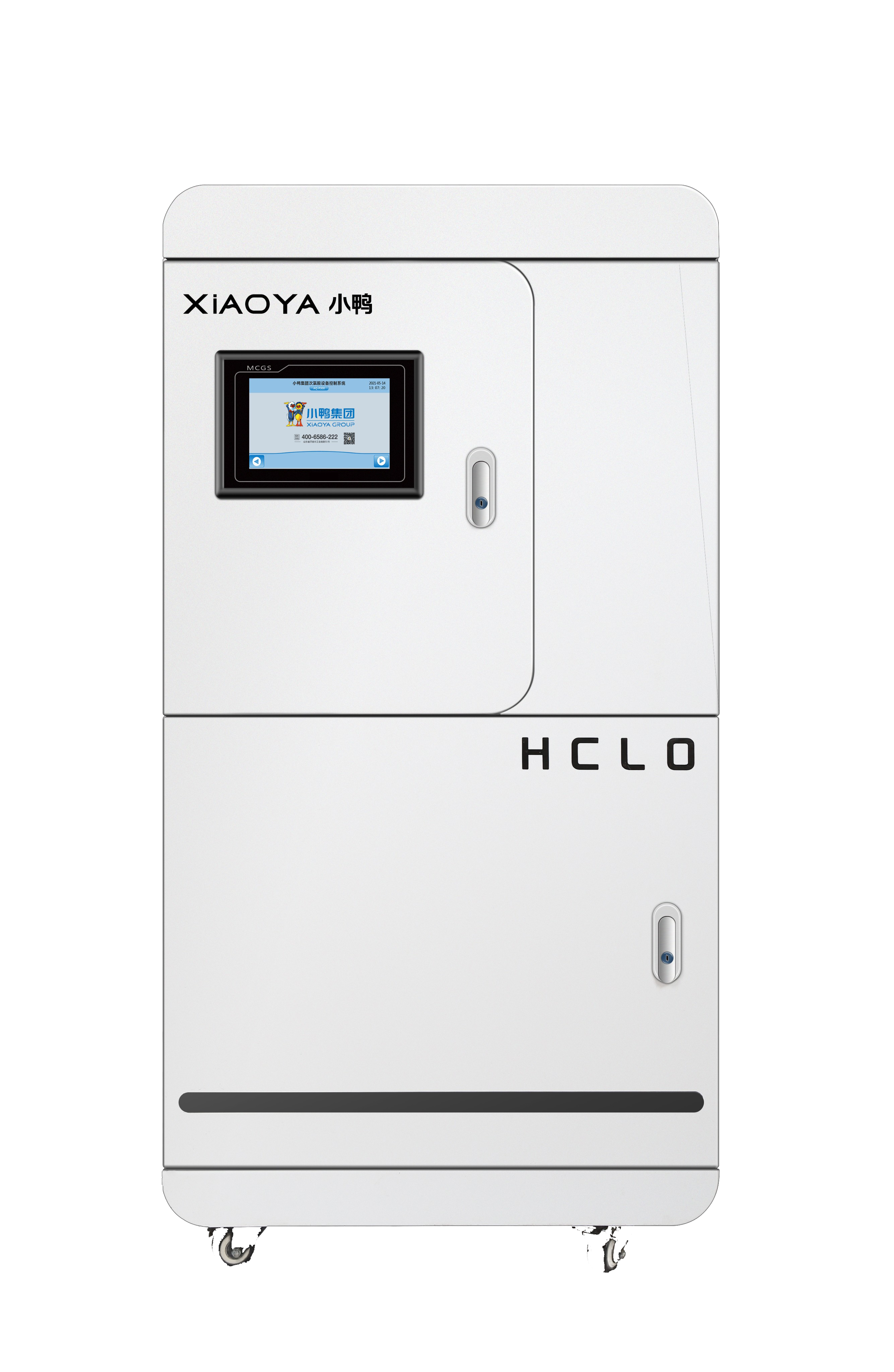
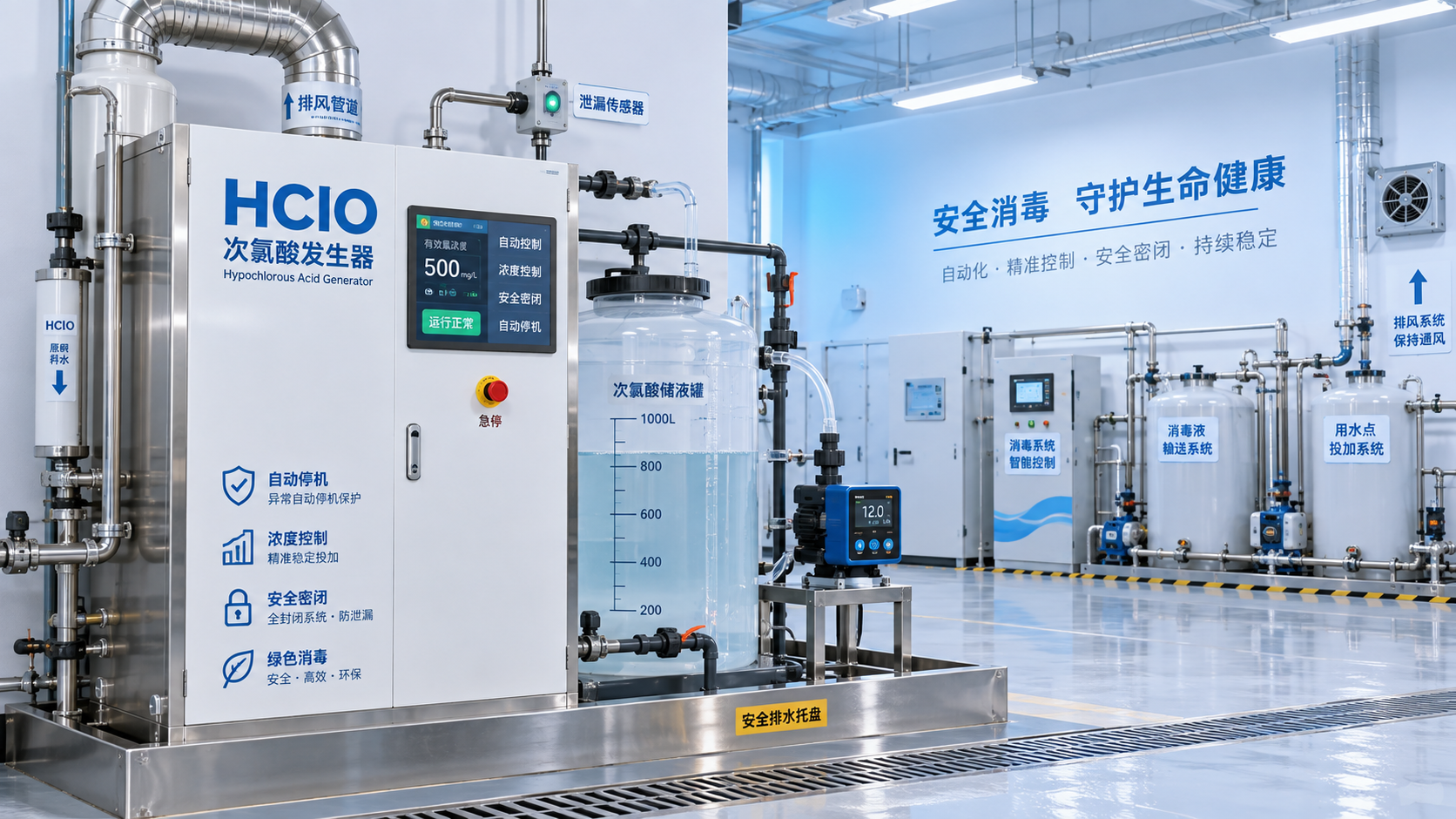
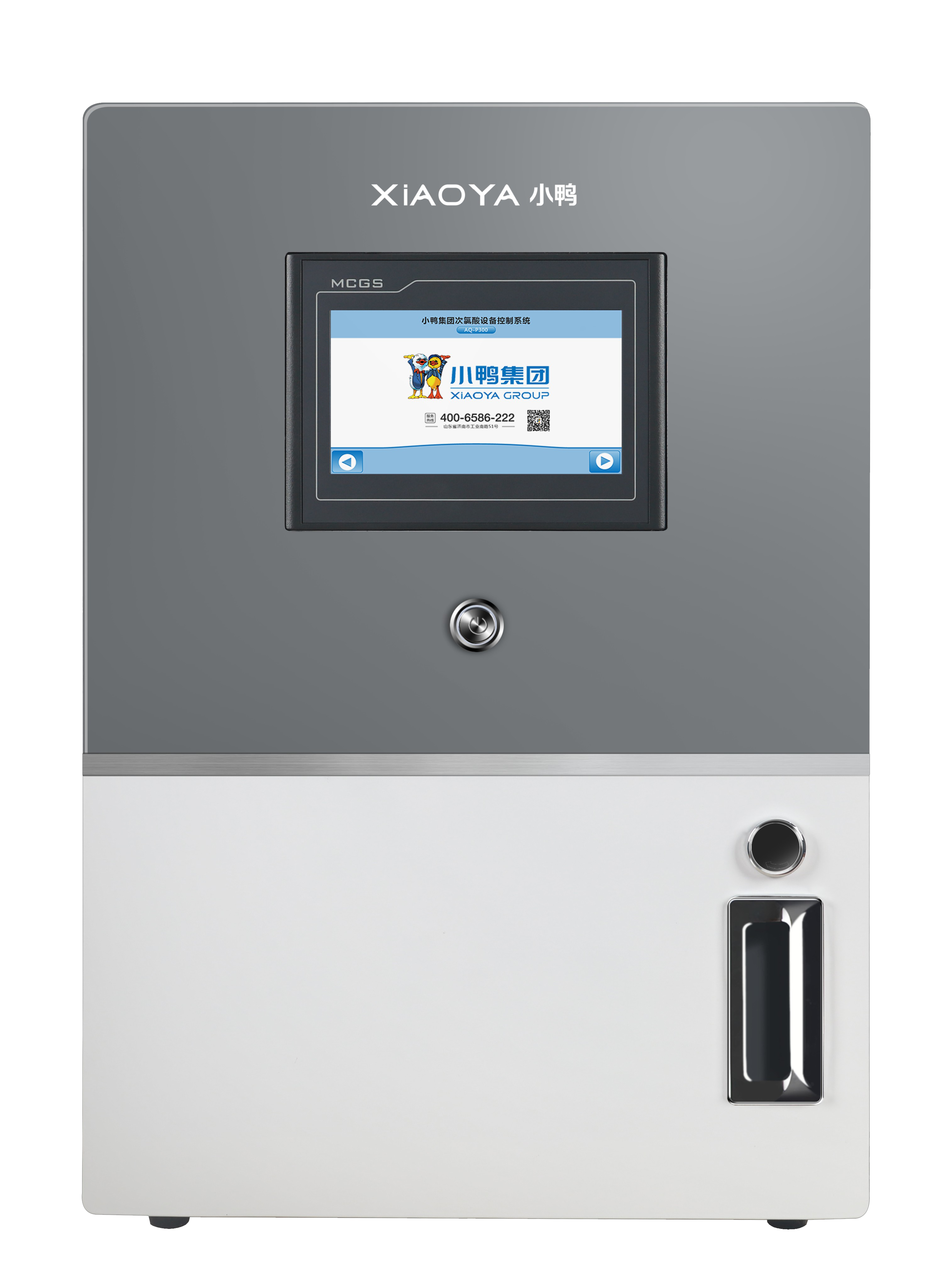
For public hygiene and water-related applications, one useful reference point is Hypochlorous Acid Generator for Public Health (AQ-P1000).
This type of system is relevant when decision makers need a balance of sanitation performance, operational safety, and integration potential.
It also reflects a broader supplier capability built on R&D, manufacturing, and diversified appliance technology experience.
How to Move from Interest to Implementation
A hypochlorous acid generator is most effective when matched to a clear use case.
That may sound obvious, but it is where many evaluations lose momentum.
- Map the sanitation points that create the highest operational risk.
- Define required output, water quality, and control interface needs.
- Review material compatibility and maintenance expectations.
- Ask for application-specific validation, not generic claims.
- Compare total operating value, not purchase price alone.
That process gives the hypochlorous acid generator a fair, business-focused assessment.
It also helps separate flexible long-term partners from simple equipment vendors.
As agriculture, food processing, and water treatment continue upgrading, demand for safer and smarter sanitation will keep rising.
A well-chosen hypochlorous acid generator can support that shift with practical, scalable value.
The next step is simple: evaluate real application fit, supplier depth, and integration readiness before making the final call.
NEWS
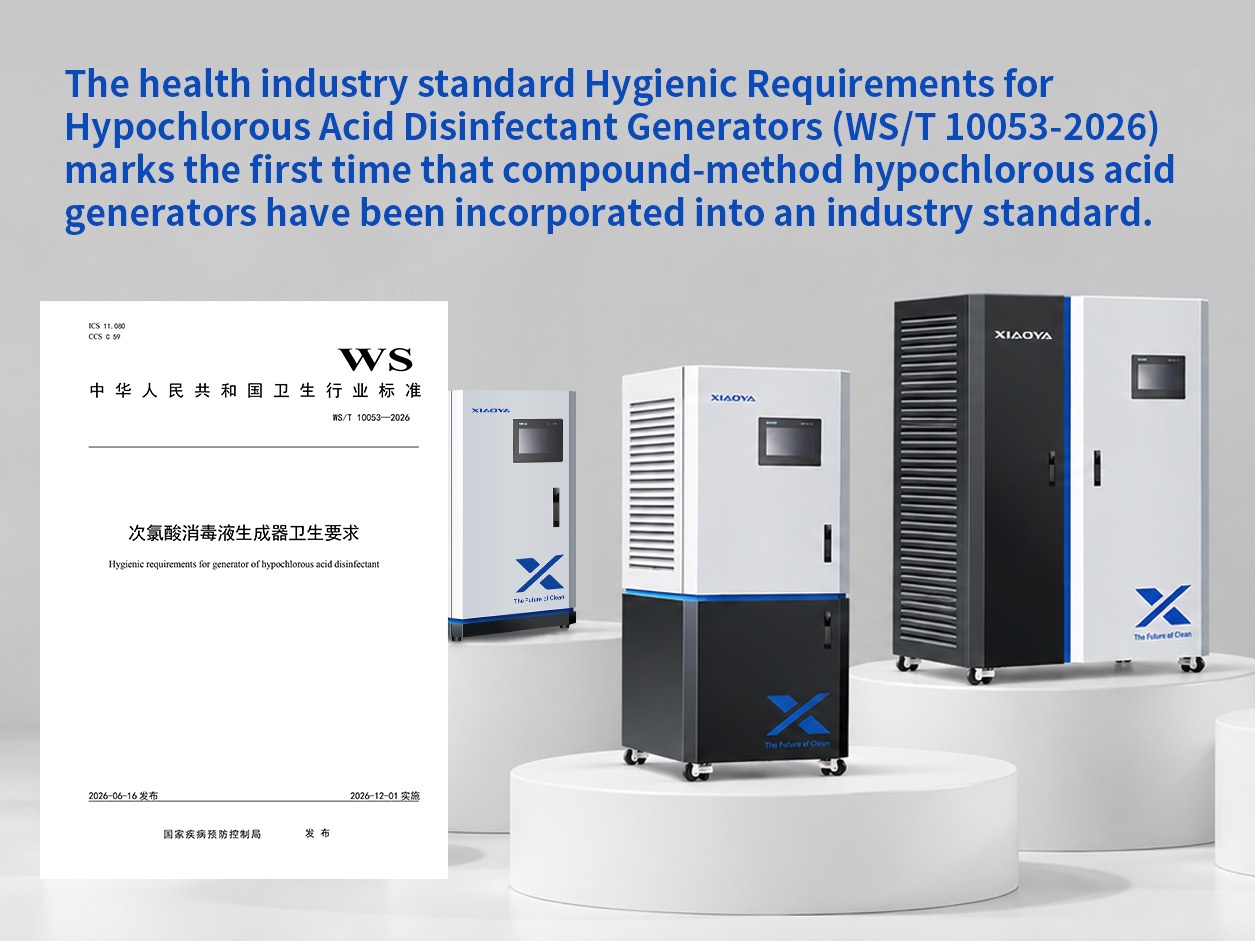
 WS/T 10053-2026 Includes the Compound Method for the First Time: Standard Signals and Market Opportunities for Mass Agricultural Production of Hypochlorous Acid Generators
 Evaluating HClO Generator Lifecycle Costs Beyond the Initial Equipment Price
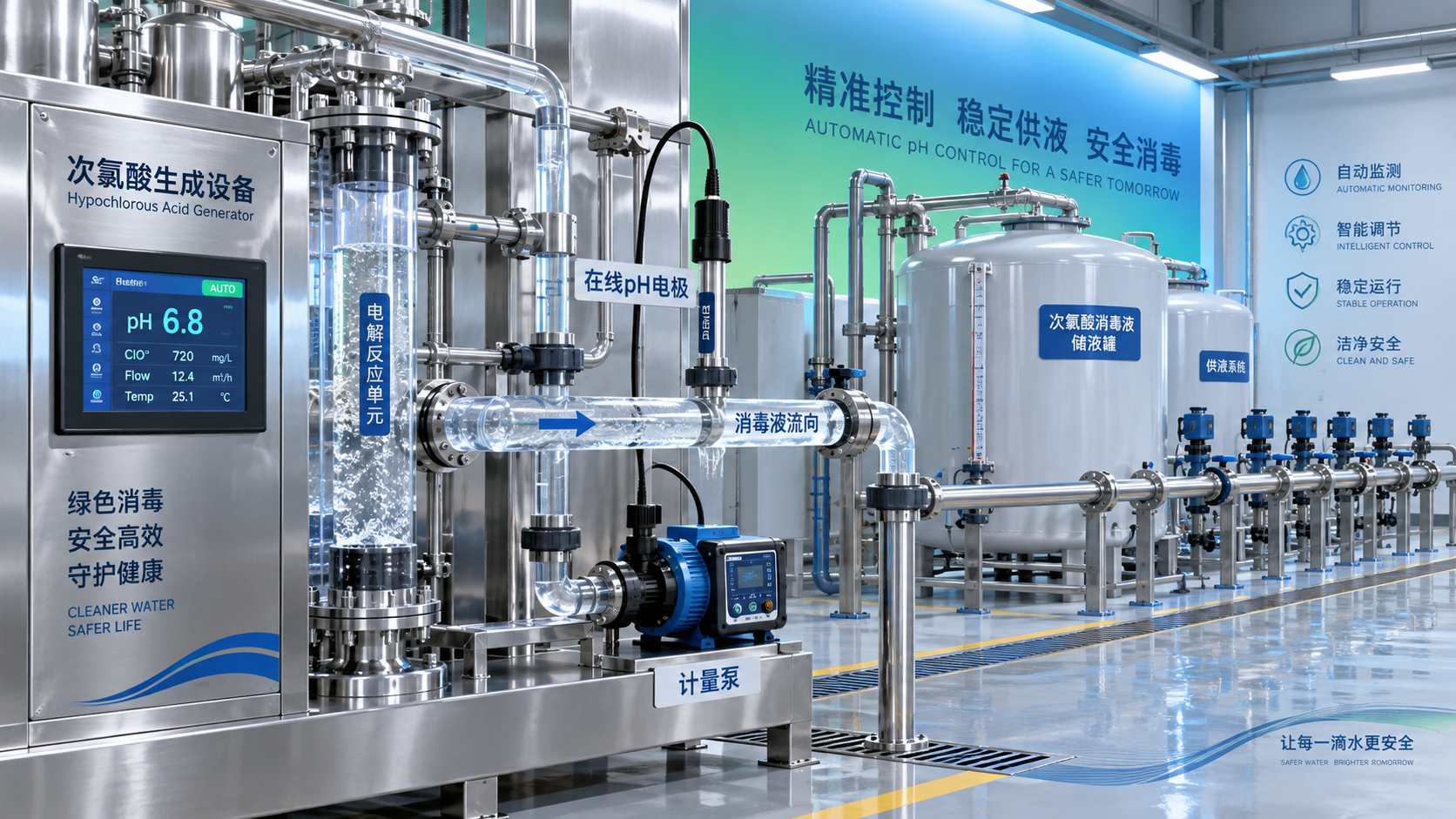
 HClO Generator pH Control: Why It Determines Disinfection Performance
- Which Safety Features Matter Most When Buying an HClO Generator?
 Troubleshooting Low ORP Readings on a Hypochlorous Acid Machine
Leave us a message

Xiaoya Group was founded in 1979,expert in the electrolyzed water industry.
Get in Touch
*We respect your confidentiality and all information are protected.