news
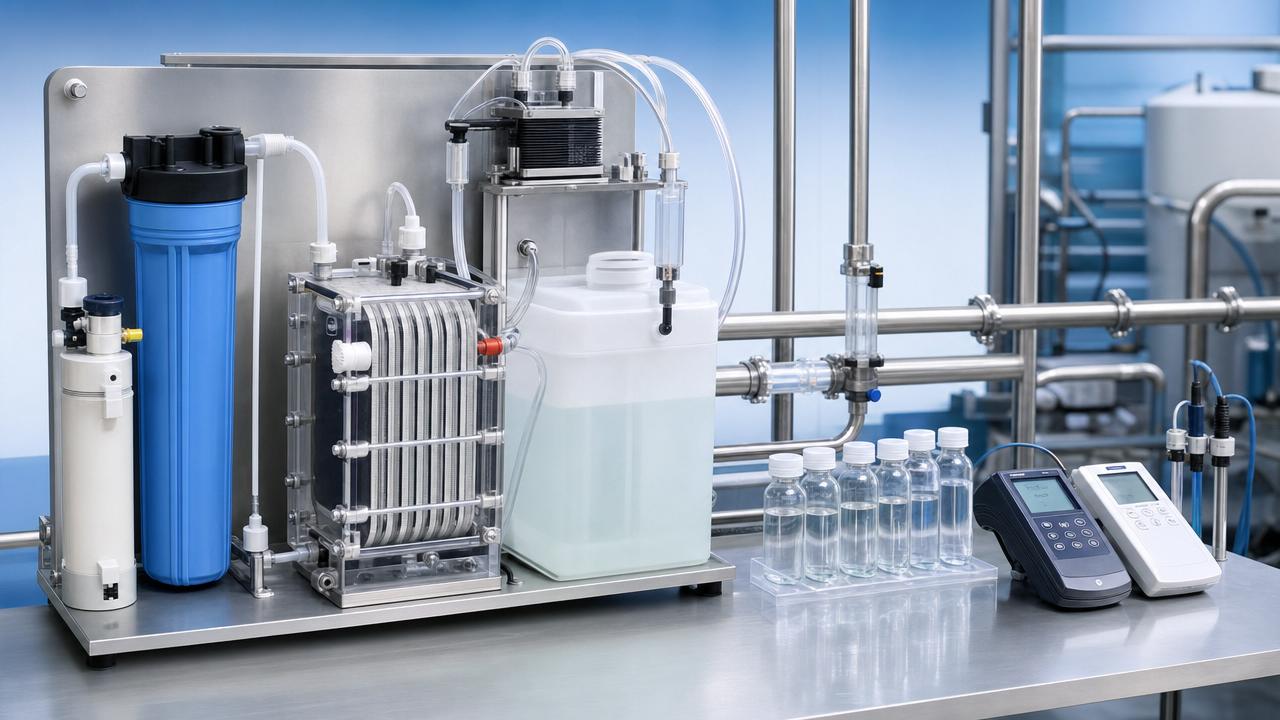
Why Is Your Hypochlorous Acid Generator Producing Weak Solution?
If your hypochlorous acid generator is producing a weak solution, several factors may be involved.
The most common ones are water quality, salt concentration, electrode status, and operating parameters.
When output concentration drops, disinfection performance becomes unstable, and user complaints usually follow very quickly.
In real maintenance work, fast diagnosis matters more than guesswork.
A structured inspection helps restore equipment reliability and avoid repeated service calls.
This guide breaks down why a hypochlorous acid generator produces weak solution and how to correct it efficiently.
Start With the Most Obvious Signal: Output Concentration
A weak solution usually means the available chlorine concentration is below the expected target.
Sometimes the machine runs normally, but the generated hypochlorous acid is still under strength.
That is why visual inspection alone is not enough.
Check the actual ppm value, pH level, flow rate, and operating time first.
If one value drifts, the entire disinfection result can weaken.
- Measure available chlorine with a reliable test method.
- Confirm whether pH stays in the effective generation range.
- Compare current readings with commissioning records.
- Ask whether the issue appeared suddenly or gradually.
Check Water Quality Before Replacing Parts
Poor inlet water is one of the biggest reasons a hypochlorous acid generator produces weak solution.
Hard water, suspended solids, and unstable conductivity can all reduce electrolysis efficiency.
From recent field cases, this problem often increases after seasonal water source changes.
A generator may appear healthy, yet the feed water no longer matches the original setup.
What to inspect
- Water pressure stability at the inlet.
- Filter blockage or overdue filter replacement.
- TDS or conductivity changes compared with baseline data.
- Visible scaling, sediment, or discoloration in water lines.
If the water pressure falls outside the designed range, generation consistency may drop sharply.
This is especially relevant for systems used in garbage rooms, transfer stations, or mobile sanitation vehicles.
Verify Salt Concentration and Electrolyte Preparation
Salt ratio errors are another frequent cause of weak hypochlorous acid output.
Too little salt reduces effective chlorine generation.
Too much salt can also create instability and increase scaling risk.
In practice, weak solution problems often come from inconsistent manual mixing.
It is also worth checking whether the salt quality has changed.
Impurities in industrial salt can affect the electrolytic cell and reduce output quality.
- Confirm the mixing ratio against the equipment standard.
- Inspect the electrolyte tank for residue or crystallization.
- Make sure the salt dissolves fully before operation.
- Verify dosing lines are not clogged or leaking.
A stable hypochlorous acid generator depends on both correct chemistry and repeatable preparation habits.
Inspect the Electrodes and Electrolyzer Condition
If water and salt are normal, move to the core electrolysis section.
Electrode fouling, scaling, coating wear, or aging can all cause a weak solution.
This issue becomes more likely after long-term operation or poor cleaning practices.
A decline may appear gradual, which makes it easy to overlook.
Typical warning signs
- Current draw is abnormal during operation.
- The generator needs longer runtime for the same ppm.
- The cell surface shows scale or visible contamination.
- Cleaning improves output only for a short time.
For industrial-use equipment, service life data should always be checked against actual operating hours.
For example, Hypochlorous Acid Generator for Garbage Disinfection (AQ-P300-W) uses an electrolyzer with a service life of at least 5000 hours.
If performance drops near or beyond that range, core component aging becomes a practical suspect.
Review Operating Settings and Real Usage Conditions
A hypochlorous acid generator can also produce weak solution because settings no longer match the job site.
This happens often after relocation, seasonal demand changes, or informal parameter adjustments.
More clearly, the machine may still run, but output no longer fits actual disinfection load.
If the site needs higher deodorization or faster turnover, underconfigured output becomes obvious.
- Check target ppm against the current application scenario.
- Confirm runtime, dosing interval, and flow settings.
- Review whether pH adjustment remains within the effective range.
- Compare daily usage volume with the original design capacity.
Some systems require flexible output, especially in garbage collection points and transfer stations.
Equipment with adjustable available chlorine concentration, such as 10-200ppm, adapts better to changing site demands.
Follow a Practical Troubleshooting Sequence
When weak output appears, a clear sequence saves time and avoids unnecessary parts replacement.
- Test the actual concentration and pH first.
- Check inlet water pressure, quality, and filtration.
- Verify salt purity, ratio, and electrolyte delivery.
- Inspect electrodes, cell cleanliness, and operating hours.
- Review parameters against current application needs.
- Run a controlled retest after each corrective action.
This order helps separate chemical issues from mechanical or electrical causes.
It also improves communication with end users because every adjustment is tied to a measurable result.
Choose Equipment That Supports Stable Field Performance
In some cases, repeated weak solution issues come from a mismatch between equipment design and working environment.
Sites with odor pressure, high humidity, and frequent contamination need durable and adjustable systems.
That is where an industrial-focused hypochlorous acid generator offers a real operational advantage.
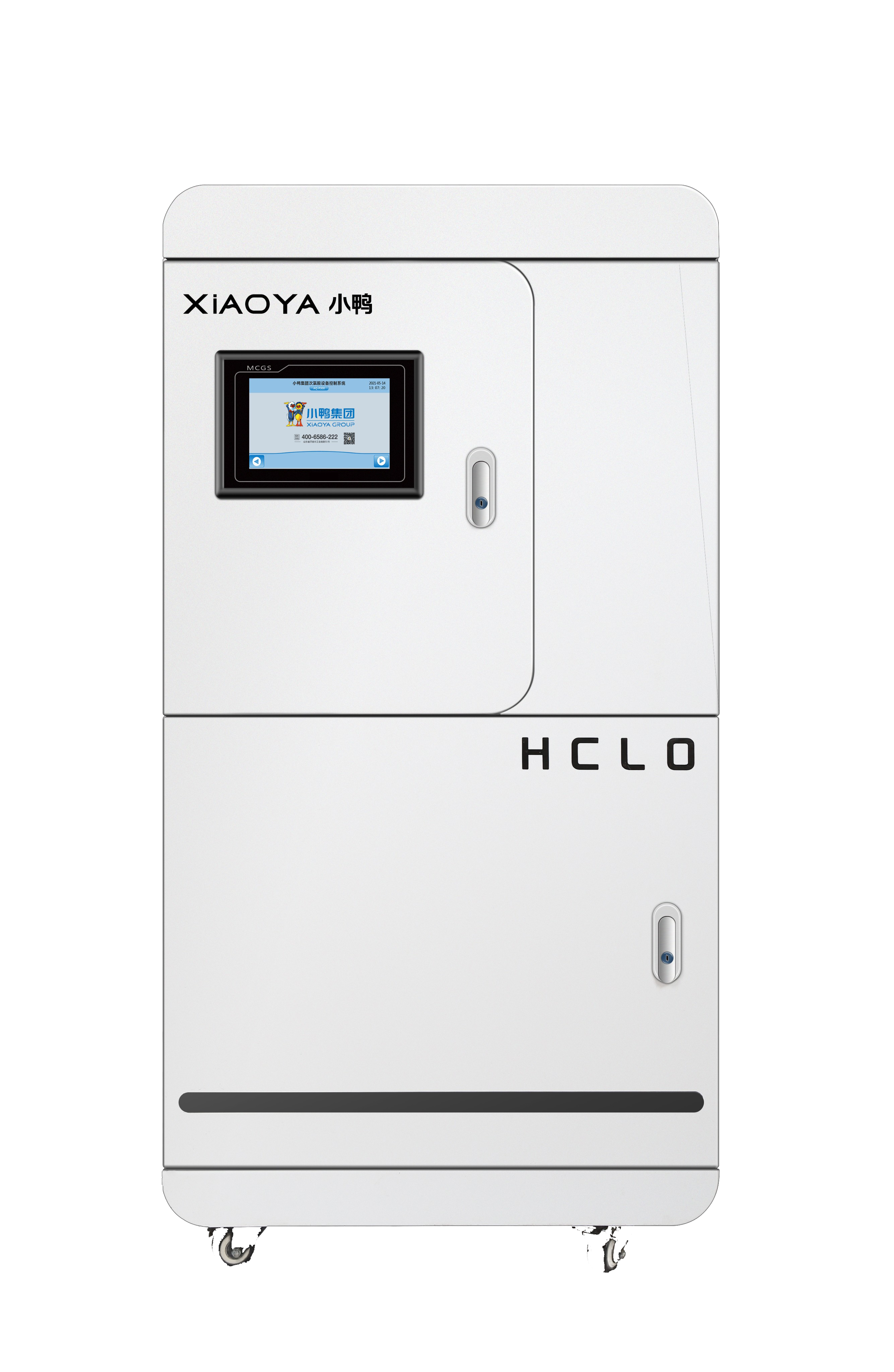
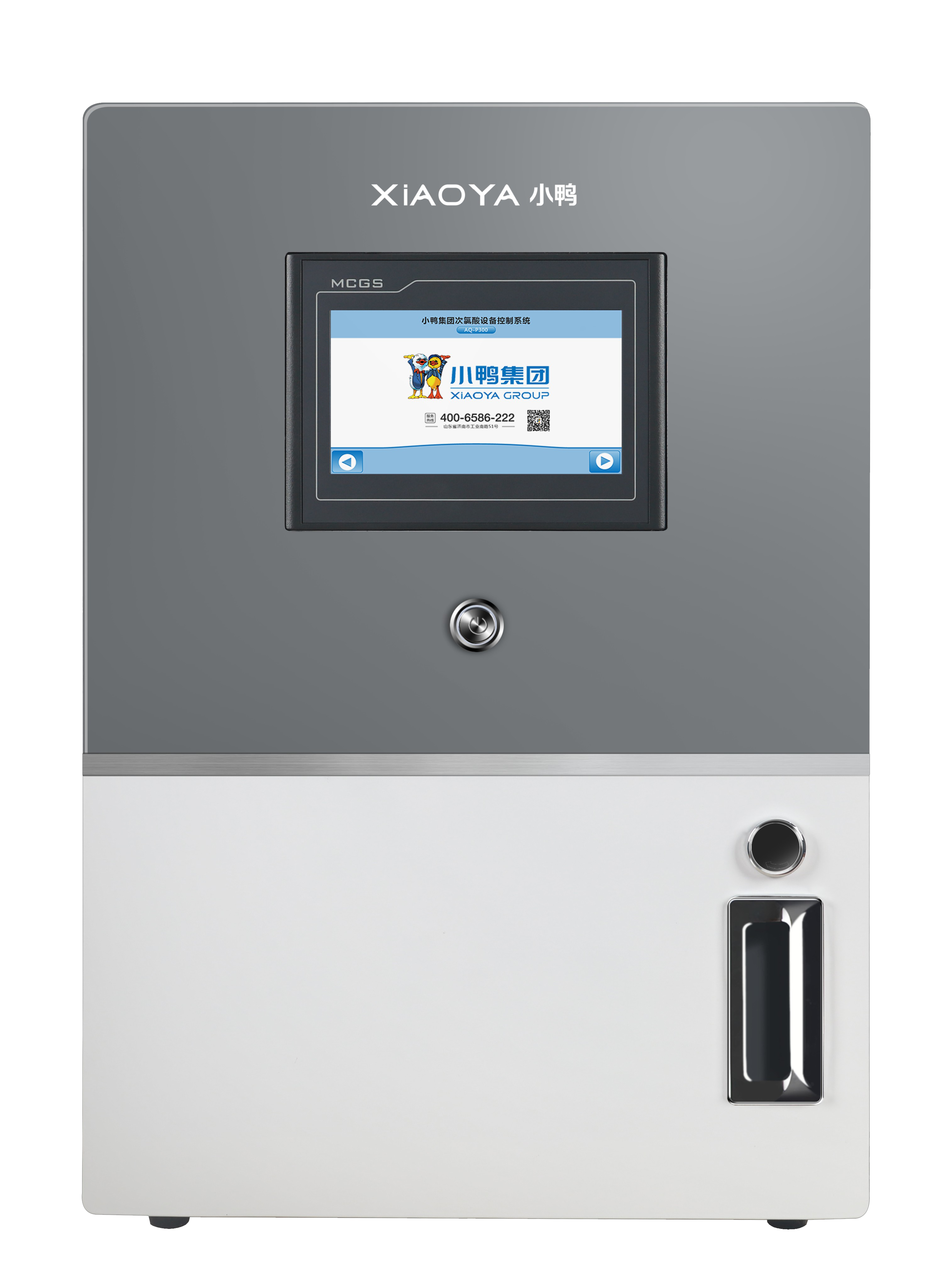
One example is the Hypochlorous Acid Generator for Garbage Disinfection (AQ-P300-W) , designed for garbage rooms, transfer stations, collection vehicles, and disposal plants.
Its output range of 120-300L/h supports on-demand production with low loss.
Its pH can be adjusted within 5.0 to 6.5 based on water quality.
That combination helps maintain disinfection and deodorization performance under changing site conditions.
Final Takeaway
If a hypochlorous acid generator is producing weak solution, do not start by assuming a major failure.
Most cases trace back to water quality, salt preparation, electrode condition, or mismatched settings.
The key is to test methodically and confirm each variable with actual readings.
That approach restores output faster and reduces repeat faults.
When the operating environment is demanding, stable equipment selection matters just as much as maintenance skill.
A well-maintained hypochlorous acid generator should deliver consistent concentration, dependable deodorization, and reliable disinfection every day.
NEWS
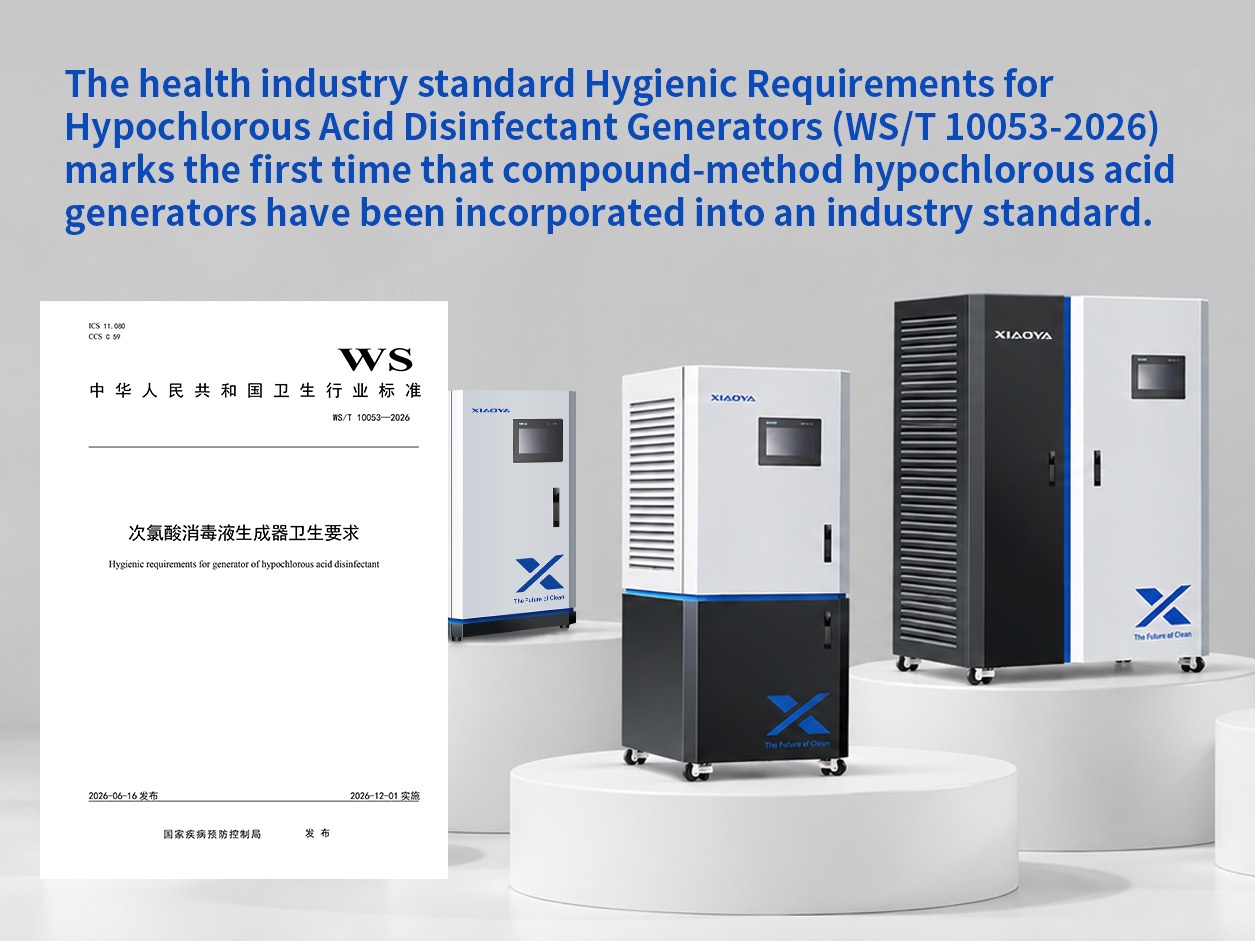
 WS/T 10053-2026 Includes the Compound Method for the First Time: Standard Signals and Market Opportunities for Mass Agricultural Production of Hypochlorous Acid Generators
 Evaluating HClO Generator Lifecycle Costs Beyond the Initial Equipment Price
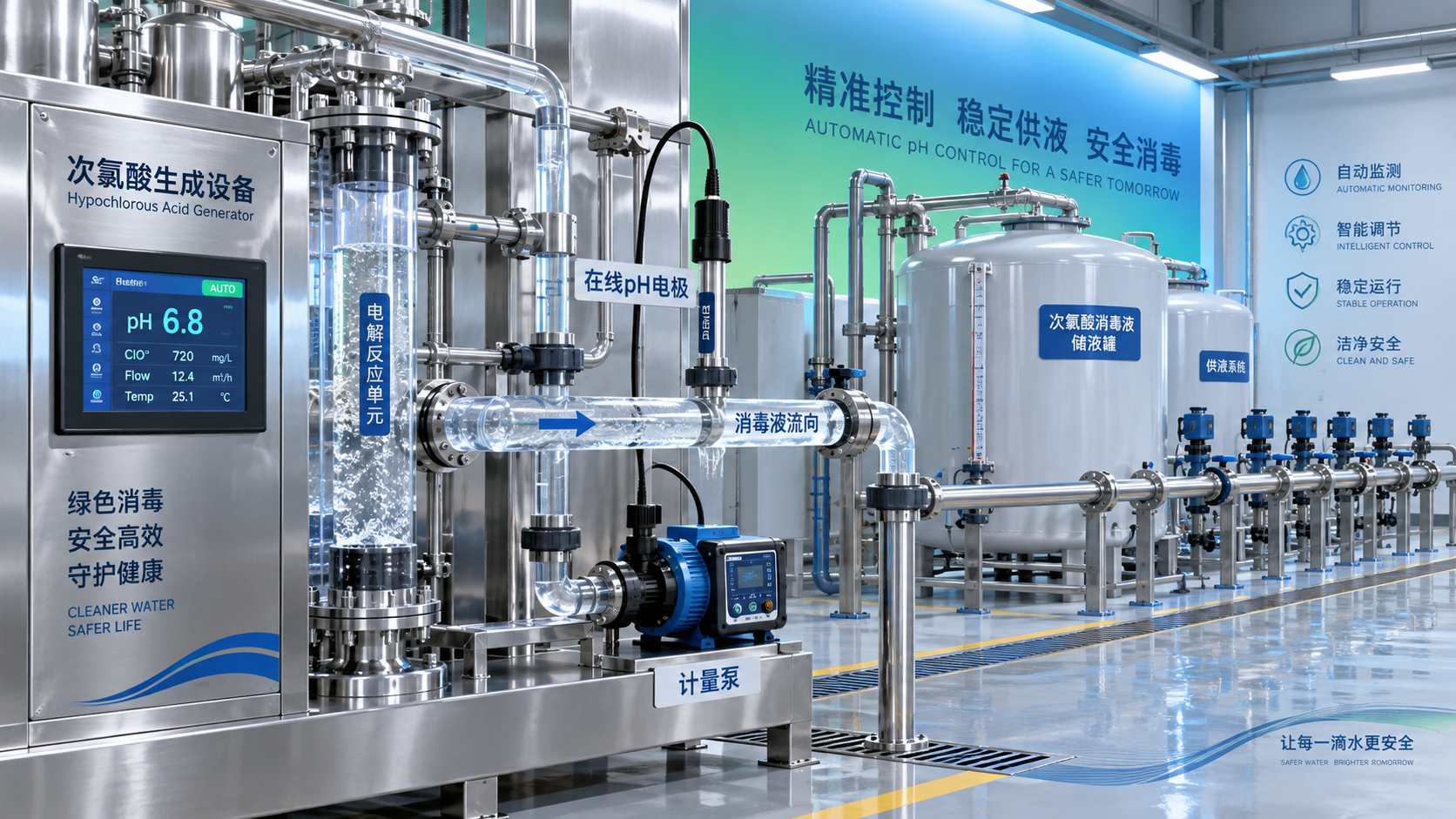
 HClO Generator pH Control: Why It Determines Disinfection Performance
- Which Safety Features Matter Most When Buying an HClO Generator?
 Troubleshooting Low ORP Readings on a Hypochlorous Acid Machine
Leave us a message

Xiaoya Group was founded in 1979,expert in the electrolyzed water industry.
Get in Touch
*We respect your confidentiality and all information are protected.