news
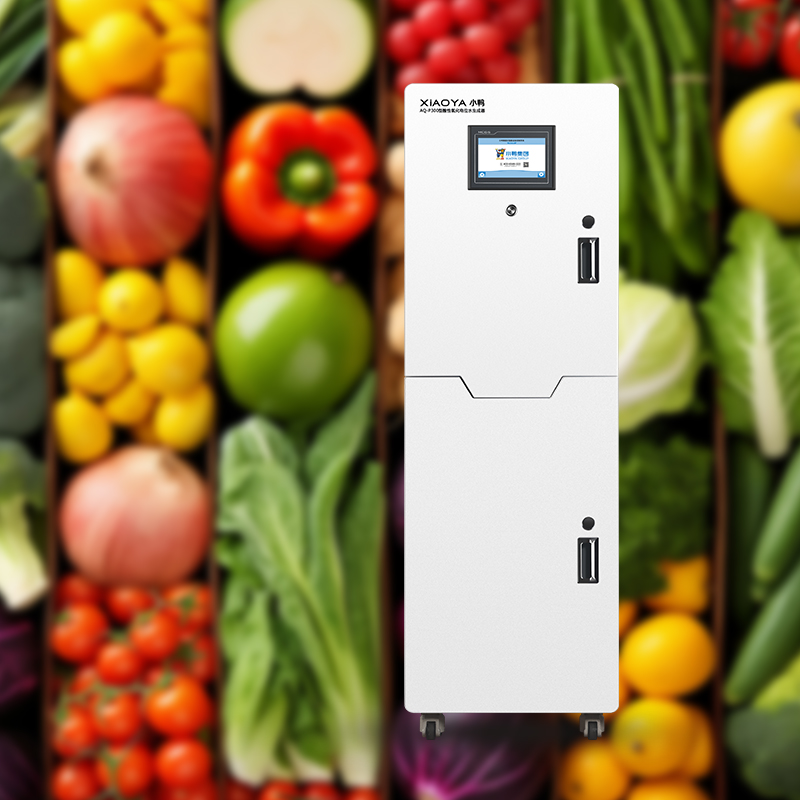
Hypochlorous acid generators can fit crop protection work when the goal is to reduce reliance on harsher chemical inputs while keeping sanitation and spray routines consistent. In growing environments, hypochlorous acid is generally valued for its oxidizing action, short contact behavior, and low residue profile when it is produced and applied within a controlled range. That matters because pest pressure is rarely isolated from hygiene problems. Algae in irrigation lines, biofilm on benches, microbial contamination on tools, and organic buildup around drains can all weaken plant performance and complicate pesticide programs.
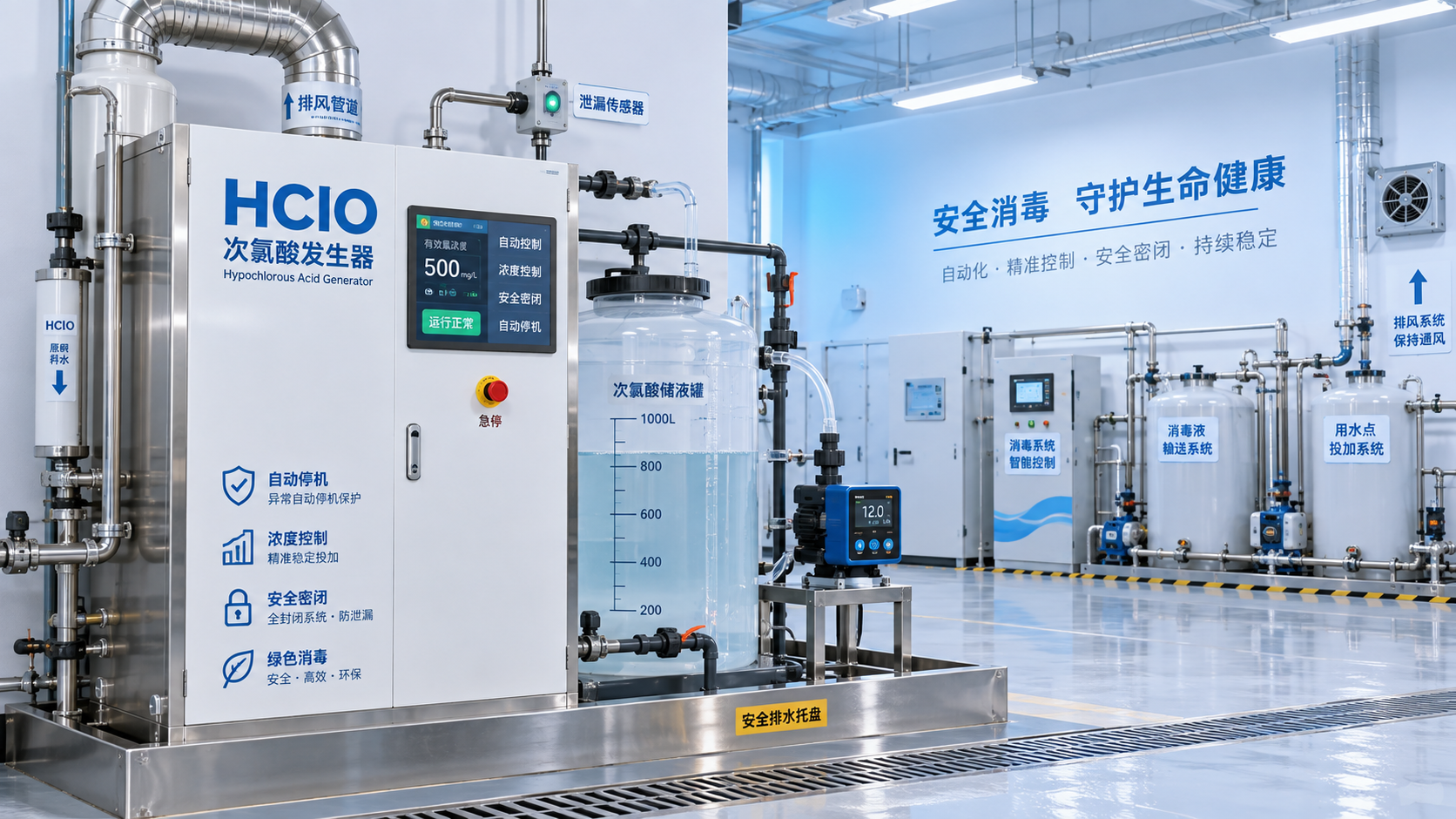
For that reason, many growers do not treat a hypochlorous acid generator as a single-purpose machine. It often sits between water treatment, environmental sanitation, and crop protection support. In automated equipment terms, the generator is part of a process line: water input, electrolyte dosing, electrolysis cell operation, concentration control, storage or direct feed, and final application through fogging, wiping, spraying, or line disinfection. If any one of those stages is unstable, the result at the nozzle may differ from the target condition.
Where the technology tends to work well
Hypochlorous acid is commonly discussed as a natural pesticide solution because it can be generated from salt, water, and electricity rather than transported as a conventional synthetic pesticide formulation. In practice, that description should still be handled carefully. Its performance depends on concentration, pH, organic load, contact time, and the surface or crop being treated. A clean greenhouse aisle and a heavily soiled propagation area will not respond the same way. The same is true for leaf surfaces with waxy cuticles, hairy foliage, or high dust loading.
Growers usually find the strongest operational value in situations where disease pressure and hygiene overlap. Seedling trays, harvest tools, pack areas, floor drains, footbaths, walls, and worktables are obvious points. In some operations, low-concentration application may also be considered for irrigation system sanitation or room-turn disinfection between crop cycles. Direct foliar use requires more caution because droplet size, concentration, water quality, and crop sensitivity can shift outcomes quickly. A solution that is acceptable for one variety under cool morning conditions may be unsuitable under strong light or heat.
What separates a usable generator from a problematic one
The chemistry sounds simple, but equipment design determines whether output remains usable across daily operation. A hypochlorous acid generator for growers typically needs stable pH control, repeatable available chlorine concentration, corrosion-resistant wetted parts, and a control interface that operators can read without interpretation errors. Materials matter here. Components in contact with the solution are often selected from plastics and alloys that tolerate oxidizing media better than ordinary low-grade metals. Poor material choice can lead to premature seal failure, discoloration, unstable output, or contamination in the storage path.
Flow consistency is another practical issue. If output drifts through the day, spray recipes and sanitation routines become difficult to standardize. Some systems therefore emphasize concentration stability rather than headline capacity alone. One example seen in adjacent animal hygiene applications is Hypochlorous Acid Full-Scenario Disinfection System for Horse Farms, which lists output at 180-300 L/h, pH 5.0-6.5, available chlorine concentration from 10-120 ppm depending on scenario, and stable concentration control within a stated tolerance band. Although that configuration is intended for equine environments rather than crop production, the specification logic is relevant to growers: output range, pH window, control method, and concentration stability usually matter more than broad marketing language.
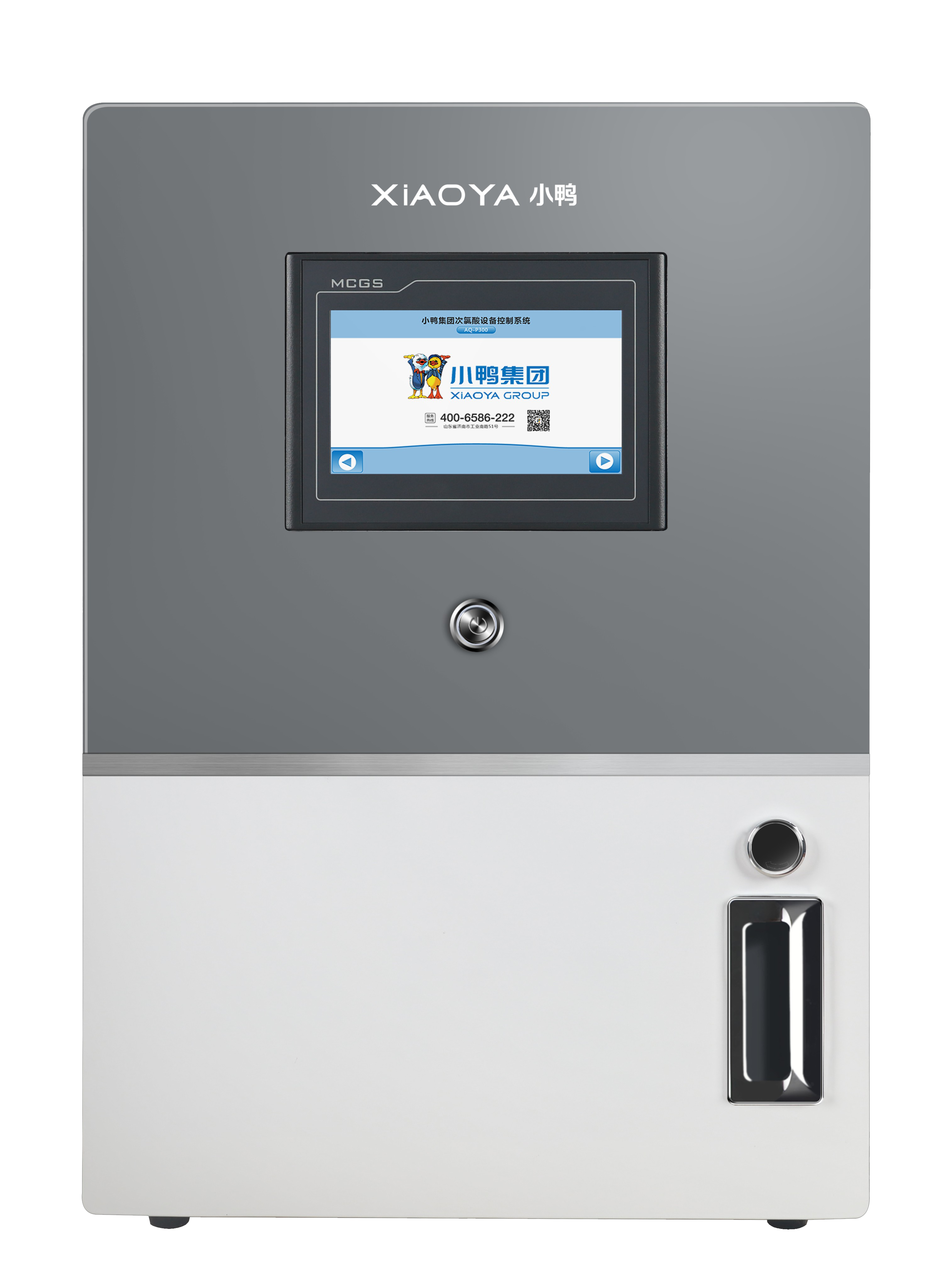
Control architecture also affects whether the machine integrates cleanly into an automated equipment environment. A basic manual unit may be enough for a small isolated sanitation point. Larger sites usually need better traceability. PLC touch control, alarm prompts, and exportable operating data can help track whether low output came from depleted electrolyte, scale on the electrolyzer, inlet water variation, or an operator setting error. Without that visibility, teams often blame the chemistry when the real issue is maintenance or inconsistent feed water.
Common misreadings in crop use
One common mistake is assuming that a higher concentration automatically gives better crop protection. On contaminated hard surfaces, stronger solution may improve disinfection within practical limits. On living plant tissue, excess concentration can raise the chance of phytotoxic effects, especially on tender leaves, flowers, or newly rooted material. Another mistake is overlooking organic matter. Hypochlorous acid can be consumed rapidly when it contacts soil splash, plant sap, algae, or dirty equipment, so a reading taken at the tank does not guarantee the same active condition at the treatment point.
Water quality is often underestimated as well. Hardness, suspended solids, and upstream chemical residues may interfere with generator performance or reduce the usefulness of stored solution. Some operators focus on the electrolyzer and ignore pretreatment. In reality, sediment filtration, stable inlet pressure, and routine cleaning of the feed path often determine whether the generator remains predictable after the first few weeks of use.
There is also confusion between sanitizing a growing environment and controlling established pest infestations. Hypochlorous acid may support a cleaner production space and reduce certain microbial burdens, but it should not be treated as a universal substitute for every insecticide, fungicide, or integrated pest management tool. Where insects are the main issue, sanitation alone rarely solves the problem. Where fungal or bacterial pressure is tied to moisture management and surface contamination, the chemistry may be more useful as part of a larger control program.
Installation details that affect daily performance
Placement should be chosen with service access in mind, not only pipe convenience. Electrolyte filling, cell inspection, filter replacement, and drain access need clear working space. Machines installed in cramped corners often end up with skipped maintenance because basic service takes too long. Ventilation is also worth reviewing, especially in enclosed utility rooms, since electrochemical systems should be installed according to electrical and site safety requirements.
Power supply stability can matter more than expected in facilities where pumps, chillers, and other automated equipment share the same circuit environment. A generator rated at 220/50 with modest power demand may still suffer nuisance interruption if voltage quality is poor or if the installation lacks proper protection. In addition, pipe routing should minimize dead legs and stagnation zones where stored solution degrades before use. Short, direct runs generally support more reliable delivery than complex loops with little turnover.
When the system is tied into existing spray or misting hardware, nozzle compatibility deserves attention. Fine fogging can improve surface coverage in some room disinfection tasks, but the same hardware may be unsuitable for targeted plant application if droplet size encourages drift or excessive wetting. Gasket material, pump seals, and tank linings should also be checked for compatibility with oxidizing solutions. A low-cost transfer pump made for plain water may not hold up well over time.
Maintenance is mostly about consistency
The core wear component in many units is the electrolyzer. If a specification states a main component service life of 5000 hours or more, that should still be read as a maintenance planning figure rather than a fixed field result. Actual life can shift with water quality, duty cycle, cleaning practice, and whether the machine is frequently run outside its intended range. Scale formation, salt impurity, and irregular shutdown procedures can shorten useful life.
Routine work usually includes checking concentration, confirming pH, cleaning feed and dosing components, inspecting for leaks or crystallized residue near connections, and verifying that the control panel matches the operating recipe. Where data export is available, trend review can reveal gradual output decline before it becomes obvious in application. That is especially useful in larger automated operations where several sanitation steps depend on one central machine.
Storage discipline matters too. If hypochlorous acid is generated in batches instead of on-demand, container material, light exposure, temperature, and residence time all influence the condition of the solution before it reaches the field or greenhouse. Even a well-designed unit cannot compensate for poor storage practice after generation.
Using specifications without overreading them
Technical sheets can be useful if they are read in context. Output capacity should match actual consumption peaks, not just average daily use. A machine producing 180-300 L/h may be adequate for one sanitation zone and undersized for another if multiple spray points run at once. An electrolyte tank capacity of 5 L may be convenient in some layouts but could require more frequent operator attention in heavier-duty schedules. Stable concentration, adjustable ppm range, and clear controls are often more meaningful than a broad claim of strength.
The same cautious reading applies to crossover products. A system such as the AQ-P300 model in livestock hygiene settings may highlight broad-spectrum sterilization, deodorization, low irritation profile, and flexible concentration settings. Those traits can inform equipment evaluation for grow facilities, especially where mixed-use sanitation is needed around water lines, floors, tools, and enclosed spaces. Still, agricultural use conditions differ enough that spray trials, material compatibility checks, and site-specific validation remain necessary before adapting any comparable setup.
In the end, hypochlorous acid generators are most useful when treated as process equipment rather than miracle chemistry. Good results usually come from stable generation, clean water, correct concentration, compatible application hardware, and realistic expectations about what sanitation can and cannot do inside crop protection. When those pieces are aligned, the technology can become a practical part of a cleaner and more controlled growing operation.
NEWS
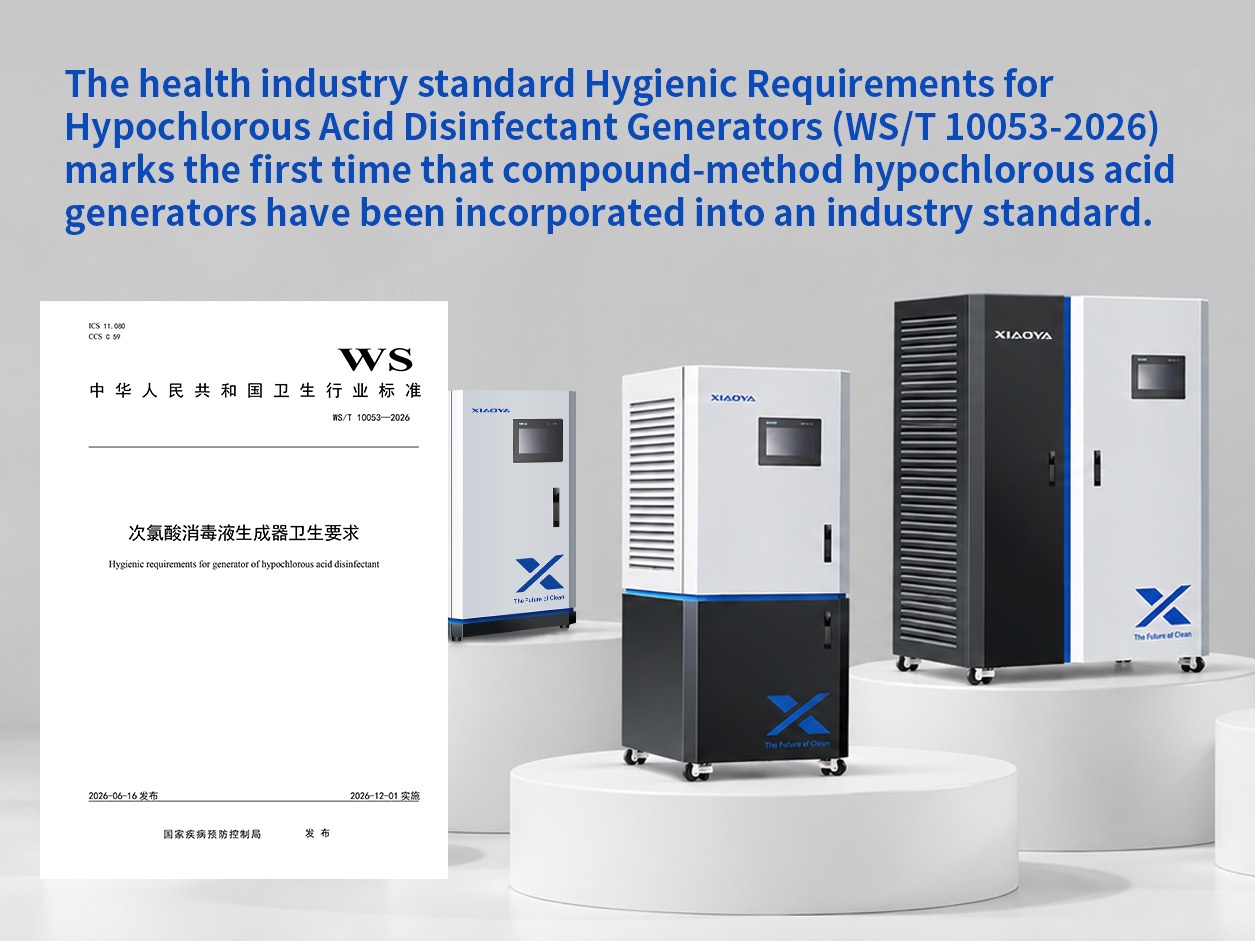
 WS/T 10053-2026 Includes the Compound Method for the First Time: Standard Signals and Market Opportunities for Mass Agricultural Production of Hypochlorous Acid Generators
 Evaluating HClO Generator Lifecycle Costs Beyond the Initial Equipment Price
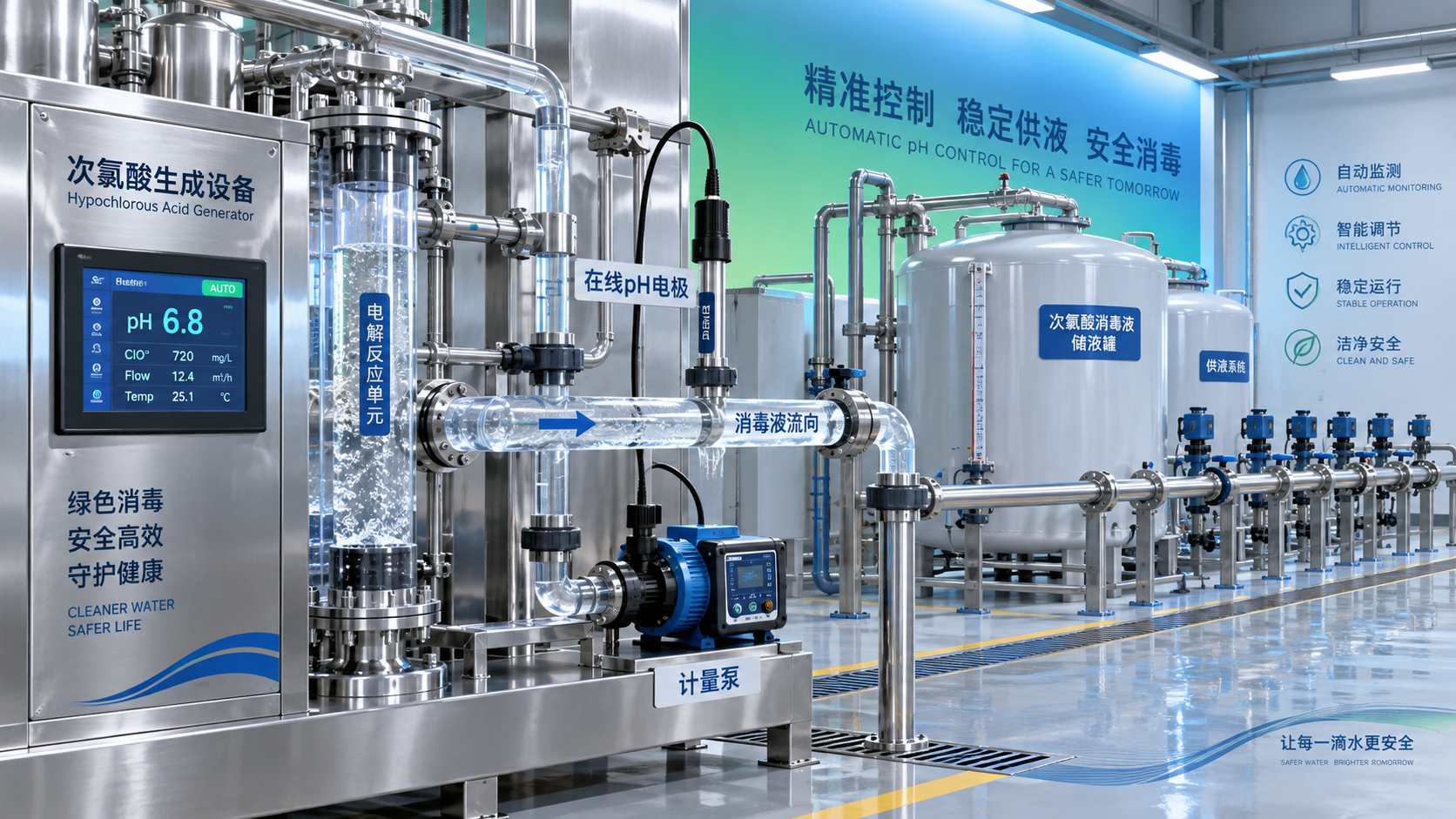
 HClO Generator pH Control: Why It Determines Disinfection Performance
- Which Safety Features Matter Most When Buying an HClO Generator?
 Troubleshooting Low ORP Readings on a Hypochlorous Acid Machine
Leave us a message

Xiaoya Group was founded in 1979,expert in the electrolyzed water industry.
Get in Touch
*We respect your confidentiality and all information are protected.