news
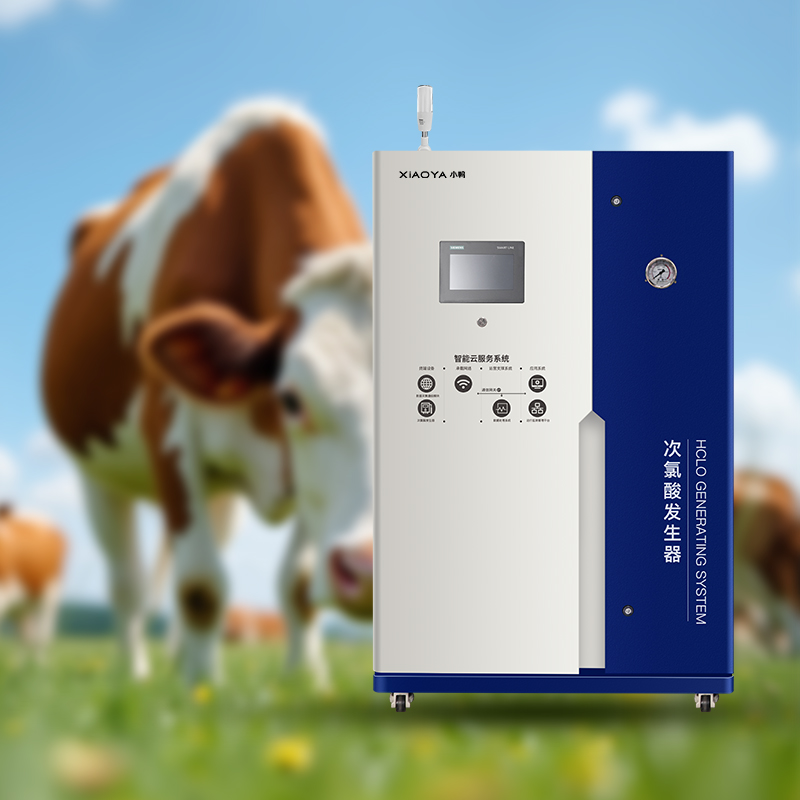
I. What Is a Livestock Hypochlorous Acid (HOCl) Generator?
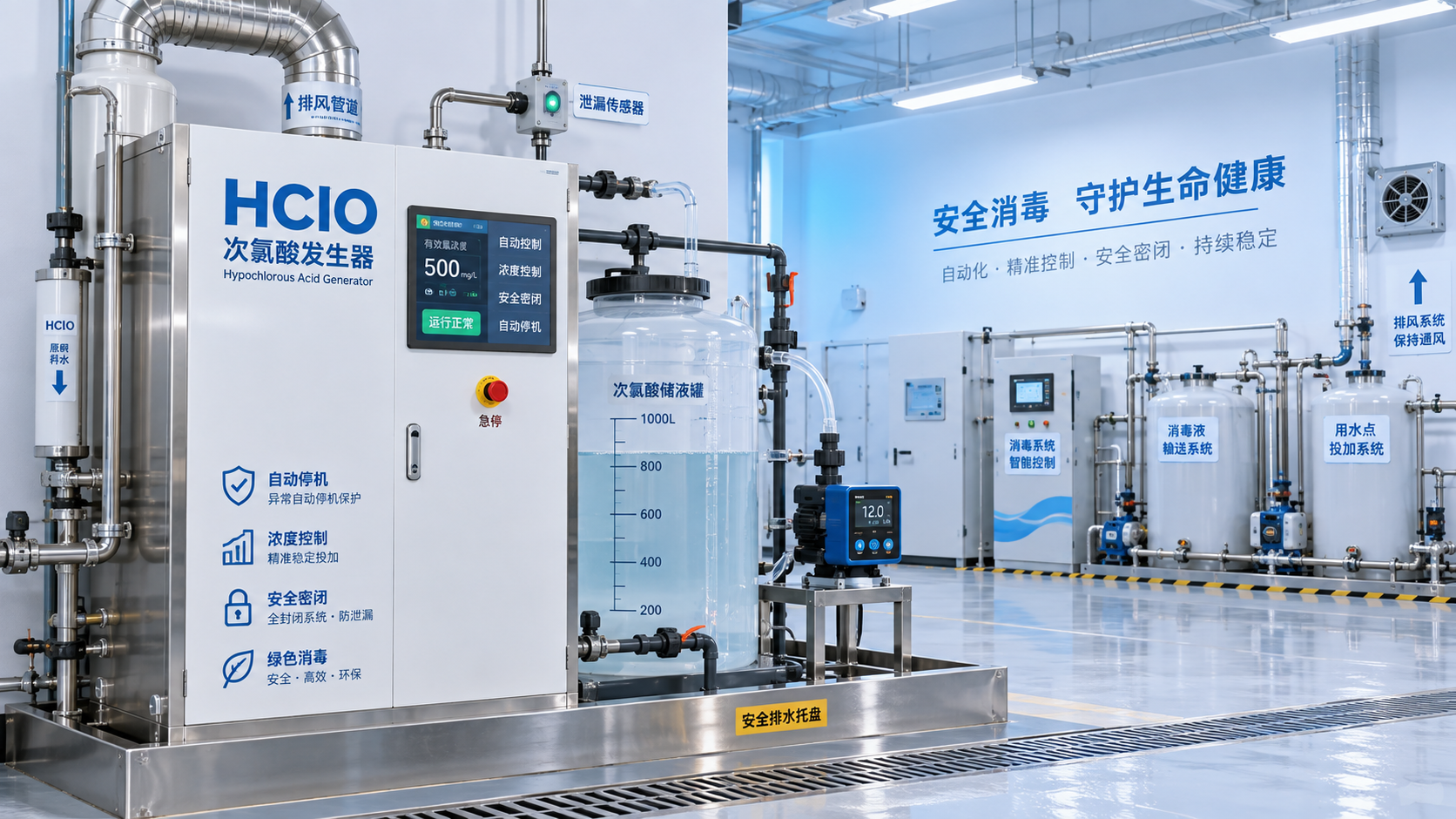
A livestock hypochlorous acid (HOCl) generator is an intelligent device based on On-site Electrolysis technology.
It only requires water, salt (NaCl), and electricity to instantly produce highly active, mildly acidic hypochlorous acid disinfectant solution directly at the farm site. The solution is highly compatible with animals and suitable for modern livestock production environments.
Hypochlorous acid (HOCl) itself is a natural antimicrobial substance produced by white blood cells in the mammalian immune system during defense against pathogen invasion.
The hypochlorous acid solution generated by on-site electrolysis equipment not only provides extremely high sterilization efficiency, but is also non-toxic and non-irritating. It does not leave harmful chemical residues inside livestock bodies or in the surrounding environment.
II. Four Core Advantages of Livestock HOCl Generators
In large-scale livestock operations and intensive farming environments, traditional chemical disinfectants (such as peracetic acid, glutaraldehyde, quaternary ammonium compounds, etc.) face several challenges, including strong corrosiveness, respiratory irritation, and potential antimicrobial resistance risks.
The introduction of HOCl generators has fundamentally transformed the approach to biological safety management in livestock production.
1. Rapid Broad-Spectrum Elimination of Pathogens
Hypochlorous acid molecules carry no electrical charge and can rapidly penetrate bacterial and viral cell membranes, causing critical proteins to denature and become inactive.
- Rapid Inactivation:
After contact, HOCl can quickly neutralize Escherichia coli, Salmonella, Listeria monocytogenes, Staphylococcus aureus, as well as common viruses such as avian influenza and African swine fever virus. - Extremely Low Resistance Risk:
Due to its physical oxidative destruction mechanism, pathogens are unable to develop resistance against HOCl.
2. Drinking Water Pipeline Maintenance and Complete Biofilm Removal
Biofilm accumulation inside livestock drinking water pipelines provides an ideal environment for pathogen growth and reproduction. Traditional disinfectants often struggle to completely remove these persistent biological layers.
- Online Purification:
HOCl can be continuously injected into automated drinking water systems at a relatively low concentration (typically 2%–3% dosing ratio). - Biofilm Removal:
Effectively removes stubborn biofilms and algae from the inner walls of pipelines, maintains smooth water flow, prevents cross-infection among animals, and improves livestock intestinal health.
3. On-Animal Disinfection, Ammonia Control, and Air Quality Improvement
At safe concentrations, hypochlorous acid is non-irritating to animal mucous membranes and skin, allowing high-frequency on-animal spray disinfection while animals remain present in the facility.
- Aerosol Reduction:
Through ultra-fine cold mist or spray systems, HOCl rapidly neutralizes airborne bacteria and viruses suspended in the environment. Harmful Gas Degradation:
Effectively suppresses unpleasant odors caused by ammonia (NH₃) and hydrogen sulfide in poultry houses and pig barns, reduces the incidence of respiratory diseases, and significantly improves indoor air quality.
4. Reduced Operating Costs and Supply Chain Risks
- Production and Use On Demand:
On-site electrolysis eliminates the expensive logistics costs and safety risks associated with purchasing, transporting, and storing hazardous chemical disinfectants. Extremely Low Raw Material Consumption:
The primary consumables are only ordinary salt and water. Long-term operation can significantly reduce annual disinfectant expenditure for livestock farms.
III. Working Principle: From Electrolysis Reaction to Biological Defense
The core mechanism of an HOCl generator combines electrochemical reactions with natural immune defense principles:
[Water (H₂O) + Salt (NaCl)] ──► [Specialized Electrolysis Cell] ──► [Highly Active Mildly Acidic HOCl Disinfectant Solution]
1. Electrolysis Reaction
Low-concentration salt water passes through an electrolysis cell equipped with specially designed electrodes, where oxidation-reduction reactions occur under controlled voltage and current conditions.
2. Molecular Reconstruction
Water and chloride ions undergo molecular recombination, producing a mildly acidic aqueous solution with HOCl (hypochlorous acid) as the primary active disinfecting component.
The pH value is typically controlled within:
5.0–6.5
At this range, sterilization efficiency reaches its highest level.
3. Green Circular Process
After eliminating pathogens or reacting with organic matter, hypochlorous acid naturally converts back into ordinary water and trace amounts of salt, achieving true:
“non-toxic and zero chemical residue” operation.
IV. Diverse Application Methods in Livestock Farming
V. Traditional Disinfectants vs. Livestock HOCl Generators
VI. How to Select the Appropriate HOCl Generator for a Farm?
1. Evaluate Daily Water Consumption and Production Capacity
Select equipment with suitable production capacity (L/h) according to:
- farm scale,
- livestock population,
- daily drinking water consumption,
- spray coverage area.
2. Focus on Free Available Chlorine (FAC) Concentration and pH Stability
A high-quality electrolysis system should maintain:
pH value: 5.5–6.5
with precise stability.
This ensures that the proportion of highly effective HOCl reaches:
more than 90%
of the active chlorine species, maximizing disinfection performance.
3. Evaluate Automation and Intelligent Control Features
Select equipment equipped with:
- automatic cleaning,
- automatic salt preparation,
- online monitoring of free available chlorine concentration (PPM),
- intelligent control functions.
These features can effectively reduce daily maintenance workload and labor costs.
NEWS
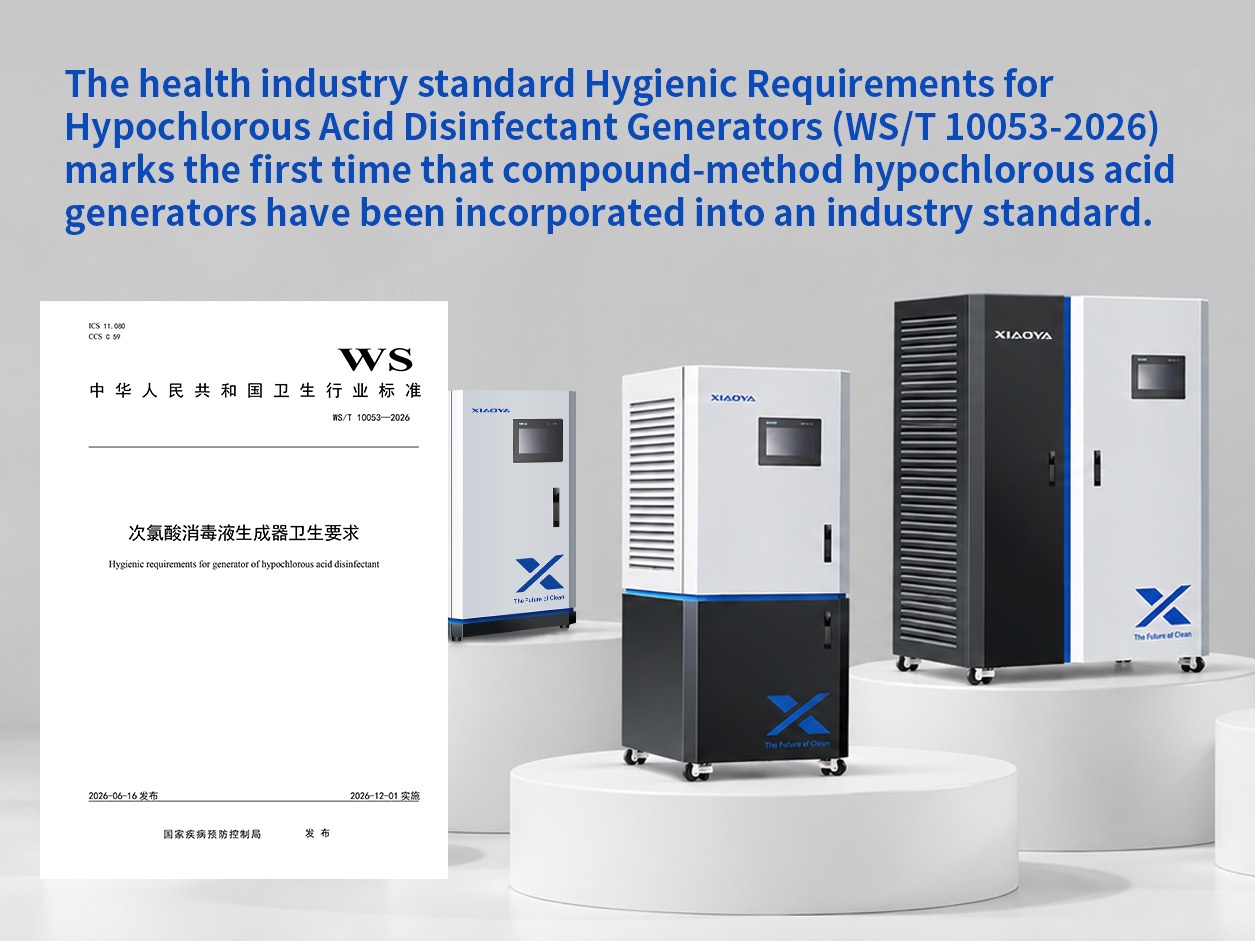
 WS/T 10053-2026 Includes the Compound Method for the First Time: Standard Signals and Market Opportunities for Mass Agricultural Production of Hypochlorous Acid Generators
 Evaluating HClO Generator Lifecycle Costs Beyond the Initial Equipment Price
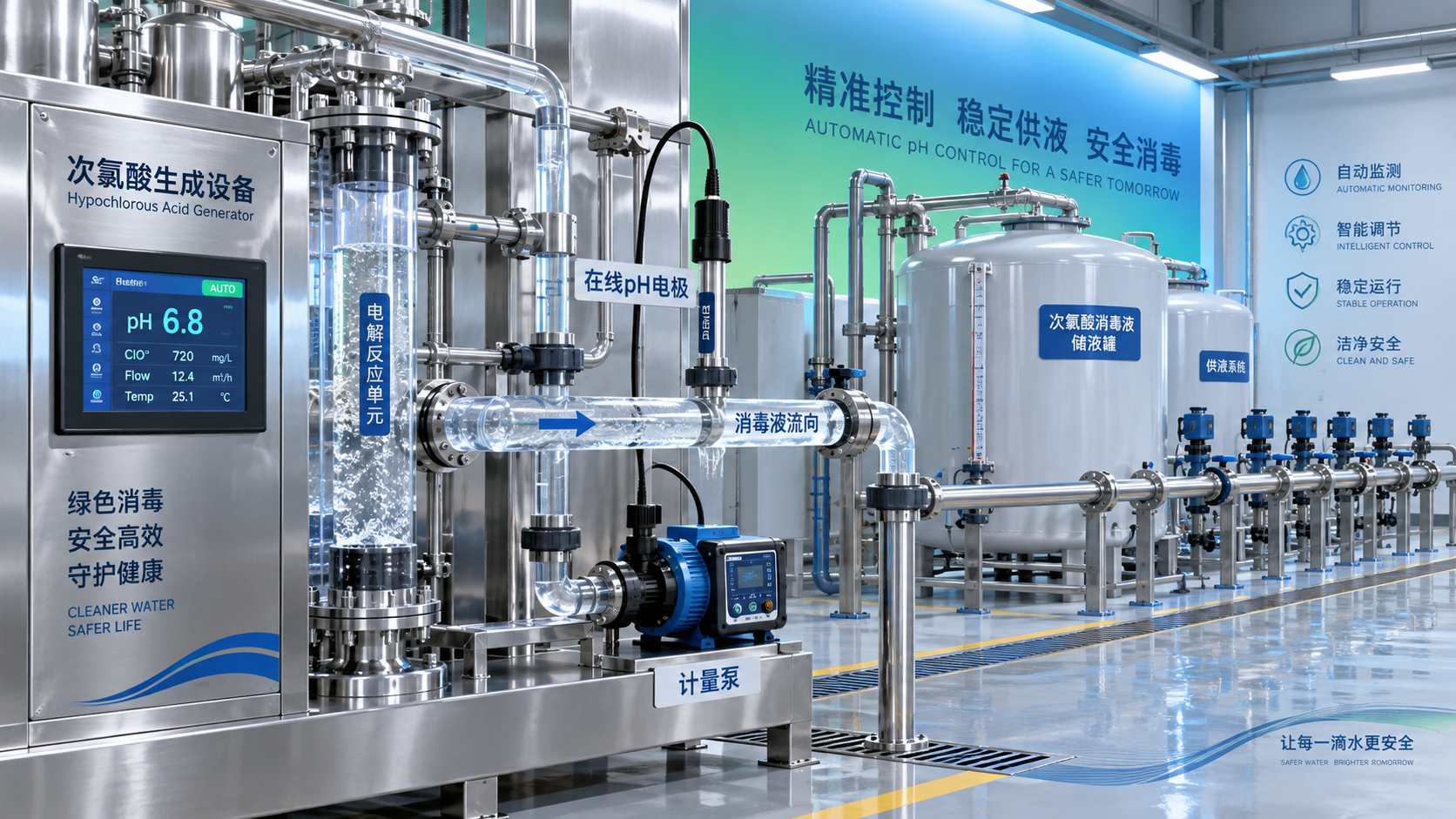
 HClO Generator pH Control: Why It Determines Disinfection Performance
- Which Safety Features Matter Most When Buying an HClO Generator?
 Troubleshooting Low ORP Readings on a Hypochlorous Acid Machine
Leave us a message

Xiaoya Group was founded in 1979,expert in the electrolyzed water industry.
Get in Touch
*We respect your confidentiality and all information are protected.