news
What hclo water treatment solves in automated industrial disinfection
As hygiene rules become stricter, hclo water treatment is moving from niche use into mainstream industrial sanitation.
Its appeal is practical rather than theoretical.
Factories want strong disinfection, lower residue, easier rinsing, and fewer compatibility problems with automated equipment.
That matters in businesses spanning kitchen and bathroom appliances, health-related devices, clean energy equipment, and small household products.
In these environments, contamination risks differ.
Some lines focus on surface hygiene, while others must manage contact areas, enclosed assemblies, storage containers, or sensitive testing spaces.
So hclo water treatment should not be judged only by disinfecting power.
The better question is where it fits, how it is generated, and what operating conditions shape reliable results.
Why the same disinfection method does not fit every production scene
Hypochlorous acid water works by delivering effective oxidation at a controlled concentration and near-neutral pH.
In practice, performance depends on more than chemistry.
Water quality, contact time, organic load, spray coverage, equipment material, and automation rhythm all influence outcome.
A slow, manually cleaned room has different needs from a conveyor-fed assembly line.
A medical-related workshop also differs from a clean energy component area.
One may prioritize certified disinfection and operator safety.
The other may care more about residue control around precision parts and reduced corrosion risk during repeated cycles.
Where hclo water treatment is most often used
Health care and disinfection appliance production
This is one of the clearest use cases for hclo water treatment.
Workshops producing sterilization devices, care equipment, or hygiene appliances often need frequent surface and tool disinfection.
Here, the main judgment point is not only kill rate.
It is whether the solution stays stable, leaves minimal residue, and integrates smoothly into repeatable operating procedures.
Kitchen, bathroom, and small appliance assembly
These lines usually combine plastic, coated metal, tubing, and touch surfaces.
Disinfection may be needed on fixtures, transfer trays, test stations, and semi-finished products.
The concern here is repeated use.
A method that looks effective once may create maintenance issues later if it affects seals, sensors, or spray components.
Clean energy equipment and precision manufacturing areas
These sites often require controlled sanitation without introducing complex by-products.
For battery-related modules, enclosure production, or precise subassemblies, low-residue disinfection becomes more valuable than aggressive chemical smell or high-dose treatment.
In actual use, hclo water treatment is often evaluated together with rinsing needs, drainage design, and downstream inspection standards.
Different scenes change the selection criteria
A simple comparison helps clarify why hclo water treatment must be matched to the operating scene.
This is why decision-making should begin with the process route, not just a concentration number on a datasheet.
What practical system features matter during implementation
For automated environments, on-site generation is often more useful than relying only on transported chemicals.
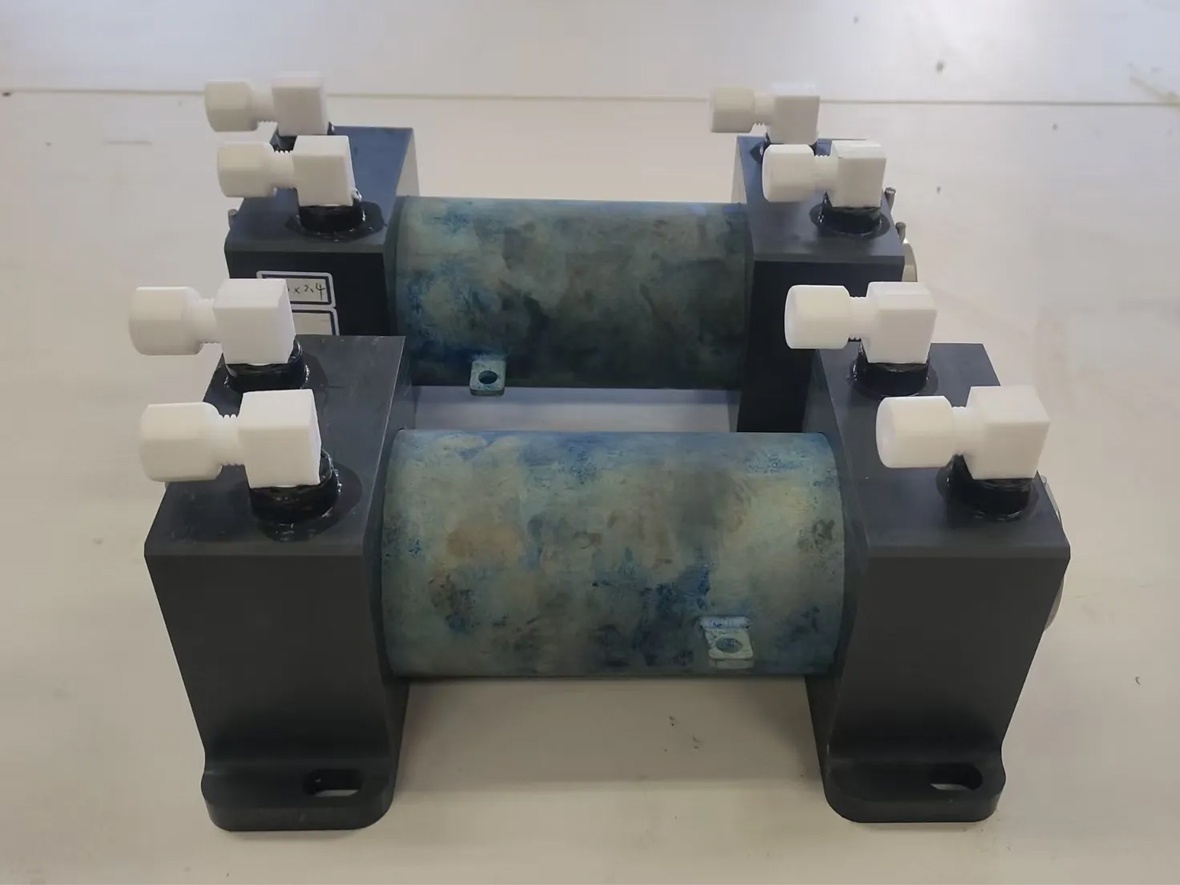
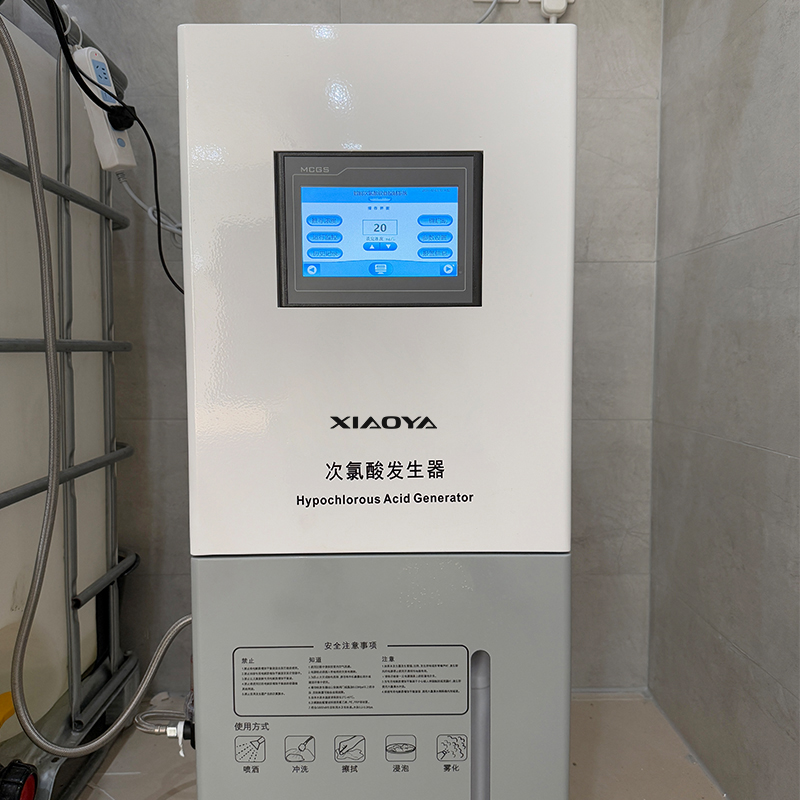
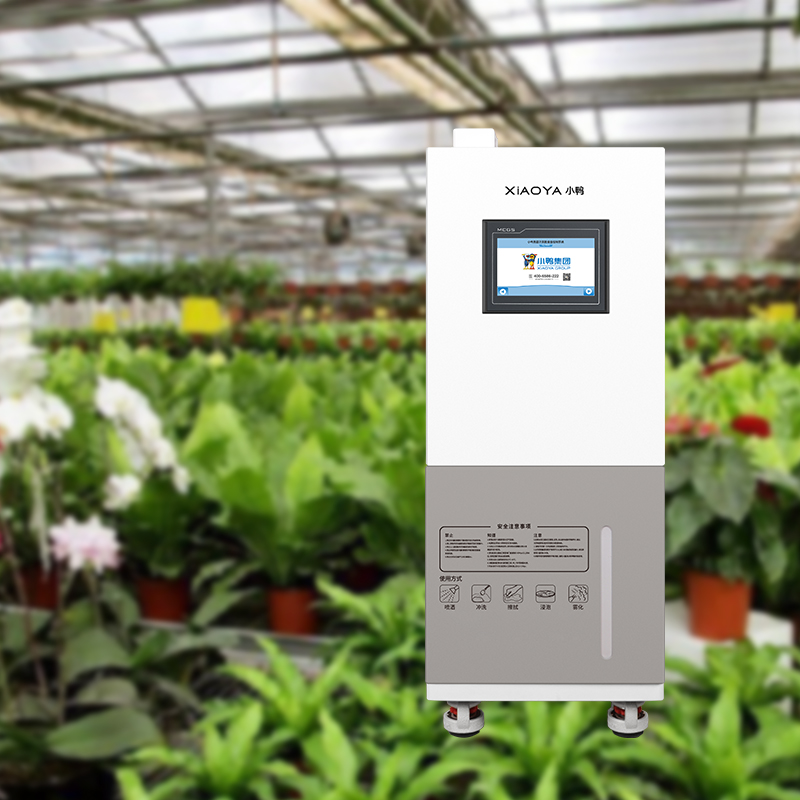
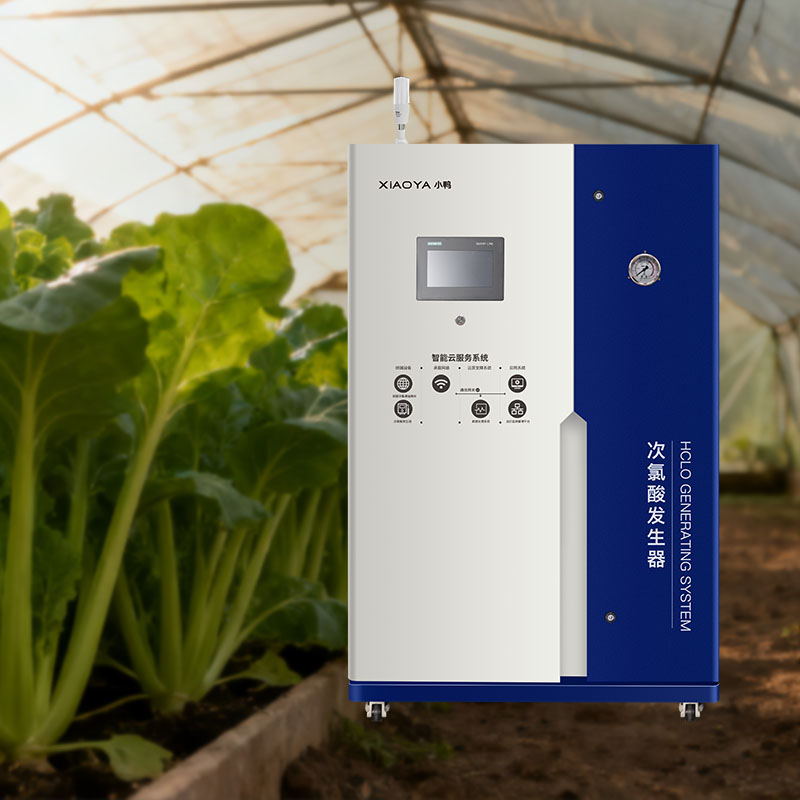
A system such as Hypochlorous acid generator for medical disinfection shows why.
Its AQ-P1000 configuration supports 1000 L/h generation, with customizable available chlorine from 10 to 300 mg/L.
That range is useful when one facility runs different sanitation intensities across separate zones.
A pH value of 6.37 also fits applications that need effective hypochlorous acid water with gentler material interaction.
More importantly, industrial automation depends on control architecture.
PLC control, touch-screen operation, IoT sensors, ORP and pH monitoring, and optional 4G remote access reduce manual uncertainty.
When a disinfection unit becomes part of a larger line, expandability matters as much as disinfection itself.
Mistakes that often lead to poor hclo water treatment results
- Judging only by bactericidal rate, without checking contact conditions and surface cleanliness first.
- Assuming similar workshops need the same concentration and delivery method.
- Ignoring inlet water pressure, water quality, and component life in continuous operation.
- Focusing on purchase price while overlooking monitoring, maintenance, and downtime risk.
- Using disinfection water without linking it to existing automation signals or traceability records.
These issues are common because hclo water treatment is often treated as a simple chemical swap.
In reality, it is a process decision.
How to judge fit before scaling up
A useful approach is to map the sanitation points across the line.
Separate direct-contact surfaces, enclosed spaces, tool cleaning, and environmental spraying.
Then confirm five conditions:
- Required concentration range for each zone
- Expected output and peak-hour demand
- Compatibility with metals, plastics, seals, and sensors
- Need for remote monitoring and parameter logging
- Maintenance interval and component replacement plan
For sites tied to medical disinfection, hospitals, clinics, rehabilitation centers, or examination centers, qualification and operational consistency carry extra weight.
That is where medical-grade tested systems, automatic control, and residue-free output become more than technical extras.
They support safer long-term use and easier standardization.
A grounded way to move forward
hclo water treatment is valuable because it fits many industrial disinfection tasks without forcing the same solution onto every process.
Its real advantage appears when concentration control, automation, residue expectations, and maintenance needs are evaluated together.
Before implementation, it is worth defining the exact sanitation scene, checking operating limits, and comparing how each area will use generated water.
That usually leads to better equipment matching, steadier compliance, and fewer surprises after installation.
NEWS
 Upgrade in Healthy Living: Hypochlorous Acid Generators Become the New Standard for Luxury Villas
- The Ultimate Solution to Pet Shop Disinfection Challenges! XIAOYA Hypochlorous Acid Generator: Safe Pet Protection with Peace of Mind
 Hypochlorous Acid Generator vs Sodium Hypochlorite Generator
- Hypochlorous Acid Generator Supplier
- Hypochlorous Acid Generator Manufacturer
Leave us a message

Xiaoya Group was founded in 1979,expert in the electrolyzed water industry.
Get in Touch
*We respect your confidentiality and all information are protected.