news
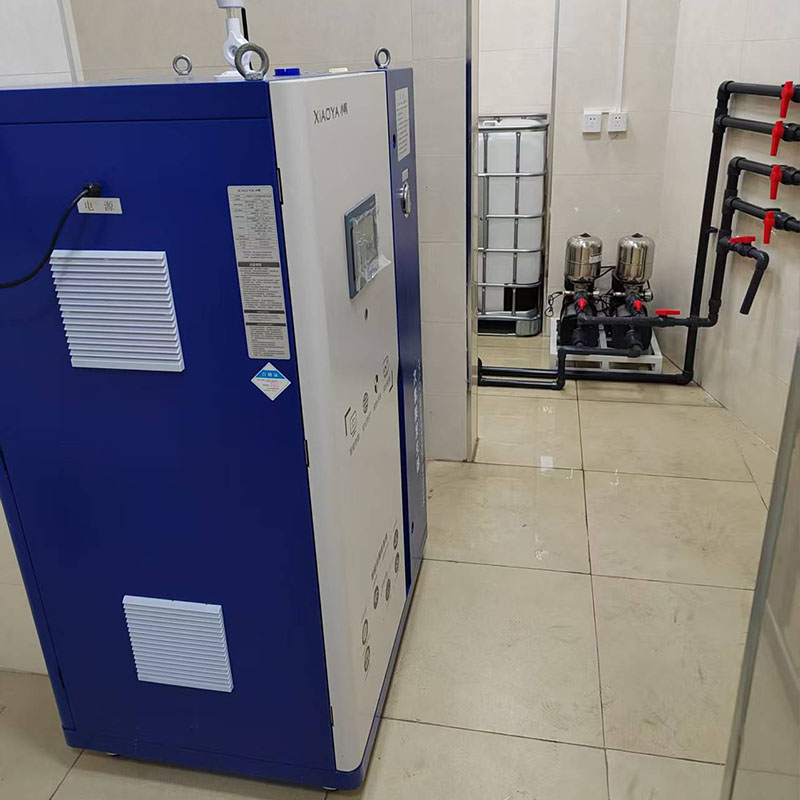
Public Hypochlorous Acid Generator Maintenance to Prevent Output Instability
Consistent disinfectant output depends on disciplined equipment care. For operators of a Public Hypochlorous Acid Generator, routine maintenance prevents concentration fluctuations, unexpected downtime, and hygiene risks in shared environments.
The most important operational question is simple: does the generator still produce solution at the required concentration, pH range, and volume for each disinfection task?
Stable output is not achieved by checking the display alone. Operators must verify water quality, electrolyte supply, electrolyzer condition, sensors, plumbing, and storage practices as one connected system.
Start With the Measurements That Define Stable Output
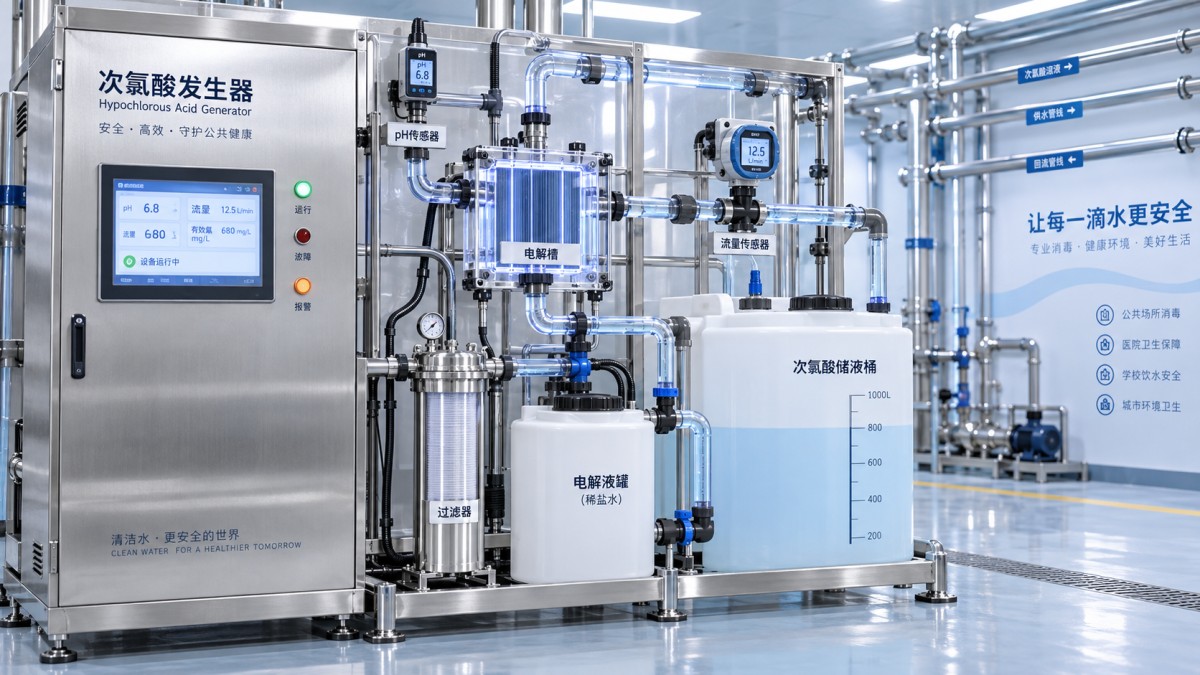
A Public Hypochlorous Acid Generator should be assessed using measurable indicators rather than appearance, odor, or assumptions about how long the equipment has been running.
The primary checks are available chlorine concentration, pH value, production volume, solution temperature, and operating alarms. Record these values at consistent intervals for meaningful comparison.
For most public disinfection applications, concentration stability matters more than peak production. A short period of high concentration cannot compensate for repeated low-output cycles during normal operation.
Use calibrated test strips, a suitable chlorine meter, or approved titration methods to verify available chlorine. Follow the test method instructions because sampling errors can produce misleading results.
Measure pH at the same time as concentration. Hypochlorous acid performance depends strongly on pH, and a concentration reading alone does not confirm the active disinfecting balance.
Compare measured values with the configured application target, not merely the machine's maximum capability. Floor cleaning, surface disinfection, deodorization, and spraying may require different concentration settings.
When readings drift, note the date, operator, batch size, source-water condition, electrolyte lot, and alarm status. This record helps separate an isolated event from an equipment trend.
Inspect Water Supply and Electrolyte Before Adjusting Equipment Settings
Water and electrolyte quality are common causes of unstable hypochlorous acid output. Operators should check them before changing PLC parameters or assuming that the electrolyzer has failed.
Confirm that the water inlet pressure is stable and that filters are not blocked. Reduced flow can alter electrolysis conditions and cause low production volume or uneven concentration.
Inspect prefilters on the scheduled replacement interval, but replace them sooner when sediment, discoloration, or pressure loss is visible. A dirty filter affects both output and component life.
Use the electrolyte type and concentration specified by the equipment supplier. Substituting unapproved salt, mixing ratios, or storage containers can introduce impurities and reduce generation consistency.
Check the electrolyte tank for sediment, crystallization, contamination, leaks, and low liquid level. Clean the tank only with compatible methods that do not leave detergent or chemical residues.
Verify that suction tubing is fully immersed, undamaged, and free from air bubbles. Air entering the dosing line can make electrolyte delivery intermittent, even when the tank appears full.
In hard-water areas, review scale-control requirements with the manufacturer. Mineral accumulation can reduce flow, interfere with sensors, and shorten electrolyzer service life if it remains untreated.
Clean the Electrolyzer and Flow Path on a Controlled Schedule
The electrolyzer is the core production component, so its condition has a direct effect on concentration stability. Scale and deposits should be addressed before output visibly collapses.
Follow the manufacturer-approved cleaning procedure, concentration, contact time, and rinse sequence. Using stronger acids, abrasive tools, or improvised chemicals can damage electrodes and seals.
Before cleaning, isolate power and water supplies according to the operating manual. Operators should also wear the specified protective equipment when handling cleaning solutions or residual disinfectant.
Inspect inlet and outlet connections for residue, restricted flow, loose fittings, and signs of leakage. Small leaks may introduce air or reduce pressure enough to affect production accuracy.
Do not treat cleaning as a response only to alarms. Establish a preventive frequency based on water hardness, daily operating hours, production demand, and historical concentration records.
After cleaning, run the required flushing cycle before collecting a test sample. Testing too early can measure diluted rinse water rather than normal generated hypochlorous acid solution.
Record the result after each cleaning cycle. If output improves temporarily but declines quickly, investigate source-water quality, filtration performance, and electrode aging rather than repeating cleaning indefinitely.
Verify Sensors, Pumps, and PLC Controls During Routine Checks
Automated equipment can appear normal while a sensor, dosing pump, or control signal is slowly drifting. Routine functional checks are essential for preventing hidden concentration instability.
Inspect pH, conductivity, flow, liquid-level, and temperature sensors according to their calibration schedule. Clean sensor surfaces carefully because deposits can cause delayed or inaccurate readings.
Confirm that dosing pumps operate smoothly without unusual vibration, noise, pulsation, or leaks. A worn pump tube or blocked check valve can create irregular electrolyte delivery.
Review PLC touch-screen data for recurring warnings, extended production cycles, abnormal water consumption, and concentration deviations. Exported data can reveal trends that daily observation misses.
Do not clear repeated alarms without identifying their cause. An alarm that disappears after restarting may still indicate a developing problem with flow, power quality, or chemical dosing.
Check electrical connections and grounding during scheduled service. Loose connections, moisture exposure, and voltage instability can affect pumps, sensors, and control accuracy in public-use facilities.
For systems with remote monitoring, assign responsibility for reviewing alerts. A notification has limited value if no operator is accountable for responding and documenting the corrective action.
Handle Generated Solution Correctly After Production
Stable generation does not guarantee stable use concentration. Hypochlorous acid can lose effectiveness when it is stored incorrectly, exposed to contamination, or kept beyond its validated holding period.
Use clean, compatible storage tanks and transfer lines. Residues from detergents, metal contaminants, or previous chemicals can reduce solution quality and create avoidable safety concerns.
Keep storage containers protected from direct sunlight and unnecessary heat. Light and elevated temperature can accelerate active chlorine loss, especially when solution remains unused for extended periods.
Label each batch with production date, target concentration, tested concentration, pH result, and intended application. Clear labeling prevents operators from using a batch for the wrong disinfection task.
Test solution at the point of use when it has been stored, transferred, or diluted. The concentration leaving the generator may not match the concentration reaching the spray nozzle.
Avoid mixing hypochlorous acid solution with cleaners, acids, alkalis, or other disinfectants unless a qualified supplier provides explicit compatibility guidance for the exact application.
Build a Maintenance Routine That Operators Can Actually Follow
The best maintenance plan is specific enough for daily use and simple enough that operators can complete it during normal shifts without skipping critical checks.
Daily tasks should include checking water supply, electrolyte level, leakage, display status, visible tubing condition, and a representative concentration test for active production batches.
Weekly tasks can include filter inspection, exterior cleaning, alarm-log review, pump observation, and verification that storage containers, labels, and spray equipment remain clean and compatible.
Monthly tasks should include sensor review, connection inspection, controlled flow-path maintenance, and comparison of current output data against previous records and expected production performance.
Define clear escalation triggers. Examples include concentration outside the approved range, repeated alarms, reduced production volume, unusual pump noise, persistent pH drift, or visible scaling.
Operators should know which issues they can correct, such as replacing a filter or replenishing approved electrolyte, and which require trained technical service or manufacturer support.
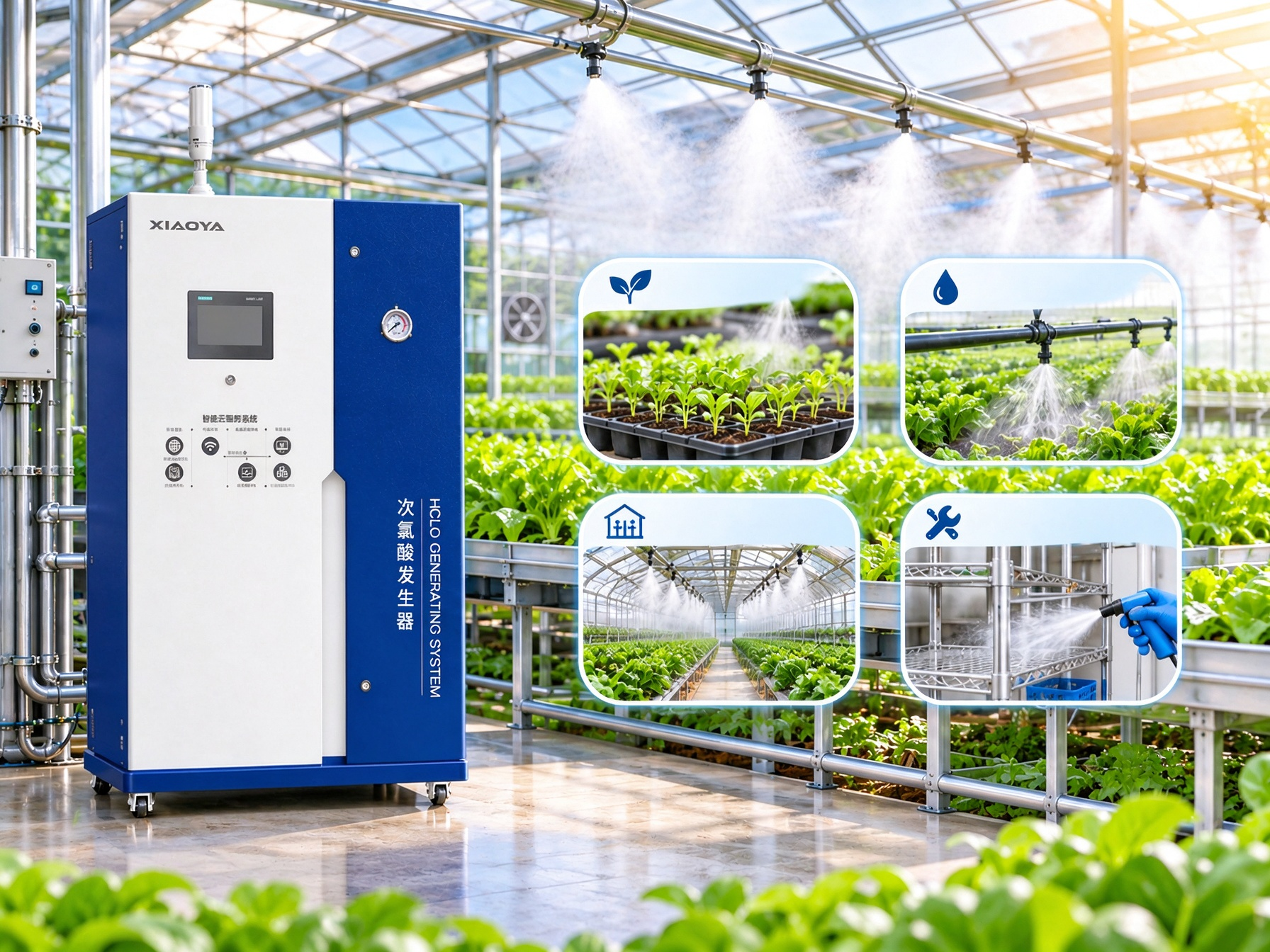
For demanding animal-care environments, the Hypochlorous Acid Full-Scenario Disinfection System for Horse Farms provides PLC touch-screen control, data export, customizable 10-120 ppm concentration, and stable concentration control within plus or minus 10 ppm.
Its AQ-P300 configuration produces 180-300 liters per hour and uses an electrolyzer rated for at least 5,000 operating hours, making documented preventive maintenance especially valuable.
Use Output Trends to Plan Service Before Downtime Occurs
Maintenance records should support decisions, not become paperwork. Trend concentration, pH, output volume, cleaning dates, filter changes, and alarms to identify gradual performance decline.
A stable generator normally produces repeatable readings under comparable operating conditions. Increasing variation between batches is often an earlier warning than a complete production failure.
Schedule professional service when cleaning, filter replacement, and approved calibration no longer restore normal results. Continued operation with unstable output can undermine hygiene procedures and increase operating cost.
Public facilities should maintain backup disinfection arrangements for planned servicing and unexpected outages. Continuity planning is particularly important where shared surfaces, equipment, or high-contact areas require frequent treatment.
Consistent performance comes from disciplined measurement, clean inputs, protected components, and timely corrective action. A Public Hypochlorous Acid Generator remains reliable when maintenance focuses on verified output, not assumptions.
NEWS
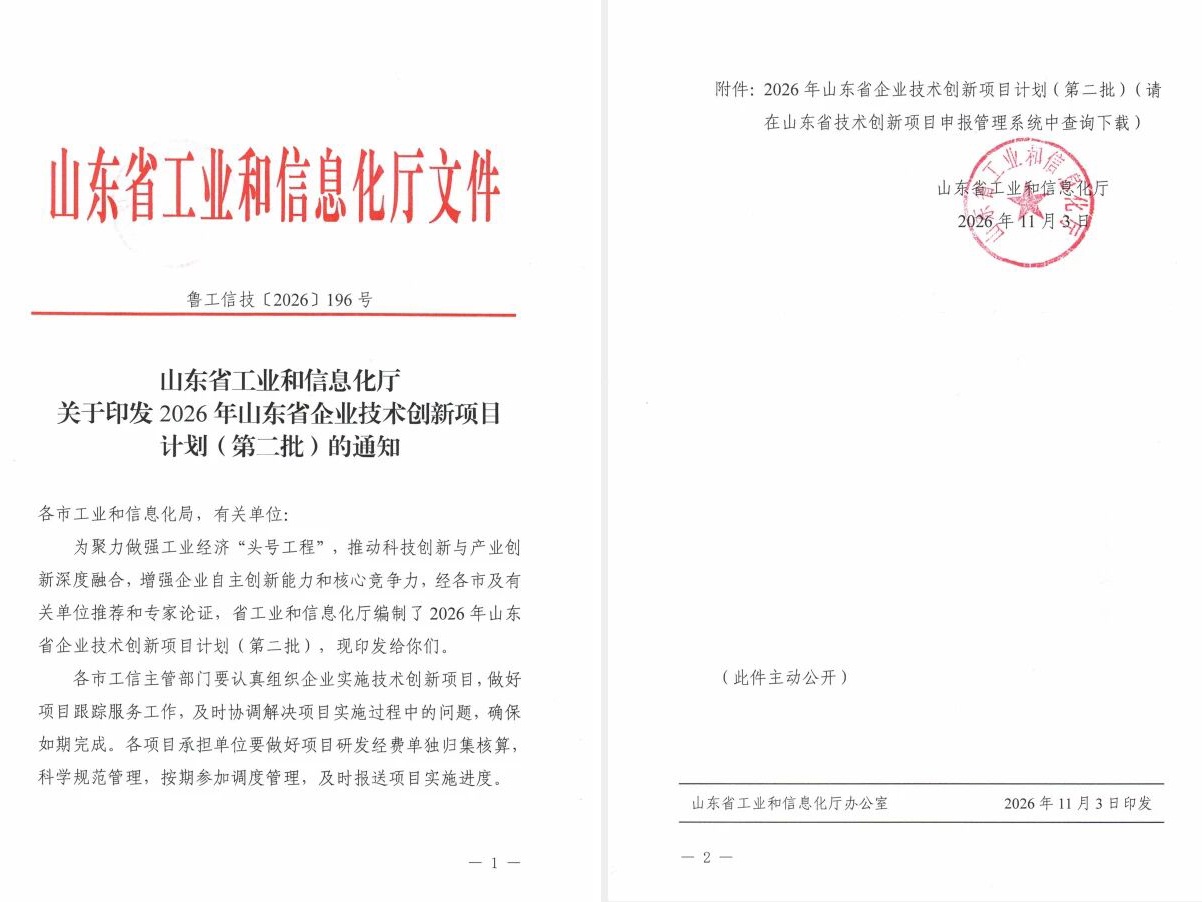
 Industry-Academia Collaboration Drives Breakthrough: Xiaoya Small Appliances’ "Smart Adaptive Hypochlorous Acid Electrolysis Module" Approved Under Shandong Provincial Enterprise Technology Innovation Program
- Struggling with Strict Pesticide Residue Limits on Export Farms? This On-Site Disinfection Solution Helps Safeguard Your Quality Standards
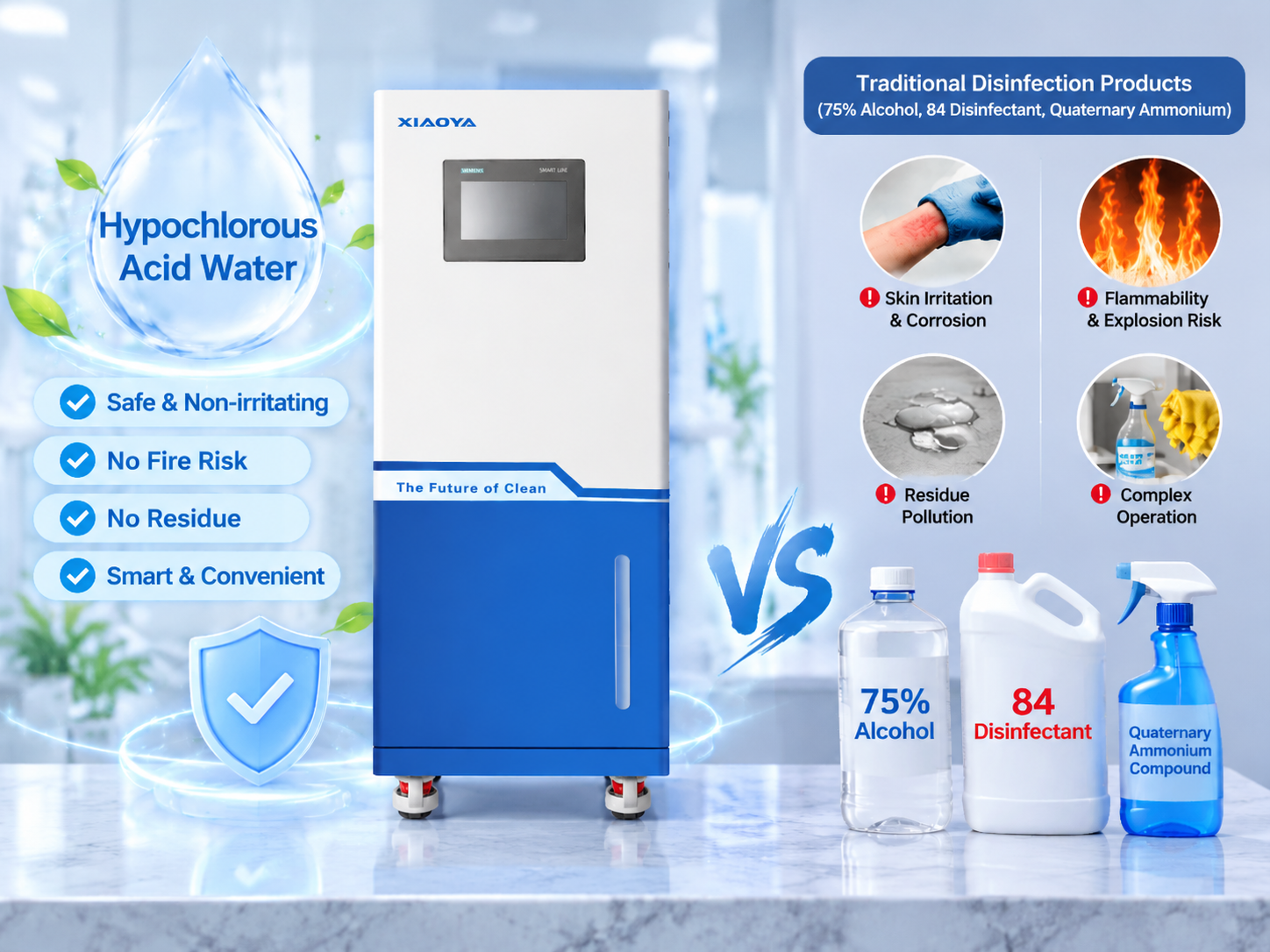
- Hypochlorous Acid Water vs. Traditional Disinfectants
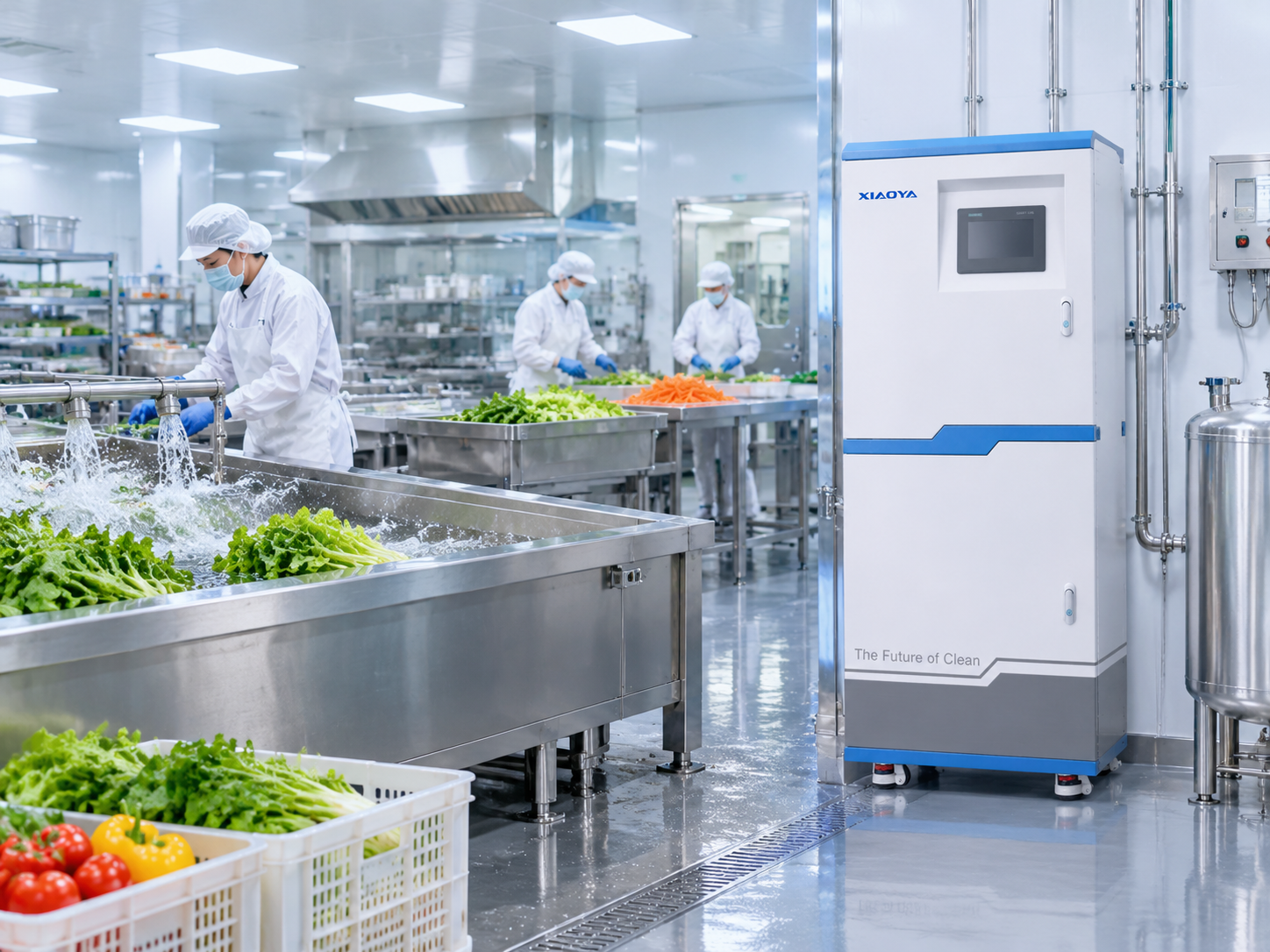
- Tighter Standards Force Disinfection Upgrades: Edible-Salt Hypochlorous Acid Generators Become the "New Standard" in Fresh-Cut Produce Processing
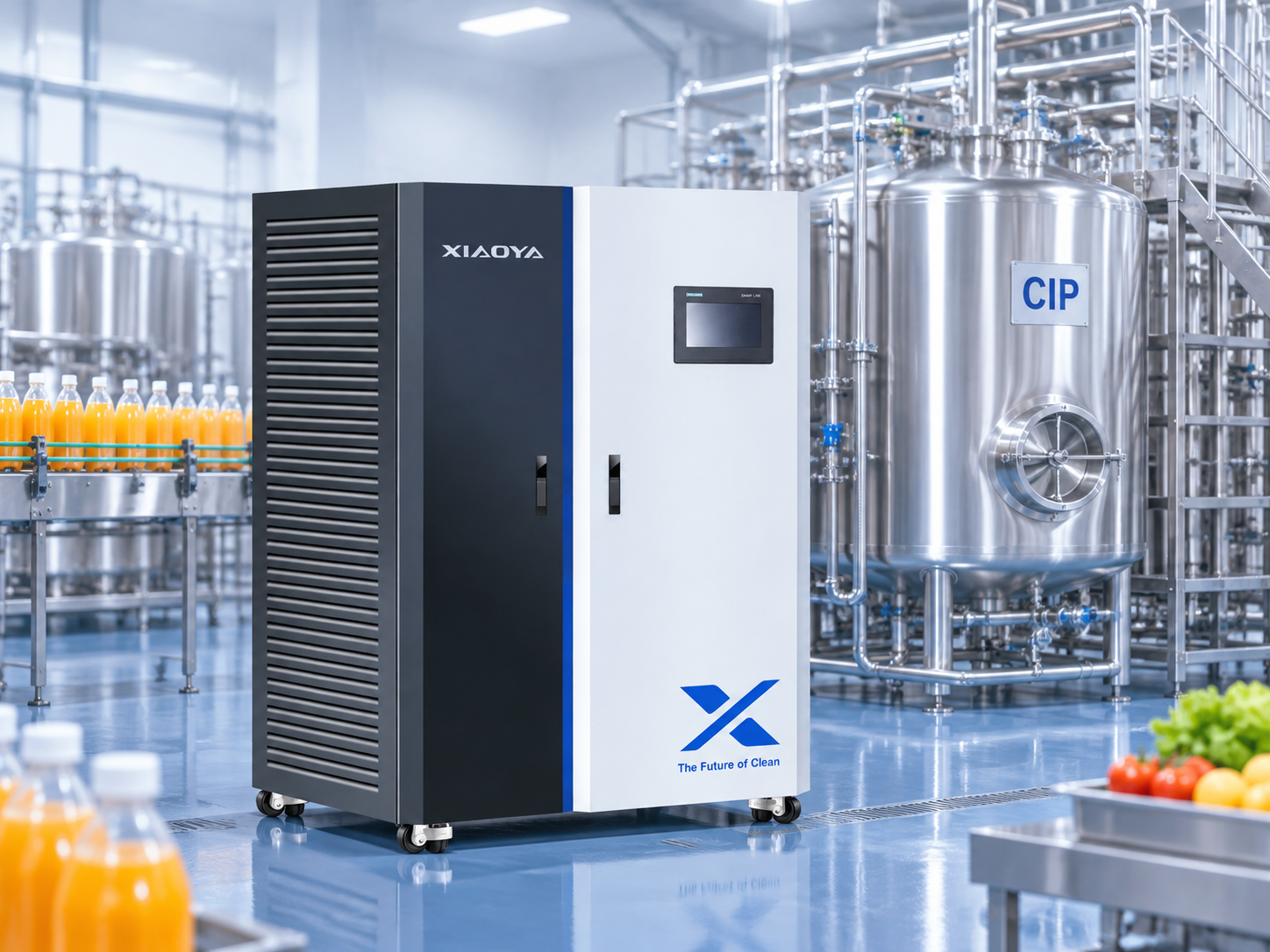
- XIAOYA CIP Electrolyzed Water Generators: On-Site Generation for Food & Beverage CIP Cleaning and Disinfection
Leave us a message

Xiaoya Group was founded in 1979,expert in the electrolyzed water industry.
Get in Touch
*We respect your confidentiality and all information are protected.