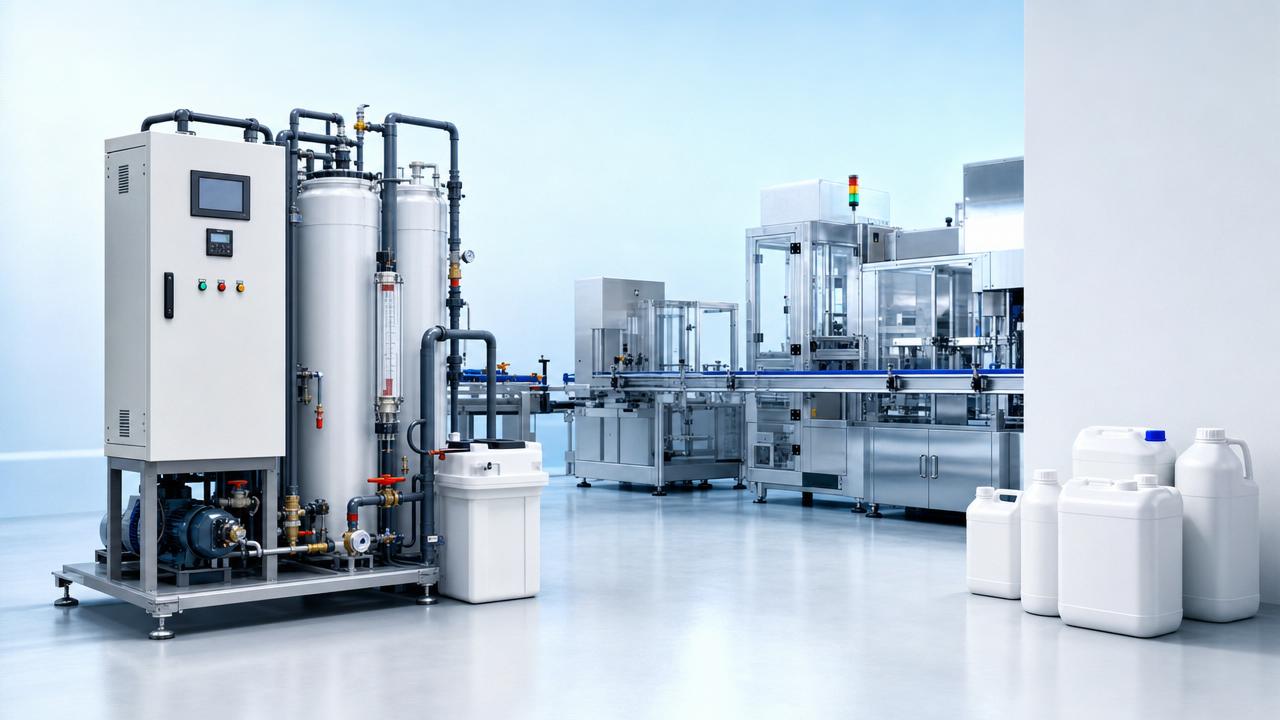
As disinfection standards rise in automated production, the cost-effectiveness of on-site hypochlorous acid (HClO) generators compared to traditional bleach is gaining attention.
In appliance and automation equipment operations, the choice affects safety, logistics, maintenance, and long-term operating cost.
A clear view of the cost-effectiveness of on-site hypochlorous acid (HClO) generators compared to traditional bleach supports better capital planning and process control.
Basic Overview of HClO Generation and Bleach Use
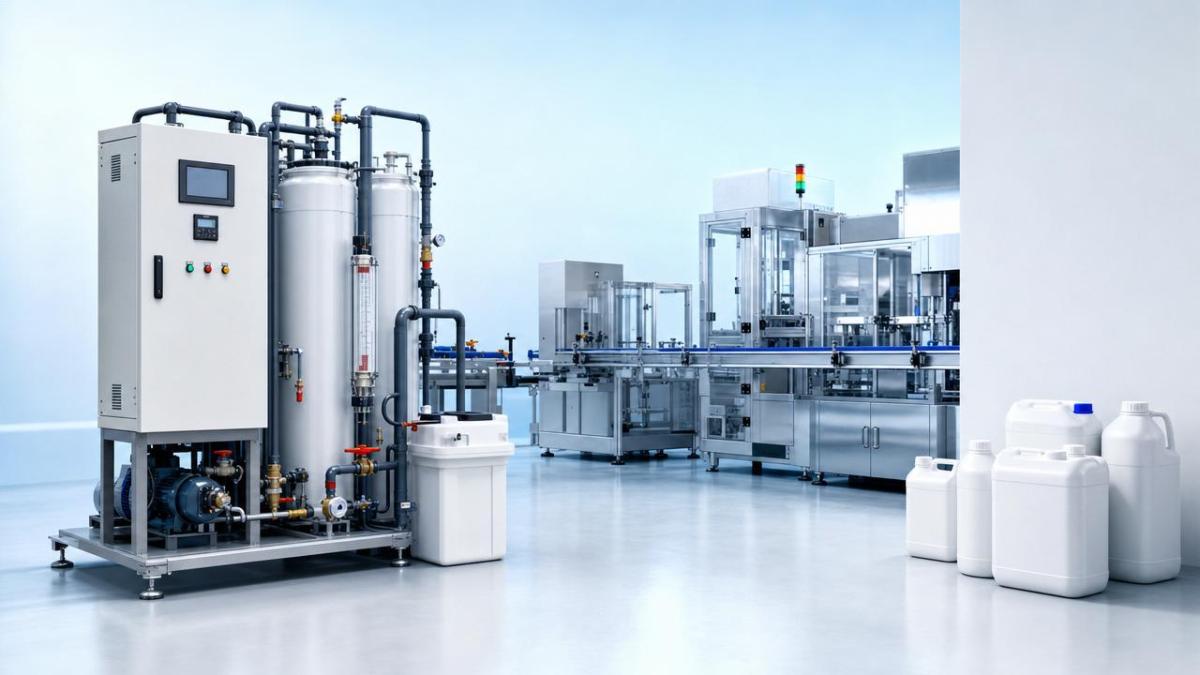
Traditional bleach usually refers to sodium hypochlorite purchased, transported, stored, and diluted before use.
On-site HClO generators produce disinfectant from water, salt, and electricity near the point of application.
This difference changes the full cost structure. It also changes handling risk, freshness, dosing consistency, and storage requirements.
For automated facilities, stable concentration and easier integration with process controls are often as important as unit chemical price.
Industry Drivers Behind the Shift
Automation equipment environments now prioritize measurable hygiene, worker safety, and lean material flow.
- Reduced hazardous chemical storage on site
- Lower transportation and replenishment frequency
- Better compatibility with automated dosing systems
- Improved traceability for sanitation workflows
- Less product degradation during storage
These factors explain why the cost-effectiveness of on-site hypochlorous acid (HClO) generators compared to traditional bleach is no longer judged by chemical price alone.
Where Cost-Effectiveness Becomes Visible
A direct purchase comparison may favor bleach at first. However, total cost often tells a different story.
In many facilities, labor, compliance, and waste reduction create the strongest return.
Utility efficiency also matters across the plant. Supporting systems with compact footprints can strengthen overall operating economics.
For example, Thermal Engine solutions support efficient steam use with intelligent monitoring, low NOX emissions, and reduced maintenance burden.
Typical Applications in Automated Equipment Operations
- Surface disinfection in appliance assembly areas
- Cleaning support for healthcare and sanitation appliance production
- Packaging line hygiene control
- Tool and fixture sanitation in small appliance manufacturing
- Process-area odor and microbial management
These use cases show the practical value of the cost-effectiveness of on-site hypochlorous acid (HClO) generators compared to traditional bleach in daily operations.
Implementation Considerations
Before adoption, review water quality, target concentration, dosing points, and control system compatibility.
It is also useful to compare capital expense against yearly bleach purchasing, storage space, disposal, and labor hours.
- Map current bleach-related costs beyond procurement
- Estimate daily HClO demand by line and shift
- Check safety, ventilation, and automation interfaces
- Pilot in one sanitation zone before full rollout
Facilities already investing in efficient thermal systems, including Thermal Engine models with 2㎡ footprints and high thermal efficiency, often benefit from the same total-cost mindset.
Next-Step Evaluation
The cost-effectiveness of on-site hypochlorous acid (HClO) generators compared to traditional bleach should be assessed through total operational impact.
A practical next step is to run a site audit covering chemical flow, sanitation frequency, energy use, and automation integration opportunities.
With that data, it becomes easier to identify whether on-site generation can deliver safer disinfection and stronger long-term value.
NEWS
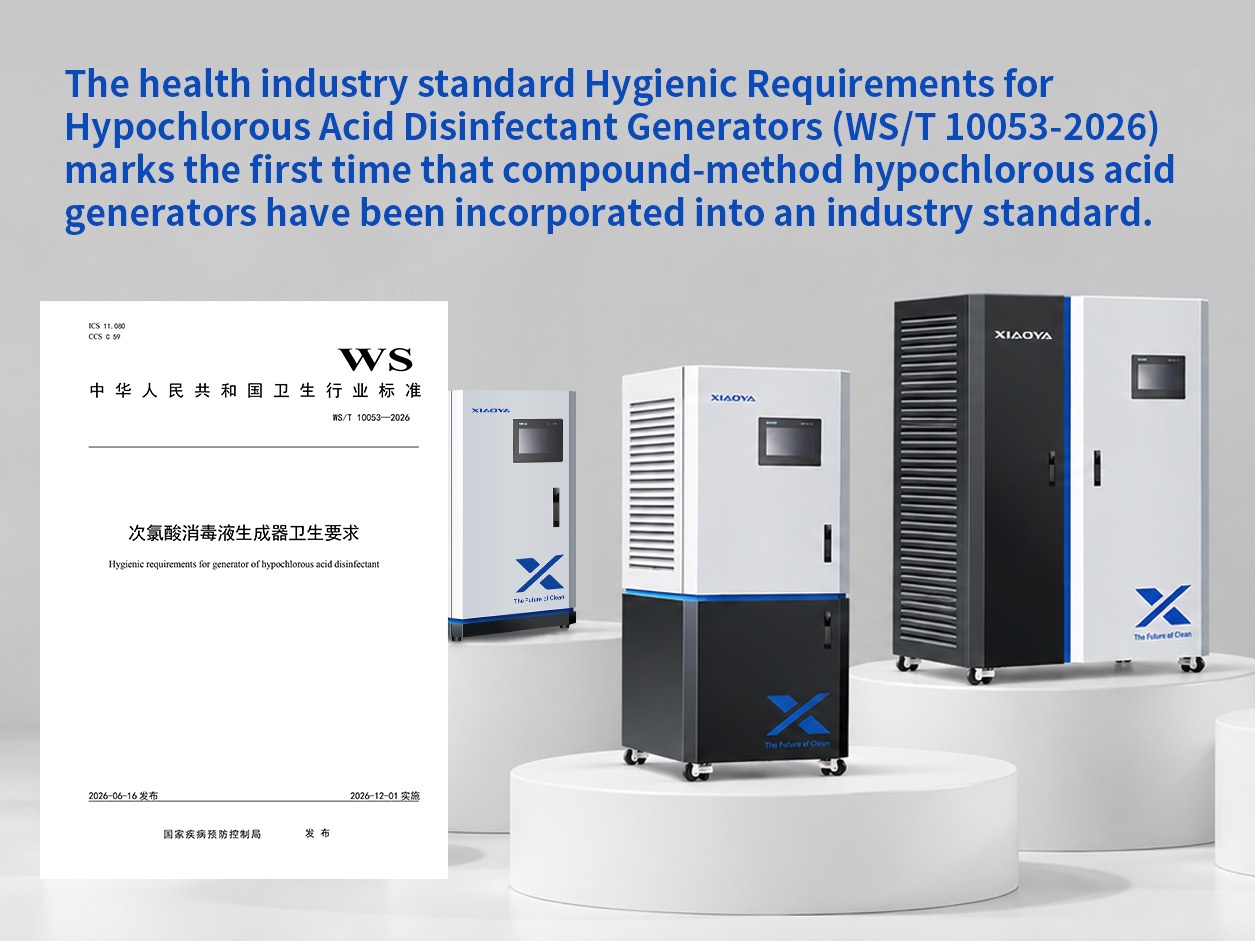
 WS/T 10053-2026 Includes the Compound Method for the First Time: Standard Signals and Market Opportunities for Mass Agricultural Production of Hypochlorous Acid Generators
 Evaluating HClO Generator Lifecycle Costs Beyond the Initial Equipment Price
 HClO Generator pH Control: Why It Determines Disinfection Performance
- Which Safety Features Matter Most When Buying an HClO Generator?
 Troubleshooting Low ORP Readings on a Hypochlorous Acid Machine
Leave us a message

Xiaoya Group was founded in 1979,expert in the electrolyzed water industry.
Get in Touch
*We respect your confidentiality and all information are protected.