news
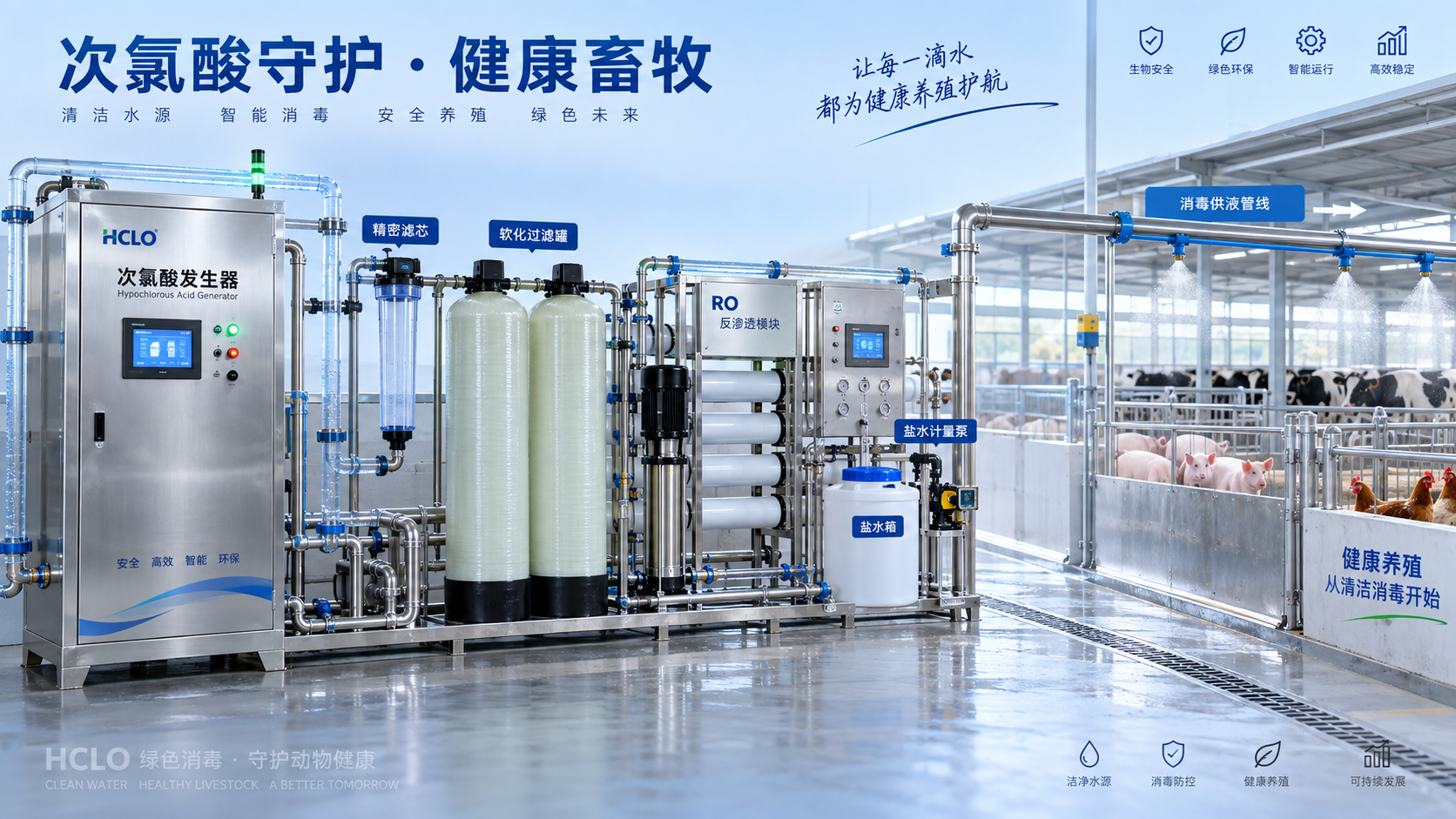
When a livestock disinfection system starts producing solution with an unstable chlorine reading, a drifting pH, or reduced flow, the cause is often upstream of the generator. Water that appears clear can still carry hardness minerals, iron, organic matter, or disinfectant residues that interfere with electrolysis. For a Livestock Hypochlorous Acid Generator, the practical requirement is simple: use clean, consistently treated feed water with low mineral and contaminant loading, then verify the generated solution at the point of use.
There is no single water specification that fits every generator, because membrane design, electrode material, target concentration, and salt-dosing method differ. The safest operating approach is to follow the equipment supplier’s feed-water limits, use purified or properly pretreated water where raw water is variable, and monitor both incoming water and finished hypochlorous acid solution. This protects disinfection performance while reducing scale and avoidable maintenance.
Why livestock water sources create a different operating challenge
Animal housing sites may be supplied by municipal water, boreholes, storage tanks, or mixed sources. Each can change over time. A borehole may have high hardness or iron; stored water can accumulate sediment; municipal water may contain residual chlorine or experience seasonal shifts in conductivity. These changes may not affect ordinary washdown water noticeably, but electrolysis is sensitive to them.
Hypochlorous acid generation relies on a controlled relationship between water quality, salt input, electrical current, pH, and flow. When the feed water contains uncontrolled dissolved material, the machine must work around an unknown chemical load. The resulting solution may still show a measurable chlorine level, yet have a different pH, less available HOCl, or poorer stability than intended.
In livestock environments, this matters because generated solution is commonly prepared close to the time of use for surface treatment, equipment sanitation, entry-point hygiene, or odor-control routines. Inconsistent output can complicate dilution settings and make routine hygiene procedures harder to standardize.
The water characteristics worth checking first
Operators do not need a complete laboratory analysis before every batch. They do need a baseline water assessment before installation, followed by checks whenever the source, season, or equipment behavior changes. The following parameters usually have the greatest effect on generation quality and equipment condition.
Hardness is usually the first equipment-life issue
Hard water does not necessarily prevent hypochlorous acid generation on day one. The problem is cumulative. Calcium and magnesium can precipitate as conditions change inside the system, particularly around areas exposed to electrical current, concentration gradients, and temperature variation. A light mineral film may gradually become scale, restricting flow and reducing electrolysis efficiency.
Symptoms are often indirect: longer run times, a concentration that becomes harder to reach, more frequent alarms, or recurring pressure and flow irregularities. Do not assume that adding more salt will correct this. Extra salt can alter conductivity, but it will not remove mineral deposits and may create a different control problem.
Iron, manganese, and sediment should not be ignored because the water looks usable
Iron and manganese can be present in clear well water and may oxidize after exposure to air or disinfectant. Once they form particles or deposits, they can foul strainers, filters, tubing, and sensitive internal surfaces. Sediment from storage tanks or aging pipework can create a similar problem. A basic prefilter protects the generator, but it must be changed or cleaned before the pressure drop becomes significant.
Where source water is drawn from a tank, inspect the tank condition as part of the generator routine. A clean machine supplied by a poorly maintained tank will continue to receive particulate and microbial loading.
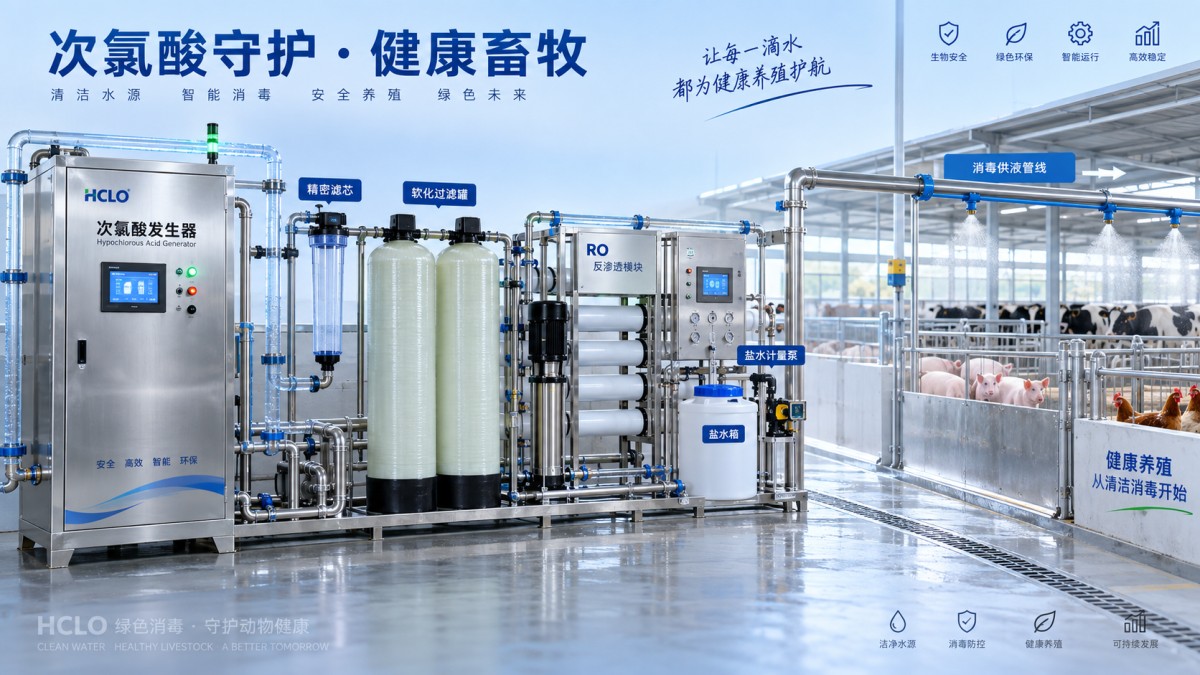
Purified water is about process control, not only cleanliness
Purified water, often produced through reverse osmosis or another treatment process selected for the source-water analysis, gives the operator a more stable starting point. It reduces the unknown mineral burden so that salt dosing and electrical settings have a more predictable effect. It also lowers the risk of deposits on internal components.
This does not mean every site must use the same treatment train. Moderately mineralized municipal water may need only filtration and targeted conditioning, while a hard or iron-rich borehole source may need more extensive pretreatment. The important point is to avoid treating water quality as a one-time installation issue. A change in source water can require a change in pretreatment or maintenance frequency.
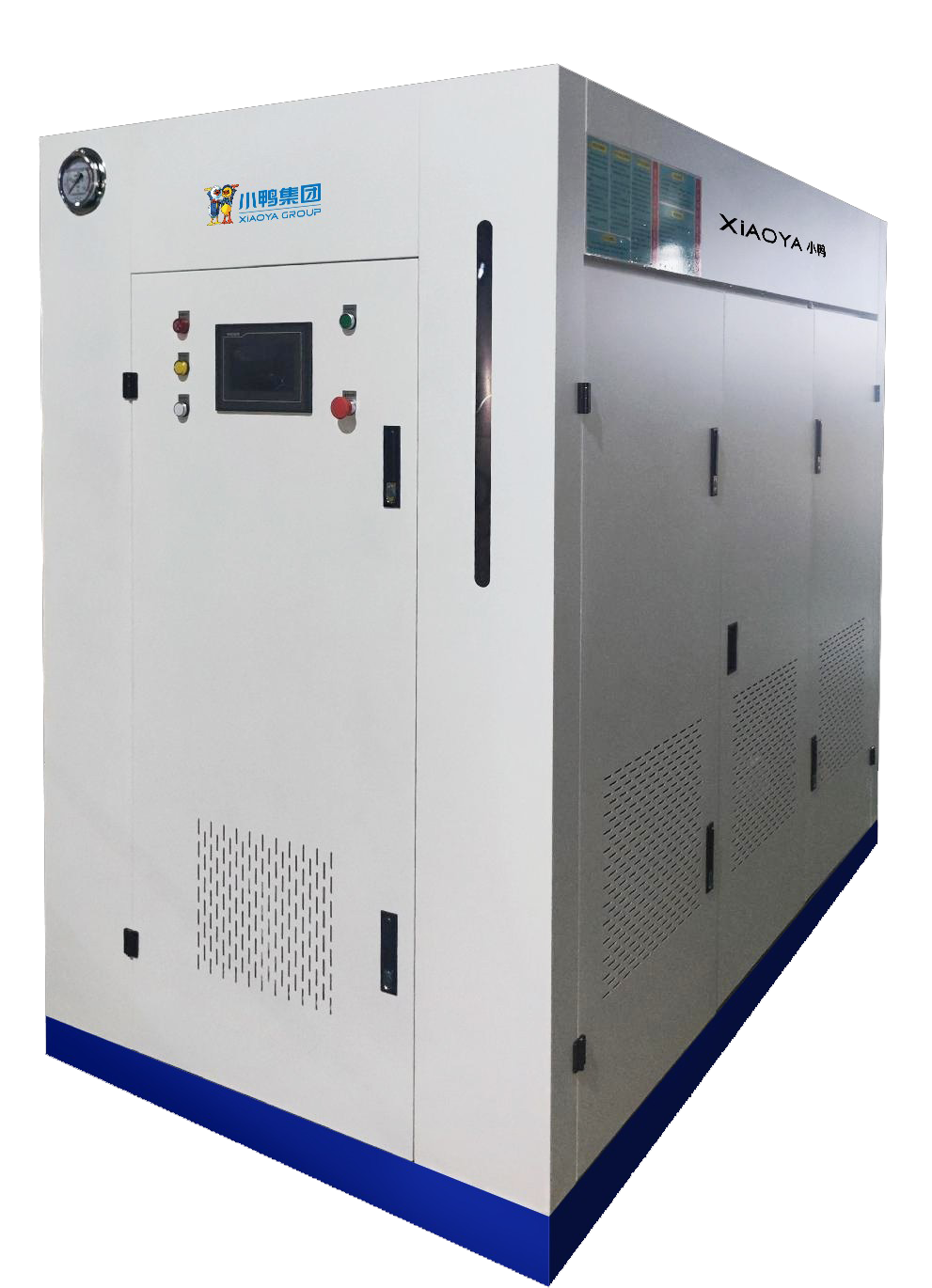
Systems designed to use salt and purified water can make this control easier. For example, the Food Hypochlorous AcidGenerator / table salt (NaCl) is configured to produce solution on site from purified water and food-grade salt, with adjustable effective chlorine concentration and pH control. Although its listed applications include food processing environments, the operating principle is relevant when assessing automated generation: feed-water consistency supports more reliable concentration control and cleaner internal operation.
Separate feed-water testing from finished-solution verification
A frequent operating mistake is to test only the generated solution. Finished-solution testing is essential, but it cannot identify whether a problem began with hardness, a blocked prefilter, inconsistent incoming conductivity, an incorrect salt dose, or an internal maintenance issue. Feed-water checks and output checks answer different questions.
- Feed-water checks help identify changing source conditions. Track visible sediment, filter condition, hardness where relevant, pH, conductivity or TDS, and known source-water treatment status.
- Finished-solution checks confirm whether the generator is producing the intended concentration and pH for the planned hygiene procedure.
- Use-point checks matter when solution is diluted, stored briefly, or delivered through a line. The concentration at the nozzle or application container may differ from the value measured at the generator outlet.
Record results in a simple operating log with the water source, date, target setting, concentration reading, pH reading, filter service, and any cleaning performed. A log is especially useful when an operator notices a gradual change rather than a complete system failure. It helps distinguish a water-quality trend from a setup or mechanical issue.
A practical response when output becomes inconsistent
Start with the water path before changing machine settings. Check whether the feed source has changed, whether treatment equipment is in service, and whether filters show discoloration or pressure loss. Inspect for visible scale around accessible fittings and confirm that the correct grade and amount of salt are being used. Only then compare the actual output concentration and pH with the intended operating setting.
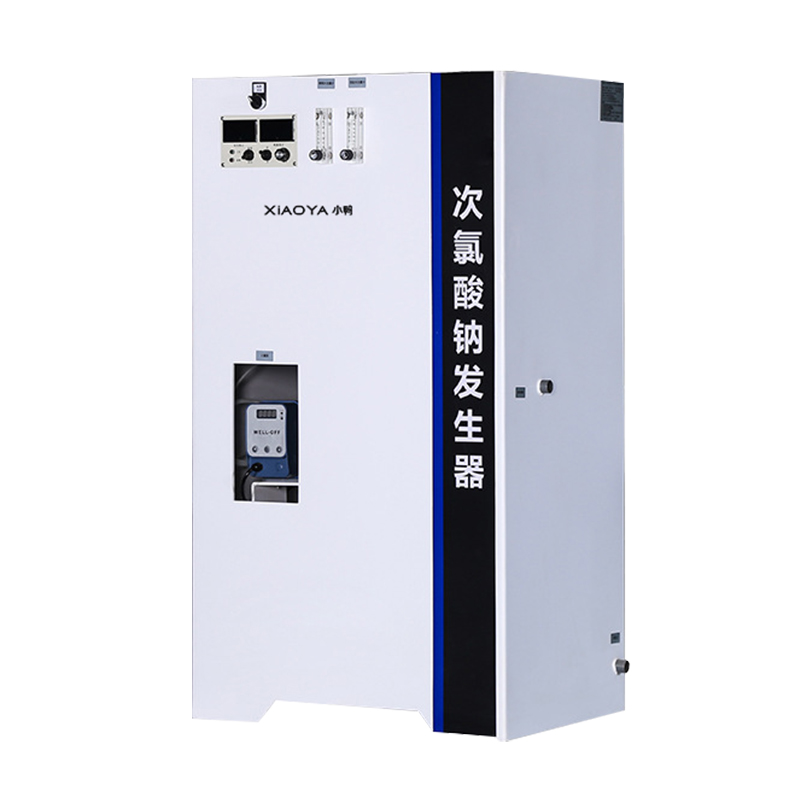
If hardness is high or scale is suspected, use the manufacturer-approved cleaning procedure rather than improvised chemicals. Some generators include automatic flushing, self-cleaning, or acid-cleaning functions to manage deposits, but these functions work best as preventive maintenance rather than as a cure for severe long-term fouling. The XY-SAEW-100 configuration, for instance, includes automatic water flushing, self-cleaning, and acid-cleaning functions; these features still depend on suitable water pretreatment and correct cleaning intervals.
Persistent instability after filters, feed-water quality, salt input, and routine cleaning have been checked may indicate a sensor, pump, valve, membrane, or electrolytic cell issue. At that point, avoid compensating by repeatedly increasing concentration settings. Confirm the equipment-specific service procedure and inspect components according to the manufacturer’s instructions.
Operational limits in animal facilities
Water suitable for generation is not automatically proof that the finished solution is suitable for every livestock application. Surface type, organic loading, contact time, application method, dilution practice, and local animal-health procedures all affect how a disinfectant should be used. Dirty surfaces should be cleaned before disinfection, because organic soil can consume active chlorine and reduce the effect of the applied solution.
Keep raw water, salt storage, generated solution containers, and application equipment clean and clearly separated. This prevents a well-controlled generator from being undermined by contaminated storage vessels or blocked spray equipment. Stable water quality is the first control point; disciplined handling keeps that stability meaningful through to application.
NEWS
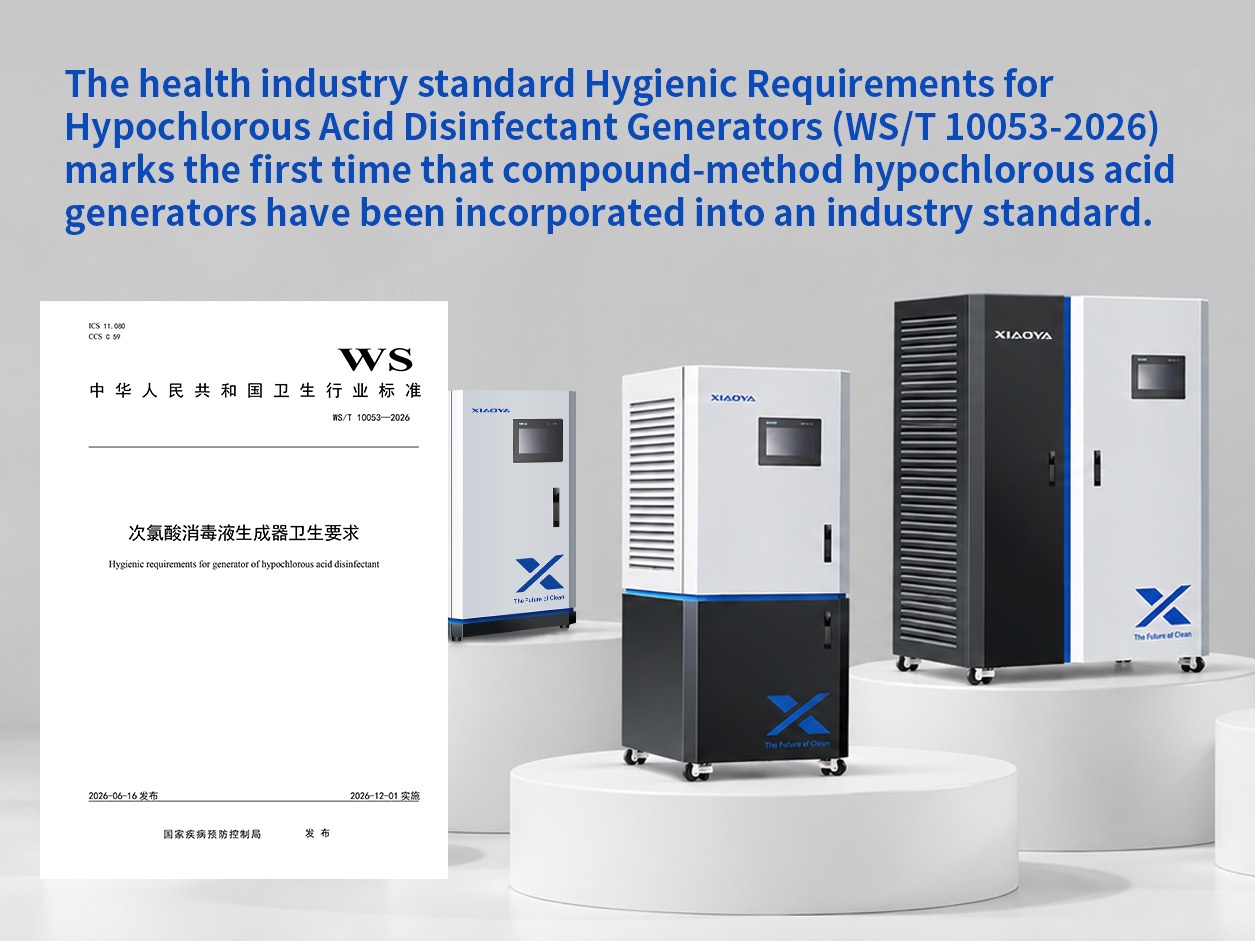
 WS/T 10053-2026 Includes the Compound Method for the First Time: Standard Signals and Market Opportunities for Mass Agricultural Production of Hypochlorous Acid Generators
 Water Quality Requirements for Livestock Hypochlorous Acid Generation
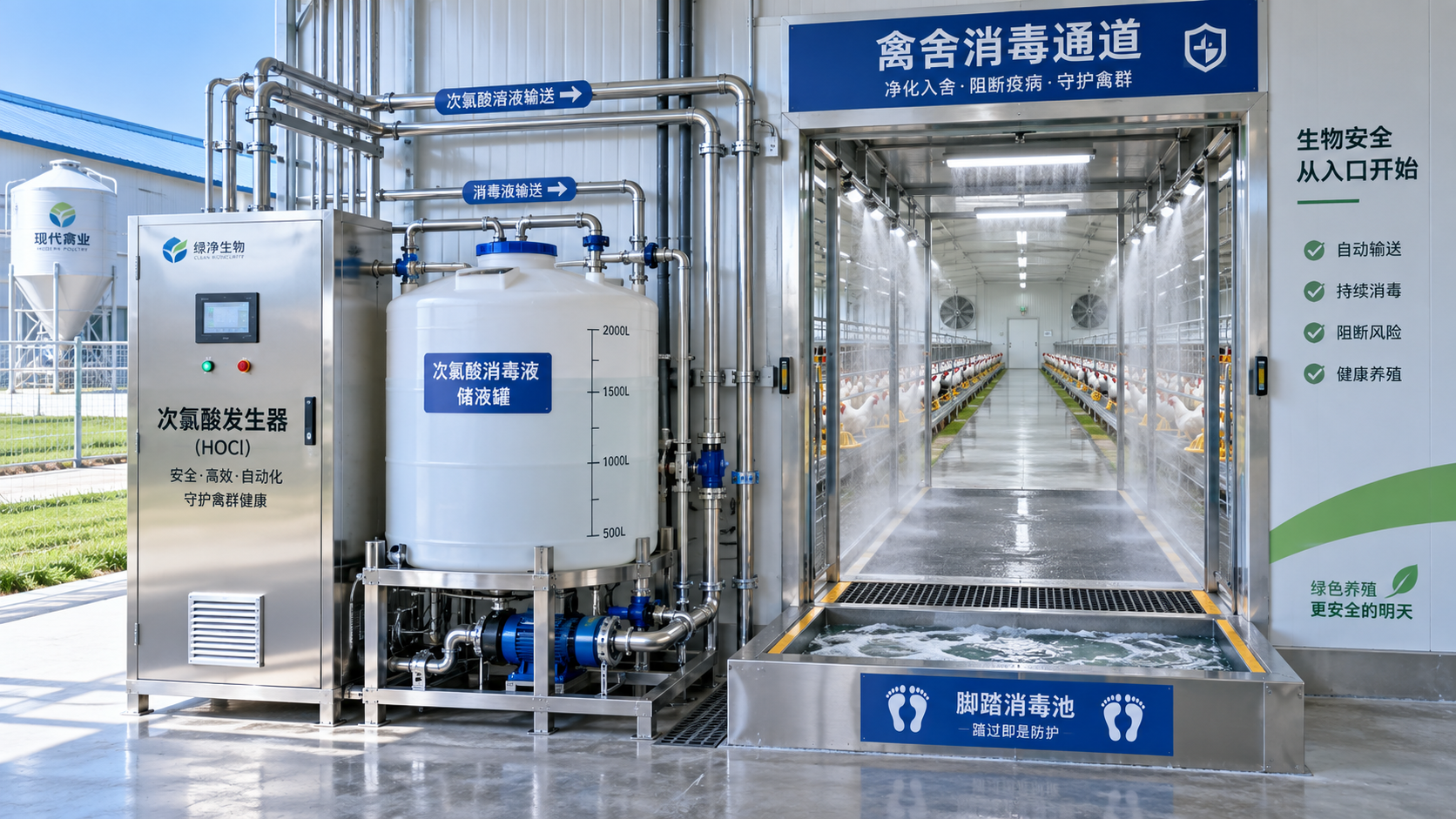
- Livestock Hypochlorous Acid Generators for Biosecurity at Poultry Farms
 HClO Generator Hygiene Protocols for Veterinary Clinics and Pet Hospitals
 What Concentration Should a Pet Hypochlorous Acid Generator Deliver?
Leave us a message

Xiaoya Group was founded in 1979,expert in the electrolyzed water industry.
Get in Touch
*We respect your confidentiality and all information are protected.