Introduction
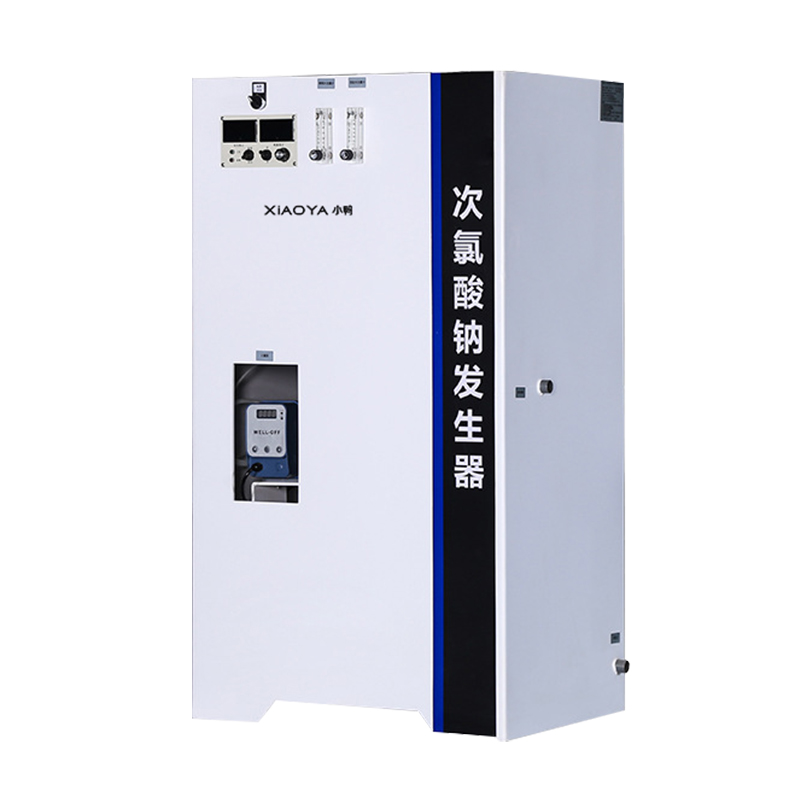
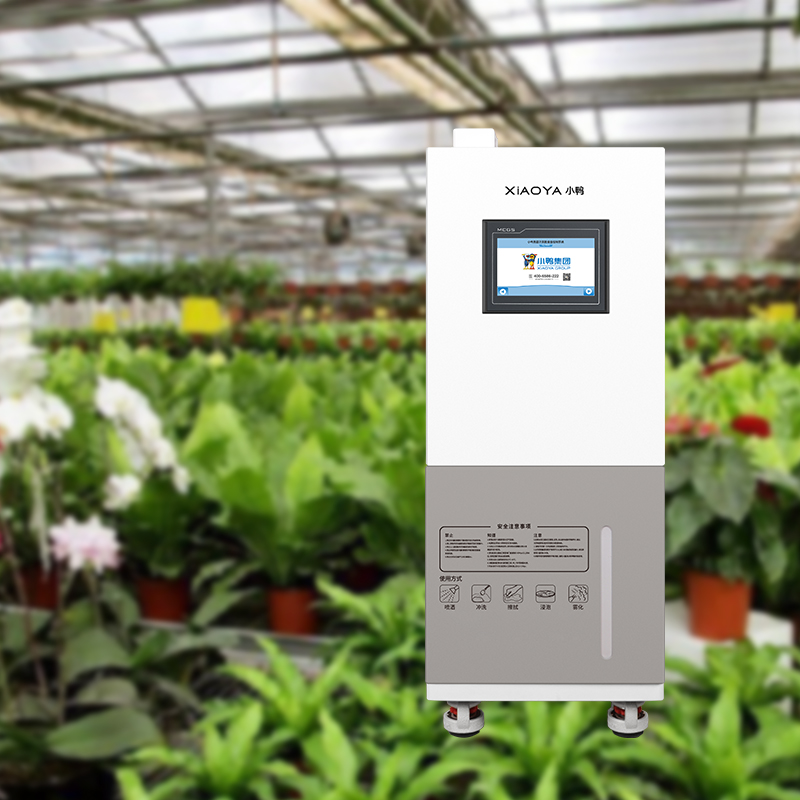
Hypochlorous Acid Generator for Fruit Fresh-keeping is revolutionizing post-harvest preservation, but users often face operational challenges. From inconsistent chlorine levels to maintenance hiccups, these compact disinfection systems require precise troubleshooting. This guide examines common technical pain points encountered by operators and quality inspectors, offering practical solutions to optimize performance in agricultural and food processing applications.
Common Operational Challenges in Hypochlorous Acid Generators
Operators frequently encounter these 5 technical issues when using hypochlorous acid (HClO) generators:
- Fluctuating chlorine concentration (typically ±15% beyond acceptable thresholds)
- Electrode scaling reducing efficiency by 30-50% within 200-300 operating hours
- pH drift exceeding the optimal 5.0-6.5 range for effective disinfection
- Flow rate inconsistencies causing ±20% output variation
- Component corrosion in high-humidity environments
Regular monitoring through these methods can prevent 80% of operational disruptions in HClO generator systems.
Troubleshooting and Maintenance Protocols
Step-by-Step Correction Procedures
For chlorine concentration instability (the most reported issue):
- Verify water inlet pressure remains at 0.15-0.25 MPa
- Check electrolyte tank levels (minimum 3L in 5L capacity systems)
- Calibrate sensors every 150 operating hours
- Inspect flow control valves for mineral deposits
Preventive Maintenance Schedule
Adhering to this schedule extends the electrolyzer service life beyond the standard 3,000-hour benchmark.
Technical Specifications for Optimal Performance
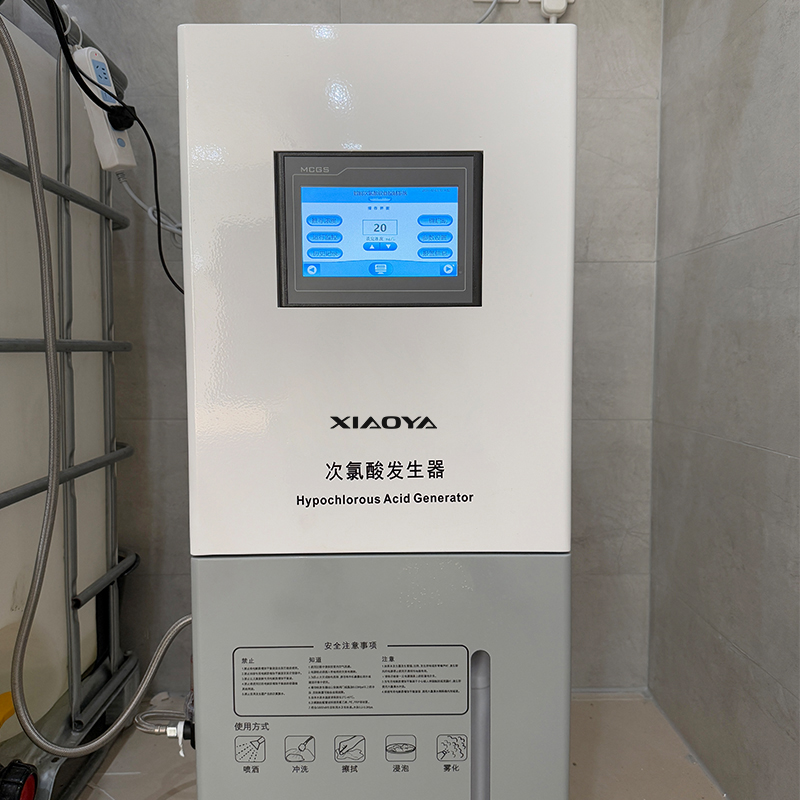
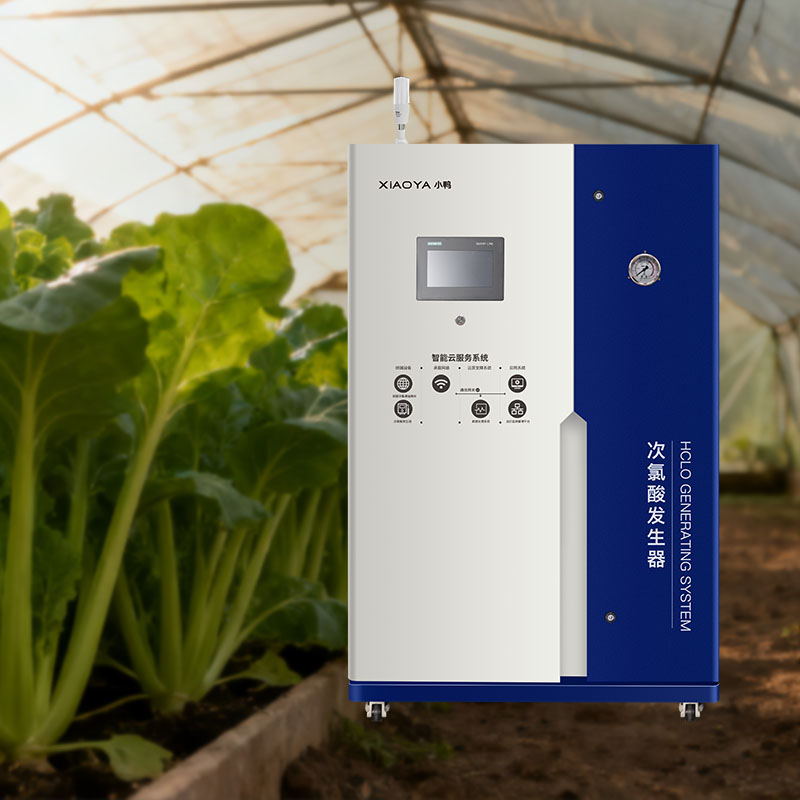
Modern HClO generators like the Hypochlorous Acid Generator for Dental Chair Pipeline Disinfection incorporate advanced features to minimize operational issues:
- PLC control systems maintaining pH within ±0.3 of setpoint
- 4G-enabled remote monitoring reducing manual checks by 70%
- Modular design allowing component replacement in under 30 minutes
Frequently Asked Questions
How often should I replace the electrolyte solution?
In standard 5L capacity systems, complete replacement is recommended every 2-3 weeks depending on usage intensity. Partial top-ups should maintain minimum 3L levels.
What's the acceptable range for effective chlorine concentration?
For dental applications, maintain 50-80 mg/L concentration. The XY-SAEW-300W model precisely controls this at 68.9 mg/L ±5% through its automated dosing system.
Conclusion and Next Steps
Proper maintenance and understanding of your hypochlorous acid generator's technical parameters can prevent 90% of common operational issues. For facilities requiring medical-grade disinfection systems, consider units with industrial-grade components and remote monitoring capabilities.
Contact our technical team for customized solutions matching your specific disinfection requirements and operational environment.
NEWS
 Upgrade in Healthy Living: Hypochlorous Acid Generators Become the New Standard for Luxury Villas
- The Ultimate Solution to Pet Shop Disinfection Challenges! XIAOYA Hypochlorous Acid Generator: Safe Pet Protection with Peace of Mind
 Hypochlorous Acid Generator vs Sodium Hypochlorite Generator
- Hypochlorous Acid Generator Supplier
- Hypochlorous Acid Generator Manufacturer
Leave us a message

Xiaoya Group was founded in 1979,expert in the electrolyzed water industry.
Get in Touch
*We respect your confidentiality and all information are protected.