news
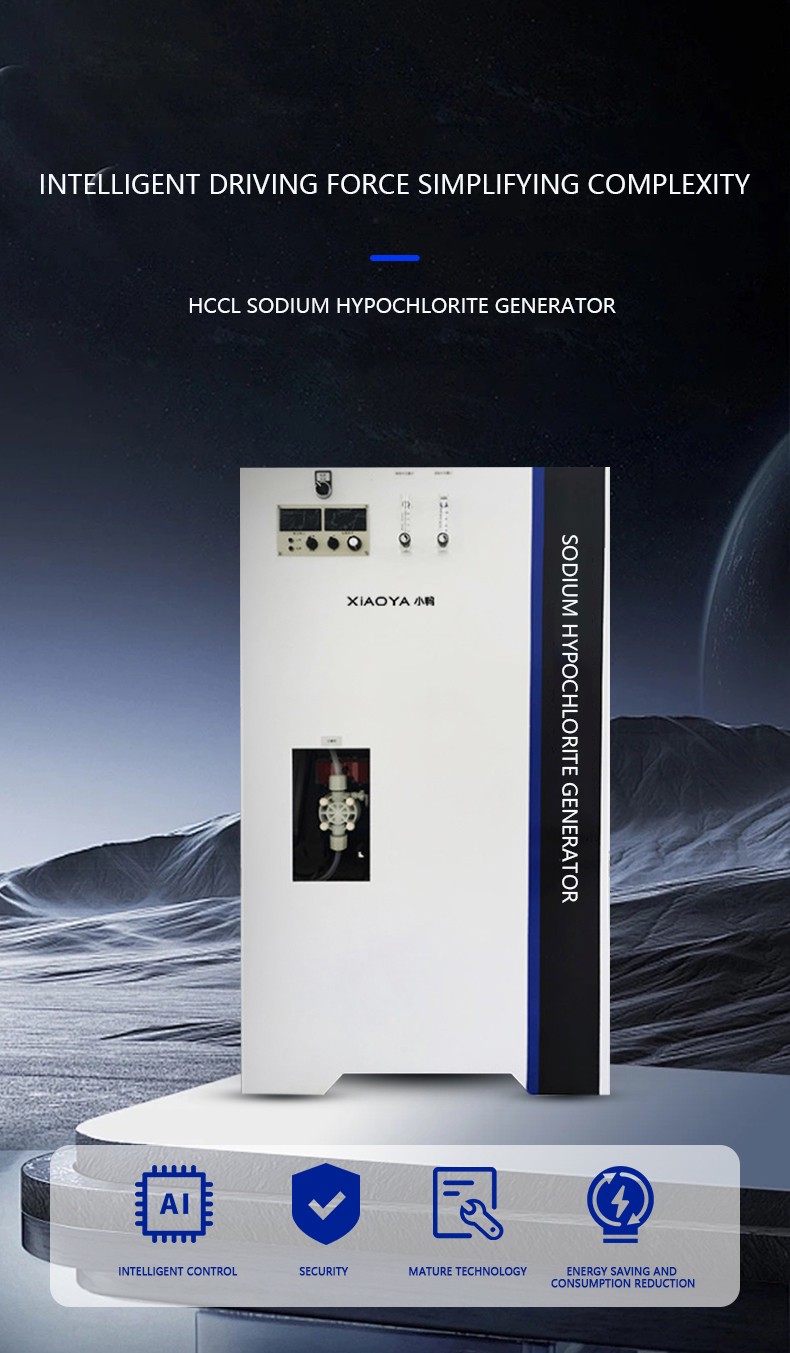
Understanding Hypochlorous Acid Generator Performance Metrics
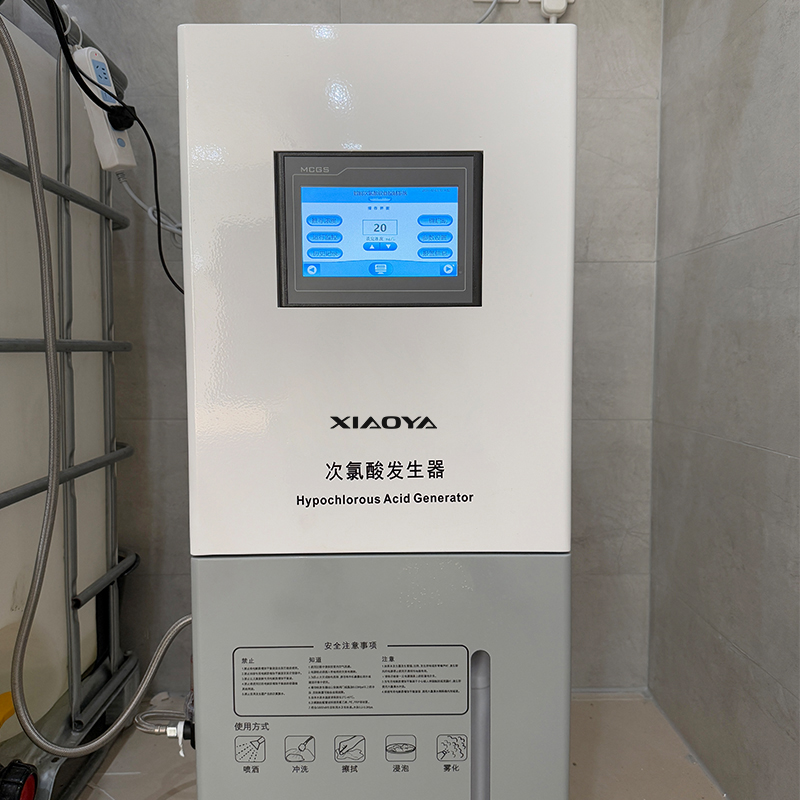
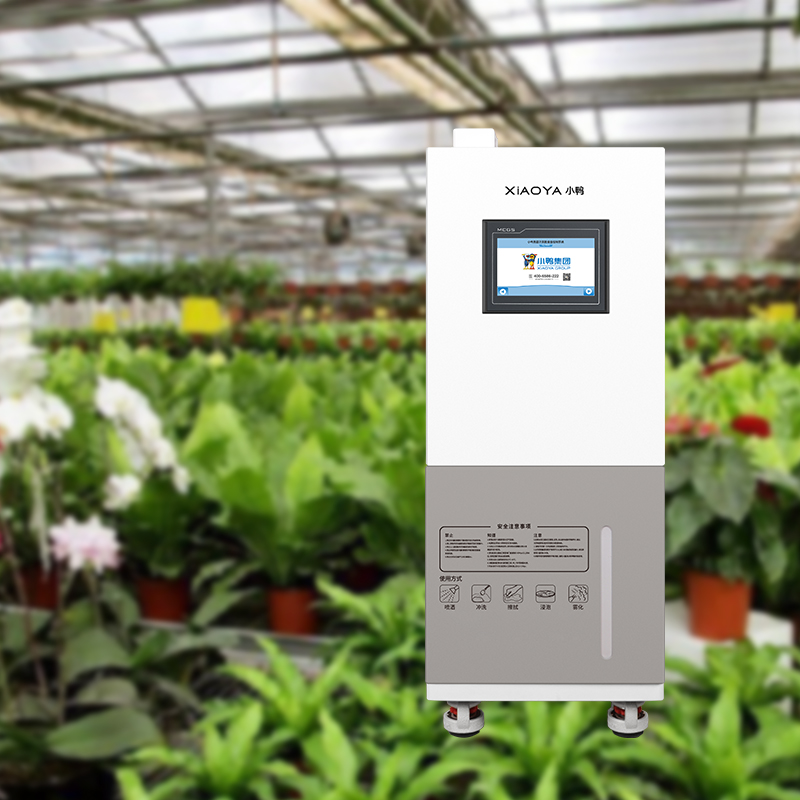
Maintaining optimal performance of your Hypochlorous Acid Generator for Fruit Fresh-keeping requires monitoring key operational parameters. The generator's efficiency depends on three core metrics: chlorine concentration (typically 50-200ppm for food preservation), pH level (maintained between 5.0-6.5), and oxidation-reduction potential (ORP) which should exceed 650mV for effective disinfection. Technical evaluators should verify these parameters through weekly testing using calibrated sensors.
For facilities requiring complementary water treatment, the Duckling ultrafiltration water purification and sterilization device XYCL-1000 offers 1000L/H ultrafiltration flow with UV-C 254nm sterilization, achieving >99.9% microbial reduction. This system's hollow fiber PVC membrane maintains stable water quality for hypochlorous acid production.
Preventive Maintenance Protocol
A structured maintenance schedule prevents 85% of common hypochlorous acid generator failures. Operators should implement this 4-phase approach:
- Daily: Inspect electrode plates for mineral deposits, verify flow rates (2-3L/min per cell), and check for leaks
- Weekly: Clean electrodes with 5% citric acid solution, calibrate sensors, and replace UV lamps after 7200 hours
- Monthly: Test water hardness (keep below 120mg/L CaCO3), inspect O-rings, and verify power supply stability (±5% voltage tolerance)
- Quarterly: Perform full system diagnostics including membrane integrity tests and pump performance evaluation
Electrode Maintenance Best Practices
Electrode degradation accounts for 60% of performance issues in hypochlorous acid generators. Follow these specific care measures:
- Reverse polarity every 200 operating hours to equalize wear
- Use only deionized water with conductivity<50μS/cm for cleaning
- Replace electrodes after 8,000-10,000 hours or when efficiency drops below 80%
Troubleshooting Common Operational Issues
When facing performance inconsistencies, use this diagnostic matrix to identify root causes:
Optimizing System Performance
Advanced operators can implement these performance-enhancing techniques:
Water Quality Management
The Duckling ultrafiltration water purification and sterilization device XYCL-1000 demonstrates how proper pretreatment extends equipment lifespan. Its hollow fiber PVC ultrafiltration membrane removes 99.9% of particulates >0.01μm, while the UV-C system eliminates microbial contamination that could interfere with hypochlorous acid production.
Automation Integration
Modern systems benefit from connecting to SCADA networks with these monitoring points:
- Real-time chlorine concentration tracking with ±5ppm accuracy
- Automatic pH adjustment through proportional-integral-derivative (PID) control
- Predictive maintenance alerts based on electrode resistance trends
Implementation Checklist for Technical Evaluators
When assessing hypochlorous acid generator performance, verify these critical aspects:
- Confirm baseline water quality meets manufacturer specifications (TDS<500ppm, hardness <120mg/L)
- Validate system calibration against NIST-traceable standards quarterly
- Document energy consumption per liter of hypochlorous acid produced (benchmark: 3.5-5.0Wh/L)
- Test microbial reduction efficacy weekly using ATP bioluminescence
By implementing these structured maintenance and optimization practices, food processing facilities can maintain consistent 99.9% effective hypochlorous acid concentrations while extending equipment lifespan by 30-50%. For technical specifications on complementary water treatment systems, consult our engineering team for customized solutions matching your operational requirements.
NEWS
 Next-Generation Hypochlorous Acid System Solution for Sterile Self-Service Laundromats Officially Released
- Upgrade in Healthy Living: Hypochlorous Acid Generators Become the New Standard for Luxury Villas
- The Ultimate Solution to Pet Shop Disinfection Challenges! XIAOYA Hypochlorous Acid Generator: Safe Pet Protection with Peace of Mind
 Hypochlorous Acid Generator vs Sodium Hypochlorite Generator
- Hypochlorous Acid Generator Supplier
Leave us a message

Xiaoya Group was founded in 1979,expert in the electrolyzed water industry.
Get in Touch
*We respect your confidentiality and all information are protected.