news
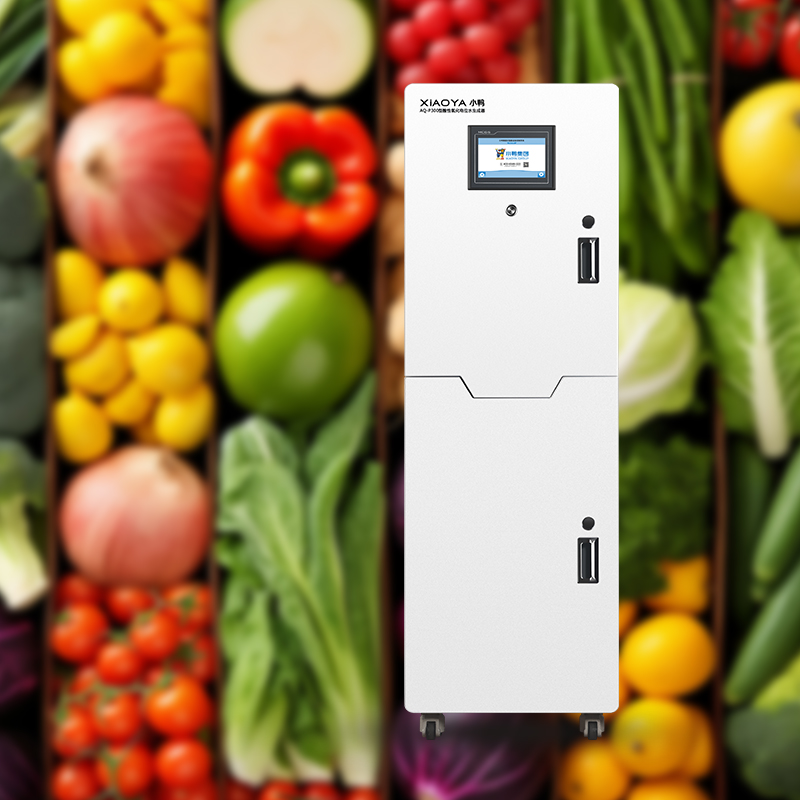
Is Hypochlorous Acid Safe for Organic Fruit Fresh-keeping?
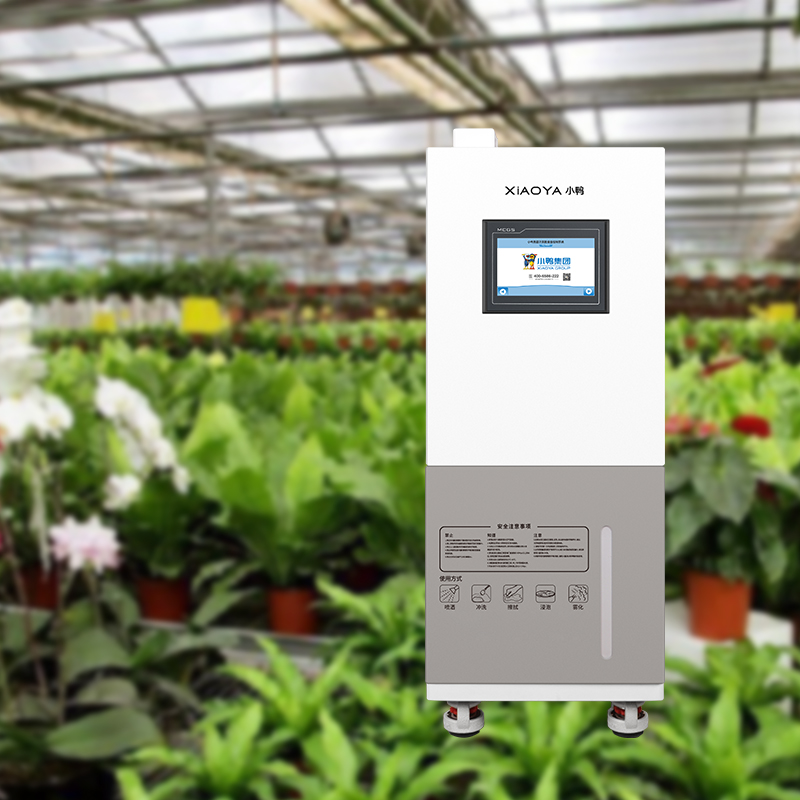
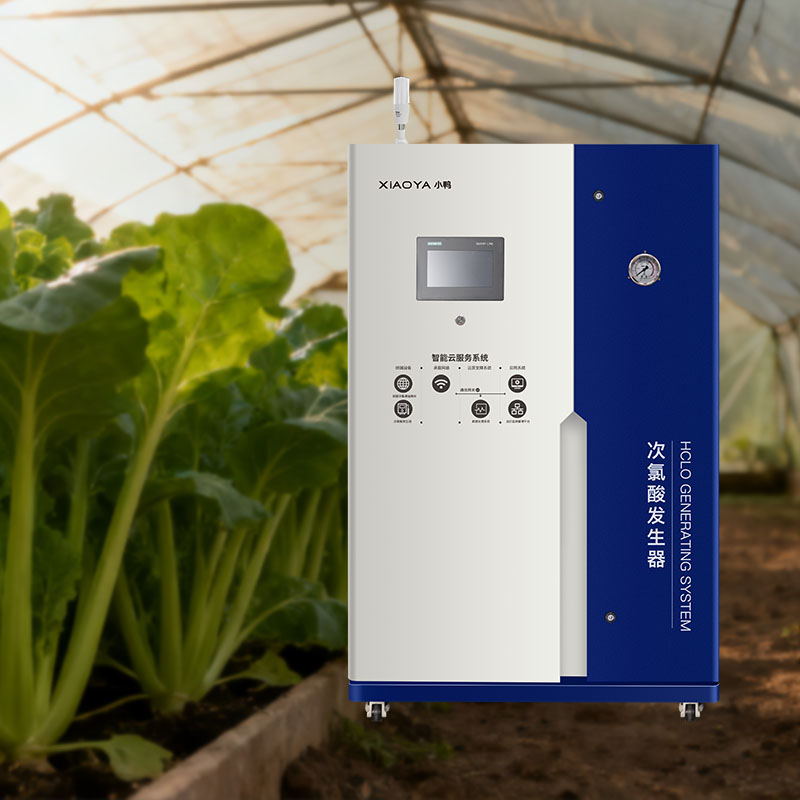
Wondering if hypochlorous acid is safe for organic fruit preservation? As a powerful yet eco-friendly disinfectant, hypochlorous acid generated by specialized Hypochlorous Acid Generator for Fruit Fresh-keeping systems offers a revolutionary solution. This article explores its safety profile, effectiveness in extending shelf life, and compatibility with organic standards – essential reading for operators and technical evaluators in the fresh produce industry.
Understanding Hypochlorous Acid in Organic Fresh-Keeping
Hypochlorous acid (HOCl) is a naturally occurring compound produced by white blood cells in mammals to combat pathogens. When generated through electrolysis in specialized equipment, it becomes a potent disinfectant with unique advantages for organic produce:
- Breaks down into water and salt after use (no toxic residues)
- 200-300 times more effective than chlorine bleach at equivalent concentrations
- Operates at near-neutral pH (5.0-6.5), preventing produce damage
- Requires only 50-200ppm concentration for microbial control
Modern Thermal Engine systems with intelligent monitoring capabilities can precisely generate HOCl solutions while maintaining optimal temperature and concentration parameters critical for organic compliance.
Safety Profile and Organic Certification Compatibility
Major organic certification bodies have established clear guidelines regarding hypochlorous acid use:
Key safety considerations include proper concentration control (typically 50-200ppm), contact time (30-120 seconds), and post-treatment rinsing protocols. Advanced generation systems now incorporate real-time monitoring of these parameters.
Technical Implementation in Fresh-Keeping Systems
Modern HOCl generation systems for fruit preservation integrate several critical technologies:
System Configuration Parameters
These systems typically achieve 3-5 log reductions in pathogens (E. coli, Salmonella, Listeria) while preserving fruit quality parameters like firmness, color, and sugar content for 2-3 weeks longer than conventional methods.
Operational Best Practices for Organic Facilities
To maximize safety and effectiveness in organic fruit preservation:
- Conduct pre-treatment water analysis (TDS < 50ppm recommended)
- Calibrate sensors weekly (ORP ±10mV, pH ±0.2 accuracy)
- Document all solution parameters (concentration, contact time, batch numbers)
- Implement quarterly electrode maintenance (acid cleaning cycle)
- Train staff in organic handling protocols (separate storage, application tools)
Energy-efficient systems like the Thermal Engine can reduce operational costs by 30-40% compared to traditional steam-based sanitation methods while meeting strict organic standards.
Frequently Asked Questions
Does hypochlorous acid affect fruit taste or nutritional value?
Properly applied HOCl solutions (50-200ppm, pH 5.0-6.5) show no measurable impact on taste profiles or nutrient retention in peer-reviewed studies. Vitamin C retention averages 98.7% after treatment.
How does HOCl compare to ozone or UV treatment?
Unlike ozone (requires complex gas handling) or UV (limited penetration), HOCl provides whole-surface coverage with residual protection during storage. It's 40-60% more energy efficient than ozone systems.
What's the typical ROI for an organic-compliant HOCl system?
Most operations see 12-18 month payback periods from reduced spoilage (5-8% loss reduction) and longer shelf life (3-5 additional shipping days). Systems with flameless combustion technology can achieve thermal efficiency over 100%.
Conclusion and Next Steps
Hypochlorous acid represents a scientifically validated, organic-compliant solution for extending fruit shelf life when properly generated and applied. For technical evaluators and operations managers, the key considerations include:
- Certification body requirements for your target markets
- Precision control of solution parameters (ORP, pH, concentration)
- Integration with existing handling processes
- Documentation systems for organic compliance audits
Contact our technical team to evaluate your specific organic fresh-keeping requirements and explore system configurations that align with your operational parameters and certification standards.
NEWS
 Upgrade in Healthy Living: Hypochlorous Acid Generators Become the New Standard for Luxury Villas
- The Ultimate Solution to Pet Shop Disinfection Challenges! XIAOYA Hypochlorous Acid Generator: Safe Pet Protection with Peace of Mind
 Hypochlorous Acid Generator vs Sodium Hypochlorite Generator
- Hypochlorous Acid Generator Supplier
- Hypochlorous Acid Generator Manufacturer
Leave us a message

Xiaoya Group was founded in 1979,expert in the electrolyzed water industry.
Get in Touch
*We respect your confidentiality and all information are protected.