news
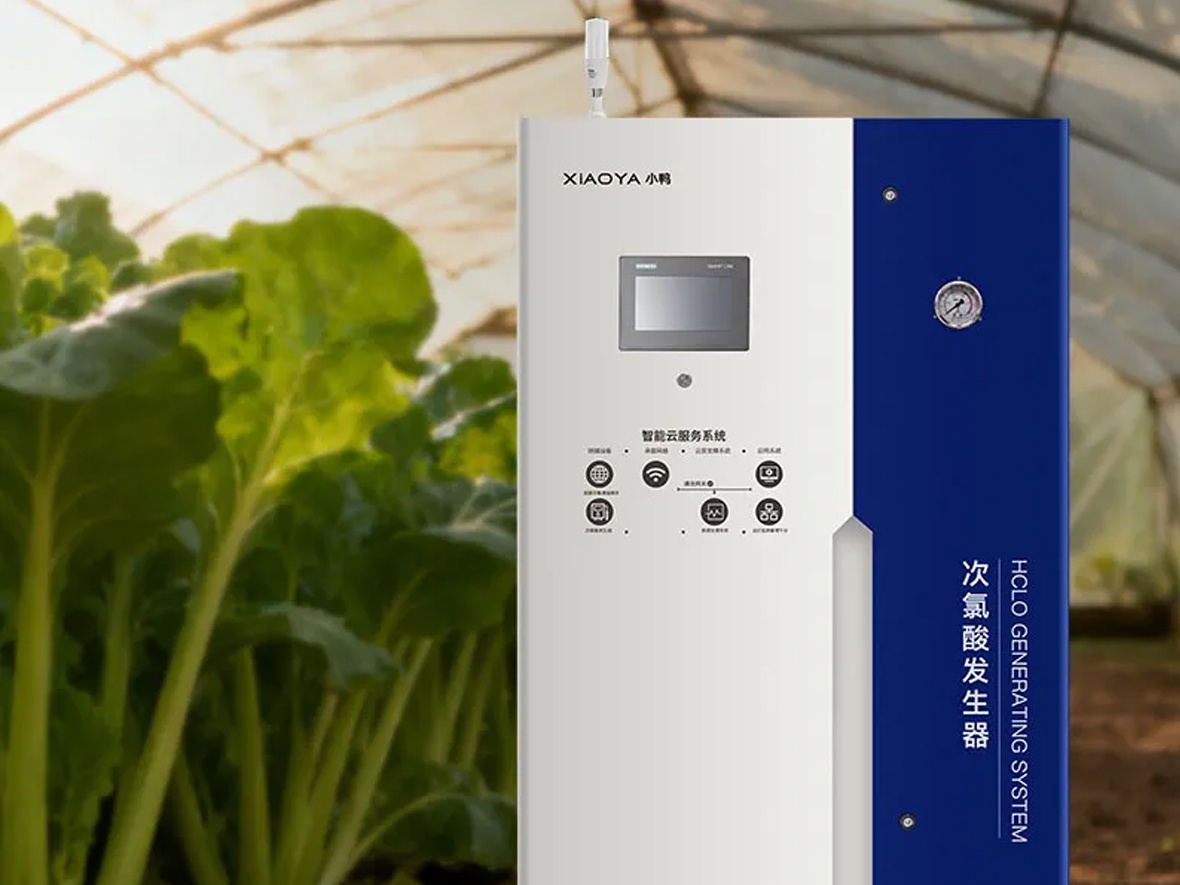
As more families look for safer ways to clean produce at home, hclo disinfection is gaining attention as a practical solution for fruit and vegetable washing. But is it truly effective, convenient, and suitable for everyday use? This article explores how it works, what benefits it offers, and whether it fits the needs of modern households seeking healthier and more efficient kitchen hygiene.
What makes hclo disinfection appealing for home produce washing?
For many consumers, the problem is simple: tap water alone may not remove all surface contaminants, while harsh chemical washes feel risky in a family kitchen. That is why hclo disinfection has become part of the conversation around smarter food preparation.
Hypochlorous acid is a weak acid known for broad antimicrobial action. In controlled concentrations, it can help reduce bacteria and some other microorganisms on the surface of fruits and vegetables. It is especially attractive to households that already use automated health and disinfection appliances and want a solution that fits modern kitchen workflows.
From an automation equipment perspective, the practical value is not only in the liquid itself, but in stable generation, concentration control, and easy operation. Companies with experience in kitchen appliances, bathroom appliances, health care and disinfection appliances, clean energy systems, and small household appliances are better positioned to turn this chemistry into reliable daily-use products.
- It can support a more consistent cleaning process than improvised home remedies.
- It suits consumers who want residue-conscious produce handling.
- It aligns with the rise of compact automated appliances designed for home hygiene.
How does it differ from basic rinsing?
Running water helps remove dirt, dust, and some residues, but it does not actively disinfect. Hclo disinfection adds an antimicrobial step. That does not mean every home needs it every day, yet it can be useful for leafy greens, berries, grapes, and produce eaten raw.
Is hclo disinfection actually effective in household scenarios?
Consumers often ask whether the method works outside commercial settings. The answer depends on concentration, contact time, cleanliness of the washing container, and the condition of the produce. In practical home use, hclo disinfection can be effective when the process is controlled rather than guessed.
A major issue in consumer adoption is inconsistency. Some people use too little solution, others soak produce for too long, and many do not know the difference between rinsing dirt away and lowering microbial load. This is where appliance design matters. Automated dosing and on-demand generation reduce user error.
The table below compares common home produce-washing options and shows where hclo disinfection fits in daily decision-making.
This comparison shows why hclo disinfection is practical for some homes but not automatically necessary for all. Its value is highest when a family regularly consumes raw produce, wants better hygiene control, and prefers appliance-assisted consistency over manual guesswork.
Which fruits and vegetables benefit most from hclo disinfection?
Not all produce needs the same treatment. Smooth-skinned items that will be peeled may need only a standard rinse. Delicate items with uneven surfaces usually benefit more from a controlled washing process. Hclo disinfection is most relevant when contamination risk and raw consumption overlap.
Best-fit scenarios at home
- Leafy greens such as lettuce and spinach, where folds can trap dirt and microbes.
- Berries and grapes, which are often eaten without peeling.
- Tomatoes, cucumbers, and peppers prepared for salads or lunch boxes.
- Produce for children, elderly family members, or consumers with stronger hygiene concerns.
Less critical scenarios
Root vegetables that will be cooked thoroughly, or thick-skinned fruits that will be peeled, may not justify an extra disinfection step every time. In those cases, the convenience question becomes more important than the technical possibility.
What should consumers look for in an automated HClO appliance?
The biggest purchase challenge is that many buyers focus on the idea of hclo disinfection but overlook equipment quality. For a household product, convenience alone is not enough. Stable performance, safe materials, output consistency, and clear operating guidance matter more.
The table below highlights practical selection criteria that help consumers compare automated disinfection equipment with fewer mistakes.
A manufacturer that integrates R&D, production, and operation across household and disinfection appliance sectors can usually provide more dependable engineering support. That matters for end users because stable hardware is what turns hclo disinfection from a concept into a practical kitchen routine.
A useful signal of engineering depth
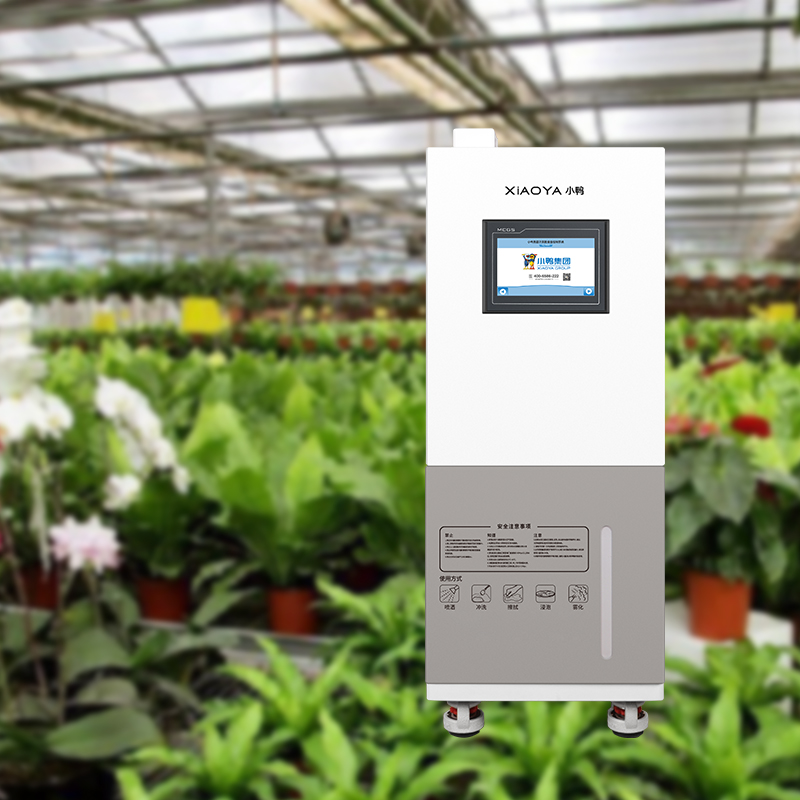
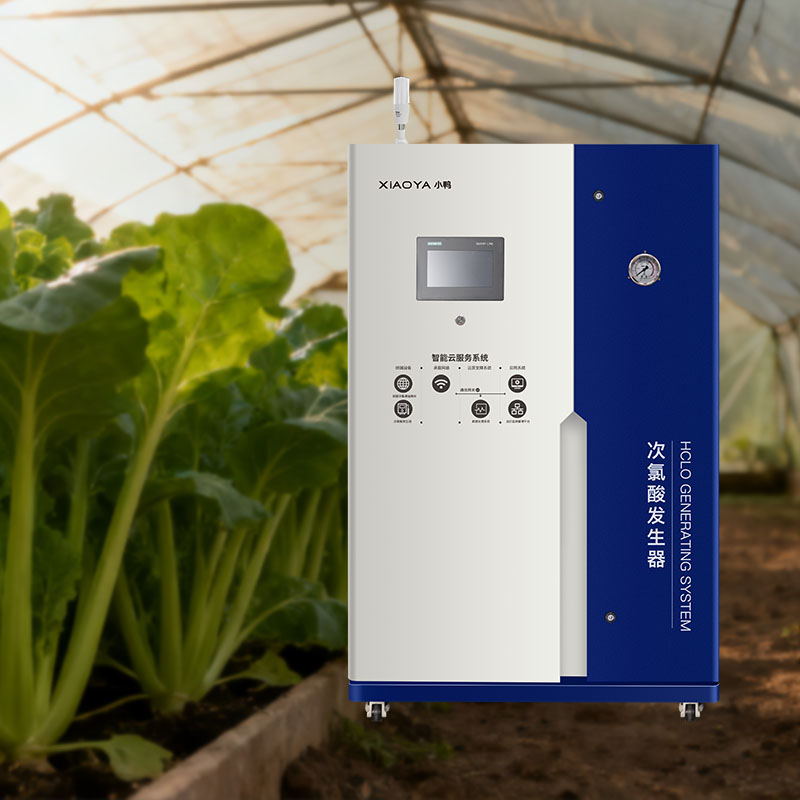
Even when a device was developed for a different setting, its specifications can reveal technical maturity. For example, Hypochlorous Acid Generator for Floriculture (P300-W) shows how adjustable concentration, controlled pH, and on-demand generation are handled in real equipment design. While its listed application scenarios include greenhouses and post-harvest flower processing rather than home kitchens, the underlying automation logic is relevant: stable output, manageable maintenance, and concentration flexibility are exactly the qualities consumers should look for in smaller household-oriented systems.
How practical is hclo disinfection compared with alternatives on cost and convenience?
For end consumers, practicality means more than efficacy. It also includes setup effort, operating cost, storage, repeatability, and family acceptance. Some homes prefer low-cost manual washing. Others want a dedicated appliance because they already use disinfection products in the bathroom, nursery, or kitchen.
The cost question should be framed around frequency of use. If produce washing is occasional, a dedicated system may feel excessive. If a family buys fresh vegetables daily, prepares raw salads often, or values standardized hygiene steps, an automated solution becomes easier to justify.
- Initial device cost matters, but so does ease of daily operation.
- Consumable requirements should be transparent before purchase.
- Compact size and simple controls increase the chance of regular use.
- After-sales support is important if the product involves water quality or electrolytic components.
When the option becomes practical
Hclo disinfection is usually practical when it reduces decision fatigue. If the appliance delivers repeatable results with one-touch operation and clear instructions, it saves time. If it demands manual mixing, uncertain dosing, or frequent troubleshooting, many households will stop using it after a short trial period.
Are there safety, compliance, and usage boundaries consumers should know?
Yes. Consumers should avoid the common mistake of treating all disinfecting solutions as interchangeable. Hclo disinfection for produce washing requires suitable concentration control and appropriate usage instructions. Higher concentration does not automatically mean better household outcomes.
In the appliance industry, responsible product development means balancing antimicrobial effect, material compatibility, and user safety. Manufacturers with a background in health care and disinfection appliances are typically more aware of these boundaries than generic gadget sellers.
- Use only according to product guidance intended for food-contact applications.
- Do not assume one setting fits every fruit or vegetable.
- Keep the washing container and surrounding surfaces clean, or contamination can re-enter the process.
- Check whether instructions mention water quality, maintenance cycles, and storage limits.
FAQ: common questions about hclo disinfection at home
Is hclo disinfection suitable for all fruits and vegetables?
Not always. It is more useful for raw-consumption produce with irregular surfaces or higher handling exposure. For produce that will be peeled or thoroughly cooked, the benefit may be smaller. Selection should follow actual household habits, not fear-based buying.
Can it replace normal rinsing?
No. Rinsing and disinfection play different roles. Dirt, mud, and visible debris should still be removed physically. Hclo disinfection is better understood as an added step after basic cleaning, not a total replacement for washing.
What is the most overlooked buying factor?
Output consistency. Many buyers compare price first, but unstable concentration makes the process less reliable. In automated equipment, engineering quality, service support, and clear operating logic matter more than aggressive marketing claims.
Does larger equipment tell us anything about home-use quality?
Yes. Equipment built for demanding environments often demonstrates whether a manufacturer understands electrolysis, concentration adjustment, and component durability. For instance, the second useful reference point is Hypochlorous Acid Generator for Floriculture (P300-W), which lists a slightly acidic pH range of 5.0–6.5, adjustable available chlorine concentration of 10–200 ppm, and an electrolyzer service life of at least 5000 hours. These are not home-kitchen specifications, but they show the kind of parameter transparency serious buyers should expect from any HClO solution provider.
Why choose us for HClO appliance consultation and product selection?
Consumers do not just need a device. They need a product that is easy to use, backed by real appliance engineering, and supported by clear pre-sale guidance. Our business foundation spans kitchen and bathroom appliances, health care and disinfection appliances, clean energy, and small household appliances, with integrated R&D, production, and operation. That combination helps us translate technical disinfection capability into practical consumer solutions.
If you are evaluating hclo disinfection for fruit and vegetable washing, you can contact us to discuss specific points before making a decision:
- Which concentration range is more suitable for common household produce-washing scenarios.
- How to compare product types based on usage frequency, kitchen space, and family routines.
- What delivery timelines, sample support, or customization options may be available for different markets.
- What maintenance expectations, consumable requirements, and compliance questions should be clarified before purchase.
- How to build a more complete home hygiene plan that connects produce washing with other disinfection appliance needs.
For households that value cleaner food preparation and smarter automation, hclo disinfection can be a practical option when the equipment is well designed and the use case is clear. The right consultation can help you avoid overbuying, underusing, or choosing a system that does not match your kitchen reality.
NEWS
 Upgrade in Healthy Living: Hypochlorous Acid Generators Become the New Standard for Luxury Villas
- The Ultimate Solution to Pet Shop Disinfection Challenges! XIAOYA Hypochlorous Acid Generator: Safe Pet Protection with Peace of Mind
 Hypochlorous Acid Generator vs Sodium Hypochlorite Generator
- Hypochlorous Acid Generator Supplier
- Hypochlorous Acid Generator Manufacturer
Leave us a message

Xiaoya Group was founded in 1979,expert in the electrolyzed water industry.
Get in Touch
*We respect your confidentiality and all information are protected.