news
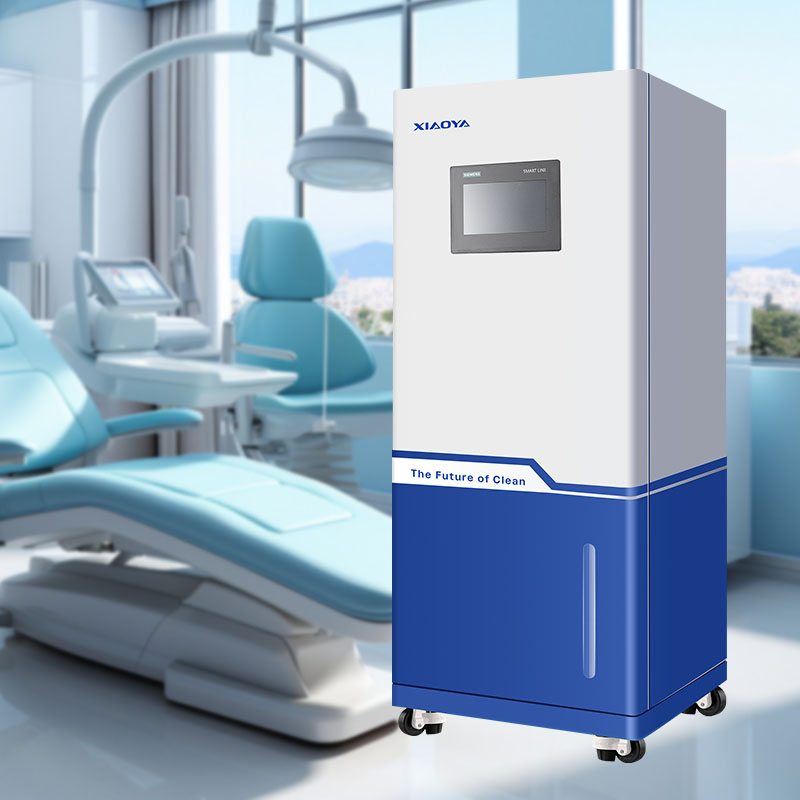
Choosing the right automated dental sterilizer is critical for ensuring patient safety and clinic efficiency. Whether you're exploring meat disinfection standards or advanced hclo disinfection technologies, asking the right questions upfront can save costly mistakes. This guide reveals 5 essential questions to evaluate dental disinfection equipment performance, compliance, and long-term value - helping healthcare professionals make informed purchasing decisions.
Investing in an automated dental sterilizer requires careful evaluation of technical specifications, regulatory compliance, and operational efficiency. With infection control standards becoming increasingly stringent, selecting equipment that meets both current and future needs is paramount. This article provides a structured framework to assess critical factors before making your purchase decision.
1. What sterilization standards does the equipment comply with?
Regulatory compliance should be your first consideration when evaluating dental sterilizers. The device must meet or exceed industry standards for medical device sterilization. Key certifications to verify include:
- FDA 510(k) clearance for medical devices
- EN 13060 standards for small steam sterilizers
- AAMI ST79 comprehensive guide to steam sterilization
- ISO 17665 for moist heat sterilization processes
Recent updates to sterilization guidelines have increased monitoring requirements for temperature, pressure, and exposure time. Ensure the equipment maintains detailed electronic records of each sterilization cycle for compliance documentation.
2. What is the actual throughput capacity?
Manufacturers often advertise theoretical maximum cycle times, but real-world performance depends on several factors. Evaluate throughput based on your specific instrument mix and workflow requirements:
- Average cycle time including loading/unloading (typically 15-30 minutes)
- Chamber size compatibility with your largest instrument sets
- Drying efficiency (wet packs increase reprocessing time)
- Cool-down period before safe instrument handling
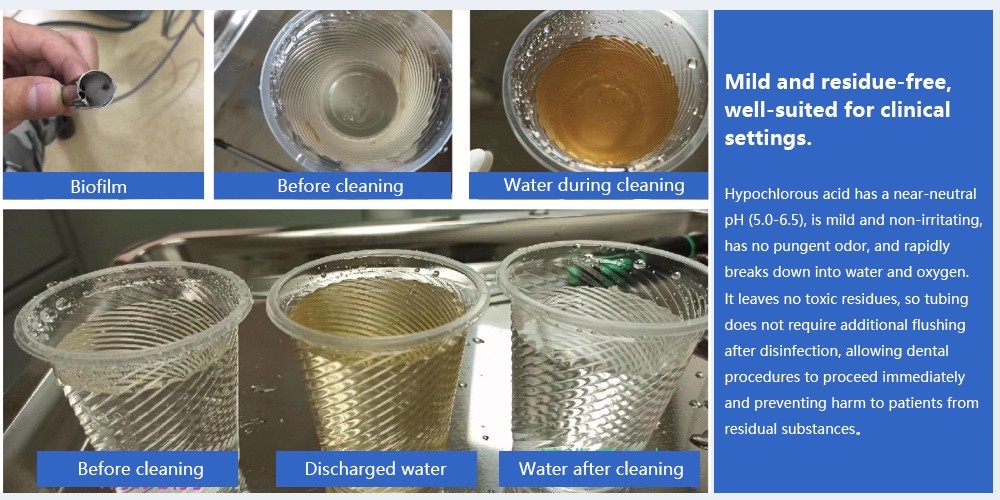
For clinics processing 20+ instrument sets daily, consider models with rapid cooling systems that reduce turnaround time by 30-40%. The Diaphragm Electrolyzer technology demonstrates how advanced engineering can optimize sterilization cycles while maintaining safety standards.
3. How does the system integrate with your workflow?
Workflow efficiency impacts both staff productivity and infection control. Assess these integration factors:
4. What are the true operating costs?
Beyond the purchase price, consider these cost factors over a 5-7 year equipment lifespan:
- Water consumption (typically 1-2 liters per cycle)
- Energy efficiency (look for ENERGY STAR certified models)
- Maintenance contract requirements
- Replacement part costs and availability
- Staff training requirements
Advanced systems like the Diaphragm Electrolyzer demonstrate how modular design and recirculating electrolysis can reduce operational costs by 15-25% compared to conventional models.
5. What technical support and service options are available?
Reliable technical support minimizes equipment downtime. Evaluate these service aspects:
- Average response time for service calls (industry standard is 4-8 hours)
- Availability of loaner equipment during repairs
- Remote diagnostics capabilities
- Preventive maintenance program options
- Training resources for new staff
Implementation Checklist for Dental Sterilizers
Before finalizing your purchase, complete this implementation checklist:
- Verify physical space requirements including clearance for maintenance
- Confirm electrical and water supply specifications
- Schedule staff training with the equipment vendor
- Develop standardized operating procedures
- Establish maintenance logs and documentation protocols
Conclusion: Making an Informed Decision
Selecting the right automated dental sterilizer requires balancing technical specifications, regulatory compliance, workflow integration, and long-term operational costs. By systematically evaluating these five critical questions, healthcare facilities can invest in equipment that delivers reliable sterilization performance while optimizing clinic efficiency.
For practices considering advanced disinfection technologies, understanding the full range of available solutions - from traditional steam sterilizers to innovative electrolysis systems - ensures you select equipment that meets both current needs and future growth requirements.
NEWS
 Upgrade in Healthy Living: Hypochlorous Acid Generators Become the New Standard for Luxury Villas
- The Ultimate Solution to Pet Shop Disinfection Challenges! XIAOYA Hypochlorous Acid Generator: Safe Pet Protection with Peace of Mind
 Hypochlorous Acid Generator vs Sodium Hypochlorite Generator
- Hypochlorous Acid Generator Supplier
- Hypochlorous Acid Generator Manufacturer
Leave us a message

Xiaoya Group was founded in 1979,expert in the electrolyzed water industry.
Get in Touch
*We respect your confidentiality and all information are protected.