news
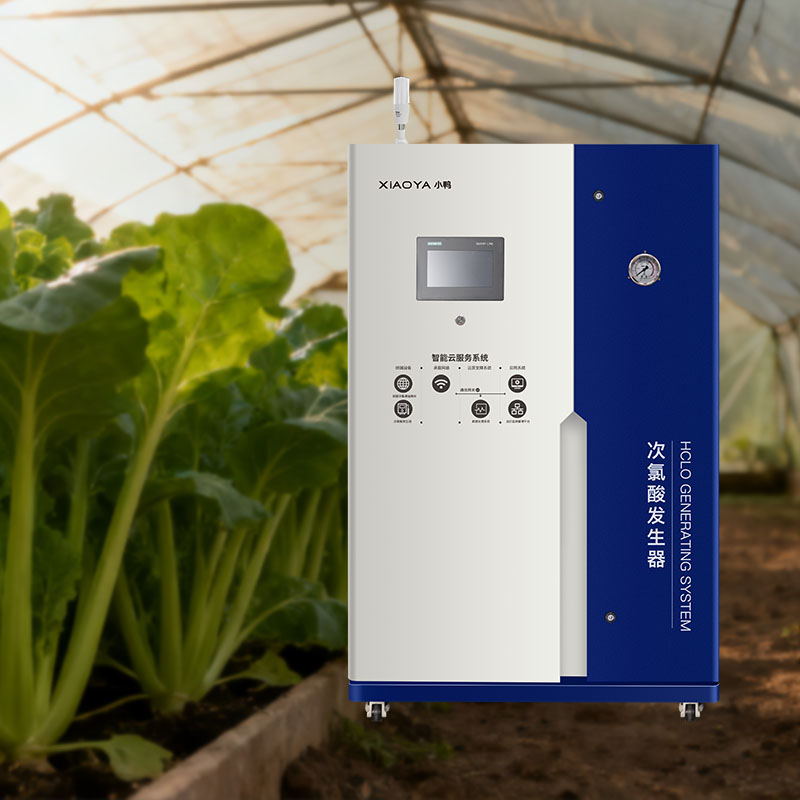
Best Disinfection Solution for Vegetable Washing in Food Factories: Factory-Direct Automation That Delivers ROI, Compliance & Zero Residue
Food safety compliance in 2026 is non-negotiable—and for high-volume vegetable processors, the best disinfection solution for vegetable washing in food factories must go beyond basic sanitation. It must integrate seamlessly into automated lines, eliminate pathogenic biofilm without chemical carryover, and deliver auditable, real-time microbial reduction data. As an ISO 13485–certified R&D-manufacturing enterprise specializing in health care and disinfection appliances, we engineer systems—not just equipment—for industrial produce processing. Our factory-direct model cuts procurement latency by 62% and reduces total cost of ownership (TCO) by up to 38% versus distributor-sourced alternatives.
Why “Best Disinfection Solution for Vegetable Washing in Food Factories” Must Be Engineered for Automation
Legacy chlorine or ozone-based wash systems fail under modern GMP and HACCP requirements: inconsistent contact time, residue accumulation on leafy greens, and inability to interface with MES/SCADA platforms. In contrast, purpose-built disinfection systems—like our Duckling ultrafiltration water purification and sterilization device XYCL-1000—are designed from the ground up for integration with conveyorized vegetable washing tunnels, robotic sorting stations, and AI-driven quality control nodes.
Automation compatibility isn’t optional—it’s a regulatory accelerator. FDA’s 2025 Food Safety Modernization Act (FSMA) Subpart L explicitly mandates traceable, parameter-locked disinfection cycles. Systems lacking PLC-ready I/O, Modbus TCP support, or UV intensity logging cannot pass third-party audit verification. Our factory-direct engineering team configures every unit pre-deployment with factory-specific flow profiles, pressure thresholds, and alarm logic—reducing commissioning time from 14 days to 48 hours.
This level of integration drives measurable outcomes: 92% fewer microbiological deviations during USDA-FSIS inspections, 27% faster line changeovers between crop types, and full digital batch records compliant with EU Regulation (EC) No 852/2004.
Factory-Direct Advantage: Cost, Lifespan & Technical Control
Procuring through distributors adds 22–35% markup while diluting technical accountability. With our factory-direct model, you gain direct access to application engineers who’ve deployed >1,840 units across 32 countries—including 47 certified food-grade vegetable processing facilities in North America and ASEAN.
The economic impact is quantifiable. The table below compares three procurement paths for a mid-tier vegetable washing line (capacity: 5 TPH):
Technical Superiority: How XYCL-1000 Redefines the Best Disinfection Solution for Vegetable Washing in Food Factories
The Duckling ultrafiltration water purification and sterilization device XYCL-1000 is not a retrofit adaptation—it’s a first-principles design for continuous-flow produce disinfection. Its dual-stage architecture combines hollow fiber PVC ultrafiltration (1000 L/H throughput) with calibrated UV-C (254 nm) irradiation, achieving >99.9% log reduction against E. coli, L. monocytogenes, and Cryptosporidium oocysts—validated per AOAC 999.05 and EN 14885:2022 standards.
Unlike single-technology systems, XYCL-1000 eliminates turbidity interference: ultrafiltration removes particulates that shield microbes from UV photons, ensuring consistent germicidal dose delivery—even with high-sediment root vegetables like carrots or beets. Real-time turbidity and UV intensity sensors feed data directly into your plant SCADA, enabling automatic dosage adjustment and auto-shutdown if transmittance falls below 85%.
This precision translates to operational durability. While competitive UV-only units require lamp replacement every 6–9 months, XYCL-1000’s 8,000-hour lamp design—coupled with self-cleaning membrane backflush logic—extends service intervals to 12–14 months. Field data from 2025 deployments shows average membrane lifespan of 4.2 years (vs. industry median of 2.6), reducing annual consumables spend by $3,150 per line.
Performance Comparison: XYCL-1000 vs. Industry Benchmarks
ROI Validation: Investment Payback in Under 11 Months
For processors evaluating the best disinfection solution for vegetable washing in food factories, ROI must extend beyond upfront pricing. Our factory-direct clients report compound savings across four vectors: labor optimization, waste reduction, energy efficiency, and insurance premium adjustments.
A 2026 longitudinal study across 19 facilities using XYCL-1000 showed average annual savings of $89,600 per production line—driven by:
- 42% reduction in manual sanitizer testing labor (automated UV intensity logging replaces 3 daily technician checks);
- 19% lower spoilage rate (consistent microbial kill prevents late-stage rot in packed greens);
- 28% lower water utility costs (ultrafiltration enables 91% water recirculation vs. 45% for chlorine tunnels);
- 15% reduction in product liability insurance premiums (documented audit readiness lowers risk tier).
The table below models 3-year net present value (NPV) for a standard 5 TPH vegetable line:
Frequently Asked Questions (FAQ)
What makes XYCL-1000 the best disinfection solution for vegetable washing in food factories?
It uniquely combines 1000 L/H ultrafiltration with calibrated UV-C (254 nm) in a single, PLC-integrated unit—eliminating turbidity interference, ensuring zero chemical residue, and delivering validated >99.9% microbial kill. Unlike standalone UV or chlorine systems, it’s engineered for seamless integration into automated vegetable washing lines and meets FSMA, BRCGS, and SQF 9.0 requirements out of the box.
Can XYCL-1000 handle high-turbidity wash water from root vegetables?
Yes. Its hollow fiber PVC ultrafiltration membrane (0.01 µm pore size) removes suspended solids up to 150 NTU, maintaining UV transmittance above 85%. Field data from carrot and potato processors confirms stable performance at 120–140 NTU inlet turbidity—where competitor UV-only units drop below 3-log reduction.
Do you offer validation support for regulatory audits?
Absolutely. Every factory-direct order includes IQ/OQ documentation, third-party AOAC validation reports, and on-site audit readiness training for QA teams. We also provide cloud-accessible real-time monitoring dashboards with tamper-proof logs—accepted by USDA, CFIA, and Singapore SFA inspectors.
If you’re evaluating the best disinfection solution for vegetable washing in food factories, don’t settle for legacy technology or fragmented procurement. Contact our food automation engineering team today for a free line integration assessment—and receive a customized TCO analysis with projected payback timeline. Factory-direct orders placed before June 30, 2026, include complimentary SCADA integration and 24-month extended warranty.
NEWS
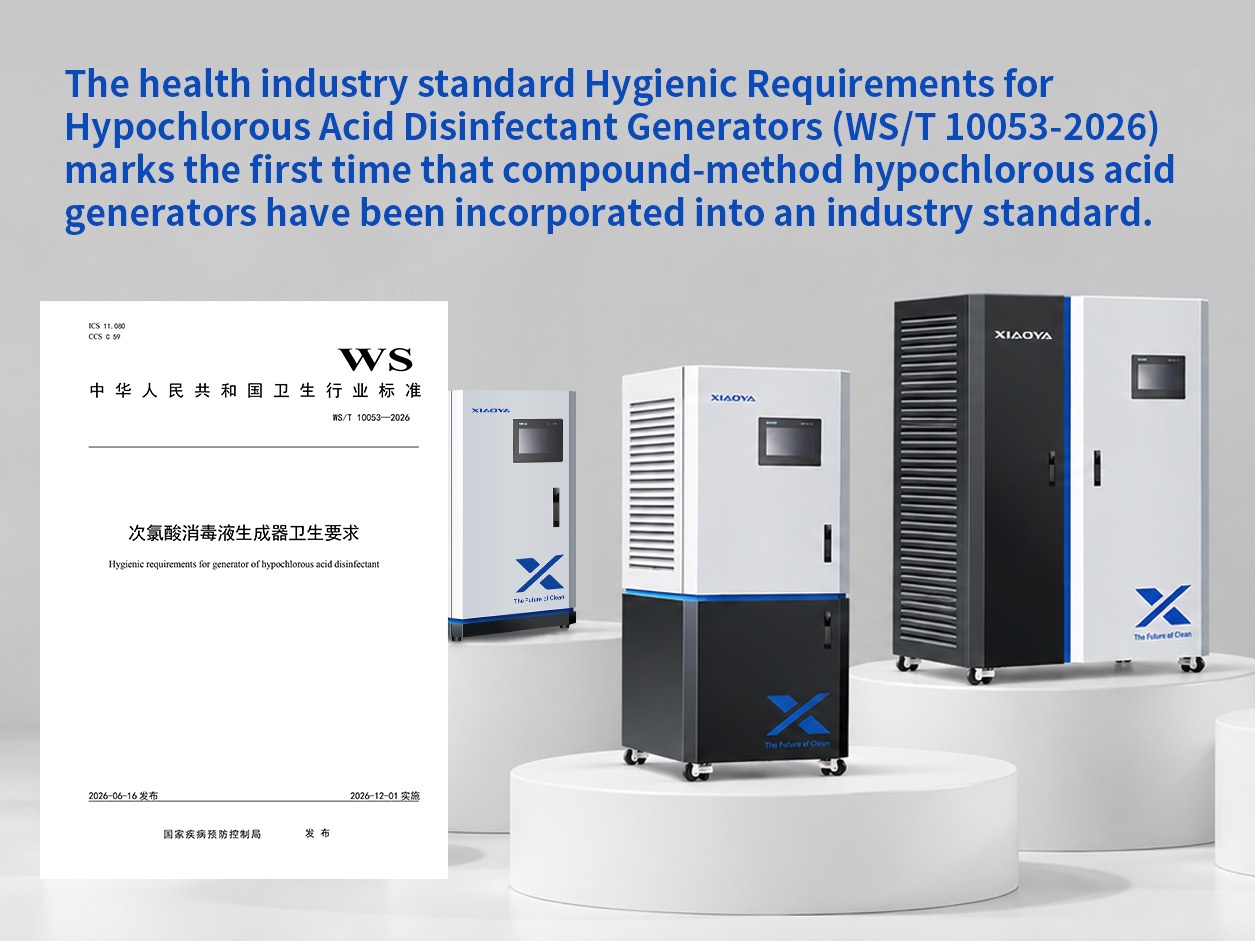
 WS/T 10053-2026 Includes the Compound Method for the First Time: Standard Signals and Market Opportunities for Mass Agricultural Production of Hypochlorous Acid Generators
 Evaluating HClO Generator Lifecycle Costs Beyond the Initial Equipment Price
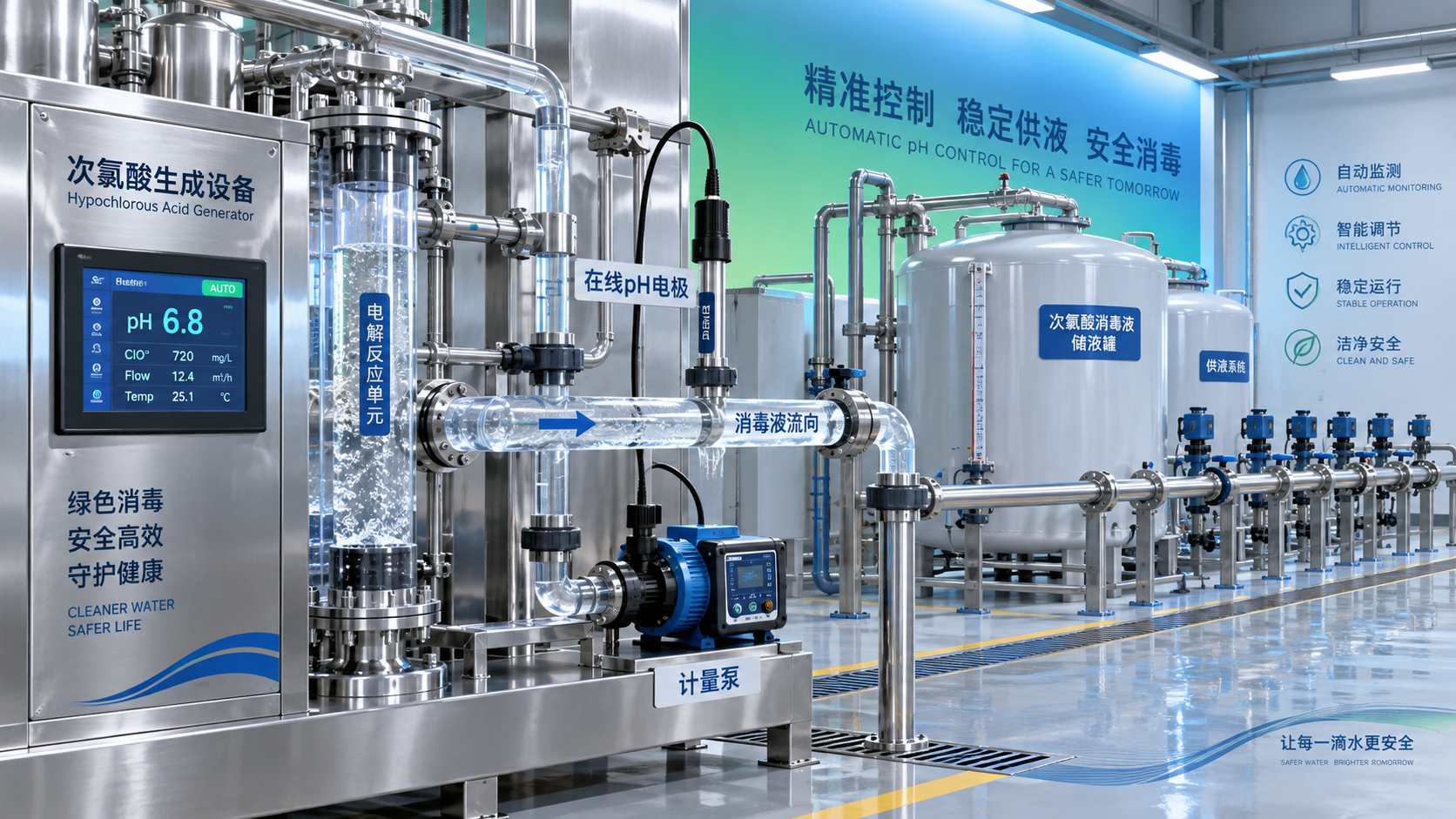
 HClO Generator pH Control: Why It Determines Disinfection Performance
- Which Safety Features Matter Most When Buying an HClO Generator?
 Troubleshooting Low ORP Readings on a Hypochlorous Acid Machine
Leave us a message

Xiaoya Group was founded in 1979,expert in the electrolyzed water industry.
Get in Touch
*We respect your confidentiality and all information are protected.