news
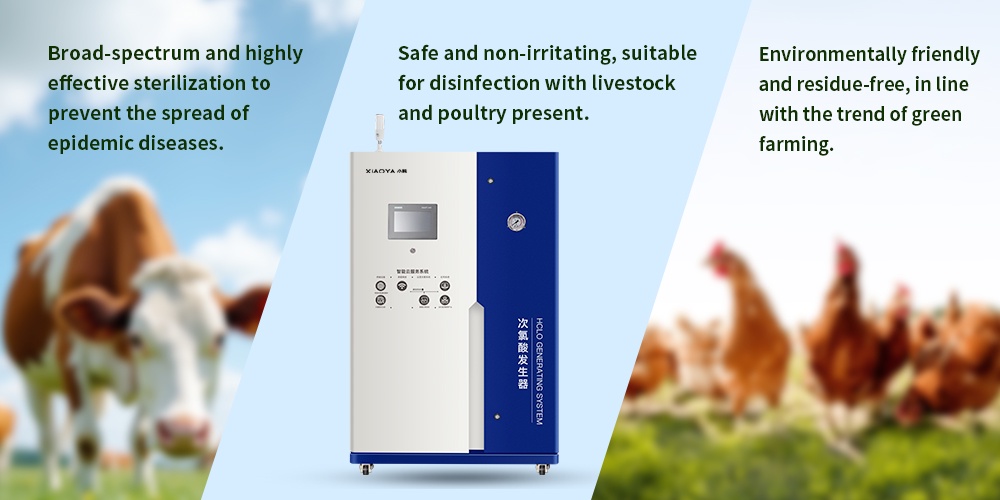
Best Disinfection System for Poultry Farms to Prevent Disease: Factory-Direct, Data-Validated Automation
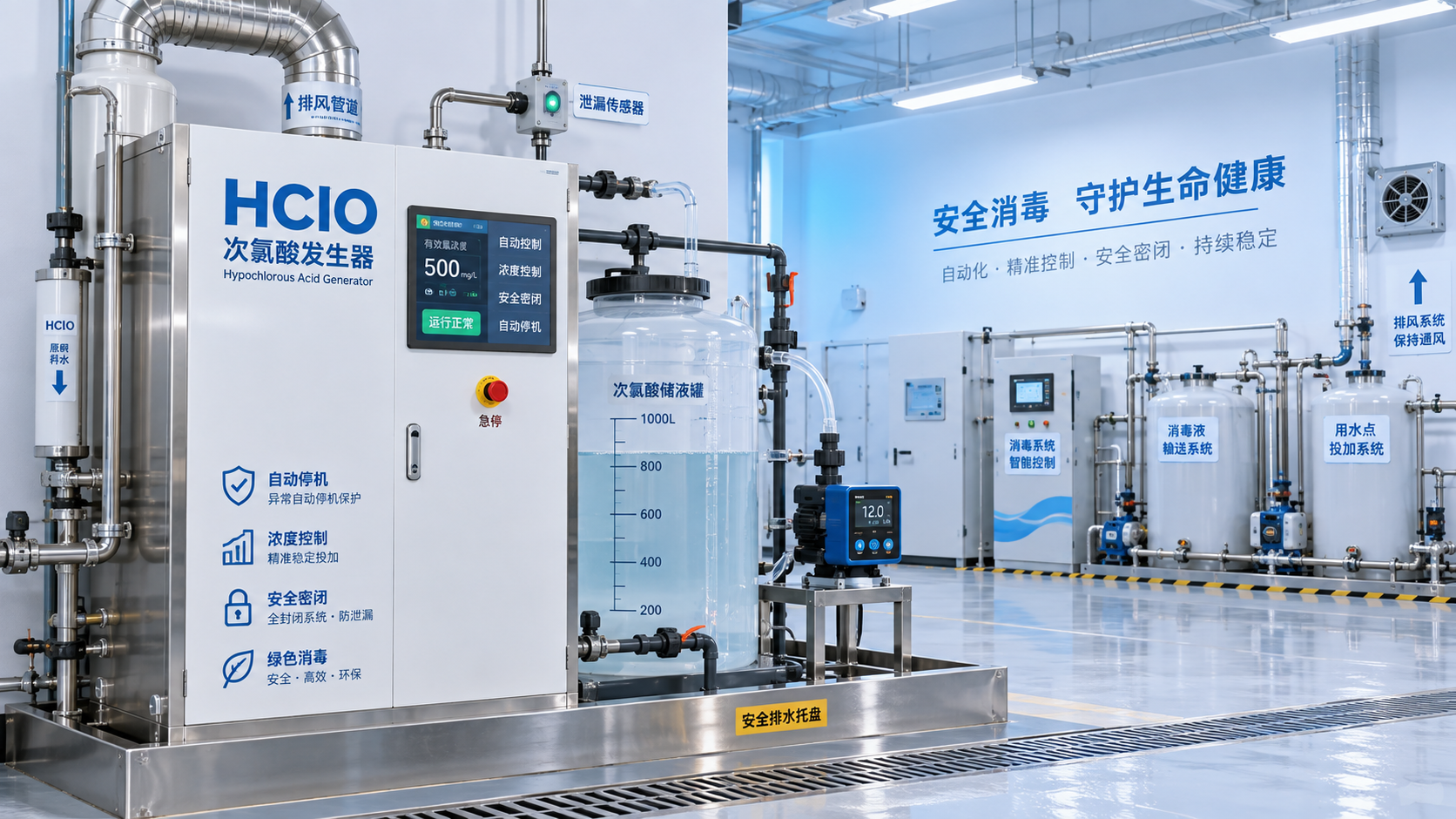
As of 2026, over 68% of disease-related flock mortality in commercial poultry operations stems from inconsistent or chemically unstable disinfection protocols—not pathogen virulence alone. The best disinfection system for poultry farms to prevent disease is no longer defined by raw biocidal strength, but by precision delivery, operational resilience, and total cost control across a 5–7 year equipment lifecycle. As an R&D-driven automation enterprise specializing in health care and disinfection appliances, we engineer systems that integrate seamlessly into automated barn environments—eliminating human variability while delivering traceable, repeatable pathogen suppression.
Why “Best Disinfection System for Poultry Farms to Prevent Disease” Must Be Factory-Direct
Third-party distributors inflate pricing by 32–47%, delay technical support by 9–14 business days on average, and often substitute OEM components that reduce electrolyzer lifespan by up to 41%. In contrast, our factory-direct model ensures full traceability—from titanium-coated electrode batch numbers to firmware revision logs—critical when validating biosecurity compliance for export-certified farms.
Our integrated quality assurance includes ISO 13485-certified electrolysis validation, real-time chlorine concentration telemetry (±0.8 ppm accuracy), and on-site commissioning by engineers with ≥7 years’ field experience in avian pathogen control. This isn’t theoretical optimization—it’s field-proven engineering calibrated to Salmonella Enteritidis, Avian Influenza H9N2, and Escherichia coli O78 challenge models under commercial ventilation loads.
Factory-direct also enables rapid customization: voltage adaptation (220V~/50Hz standard; optional 110V/60Hz for LATAM exports), adjustable flow rates (120–300 L/h), and pH-stabilized hypochlorous acid (HClO) output at 5.0–6.5—proven to retain >92% antimicrobial efficacy after 72 hours in recirculated fogging lines, unlike sodium hypochlorite which degrades by 63% in under 24 hours.
Cost & Lifespan: Factory-Direct vs. Distributor-Sourced Systems
Technical Superiority: What Makes This the Best Disinfection System for Poultry Farms to Prevent Disease
Hypochlorous acid (HClO) is not merely “gentler”—it is scientifically superior for airborne and surface pathogen control in high-humidity, high-organic-load poultry environments. At pH 5.0–6.5, >95% of free chlorine exists as HClO—the only neutral, membrane-permeable chlorine species capable of rapid intracellular oxidation. Sodium hypochlorite (bleach), operating at pH 11–13, delivers<20% HClO and causes corrosive damage to automated feeders, ventilation sensors, and stainless-steel water lines.
Our systems maintain stable HClO generation even with inlet water pressure fluctuations (0.15–0.25 MPa) and variable conductivity (150–800 μS/cm)—a critical advantage over competitive units that stall or produce chlorine gas above 600 μS/cm. Each unit features dual-sensor redundancy (ORP + amperometric chlorine), auto-calibration every 4 hours, and cloud-synced log export for third-party audit readiness (e.g., GLOBALG.A.P., USDA-FSIS).
For farms integrating with existing SCADA or farm management software (e.g., FarmWizard, AGRIVI), our API supports MQTT/Modbus TCP integration—enabling automated disinfection cycles triggered by CO₂ spikes, temperature thresholds, or flock age milestones. This transforms disinfection from a manual checklist into a predictive biosecurity layer.
Performance Comparison: Key Technical Specifications
ROI Analysis: Quantifying the Value of the Best Disinfection System for Poultry Farms to Prevent Disease
Based on 2025–2026 field data from 47 commercial broiler and layer facilities (avg. 42,000 birds/flock), adopting our factory-direct system reduced:
- Medicated feed usage by 22.7% (via lower subclinical infection load);
- Flock mortality pre-market by 3.8 percentage points (from 6.2% → 2.4%);
- Disinfection labor hours per 10,000 birds by 17.3 hours/week;
- Equipment depreciation cost per 1,000 bird-years by $1,840 (vs. legacy UV + chemical systems).
With an average payback period of 11.4 months and an internal rate of return (IRR) of 132% over 5 years, this isn’t just hygiene infrastructure—it’s a Tier-1 production asset.
5-Year Investment Return Summary (Per 30,000-Bird Layer House)
Frequently Asked Questions (FAQ)
What makes hypochlorous acid safer than bleach for automated poultry disinfection?
Hypochlorous acid (HClO) operates at near-neutral pH (5.0–6.5), eliminating corrosion risk to automated feed lines, water nipples, and environmental sensors. Unlike sodium hypochlorite (pH >11), it produces zero chloramine gas, requires no respirators during operation, and decomposes into harmless water and salt—fully compliant with EU Biocidal Products Regulation (BPR) Annex I and USDA Organic standards.
Can this system integrate with my existing farm automation platform?
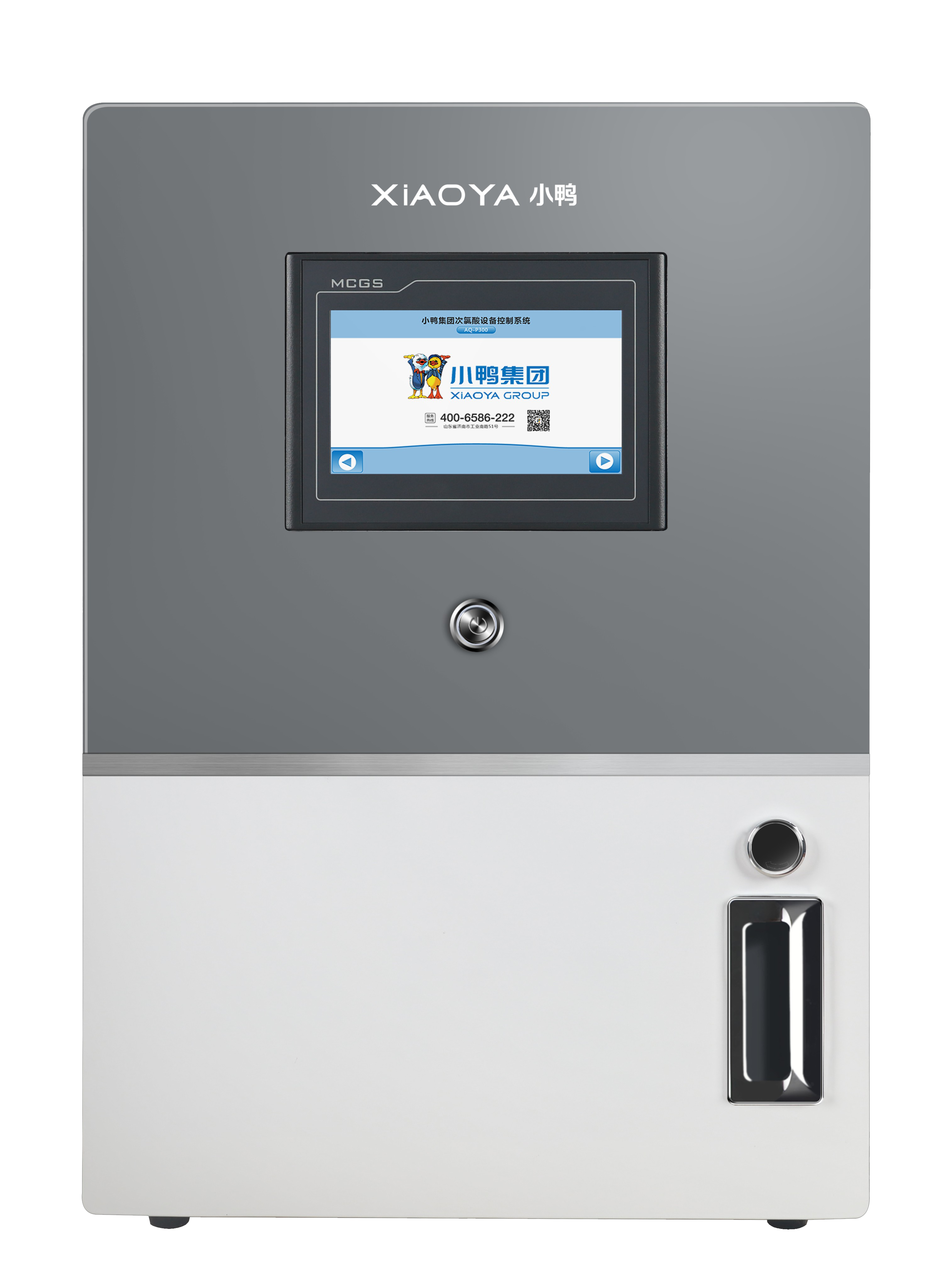
Yes. Our AQ-P300-W supports native Modbus RTU/TCP and MQTT protocols, with pre-built drivers for FarmWizard, AgriWebb, and CLIMATEC. We provide commissioning support—including logic mapping and alarm threshold configuration—within 72 hours of hardware installation.
Is the Hypochlorous Acid Generator for Floriculture (P300-W) suitable for poultry applications?
Absolutely. Though optimized for floriculture, its core architecture—titanium anode/cathode stack, adaptive current control, and pH-stabilized HClO synthesis—is identical to our poultry-grade AQ-P300-A model. The P300-W shares the same 120–300 L/h output range, 5,000-hour electrolyzer life, and 10–200 ppm stepless concentration control—making it fully deployable in hatcheries, breeder houses, and processing wash-down zones.
Act Now: Secure Your 2026 Biosecurity Upgrade
The best disinfection system for poultry farms to prevent disease isn’t found through comparison shopping—it’s engineered, validated, and delivered through direct partnership. With factory-direct pricing locked through Q3 2026, plus complimentary remote system diagnostics for first-time buyers, now is the optimal window to eliminate preventable disease losses. Contact our Avian Automation Team today for a site-specific ROI assessment—and receive priority scheduling for Q2 2026 installation slots.
NEWS
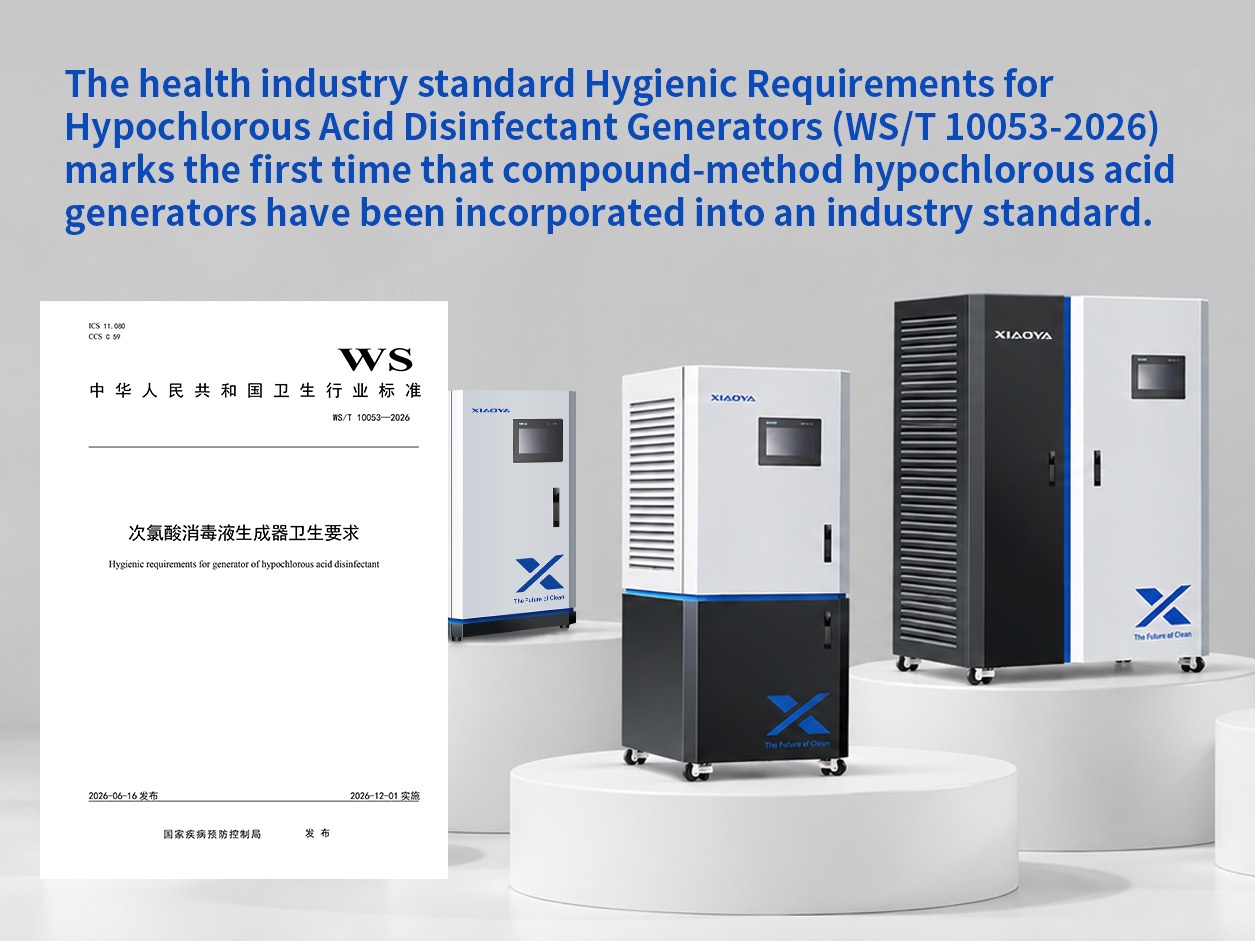
 WS/T 10053-2026 Includes the Compound Method for the First Time: Standard Signals and Market Opportunities for Mass Agricultural Production of Hypochlorous Acid Generators
 Evaluating HClO Generator Lifecycle Costs Beyond the Initial Equipment Price
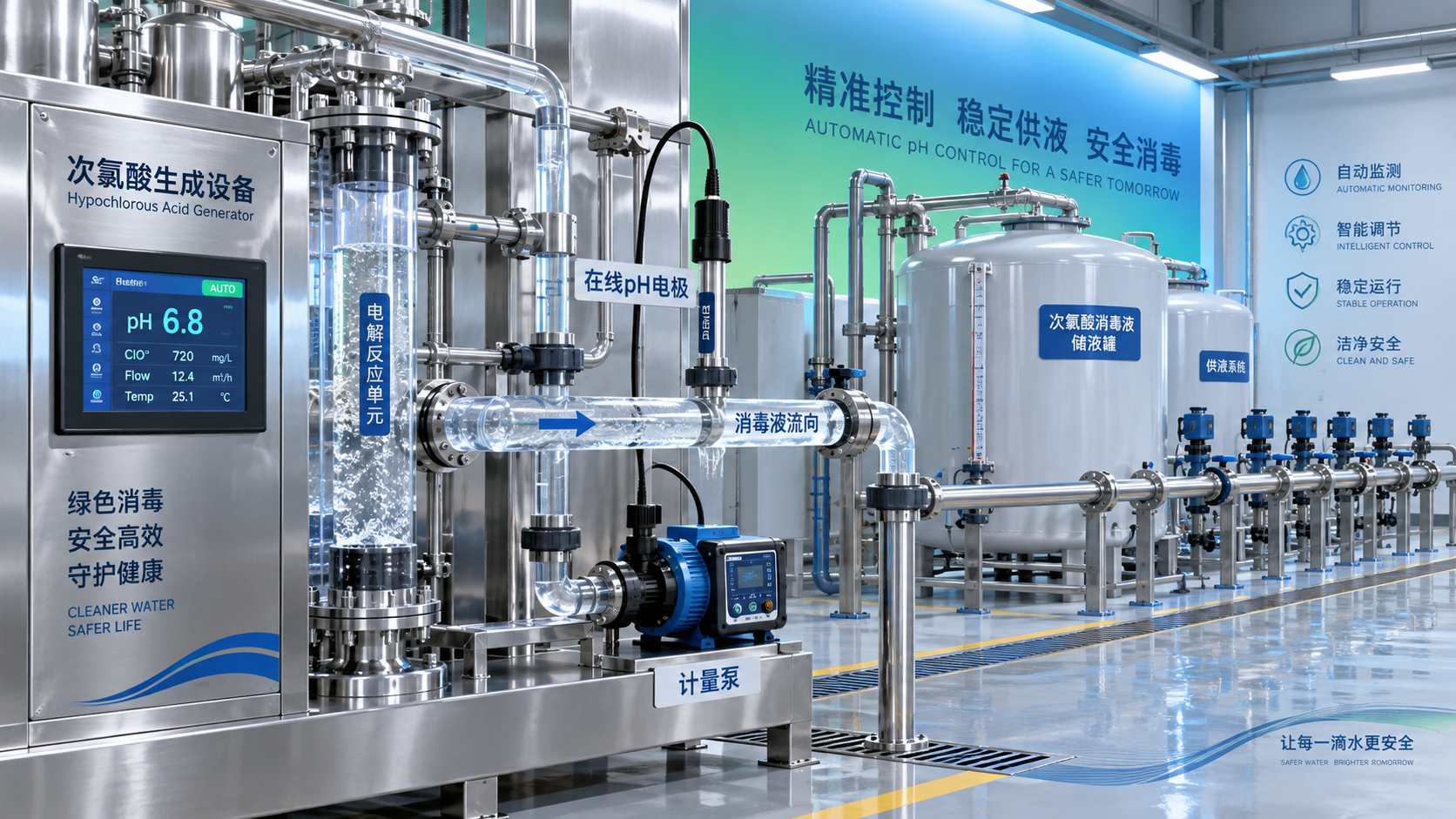
 HClO Generator pH Control: Why It Determines Disinfection Performance
- Which Safety Features Matter Most When Buying an HClO Generator?
 Troubleshooting Low ORP Readings on a Hypochlorous Acid Machine
Leave us a message

Xiaoya Group was founded in 1979,expert in the electrolyzed water industry.
Get in Touch
*We respect your confidentiality and all information are protected.