





news
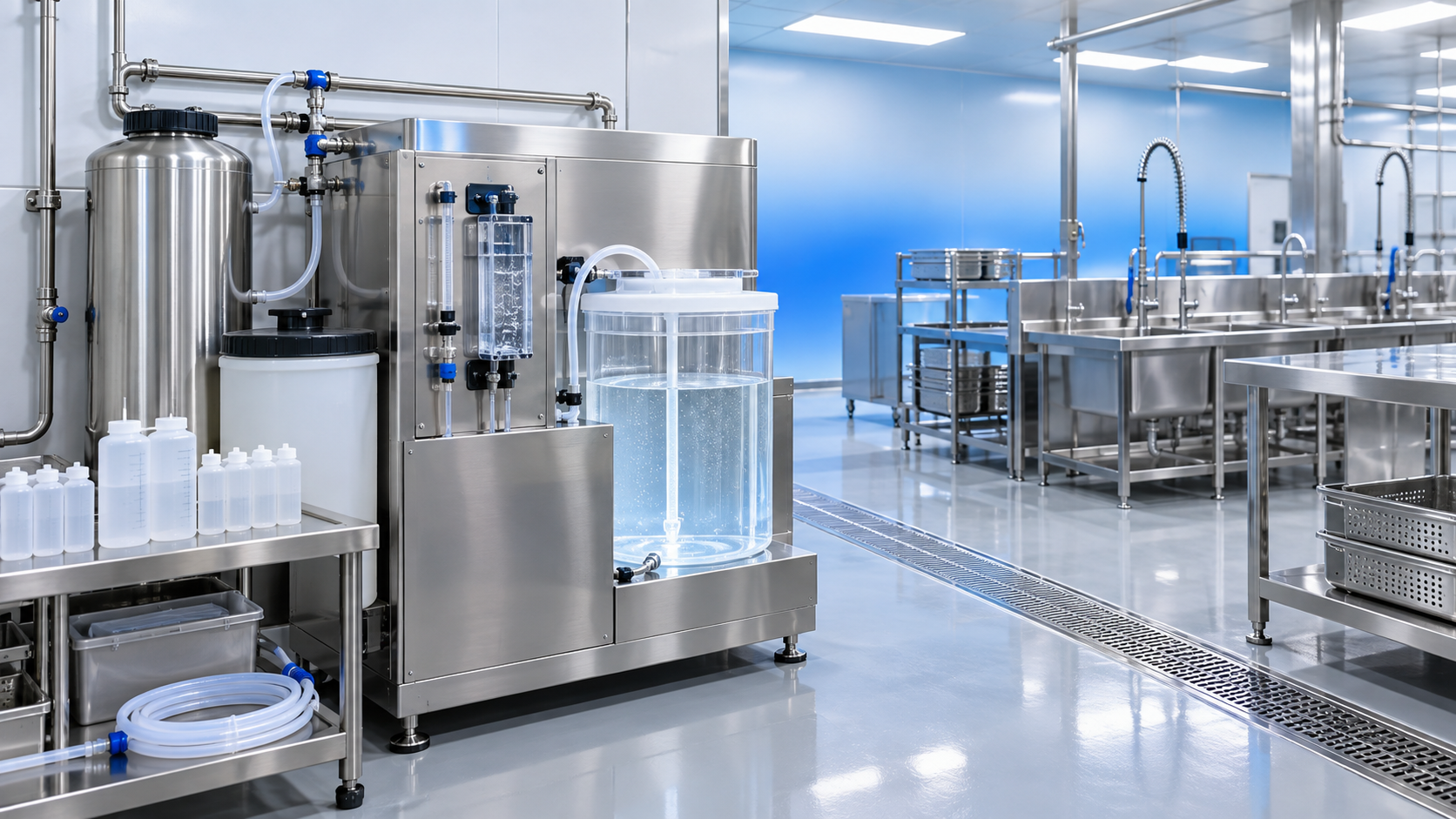
For food processors and facility leaders, calculating the true operating cost of on-site hypochlorous acid production is essential for smarter sanitation investments. A Food Hypochlorous AcidGenerator uses water, salt, electricity, and labor to deliver effective disinfection, but each input affects total cost and return on investment. The purchase price matters, of course, yet it is rarely the number that determines whether a system works financially over several years. Daily output, concentration control, water quality, operator routines, and equipment uptime usually matter more.
The practical question is not simply, “How much does a generator cost to run?” It is: “What does one usable liter of correctly prepared HClO cost at the point where our sanitation team needs it?” That distinction prevents a common mistake—comparing a low-cost generated solution with a purchased chemical concentrate without accounting for dilution, discarded stock, testing time, and manual handling.
Start With the Required Usable Volume
Begin with consumption rather than machine capacity. Map each application: produce washing where appropriate, food-contact surface sanitation, floor and drain programs, equipment exteriors, carts, cold-room touchpoints, and odor-control tasks. A facility may generate a large volume in a short production window but consume much less on weekends. Another may need smaller batches throughout every shift. Those two operating profiles can justify very different automation levels.
For each use point, record the target available chlorine concentration, liters used per shift, number of shifts, and expected loss from spray bottles, transfer containers, or end-of-shift disposal. Concentration is not a cosmetic setting. Generating 80 ppm when a lower validated concentration is suitable wastes inputs and can complicate process control; generating too weak a solution can create sanitation risk. The correct target must be aligned with the intended application, internal sanitation program, label requirements, and applicable local rules.
A useful monthly volume estimate is:
Monthly usable volume = liters per day × operating days per month × (1 + handling-loss allowance)
Do not assume handling loss is zero just because production is on site. Open storage, poorly labeled bottles, overfilling, and duplicated dispensing points are all familiar sources of avoidable waste.
Water Cost: Usually Small, Sometimes Operationally Critical
Water cost is often a modest line item, but water quality can become a major operating issue. The basic calculation is straightforward:
Water cost per month = total inlet-water liters ÷ 1,000 × local water-and-sewer tariff per cubic meter
The important qualifier is “total inlet water.” It may include generated solution, flushing, start-up rinses, and any water rejected or consumed by pretreatment. If site water hardness, conductivity, chlorine residual, iron, or suspended solids are outside the equipment supplier’s recommended range, pretreatment may be needed. That adds filter replacement, service time, and potentially some water loss. A quote that lists only municipal water cost can look attractive while ignoring the condition that actually drives maintenance.
Ask suppliers to state the acceptable inlet-water range and the consequences of operating outside it. For example, a unit specified for an inlet pressure of 0.15–0.25 MPa should be reviewed against actual pressure at the planned installation point, not against a building-wide estimate. Pressure variation on a shared production line can be more relevant than the nominal utility specification.
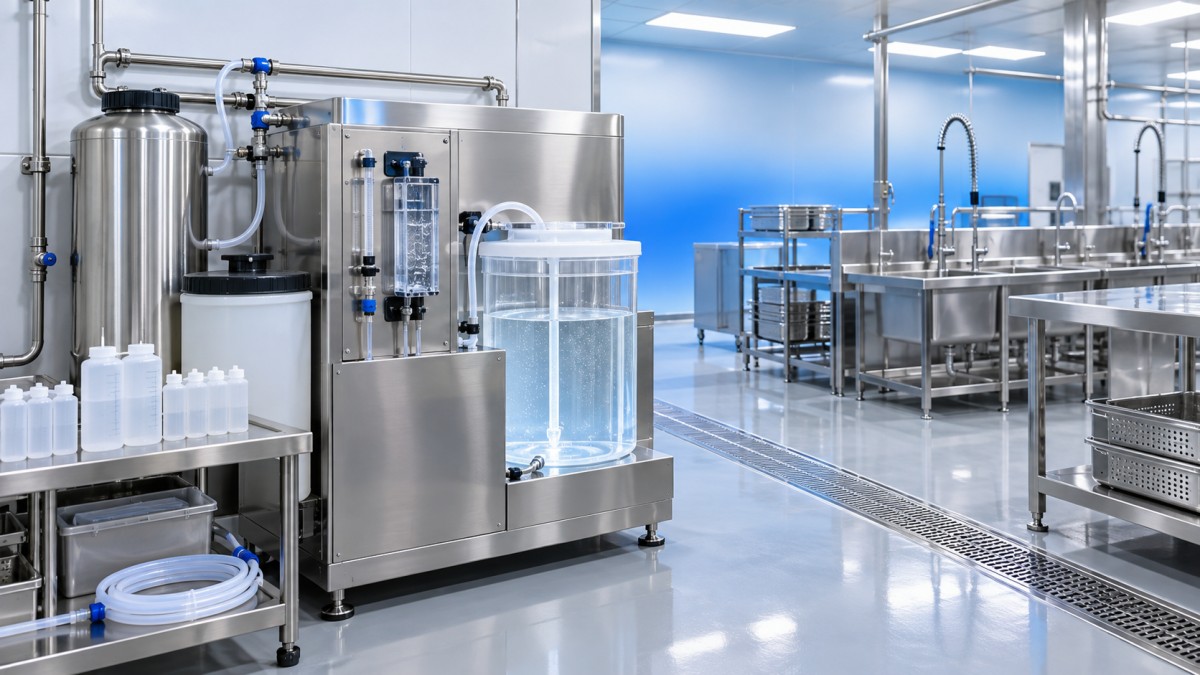
Salt Is Inexpensive; Salt Control Is Not Optional
Salt consumption depends on generator design, target concentration, source-water chemistry, and operating settings. It should therefore be calculated from the supplier’s documented consumption rate for the proposed duty cycle—not from a generic online estimate. Use the delivered price of the specified salt grade, including packaging, internal handling, storage, and waste from partially used bags or solution preparation.
A workable model is:
Salt cost per month = salt required per liter × monthly generated liters × delivered salt price
The salt line is often low enough that decision teams underweight it. That is reasonable financially, but risky operationally. Incorrect brine preparation, the wrong salt specification, or inconsistent electrolyte replenishment can cause unstable output. In food environments, variability creates more trouble than the cost of the salt itself because teams then spend time retesting batches, adjusting procedures, or reverting to backup chemicals.
A small electrolyte tank can be perfectly suitable when output demand is modest and refill responsibility is clear. It becomes a labor problem when a high-volume sanitation schedule requires frequent intervention. Consider the route an operator takes, where salt is stored, whether spills are likely, and whether the replenishment task happens during a busy shift change.
Electricity Is Easy to Calculate, but Check Real Run Time
Electricity cost is generally transparent when rated power and actual production hours are known:
Electricity cost per month = rated kW × run hours per month × electricity tariff per kWh
A 170W unit, for instance, draws 0.17 kW at rated power. The arithmetic is simple; estimating run hours is where projects go wrong. A machine producing 60–120 L/h may not run continuously, and output can vary with the selected concentration and water conditions. Build the model from planned batch volume divided by realistic output, then add start-up, flushing, and idle consumption if applicable. Ask whether the quoted power figure covers the whole system or only the electrolyzer.
For sites with time-of-use electricity pricing, scheduling production outside peak periods may help, but only if the generated solution remains within the facility’s approved holding and verification practices. Producing several days’ worth of solution merely to save a small amount of electricity is often a poor trade if it increases storage uncertainty.
Labor Is Frequently the Decisive Cost
Labor is commonly underestimated because it is spread across short tasks: filling water, adding salt, starting a cycle, checking concentration, labeling containers, distributing solution, logging results, cleaning the unit, and responding when an alarm appears. Five minutes repeated several times per day is not trivial over a year, especially when skilled sanitation staff are pulled away from higher-risk cleaning work.
Calculate labor on a task basis:
Labor cost per month = minutes per task × tasks per day × operating days ÷ 60 × loaded hourly labor rate
Use a loaded labor rate where possible, not only base wages. Include supervision, training, personal protective equipment requirements, documentation, and the time required to correct mistakes. Fully automated dosing and one-key operating sequences can reduce routine touches, but automation only creates savings when the workflow around it is also simplified. A generator installed in a distant utility room, with no convenient dispensing arrangement, can still consume substantial labor.
Compare the Cost per Usable Liter, Not the Cost per Machine
Once water, salt, electricity, and labor are estimated, add planned maintenance, core-component replacement allowance, test materials, and any pretreatment consumables. Divide the total by usable liters delivered to the sanitation program. Keep capital cost separate at first, then evaluate it through expected service life, financing terms, installation work, and avoided purchases of packaged disinfectants.
A decision worksheet should test at least three scenarios: normal demand, peak demand, and low-demand periods. This reveals whether the selected Food Hypochlorous AcidGenerator is oversized, whether backup supply is needed during maintenance, and whether the site can maintain consistent concentration across all shifts. The lowest calculated cost per liter is not automatically the best option if it relies on constant operator attention or has little contingency capacity.
Equipment selection should also reflect broader facility requirements. Manufacturers active across kitchen and bathroom appliances, healthcare and disinfection equipment, clean-energy products, and small household appliances often bring useful experience in controls, component sourcing, and production integration. Still, buyers should evaluate the proposed unit on its own water requirements, output stability, service access, and suitability for their sanitation workflow.
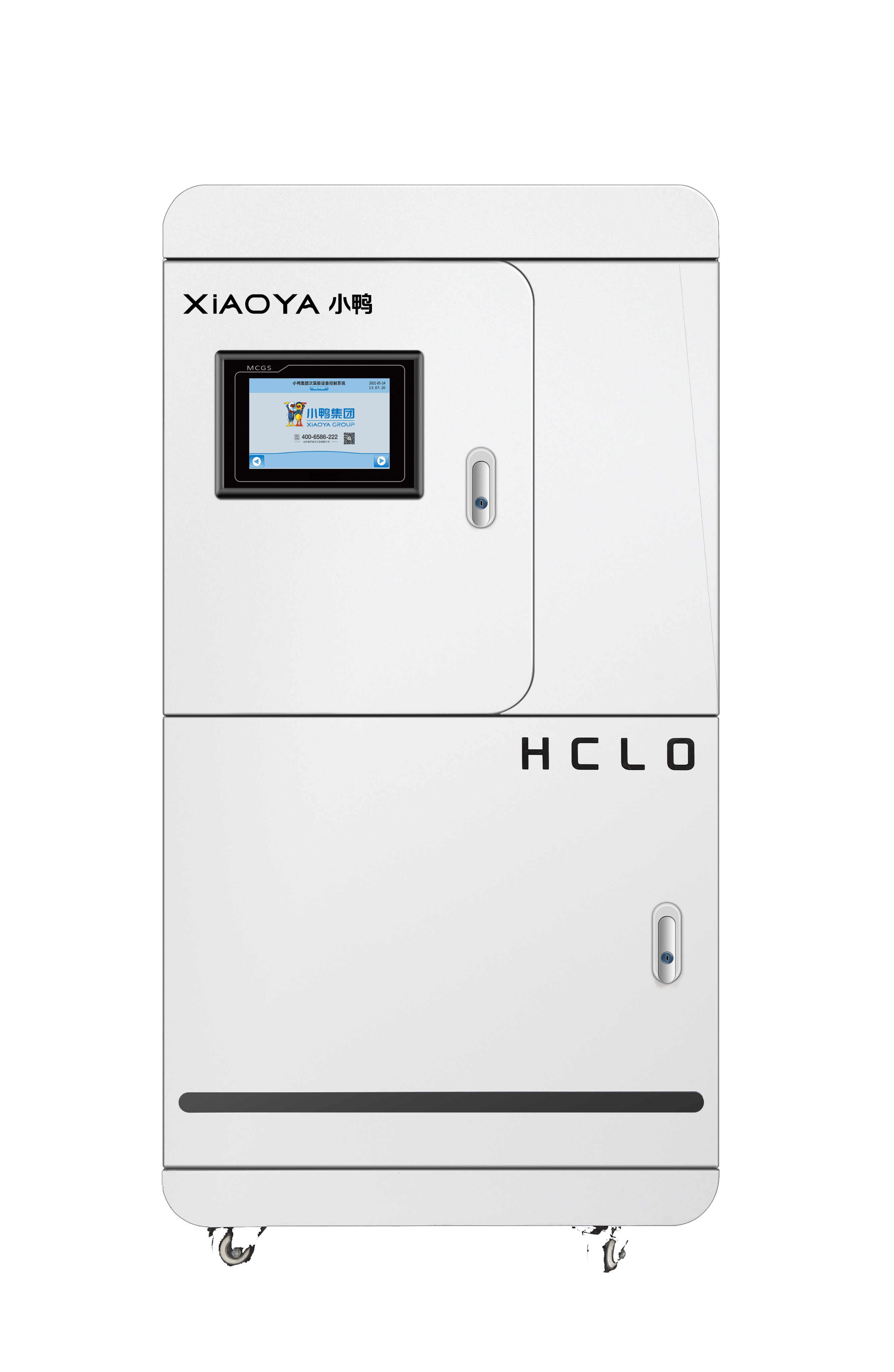
For lower-volume environments that share food handling and public-health concerns, the Hypochlorous Acid Generator for Educational Institutions (AQ-P100-4G) illustrates the parameters worth reviewing: 60–120 L/h output, adjustable 10–80 ppm available chlorine concentration, adjustable pH of 5.0–6.5 according to water quality, 170W rated power, and an electrolyzer service life stated as at least 5,000 hours. Although designed for educational settings, its compact operating profile is a useful reminder that capacity, concentration range, and operator simplicity must be evaluated together rather than in isolation.
Questions to Resolve Before Signing
- What usable daily volume is required at each concentration, including peak sanitation periods?
- Which water test results are needed before finalizing pretreatment and maintenance assumptions?
- How will operators verify concentration, label batches, and document use under the existing food safety program?
- What happens during electrolyzer service, water interruption, or a production surge?
- Which costs are included in the supplier’s operating estimate, and which are assigned to the facility?
The most defensible investment model is usually not the one with the most optimistic consumable costs. It is the one that makes water conditions, salt handling, run time, labor steps, maintenance responsibility, and usable output visible. Once those inputs are clear, on-site HClO generation can be compared fairly against purchased chemistry—and against the operational burden the facility is trying to remove.
NEWS
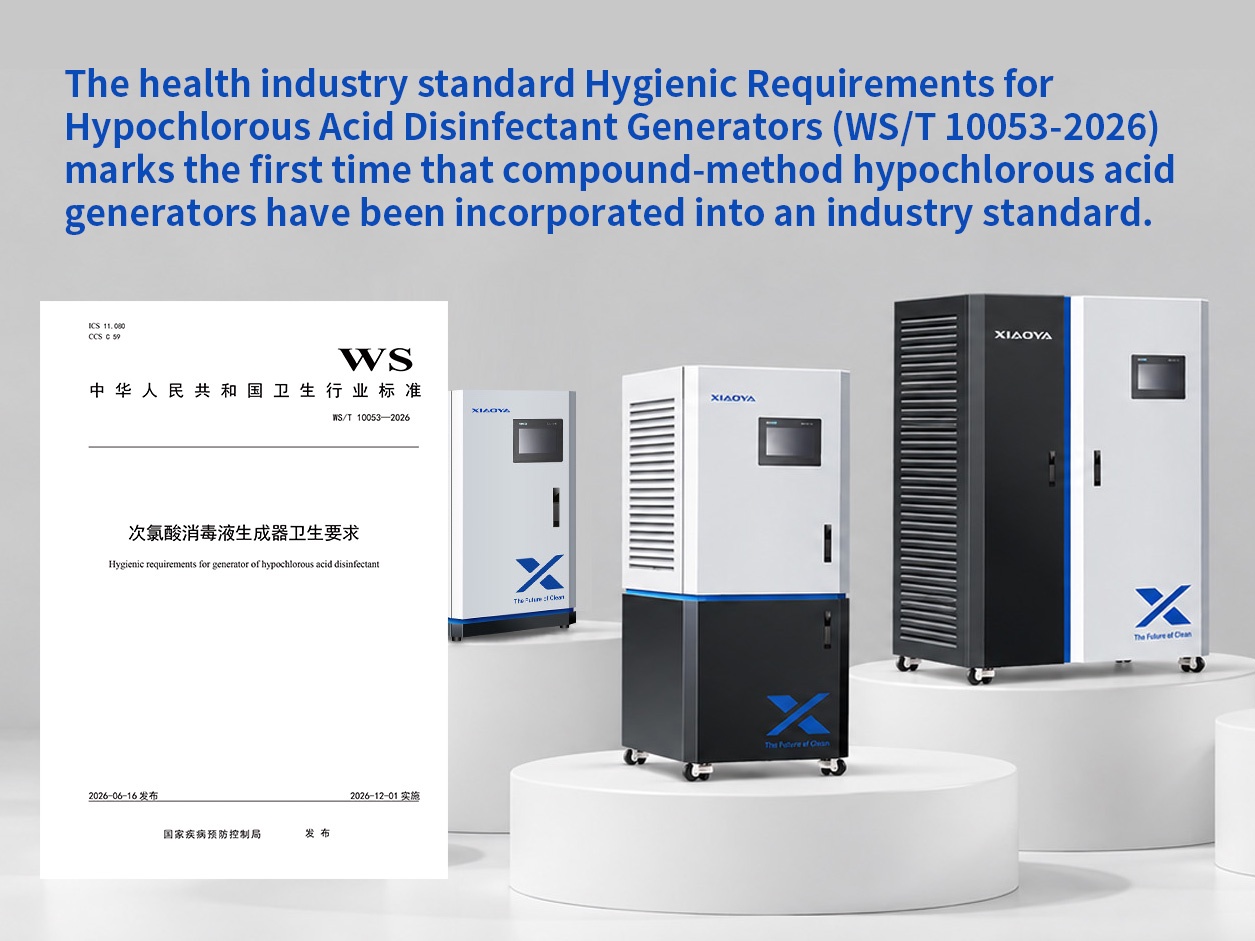
 WS/T 10053-2026 Includes the Compound Method for the First Time: Standard Signals and Market Opportunities for Mass Agricultural Production of Hypochlorous Acid Generators
 Evaluating HClO Generator Lifecycle Costs Beyond the Initial Equipment Price
 HClO Generator pH Control: Why It Determines Disinfection Performance
- Which Safety Features Matter Most When Buying an HClO Generator?
 Troubleshooting Low ORP Readings on a Hypochlorous Acid Machine
Leave us a message

Xiaoya Group was founded in 1979,expert in the electrolyzed water industry.
Get in Touch
*We respect your confidentiality and all information are protected.