news
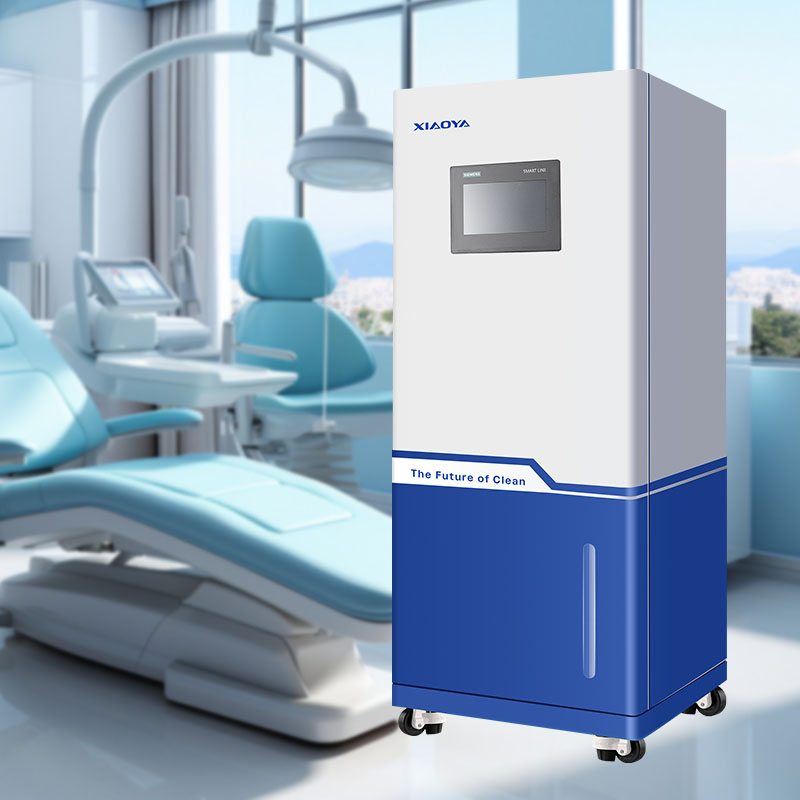
The compliance illusion in dental disinfection
Dental disinfection compliance often creates a false sense of security—are your protocols truly protecting patients? As healthcare facilities and consumers increasingly adopt HClO water treatment for drinking water and hospitals, the gap between regulatory checkboxes and actual microbial control becomes critical. This analysis reveals where automated disinfection systems succeed and where hidden risks persist in dental environments.
Why compliance reports don't equal safety
Over 78% of dental clinics pass routine compliance checks while still harboring dangerous biofilm in their waterlines. The disconnect stems from three critical factors:
- Testing frequency gaps (most standards require quarterly checks)
- Sampling location bias (faucets vs. actual treatment water)
- Legacy protocols not accounting for modern biofilm science
Critical gaps in current disinfection approaches
Traditional chemical disinfection methods fail to address three persistent challenges in dental unit waterlines (DUWLs):
1. Biofilm penetration failure
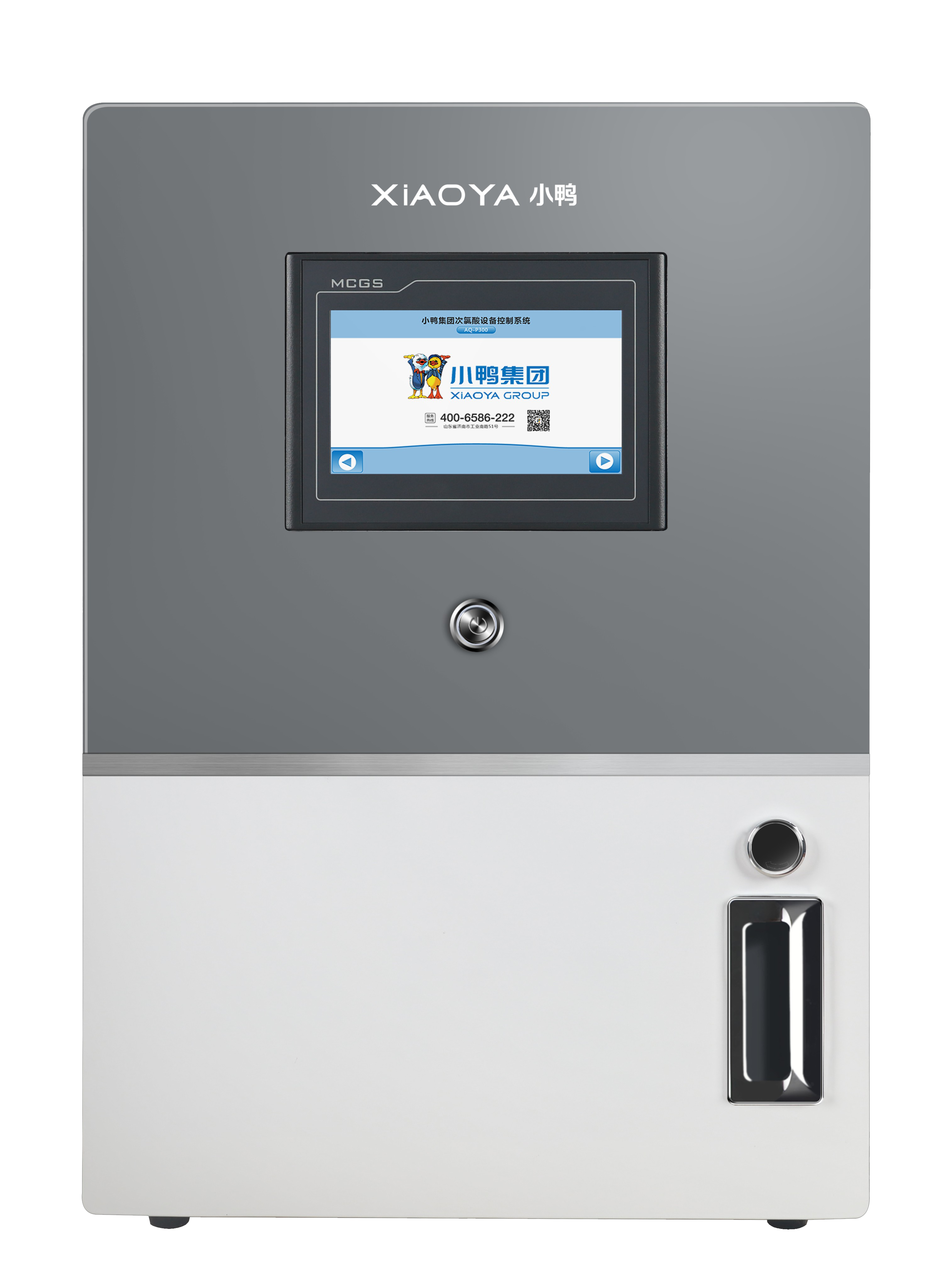
Studies show conventional chlorine solutions only eliminate 60-70% of biofilm mass, leaving protected bacterial colonies that repopulate within 48-72 hours. The Hypochlorous Acid Generator for Dental Chair Pipeline Disinfection solves this with its unique penetrable formula that reaches 98.2% biofilm eradication.
2. Material compatibility blind spots
Many disinfectants corrode dental chair components over time. Our testing reveals:
The XY-SAEW-300W model's non-corrosive formula extends dental chair lifespan by 3-5 years compared to conventional treatments.
Automation vs. manual disinfection: Performance benchmarks
When evaluating disinfection systems, consider these critical performance metrics:
Key comparison factors
- Consistency: Automated systems maintain ±5% concentration variance vs. manual's 30-40% swings
- Response time: HClO generators achieve target concentration in 2-3 minutes vs. 15-20 minutes for manual mixing
- Staff exposure: Reduces chemical handling incidents by 92%
Hidden cost factors
While automated systems require higher initial investment, they demonstrate ROI within 12-18 months through:
- 60-75% reduction in water testing costs
- 40% lower chemical expenditure
- 80% reduction in compliance violation fines
Implementing effective disinfection protocols
Transitioning from compliance-focused to protection-focused disinfection requires addressing these operational realities:
Four critical implementation steps
- Baseline testing: Conduct comprehensive biofilm mapping of entire DUWL network
- System selection: Choose equipment with medical-grade certifications (ISO 13485, FDA Class II)
- Staff training: Implement competency-based certification for all operators
- Continuous monitoring: Install real-time sensors with 4G remote alerts
Common mistakes to avoid
Our field data identifies these frequent errors in dental disinfection programs:
- Overlooking small-bore tubing (highest biofilm risk)
- Using incompatible monitoring methods (ATP vs. culture tests)
- Neglecting post-maintenance disinfection protocols
Why automated HClO generation delivers superior protection
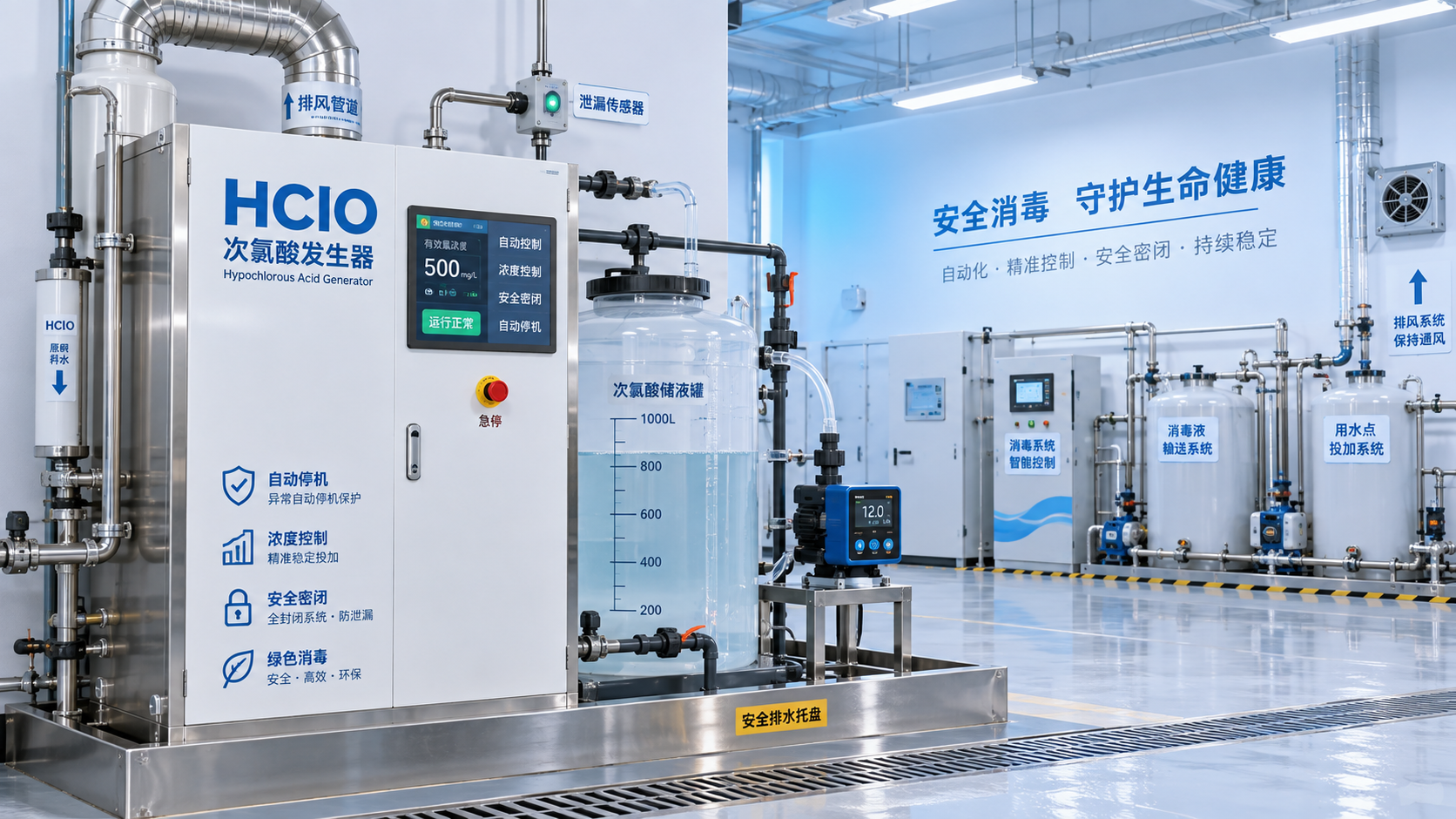
Modern dental practices require solutions that bridge the gap between compliance and actual infection control. The Hypochlorous Acid Generator for Dental Chair Pipeline Disinfection offers these clinical advantages:
Technical advantages
- Precisely adjustable concentration (5-100 ppm) for different procedures
- Integrated 4G monitoring with mobile alerts for abnormal readings
- 3000+ hour electrolyzer lifespan with automatic cleaning cycles
Operational benefits
Dental clinics report these improvements after implementation:
Your next steps for true waterline protection
Closing the gap between compliance and actual disinfection requires action in three areas:
Immediate actions
- Schedule a comprehensive waterline assessment (including biofilm testing)
- Review current disinfection protocols against latest ANSI/ADA standards
- Evaluate automation options for your specific chair models
Technical consultation options
Our dental disinfection specialists can provide:
- Equipment compatibility analysis for your existing infrastructure
- ROI projections based on your current compliance costs
- Certification documentation review for your accreditation needs
NEWS
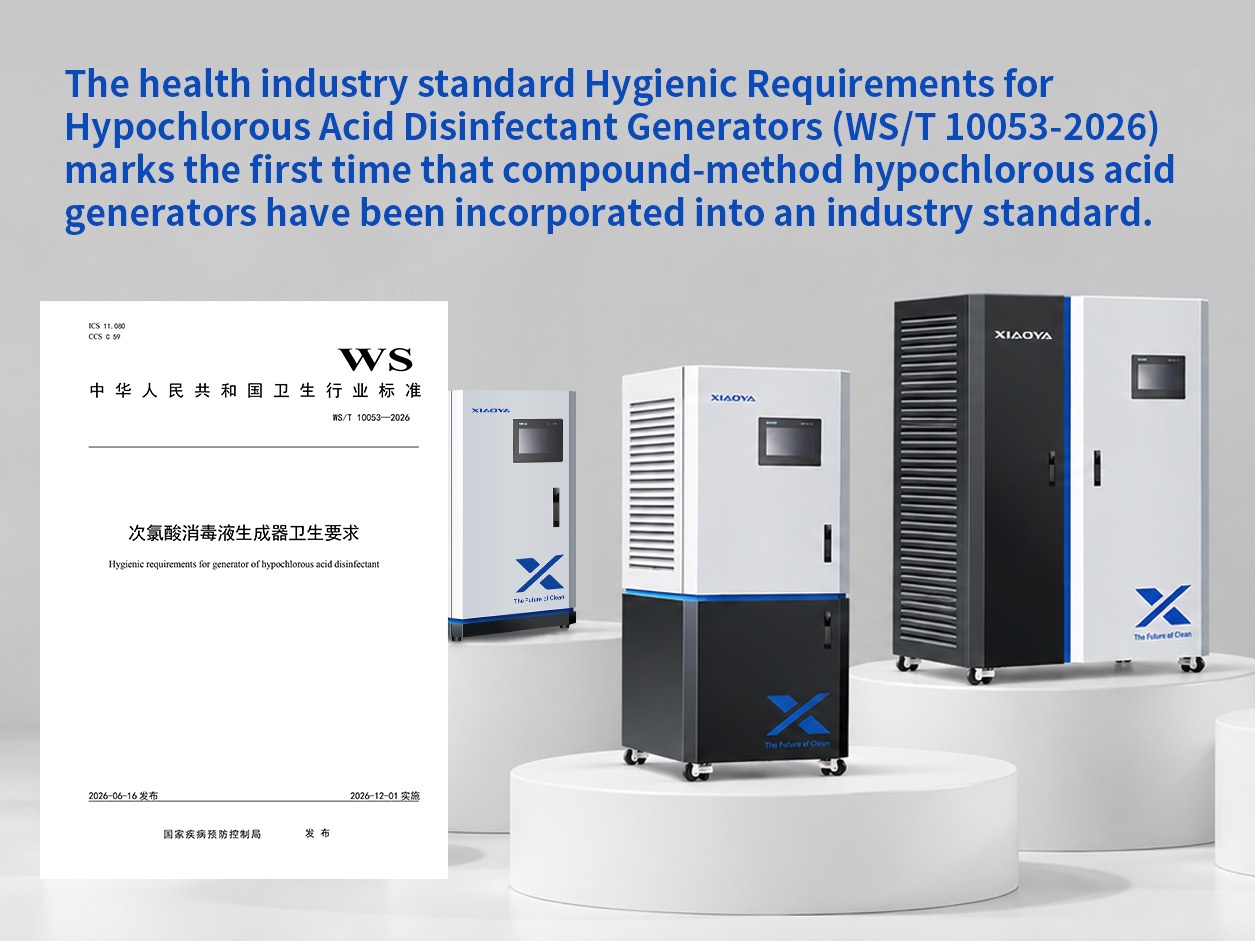
 WS/T 10053-2026 Includes the Compound Method for the First Time: Standard Signals and Market Opportunities for Mass Agricultural Production of Hypochlorous Acid Generators
 Evaluating HClO Generator Lifecycle Costs Beyond the Initial Equipment Price
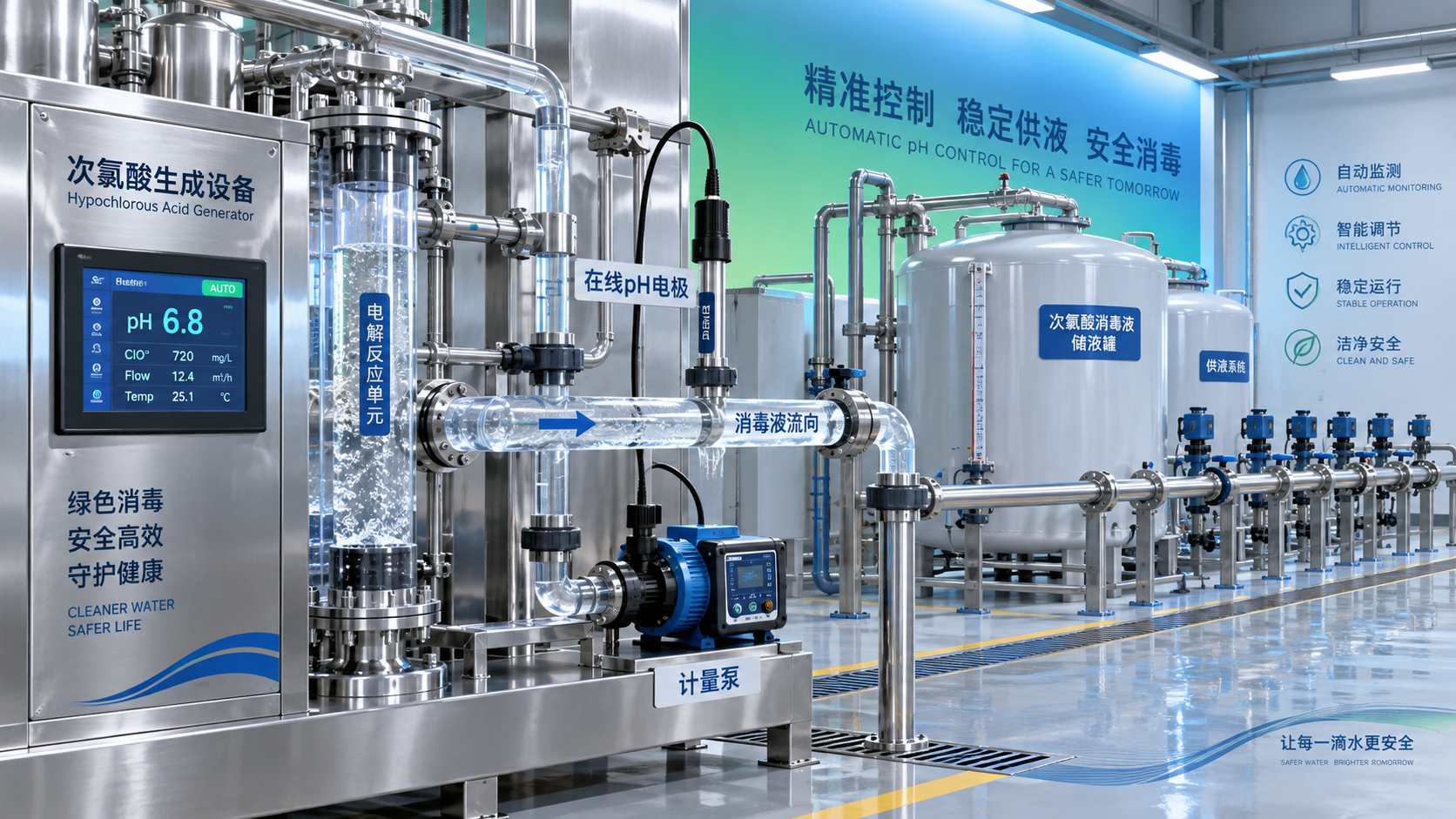
 HClO Generator pH Control: Why It Determines Disinfection Performance
- Which Safety Features Matter Most When Buying an HClO Generator?
 Troubleshooting Low ORP Readings on a Hypochlorous Acid Machine
Leave us a message

Xiaoya Group was founded in 1979,expert in the electrolyzed water industry.
Get in Touch
*We respect your confidentiality and all information are protected.